

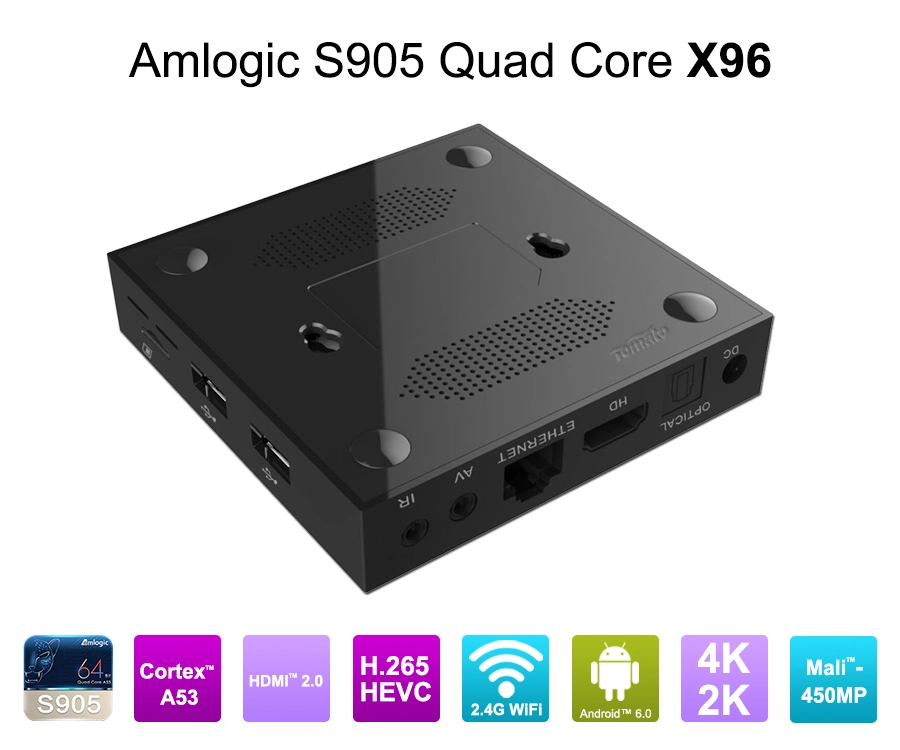
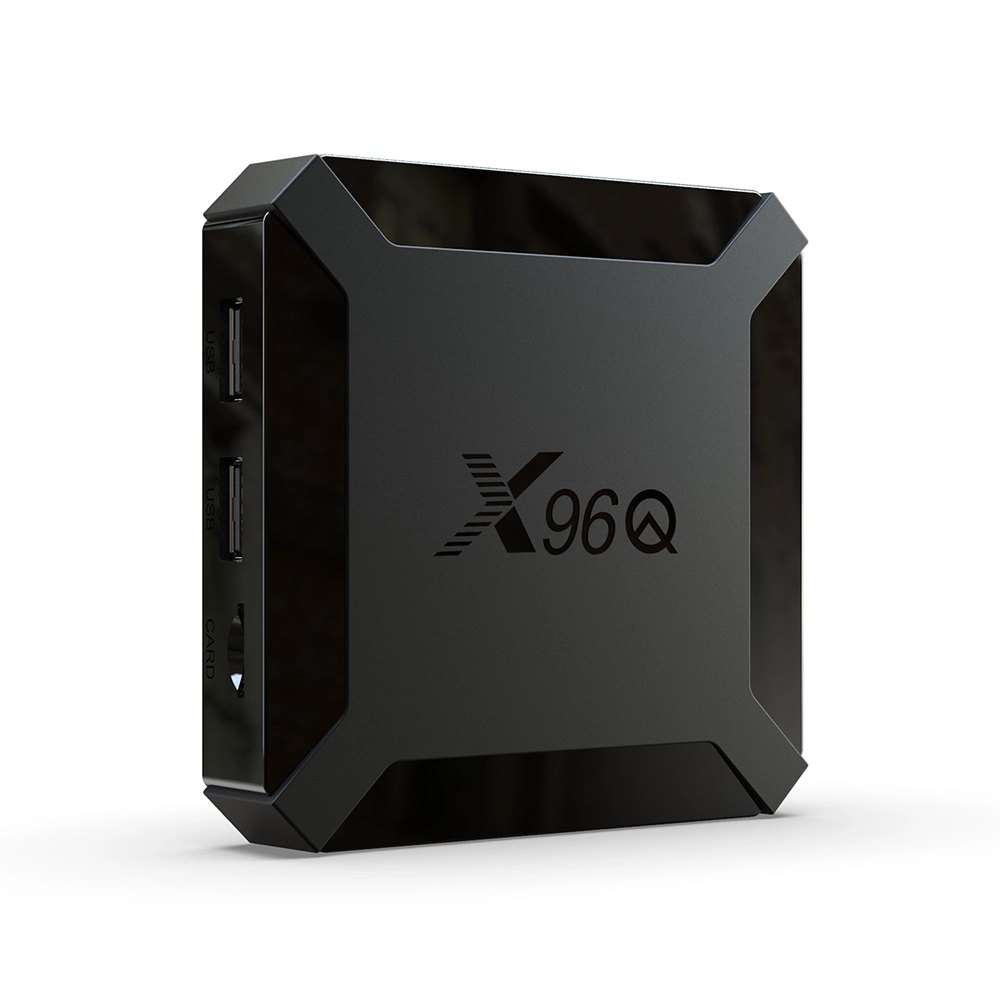
What does an Android Mini PC do?
What Does an Android Mini PC Do? Commercial Edge Deployment & Custom Hardware Engineering
The widespread adoption of high-bitrate AV1 hardware decoding and local machine-vision processing has shifted the role of the Android Mini PC. It is no longer just a basic tool for modifying a standard display panel.
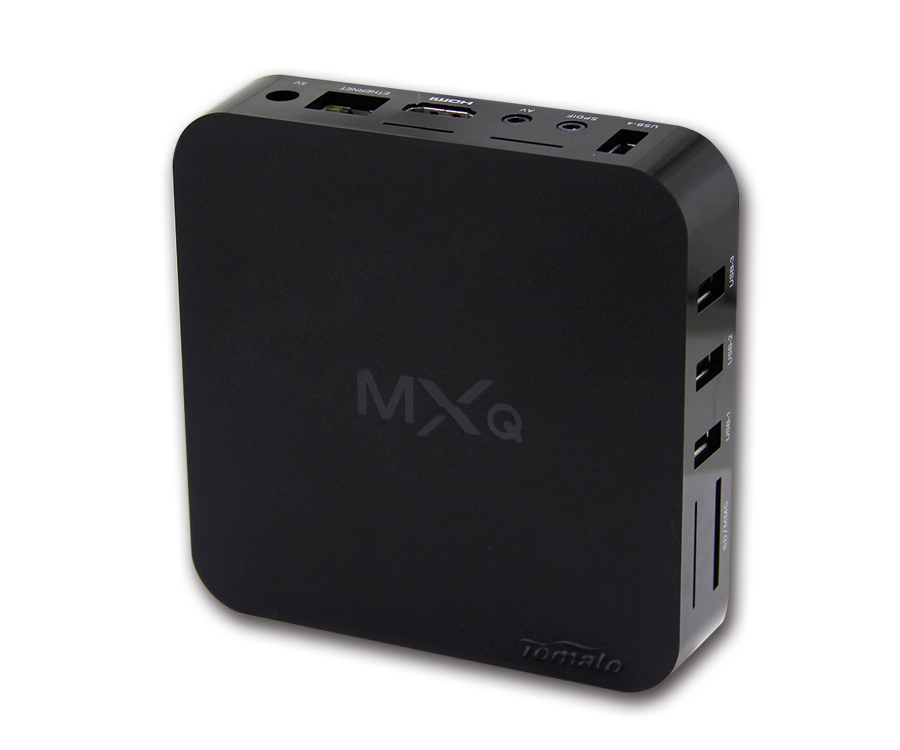
For system integrators, telecom operators, and B2B procurement managers, an enterprise-grade Android Mini PC serves as a dedicated ARM-based edge computing node. It is specifically engineered to handle high-bandwidth content streams, execute edge-AI inference, and maintain continuous, low-latency operation within managed commercial frameworks.
[Centralized CMS / Cloud Server] ---> [Secure Network Protocol (HTTPS/MQTT)] ---> [Android Mini PC Edge Node] ---> [Peripherals & Display]
|
(Kernel Customization)
(PCBA Hardware Mod)
Deploying these systems at scale requires moving past standard retail hardware. Success relies on aligning application demands with custom PCBA engineering, secure firmware architecture, and tailored silicon choices.
1. Silicon Architecture: Matching Compute Workloads to Edge Hardware
An Android Mini PC acts as an edge execution node, converting cloud-managed commands into low-latency local actions. The capabilities of the device are determined directly by the system-on-chip (SoC) architecture selected during production.
Choosing the right silicon requires balancing the processing demands of your application against specific hardware capabilities:
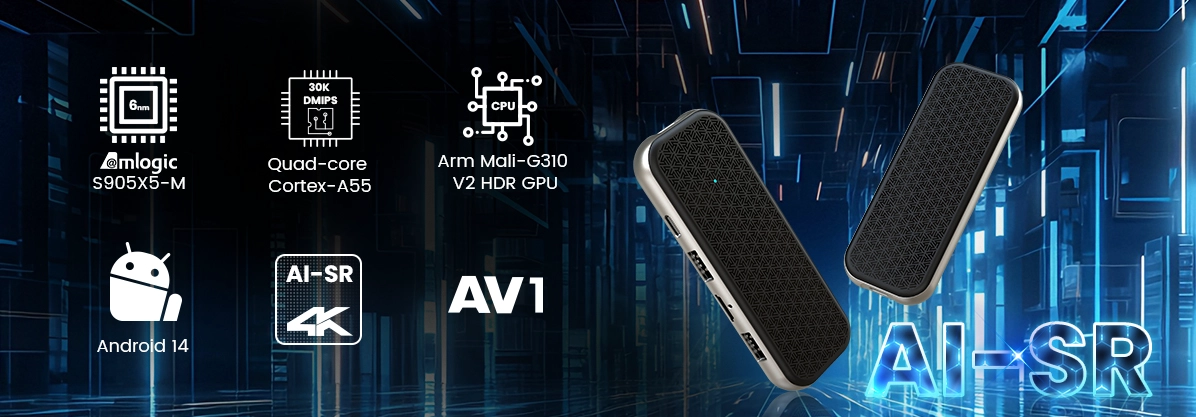
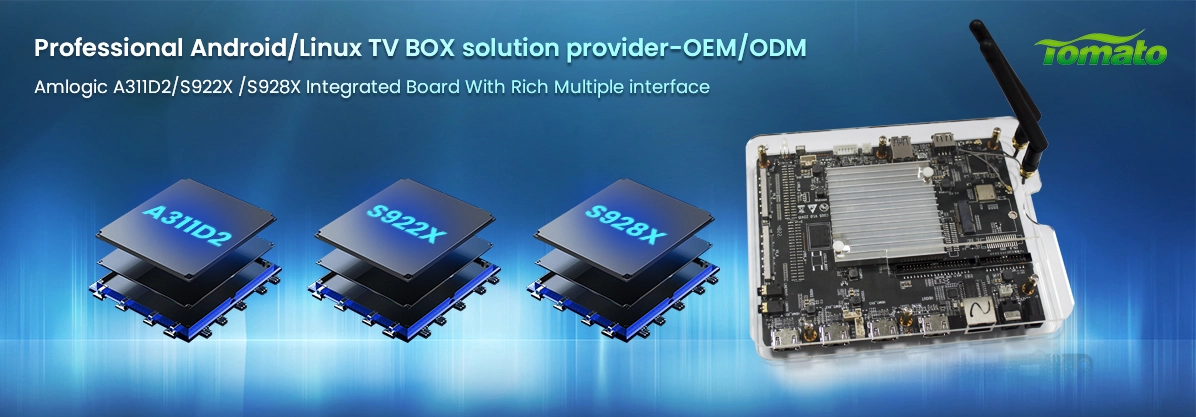
- High-Throughput Multimedia (e.g., Amlogic S928X): Optimized for intensive video decoding pipelines. Equipped with an ARMv8 penta-core configuration (Cortex-A76 and Cortex-A55 cores) and a dedicated VPU, these SoCs handle native 8K at 60fps AV1 and HEVC decoding. This architecture is well-suited for high-fidelity digital signage arrays and high-bitrate operator IPTV networks where avoiding software-driven decoding latency is critical.
- Industrial Edge-AI and Concurrency (e.g., Rockchip RK3588): Designed for complex multi-tasking workloads. This octa-core processor utilizes a big.LITTLE layout (4× Cortex-A76 and 4× Cortex-A55) paired with a 6 TOPS Neural Processing Unit (NPU). It handles concurrent workloads smoothly, such as rendering interactive HTML5 kiosk interfaces while processing real-time audience analytics via local computer vision algorithms.
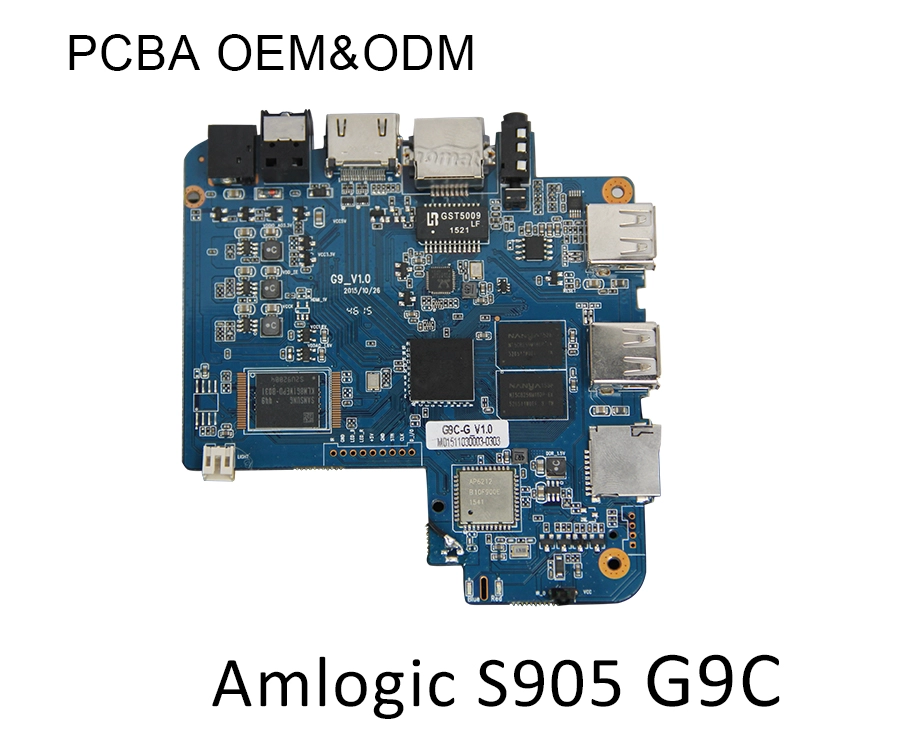
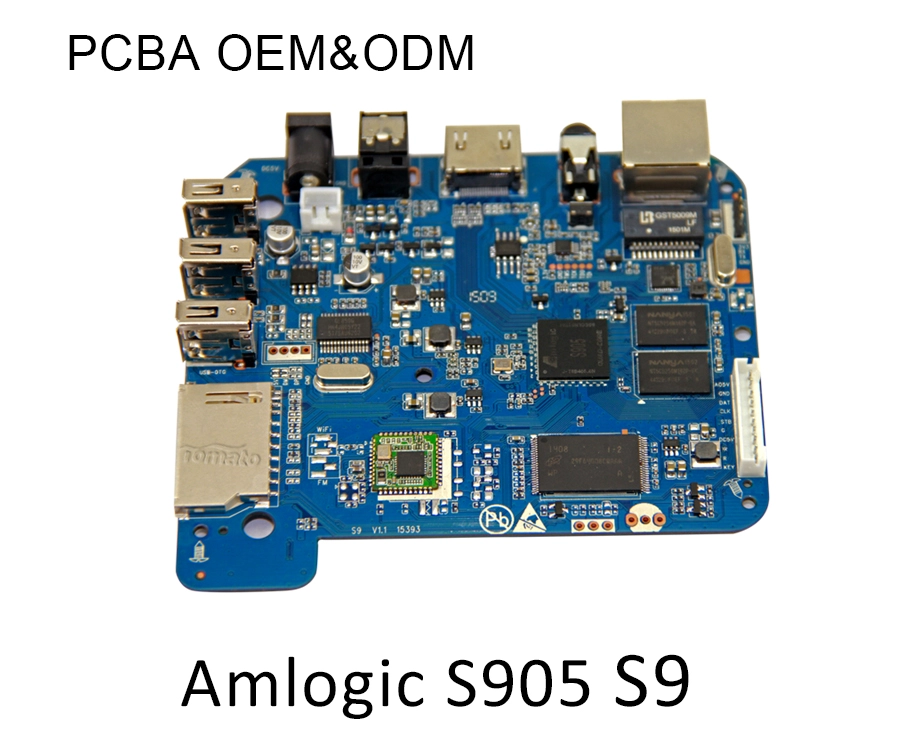
2. PCBA Engineering: Designing for High-Uptime Environments
Standard retail media sticks are typically built on compact, high-density circuit board layouts designed for intermittent consumer use. When deployed into unventilated commercial enclosures or harsh industrial environments, these devices frequently experience thermal throttling, memory errors, and physical component failures.
Commercial-grade hardware engineering resolves these issues at the component level:
-
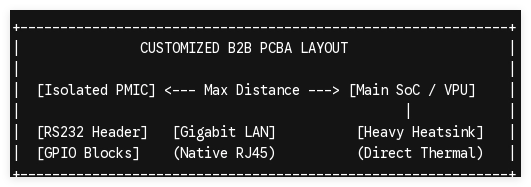
Thermal Management: To ensure reliable continuous operation, commercial devices use oversized extruded aluminum heat sinks or active PWM-controlled low-profile fans. Thermal pads bridge the SoC directly to a metal chassis, turning the entire outer surface into a heat spreader. The PCBA layout is also designed to separate the Power Management IC (PMIC) from the main processor, preventing localized thermal stress.
-
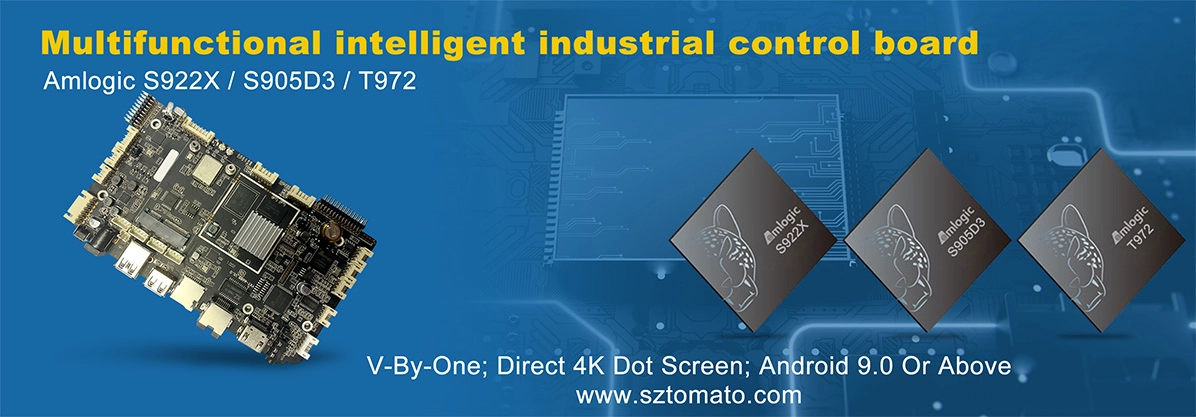
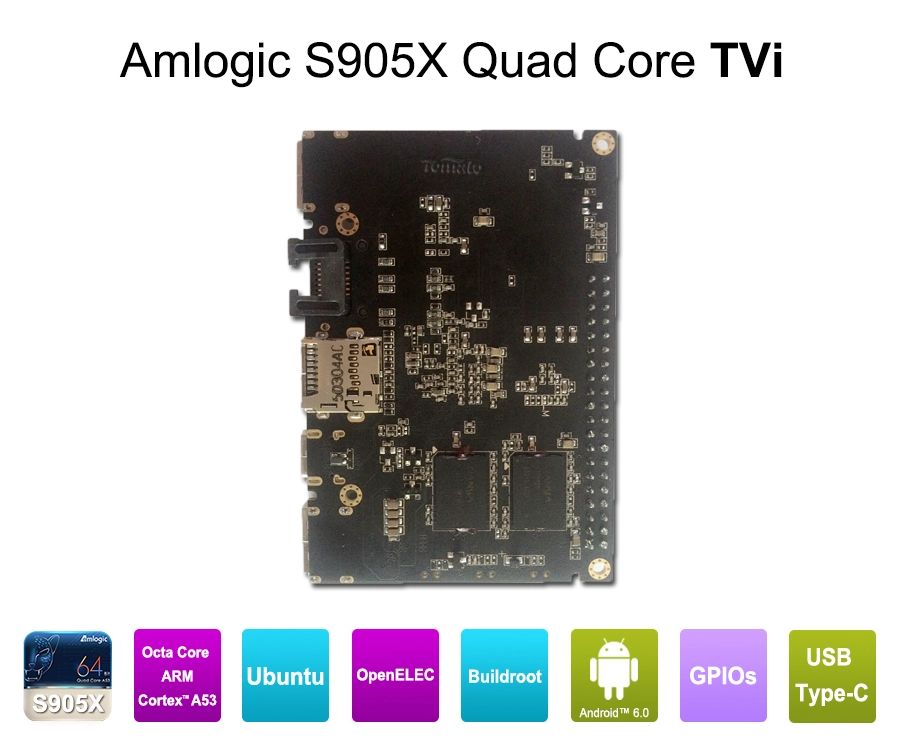
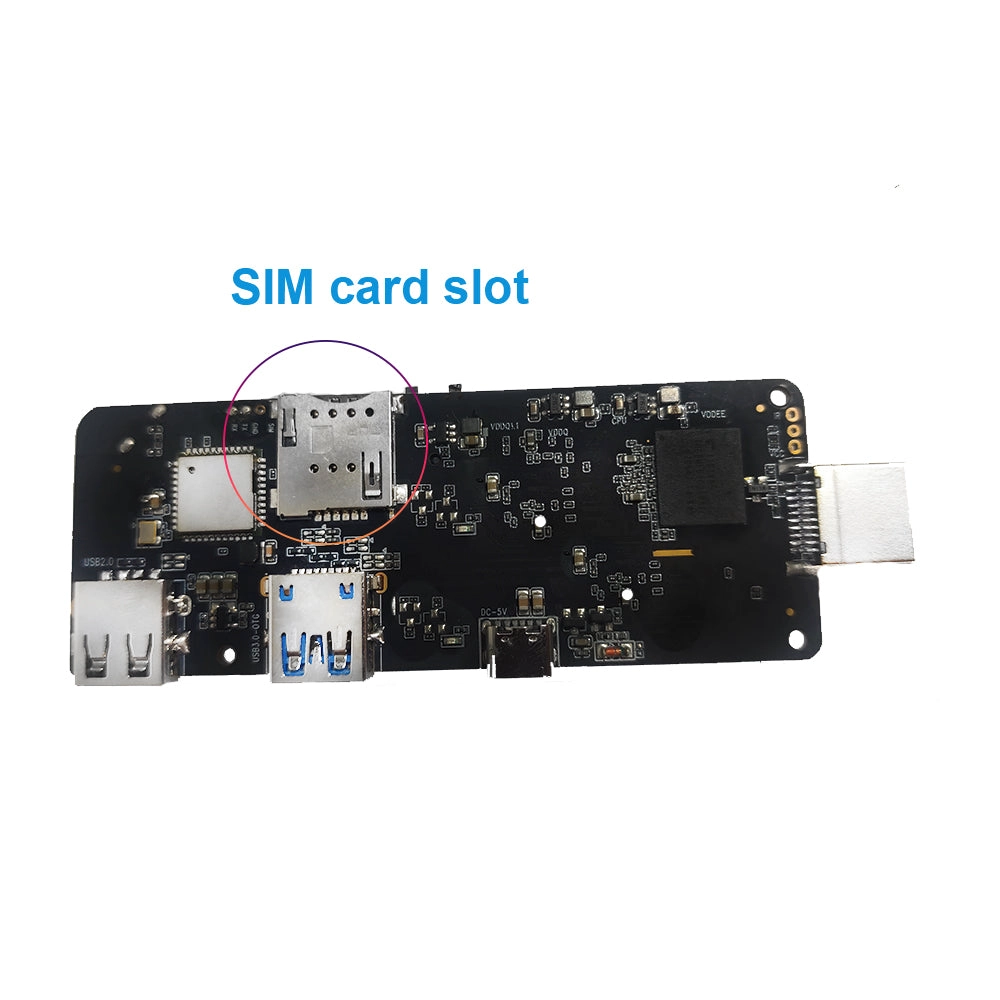
Custom Interface Engineering: Commercial applications require a variety of physical interfaces. Custom PCBA modifications allow the integration of native RS232 serial blocks for legacy hardware control, GPIO headers for external sensors or trigger switches, and true Gigabit Ethernet (10/100/1000M) ports to eliminate network bottlenecks.
-
Electrical Reliability: B2B motherboards are designed with thick, multi-layer copper planes, dedicated ESD protection diodes on all I/O lanes, and reliable solid-state capacitors. This protects the device against voltage fluctuations and electromagnetic interference common in industrial settings.
3. Firmware Lockdowns: Securing the Kernel and Operating System
A major challenge for enterprise deployments is software fragmentation and device vulnerability. If field endpoints are left unsecured, end-users can disrupt operational software, alter configuration settings, or introduce security issues.
Securing these endpoints requires low-level firmware customization and kernel-level optimizations:
Advanced Kiosk Mode & Custom UI
By replacing the standard consumer Android launcher with a hard-coded, custom user interface, the device can be configured to boot directly into a specific application immediately upon receiving power. This deep integration hides system settings, blocks access to the underlying OS file systems, and disables default navigation bars, preventing unauthorized interaction.
Kernel-Level Adjustments
Modifying the Linux/Android kernel allows engineering teams to strip out unnecessary background processes, consumer bloatware, and unused wireless drivers. This reduces the operating system's overall footprint, improves RAM allocation, and lowers boot times.
Crucially, teams can configure an independent hardware watchdog timer at the kernel level. If the primary application stops responding or crashes due to environmental or network factors, the watchdog triggers a hard system reset, restoring normal operation without requiring on-site technical support.
Secure Update Infrastructure
Managing firmware variations across thousands of field deployments requires a private, managed Over-The-Air (OTA) update system. Rather than using public distribution networks, enterprise setups deploy dedicated delta-update systems. This allows administrators to test, target, and silently deploy custom firmware updates, security patches, and application upgrades to specific device clusters without interrupting day-to-day operations.
4. Custom Hardware Solutions for Enterprise Deployments
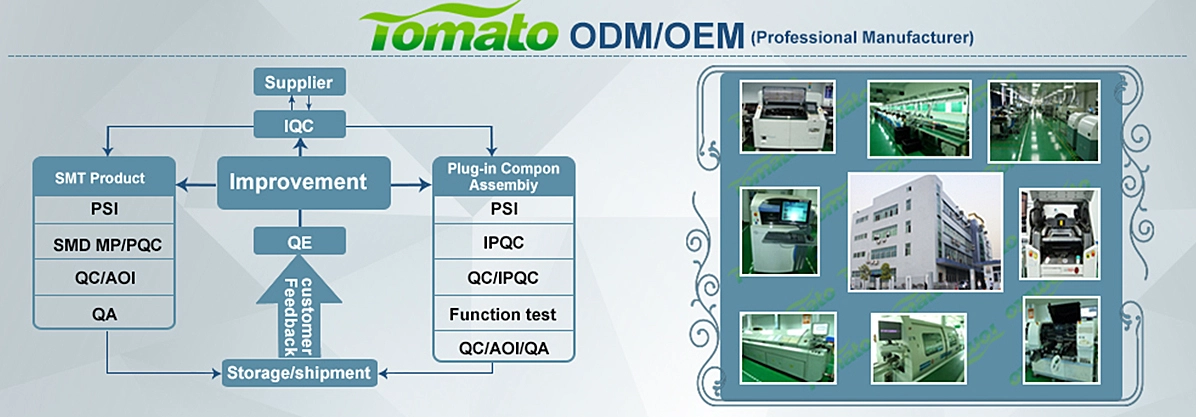
At SZTomato, we design and manufacture high-reliability, custom-engineered ARM edge devices tailored to specific project requirements. We focus exclusively on commercial customization, avoiding generic retail solutions to deliver the hardware control and software stability required by modern system integrators.
Our engineering services cover every stage of commercial integration:
- Custom PCBA Development: We design custom circuit board layouts to fit specialized form factors, modify physical connection arrays (including dual HDMI outputs or specialized inputs), and integrate durable components rated for industrial temperature ranges.
-
Deep SDK & Driver Customization: Our software team works directly with low-level Android and Linux SDKs to optimize video pipelines, expose specific hardware APIs, and resolve driver compatibility issues for custom external peripherals.
-
Firmware-Level Enforced Security: We build dedicated system images with locked bootloaders, permanent kiosk settings, and automated startup routines tailored to your specific deployment needs.
-
Advanced Thermal Design: We develop specialized passive and active cooling solutions to keep internal hardware within safe operational limits, ensuring long-term reliability in high-uptime environments.
Optimize Your Hardware Architecture
Relying on off-the-shelf consumer hardware introduces long-term operational risks to commercial networks.
Contact the Engineering Team at SZTomato today to discuss your technical specifications. Whether your project requires initial PCBA prototyping, low-level firmware engineering, or large-scale, quality-controlled manufacturing, our team provides the technical expertise and hardware solutions needed to secure and stabilize your edge infrastructure.
