
What is Streaming Media Player better than Roku?
What Streaming Media Player is Better Than Roku? The B2B Architecture Analysis
The commercial streaming space faces a critical hardware constraint: the industry-wide mandate for native AV1 codec acceleration and strict HDCP 2.3 DRM compliance. In this high-security, high-bitrate market, consumer-facing systems like Roku present significant obstacles for B2B applications. While Roku excels in domestic retail environments due to its simple interface, its locked operating system (Roku OS), restricted BrightScript development environment, and complete lack of hardware customization make it unsuitable for commercial IPTV operators, hospitality networks, and digital signage system integrators.
To achieve long-term field stability, automated boot control, and complete peripheral integration, commercial deployments require an un-throttled, open-architecture streaming media player built on dedicated ARM silicon.
1. Silicon & Processing: Overcoming the Limitations of Closed Consumer Hardware
At the enterprise level, a streaming media player acts as a critical edge node responsible for continuous decoding, decryption, and rendering of managed data streams. Consumer platforms restrict hardware configuration options, whereas an open-architecture B2B media player allows engineers to match the processing core directly to the target workload.
Advanced Processing Architecture
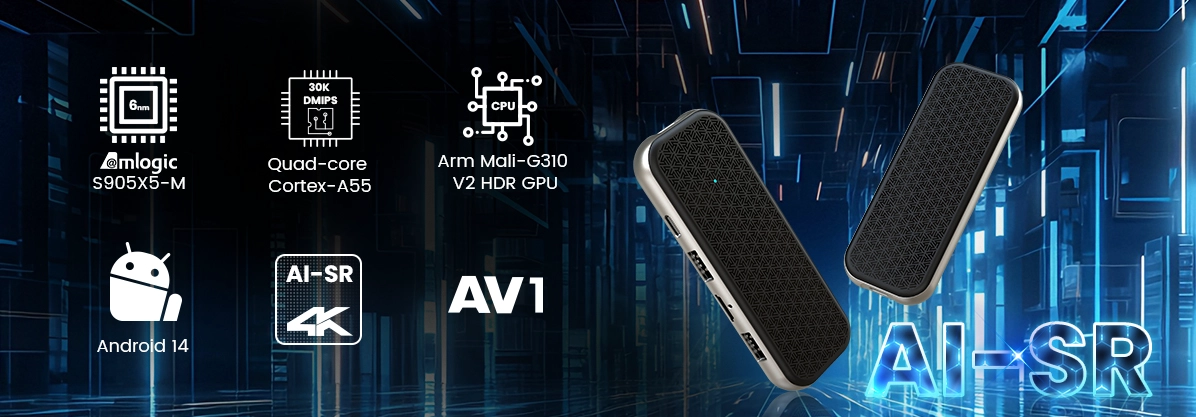
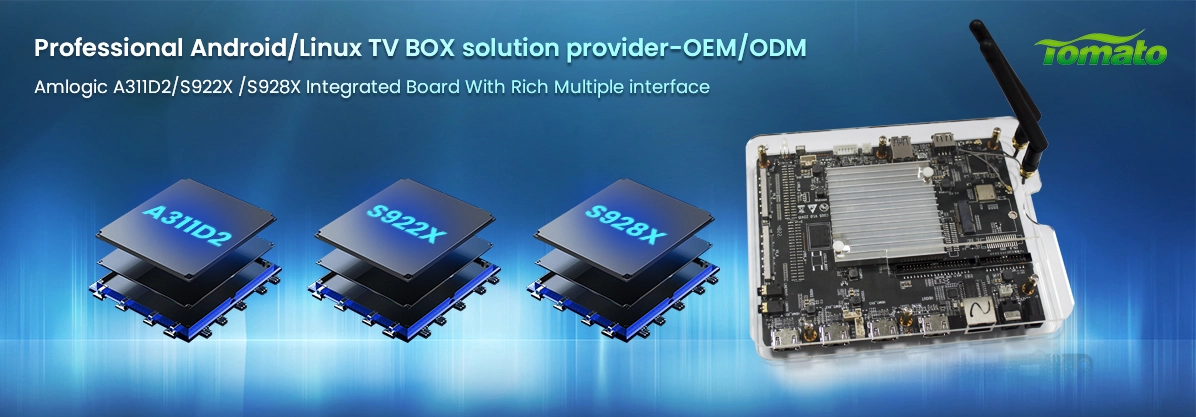
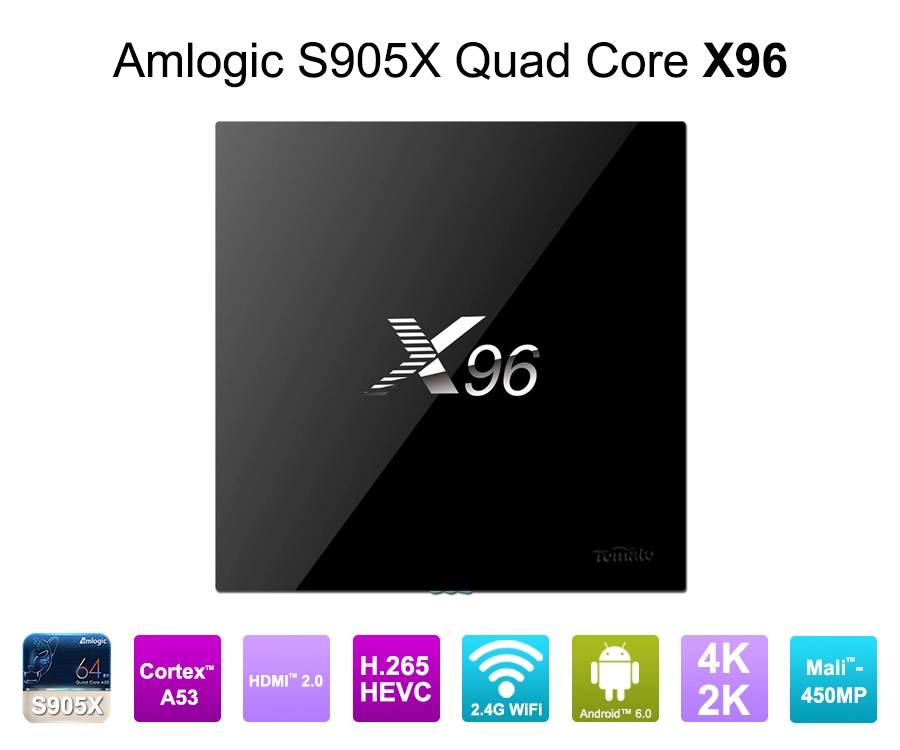
B2B media players utilize high-throughput chipsets—such as the Amlogic S905X4 or the octa-core Amlogic S928X. The S928X features an advanced big.LITTLE configuration (ARM Cortex-A76 and Cortex-A55 cores) paired with a high-performance ARM Mali-G57 MC2 GPU. This silicon foundation delivers the raw processing power needed to handle complex UI rendering alongside concurrent data processing layers.
Dedicated Video Processing Units (VPU)
Unlike software-bound systems that encounter performance bottlenecks during extended usage, professional hardware leverages specialized VPUs for line-rate video decoding. This includes full hardware-level acceleration for:
-
AV1 Decoding: Handles 4K and 8K streams at 60fps, cutting bandwidth consumption by up to 30% compared to legacy H.264/HEVC formats.
-
Color Spaces & HDR: Provides native support for BT.2020 color profiles, Dolby Vision, and HDR10+ metadata processing without generating CPU overhead.
-
Low-Latency Streaming: Enables direct, hardware-accelerated processing of low-latency streaming protocols (such as SRT and UDP Multicast), bypassing the operational delays common in retail app layers.
2. PCBA Customization: Designing for Continuous Commercial Operation
Consumer streaming sticks are engineered for intermittent domestic use, relying on compact, high-density layouts that trap heat. Deploying these retail devices into unventilated commercial enclosures or 24/7 industrial frameworks leads to severe thermal throttling, frame drops, and component degradation.
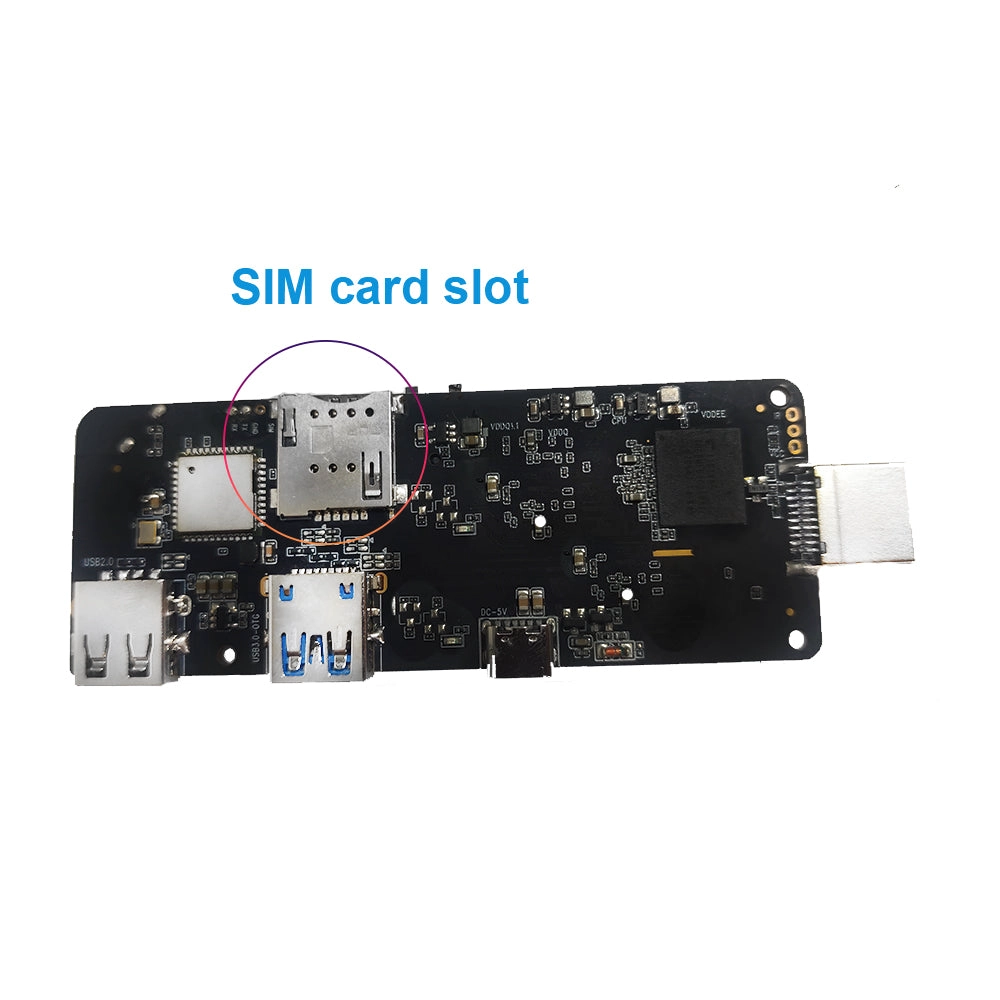
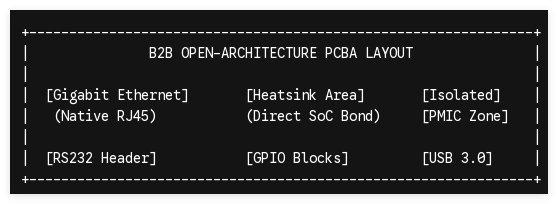
A professional streaming media player mitigates these failures through custom printed circuit board assembly (PCBA) design:
-
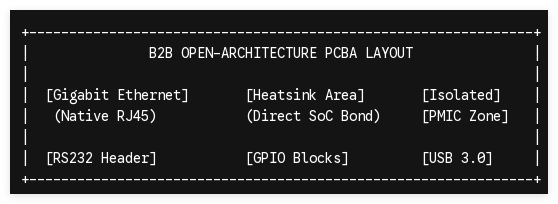
Thermal Regulation: Industrial configurations separate the Power Management IC (PMIC) from the main SoC to prevent heat concentration. Large, custom-fit aluminum heat sinks are physically bonded to the processing elements, ensuring the device remains within safe operating temperatures under continuous, maximum video workloads.
-
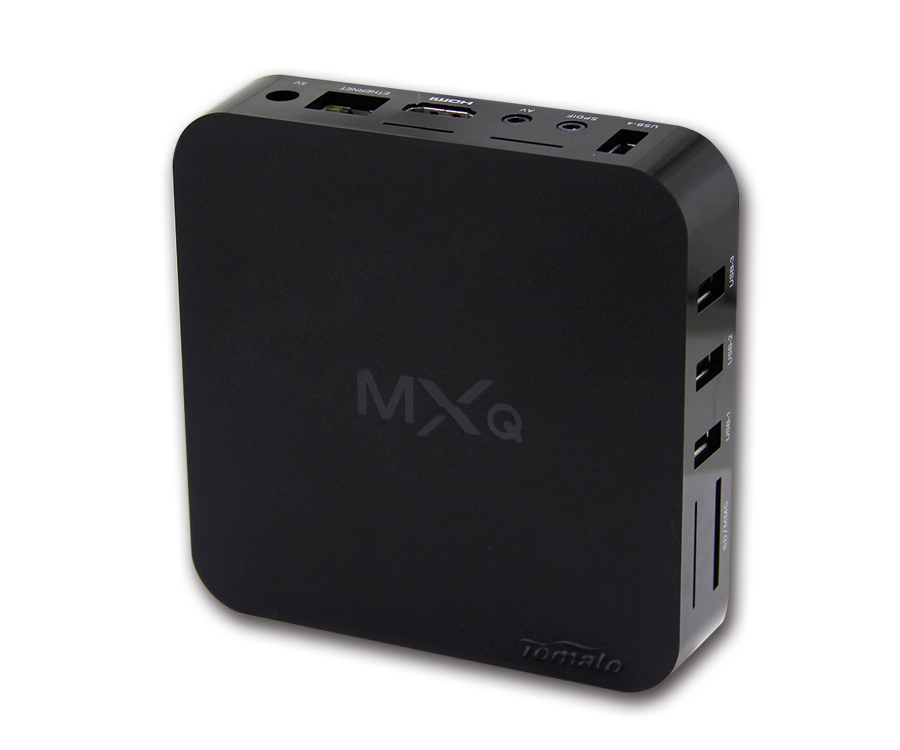
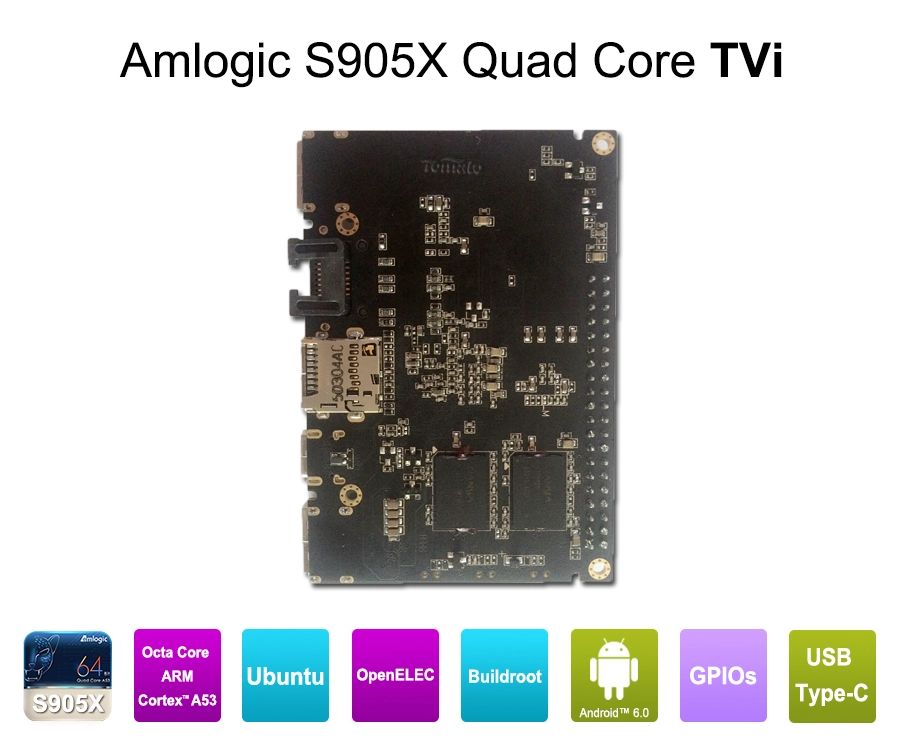
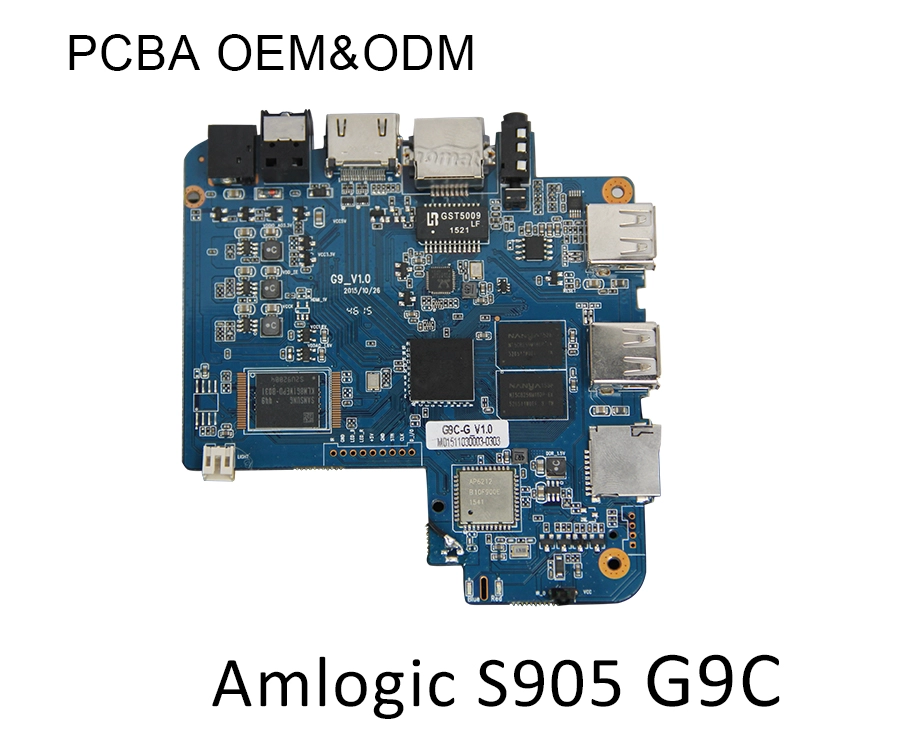
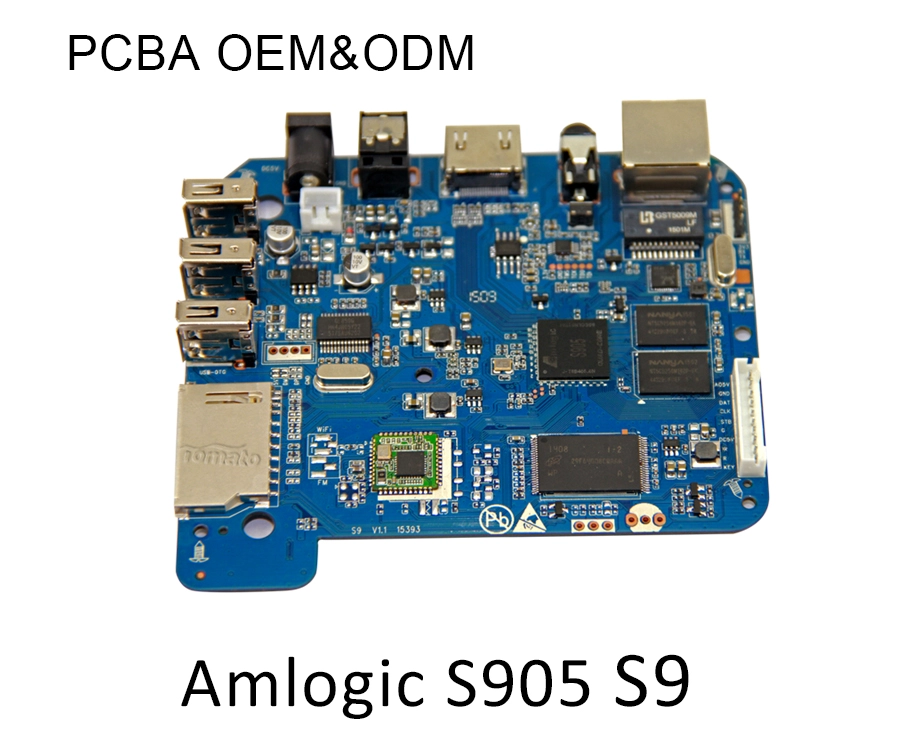
Peripheral Connectivity: Industrial layouts include essential physical interfaces absent on retail sticks, such as native Gigabit Ethernet (10/100/1000M) for high-bitrate UDP streaming, dedicated RS232 serial interfaces for automated display integration, and multi-pin GPIO blocks for external sensor arrays.
-
Circuit Protection: B2B motherboards utilize multi-layer copper layouts featuring robust ESD protection diodes on all interface lines and premium solid-state capacitors. This prevents system crashes caused by ground loops and electrical interference in industrial environments.
3. Firmware Control: Securing the Device and Managing Updates
Roku maintains strict control over its operating system, locking down the bootloader and enforcing specific application certification requirements. For system integrators, this closed ecosystem prevents essential deep-level system adjustments. In contrast, an open Linux or AOSP (Android Open Source Project) streaming media player allows complete access for kernel-level optimization.
OS Reduction & Hardened Kiosk Mode
By stripping out unnecessary consumer components and wireless device drivers, engineers can minimize the operating system footprint. This reduces background resource consumption, speeds up system initialization, and secures the device against external vulnerabilities.
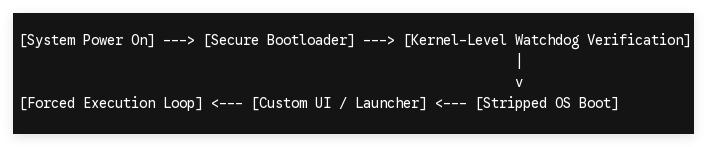
Integrators can replace the default consumer interface with a custom, locked UI that launches the primary IPTV or signage application immediately upon receiving power, blocking user access to underlying configuration submenus.
Low-Level Hardware Integration
Operating at the kernel level gives developers direct programmatic control over specific hardware functions:
-
Watchdog Timers: Configures an independent, hardware-level watchdog timer that monitors application responsiveness. If the primary software loop freezes, the watchdog executes an automated system reboot without requiring manual intervention.
-
Display Synchronization: Provides custom API commands to control physical display behavior, including forcing hardware portrait orientation or managing HDMI CEC power distribution states remotely.
Managed Firmware Update Systems
Commercial operations cannot rely on automatic public updates that risk breaking software compatibility in the field. B2B deployments utilize private Over-The-Air (OTA) update servers. This framework enables administrators to test updates thoroughly, schedule rolling system updates, and silently deploy custom firmware changes to targeted device groups without interrupting service.
4. Engineering Custom Enterprise Hardware Architectures
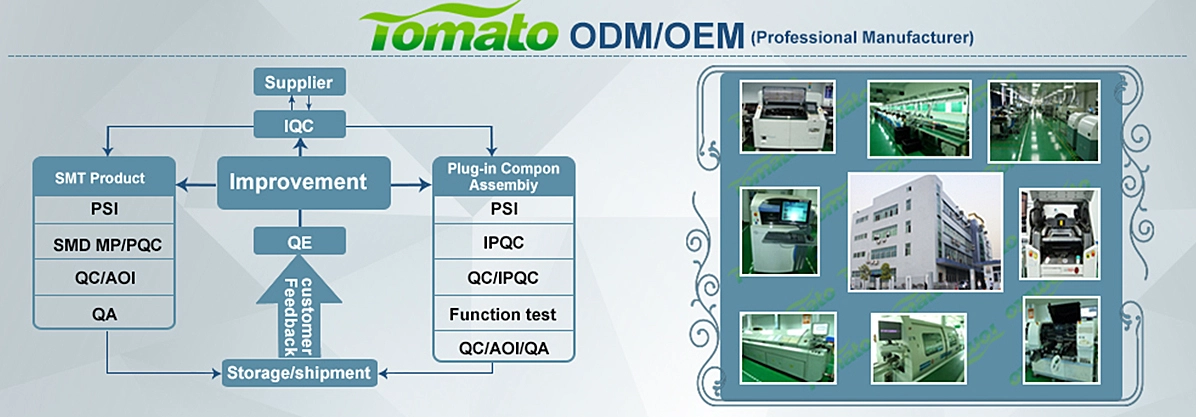
At SZTomato, we design and manufacture high-reliability, custom-engineered hardware platforms tailored specifically for commercial streaming infrastructures. We bypass the limitations of locked consumer ecosystems, delivering the precise hardware flexibility and deep firmware control required by modern system integrators.
Our comprehensive design and production capabilities support every stage of enterprise deployment:
-
Bespoke PCBA Engineering: We modify physical circuit layouts to fit specialized equipment chassis, add custom I/O connection arrays, and source high-durability components certified for industrial operation.
-
Deep SDK and API Access: Our engineering team works directly at the source-code level to optimize video processing pipelines, integrate specialized DRM libraries, and resolve low-level driver conflicts for custom external peripherals.
-
Secure OS Customization: We build dedicated system images featuring secure boot operations, branded user interfaces, and permanent kiosk locks tailored to your service guidelines.
-
Advanced Thermal Prototyping: We engineer specialized passive and active cooling configurations to maintain structural reliability during continuous, high-load operations.
Optimize Your Sourcing Architecture
Relying on closed retail devices introduces severe operational risks and technical bottlenecks to enterprise networks.
Contact the Engineering Team at SZTomato today to submit your product requirements. Let our engineering team deliver the customized PCBA layouts, secure operating system images, and scalable manufacturing resources required to power your commercial network infrastructure.
