

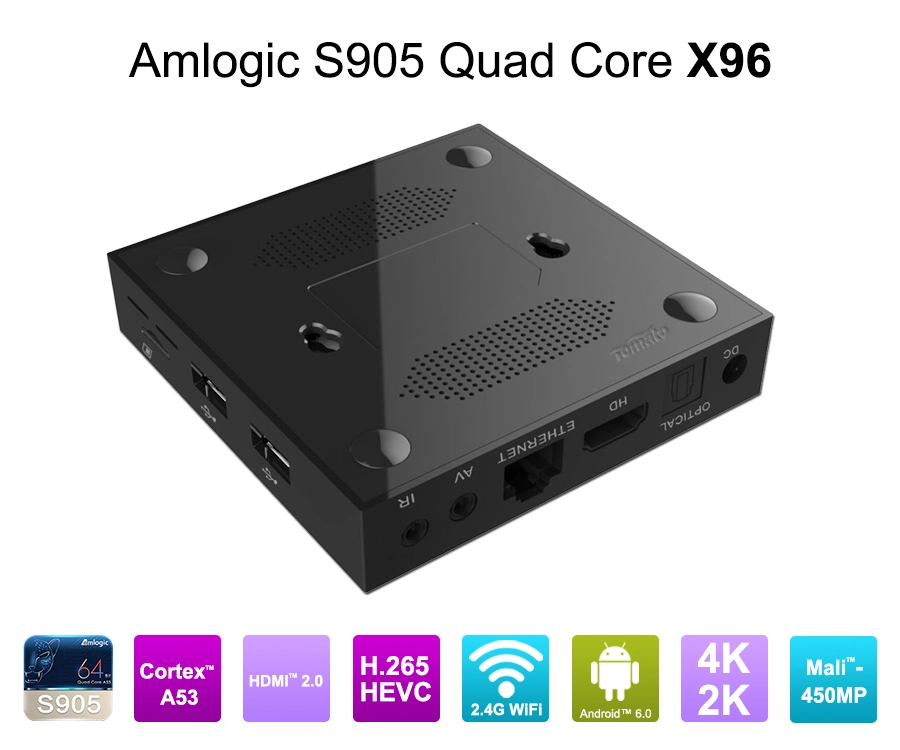
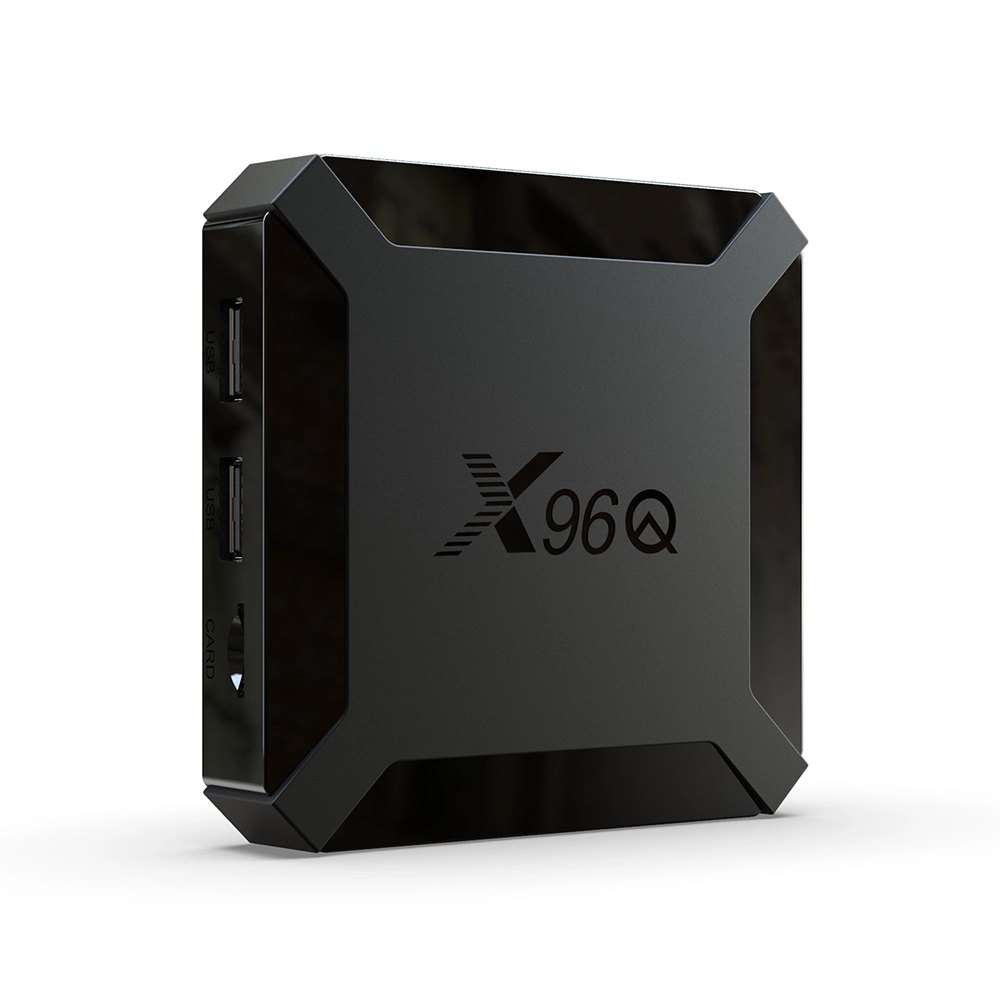
What is the Internet TV Box in IPTV?
What is the Internet TV Box in IPTV? Enterprise Architecture & Hardware Customization Guide
The global IPTV market has shifted decisively toward hardware-accelerated AV1 codec adoption and rigorous HDCP 2.3 DRM enforcement. In this technical climate, a commercial Internet TV box is no longer a simple retail media streamer. For B2B procurement managers, telecom operators, and system integrators, it serves as the critical hardware endpoint that bridges the gap between raw IP multicast/unicast streams and high-fidelity display panels.
Deploying a commercial-grade IPTV network requires a deep understanding of how these edge devices handle hardware decoding, firmware-level security, and continuous runtime stability.
1. The Core Architecture: How an Internet TV Box Operates Within IPTV Ecosystems
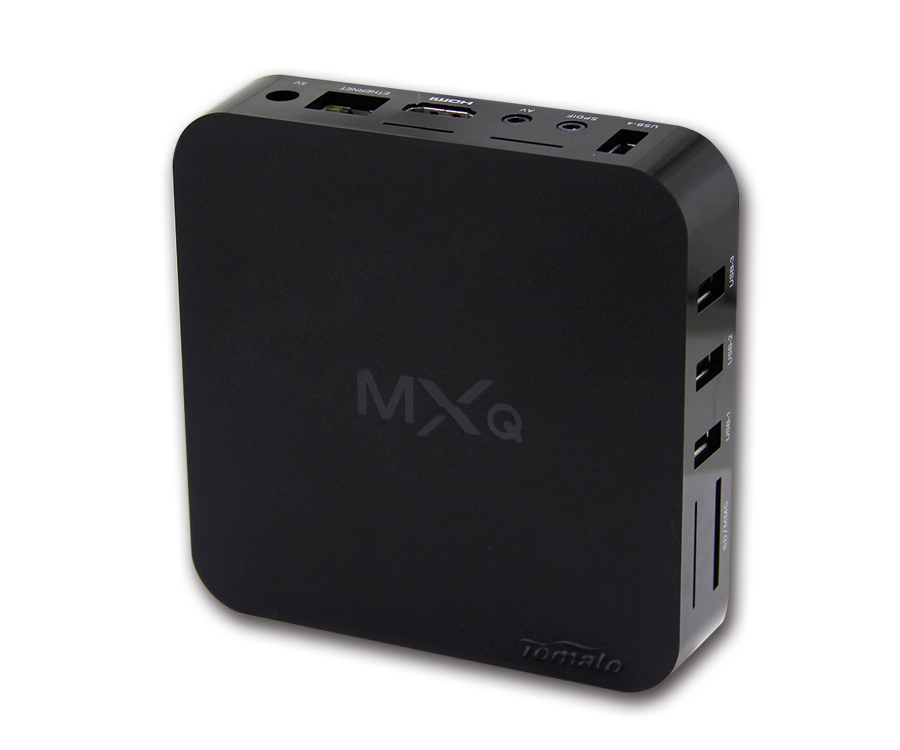
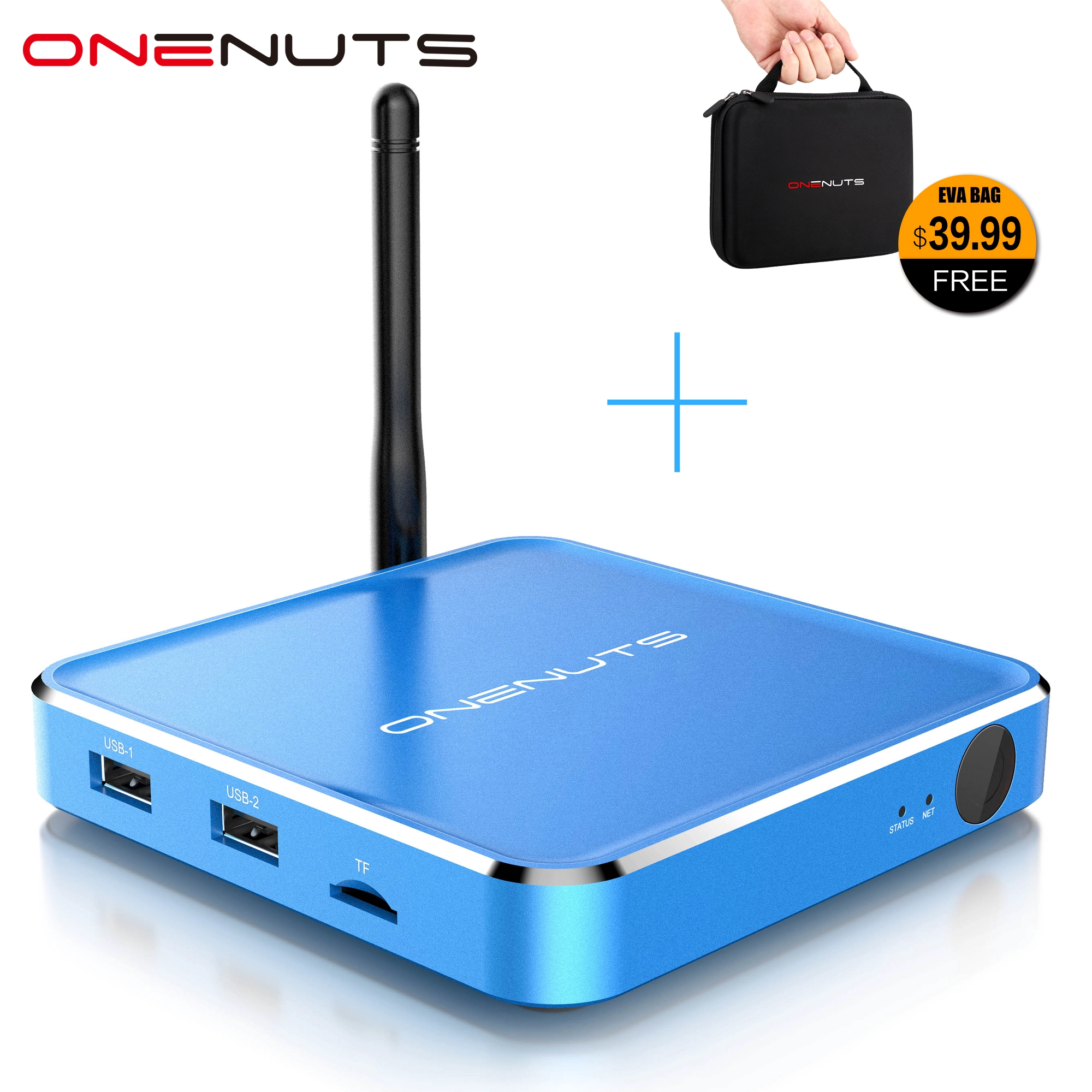
At the enterprise level, an Internet TV box functions as a specialized, low-latency decoding node. Unlike consumer devices built for varying app store downloads, a commercial IPTV box is engineered for fixed-purpose, high-uptime rendering of managed video streams.
[IPTV Headend / Middleware] ---> [Managed IP Network (Multicast/Unicast)] ---> [Internet TV Box (Edge Node)] ---> [Display Panel]
                                                                                     |
                                                                          (Hardware AV1/HEVC Decoding)
                                                                          (Kernel-Level DRM Verification)
The device ingests transport streams (typically HLS, MPEG-DASH, or SRT) over a secure local network or WAN. The processing lifecycle inside the device follows a strict hardware path:
-
Ingest & Demuxing: The network interface controller (NIC)—preferably gigabit Ethernet for commercial deployments—receives the IP packets. The system demultiplexes the transport stream at the system-on-chip (SoC) level.
-
Hardware Decoding: The video stream bypasses the Android runtime environment entirely, routing directly to the chip's dedicated hardware video decoder (VPU). Processing 4K streams at 60 frames per second requires hardware-level decoding for HEVC (H.265) and AV1 to minimize CPU overhead and thermal throttling.
-
Security & Rendering: The decoded frames pass through the hardware-enforced Trusted Execution Environment (TEE) to verify Widevine L1 or PlayReady DRM licenses before the system outputs the signal via the HDMI transmitter to the display panel.
2. Silicon and Circuits: Why Consumer Hardware Fails the Commercial Test
Procuring generic retail hardware for large-scale IPTV or digital signage rollouts introduces significant operational risks. Consumer sticks lack the thermal management, component longevity, and hardware interfaces required for 24/7 continuous operation.
Component-Level Comparison: Commercial vs. Retail
| Technical Variable | Consumer Retail Streaming Sticks | Commercial OEM/ODM Internet TV Box |
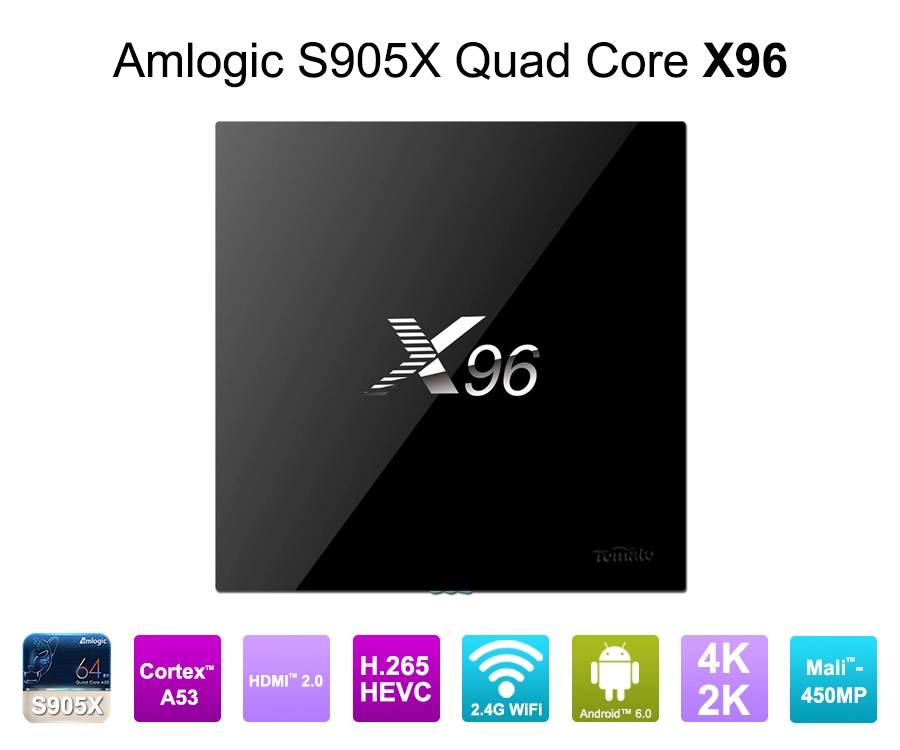
| SoC Architecture | Low-cost quad-core processors optimized for burst usage. | High-throughput chipsets (e.g., Amlogic S905X4 or S928X) designed for continuous thermal stability. |
| Network Interfaces | Wi-Fi reliant; compressed or omitted RJ45 Ethernet ports. | Native Gigabit Ethernet (10/100/1000M) ports for lossless UDP multicast ingest. |
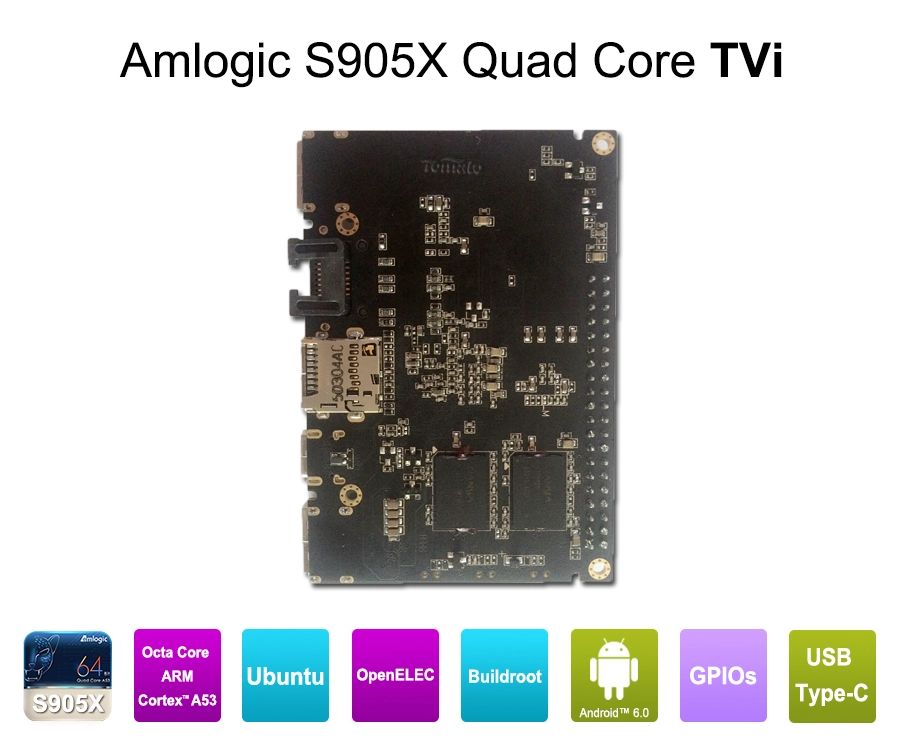
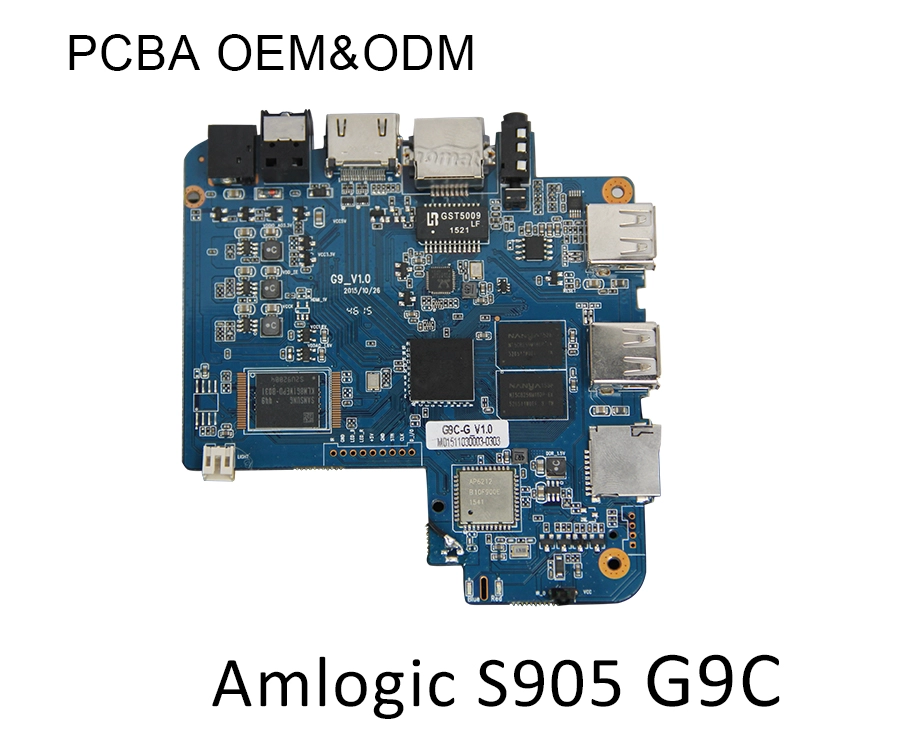
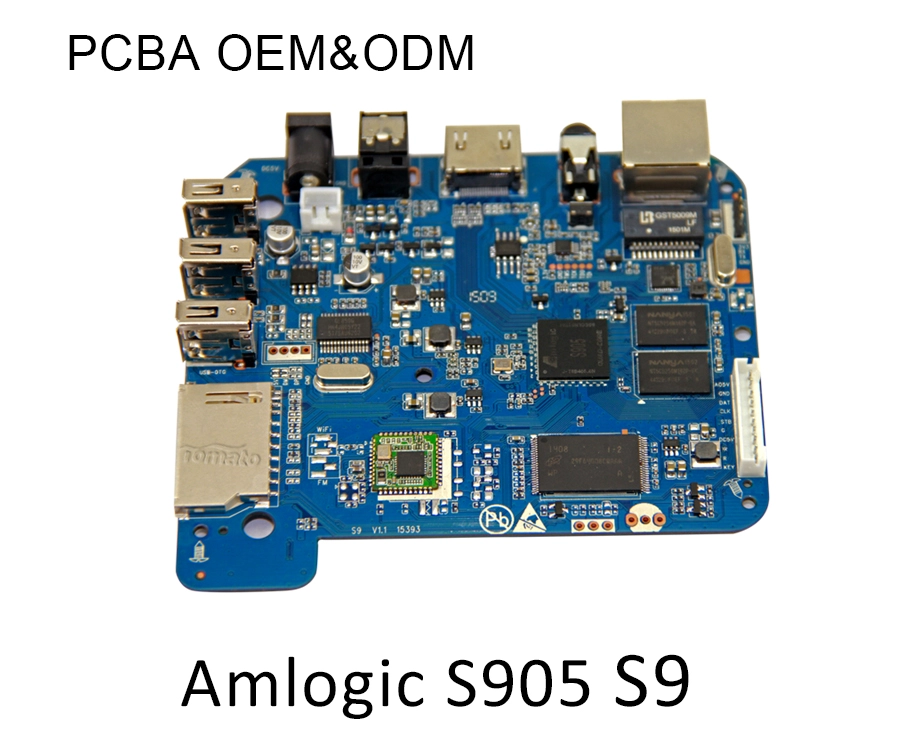
| PCBA Engineering | High-density, minimal-footprint layouts with passive, thin-film cooling. | Customized PCBA layouts featuring expanded ground planes, dedicated ESD protection, and heavy-duty aluminum heat sinks. |
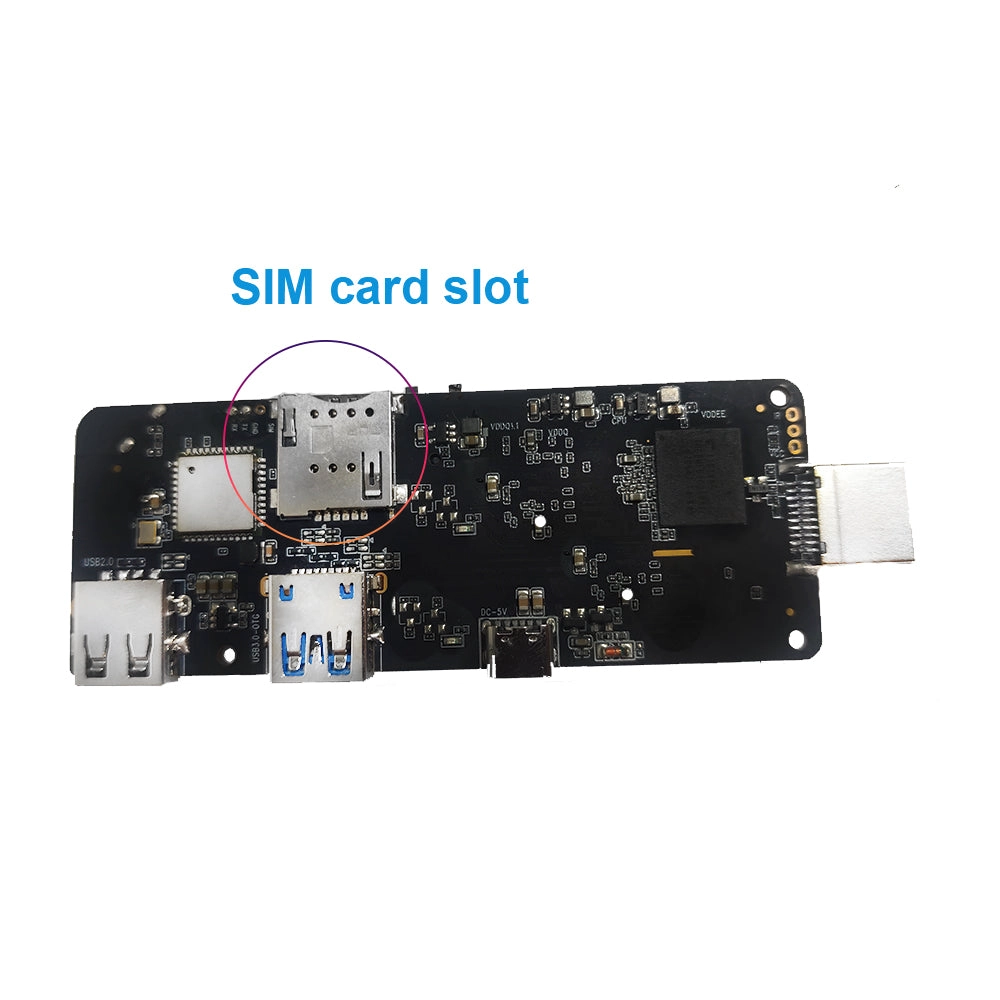
| I/O Peripheral Support | Single USB-C port restricted to power supply delivery. | Multiple USB 3.0 ports, RS232 serial control blocks, and GPIO headers for industrial automation. |
The Thermal Realities of Continuous Playback
When a device runs high-bitrate 4K content indefinitely, internal junction temperatures on the SoC spike. Consumer units experience thermal throttling, which drops frame rates and causes kernel panics.
Commercial hardware engineering mitigates this by designing bespoke, heavy-duty aluminum heat sinks and optimizing the PCBA layout to isolate high-heat components like the VPU and PMIC (Power Management IC). This keeps operating temperatures well within safe limits, even inside unventilated digital signage enclosures.
3. Firmware Customization: Securing the Bootloader and Optimizing the Kernel
For true enterprise deployment, the underlying software architecture requires deep, firmware-level customization. System integrators cannot risk field deployments where an end-user can alter device settings, access the underlying Android operating system, or disrupt the primary application loop.
[Secured Bootloader] ---> [Linux/Android Kernel Optimization] ---> [Custom UI / Locked Launcher] ---> [Monitored IPTV App]
                                      |                                                                     ^
                                      +-----------------------> [Hardware Watchdog Timer] ------------------+
Kernel Optimization and Android Customization
B2B deployments require access to the Android Open Source Project (AOSP) or Linux SDKs to strip out unnecessary consumer bloatware. This reduces the overall operating system footprint, optimizes RAM utilization, and accelerates boot times.
Key firmware modifications include:
-
Custom Launcher & Kiosk Mode: The stock Android user interface is replaced with a hard-coded, custom UI/UX launcher. Upon power delivery, the device boots directly into the operator's proprietary IPTV application, completely blocking access to system settings or third-party app stores.
-
System-Level API Extensions: Exposing specialized APIs at the firmware level allows integrators to programmatically control hardware features, such as cycling HDMI power states, forcing hardware screen rotation (portrait mode for digital signage), or reading local storage blocks directly.
-
Hardware Watchdog Configuration: A kernel-level watchdog monitor tracks the primary application's heartbeat. If the IPTV application freezes or crashes due to network instability, the system triggers a hardware-level reset to restore operations without manual on-site troubleshooting.
Enterprise Update Infrastructure
Deploying thousands of edge endpoints requires a robust, private Over-The-Air (OTA) update system. Rather than relying on public servers, commercial deployments utilize dedicated delta-update servers. This allows operators to push silent firmware patches, kernel upgrades, and security definitions to specific device groups, ensuring total control over system stability.
4. Engineering Enterprise IPTV Hardware Solutions
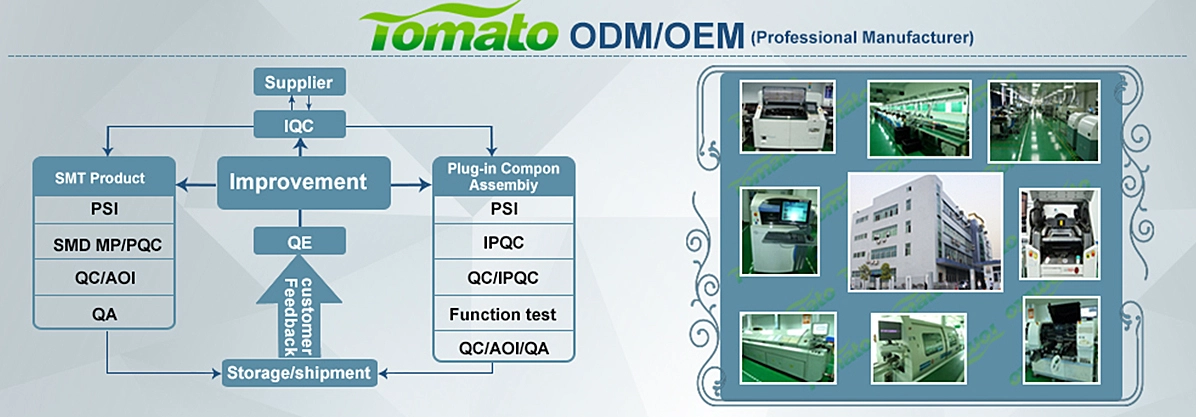
At SZTomato, we understand that successful commercial IPTV implementations are built on custom-engineered hardware and low-level software control. We do not provide generic retail boxes; instead, we partner with system integrators, telecom operators, and enterprise clients to manufacture high-reliability, tailored streaming infrastructure.
Our engineering capabilities address every stage of the product lifecycle:
-
Bespoke PCBA Layout & Engineering: We modify physical circuit boards to fit custom enclosures, add specialized I/O interfaces like RS232 or GPIO, and integrate industrial-grade components designed for long-term reliability.
-
Deep SDK and API Integration: Our engineering team works directly at the source-code level to expose hardware features, optimize video decoding pipelines, and integrate specialized media playback engines.
-
Firmware-Enforced Lockdowns: We create dedicated, branded operating system images that feature hard-coded launchers, secure boot processes, and automated Kiosk modes tailored to your deployment requirements.
-
Advanced Thermal Management: We design custom thermal systems using specialized heat sinks and airflow-optimized enclosures to ensure consistent performance in demanding commercial environments.
Optimize Your Streaming Infrastructure
Whether you are upgrading an existing hospitality IPTV network, building a multi-node digital signage deployment, or launching a telecom-grade OTT platform, consumer-grade hardware is a liability.
Contact the Engineering Team at SZTomato today to review your project specifications. Let our team deliver the customized PCBA prototypes, secure firmware images, and scalable manufacturing resources required to power your network infrastructure.
