
What exactly does a Google TV Box?
What Exactly Does a Google TV Box Do? An Enterprise Architecture Guide
The global shift toward the AV1 video codec and the deprecation of legacy streaming formats have forced a fundamental re-evaluation of commercial media player hardware. In corporate, hospitality, and digital signage deployments, a Google TV Box is frequently misunderstood as merely an interface upgrade over standard Android Open Source Project (AOSP) layers.
In an enterprise environment, a Google TV Box functions as an optimized media gateway. It bridges Google’s content aggregation layer and certified applications with underlying hardware capabilities like hardware-accelerated video decoding, High-bandwidth Digital Content Protection (HDCP), and secure digital rights management (DRM) pipelines.
For B2B procurement managers and system integrators, deploying these devices requires analyzing the deep interplay between hardware layouts, kernel-level optimizations, and fleet management constraints.
1. Hardware-Accelerated Decoding and SoC Architecture
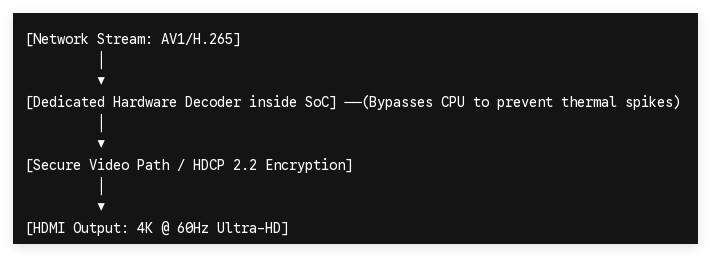
At its core, what a Google TV Box does is execute highly efficient, low-latency video decoding pipelines. Where generic media players rely on software rendering that taxes the CPU and causes thermal throttling, a professional-grade Google TV architecture uses dedicated hardware decoders embedded within the System-on-Chip (SoC).
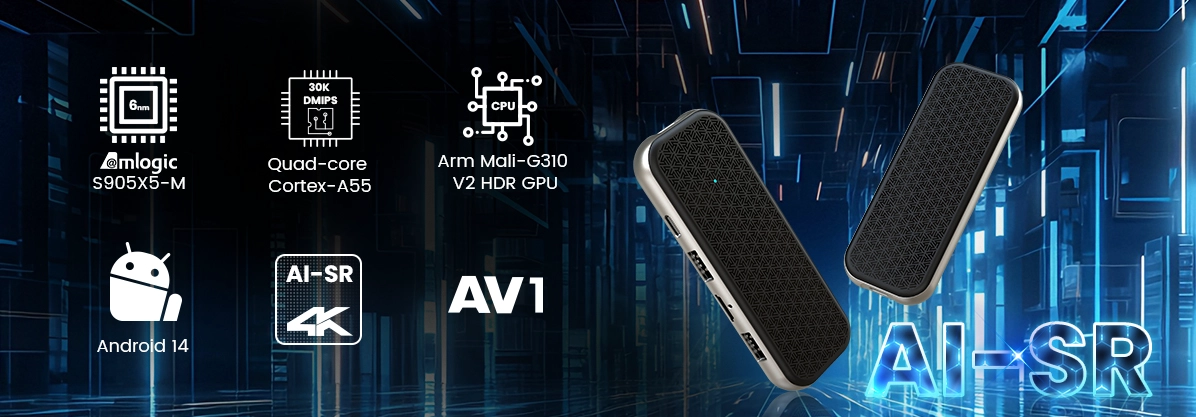
Modern commercial deployments increasingly mandate platforms like the Amlogic S905X4 or S905Y4, which feature native hardware decoding for the AV1 codec. AV1 provides up to a 30% reduction in bandwidth consumption compared to H.265 (HEVC) while maintaining identical visual fidelity at 4K resolutions.
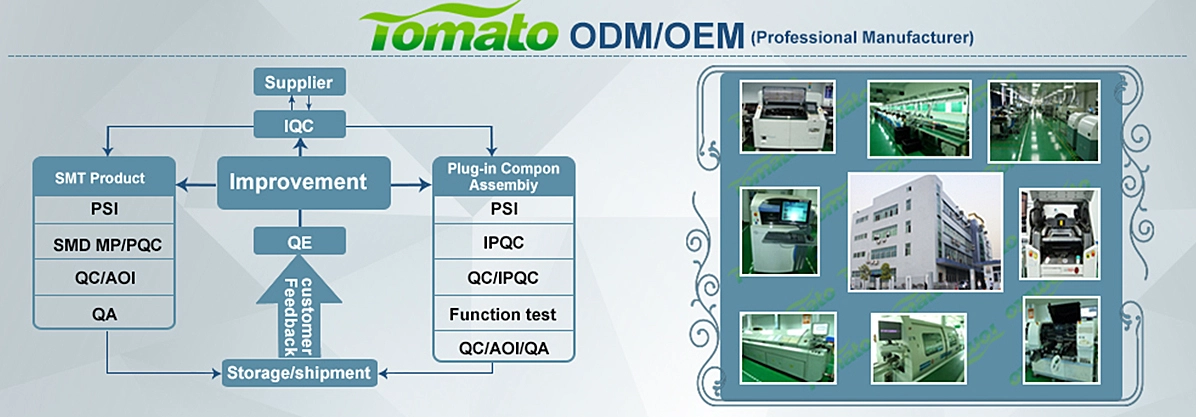
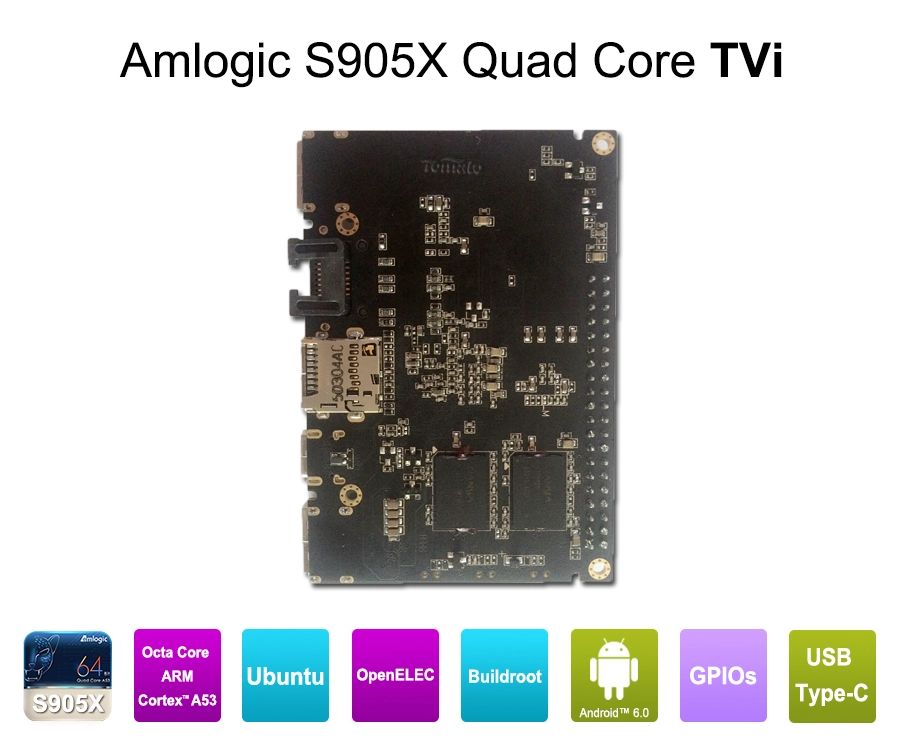
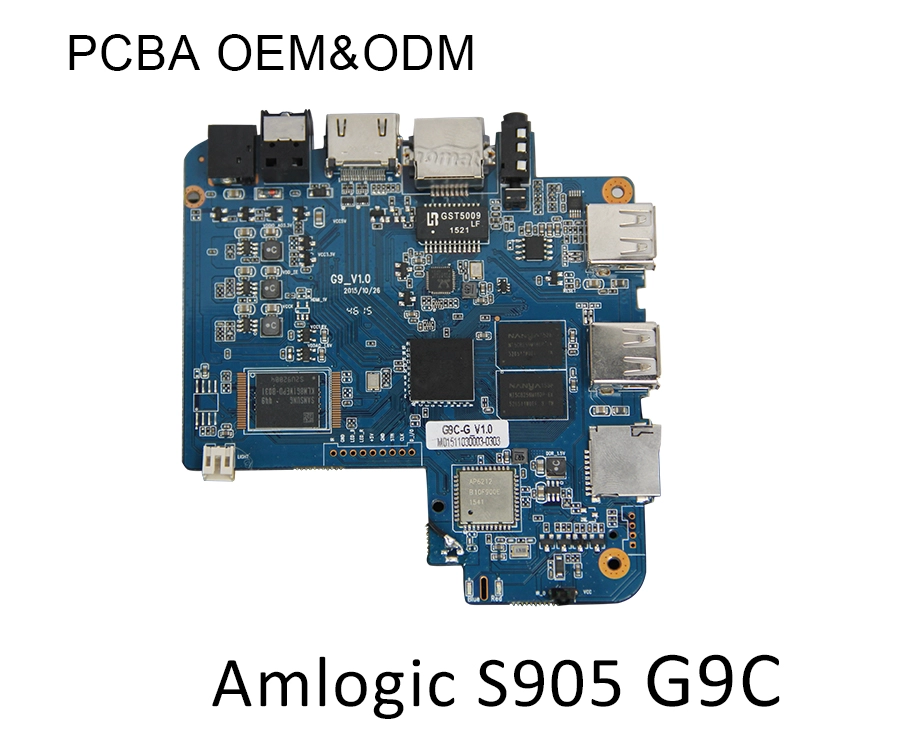
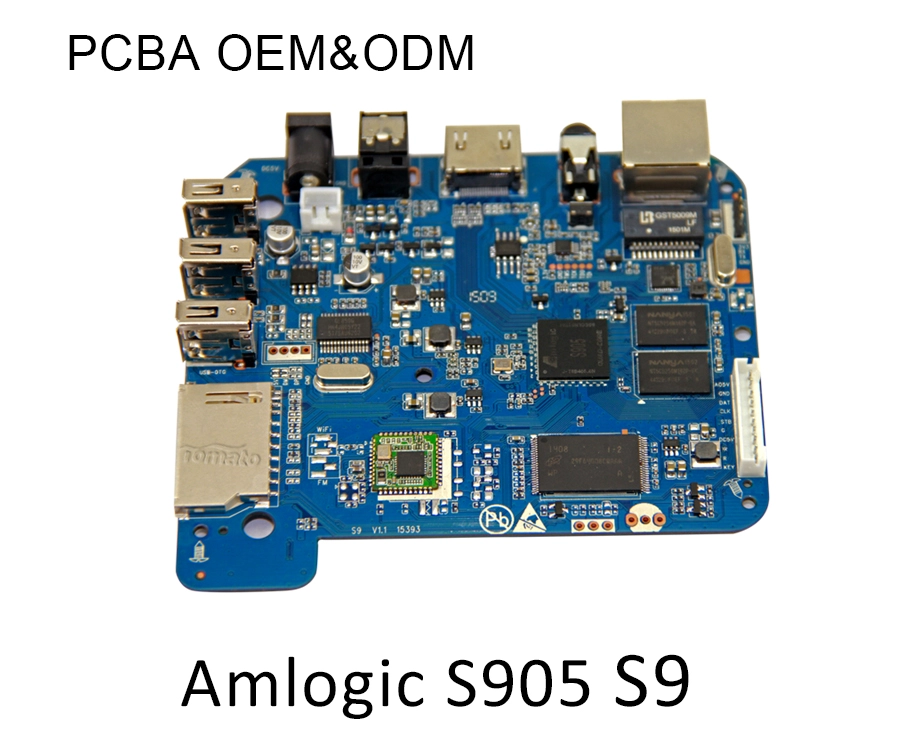
For hardware engineers, the printed circuit board assembly (PCBA) layout must be designed to manage these dense processing workloads without signal degradation. SZTomato addresses this constraint by engineering custom PCBA modifications that integrate specialized, passive aluminum heatsinks and optimized thermal pads directly onto the SoC. This ensures continuous 24/7/365 operation in poorly ventilated commercial environments, such as enclosed digital signage kiosks or behind-the-wall hospitality displays, without experiencing thermal degradation or clock-speed throttling.
2. Firmware-Level Engineering: Tailoring the OS for Commercial Enclosure
While consumer Google TV boxes boot directly into a personalized, content-heavy launcher, enterprise operations demand rigid control over the user interface (UI) and user experience (UX). Out-of-the-box consumer firmware lacks the security protocols and branding restrictions required by system integrators.
Through deep Android kernel and SDK-level customization, the standard behavior of the operating system can be fundamentally rewritten:
-
Custom Boot Animations & Logos: Replacing the standard Google logo with corporate or brand-specific assets directly inside the boot partition.
-
Persistent Custom Launchers: Modifying the system framework to force-boot into a proprietary digital signage application or customized hospitality IPTV portal, bypassing the consumer stock home screen entirely.
-
System Bar and Navigation Lockdown: Disabling status bars, navigation buttons, and physical hardware reset vulnerabilities via firmware modification to prevent unauthorized end-user tempering.
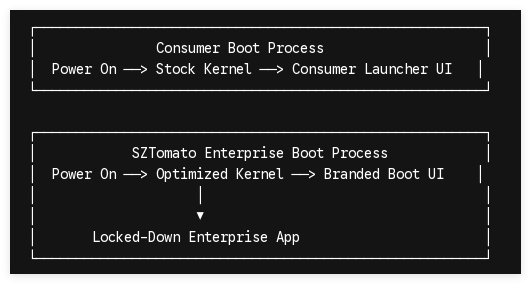
Furthermore, standard consumer devices rely on automated, unpredictable Google Play updates that can break third-party enterprise applications. A commercially integrated Google TV Box utilizes custom Over-The-Air (OTA) update systems. This enables system integrators to manage, test, and selectively push firmware images to global device fleets from a centralized server, ensuring zero unexpected downtime.
3. Securing Content via Hardware-Rooted DRM and API Integration
A critical function of a certified Google TV Box is its ability to handle premium content streams securely. Commercial applications in the hospitality sector or corporate boardrooms require strict compliance with digital rights management protocols to display high-definition and ultra-high-definition content.
The architecture integrates hardware-rooted security keys executed within a Trusted Execution Environment (TEE). What a Google TV Box does differently than generic AOSP boxes is maintain native support for Widevine L1 and PlayReady DRM systems, alongside HDCP 2.2 encryption keys over the physical HDMI output interface.
Without Widevine L1 certification embedded at the factory level, premium media apps will restrict video playback to standard definition (480p) or refuse to initialize entirely.
To ensure seamless software interaction with these hardware security layers, system integrators require robust API and SDK access. Custom firmware builds allow developer teams to hook directly into system-level peripherals, enabling hardware-level automation such as:
-
HDMI-CEC power toggling via application commands.
-
Real-time hardware telemetry feedback (temperature, RAM utilization, network jitter).
-
Automatic hardware reboot scheduling executed directly at the Linux kernel level.
4. Custom I/O Engineering for Enterprise Connectivity
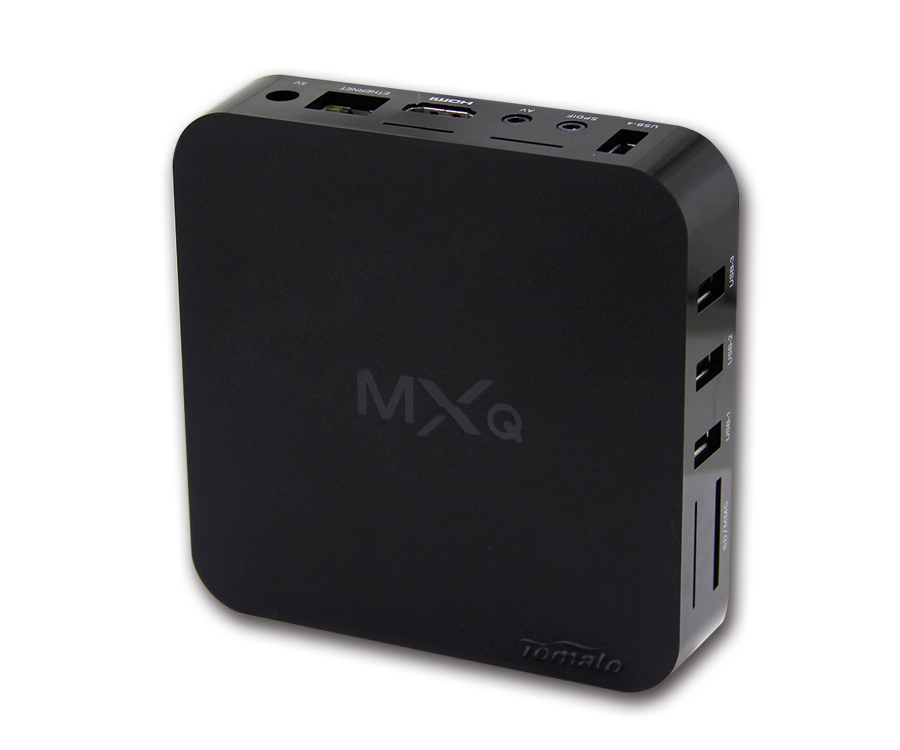
Consumer streaming hardware favors minimalism, often stripping the chassis down to a single HDMI out and a USB port. In contrast, an industrial digital signage player or enterprise media gateway must interface with a diverse array of legacy and modern peripherals.
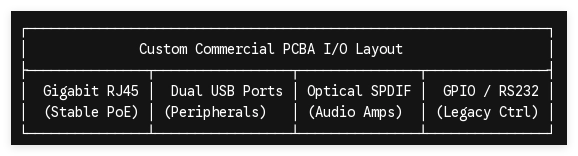
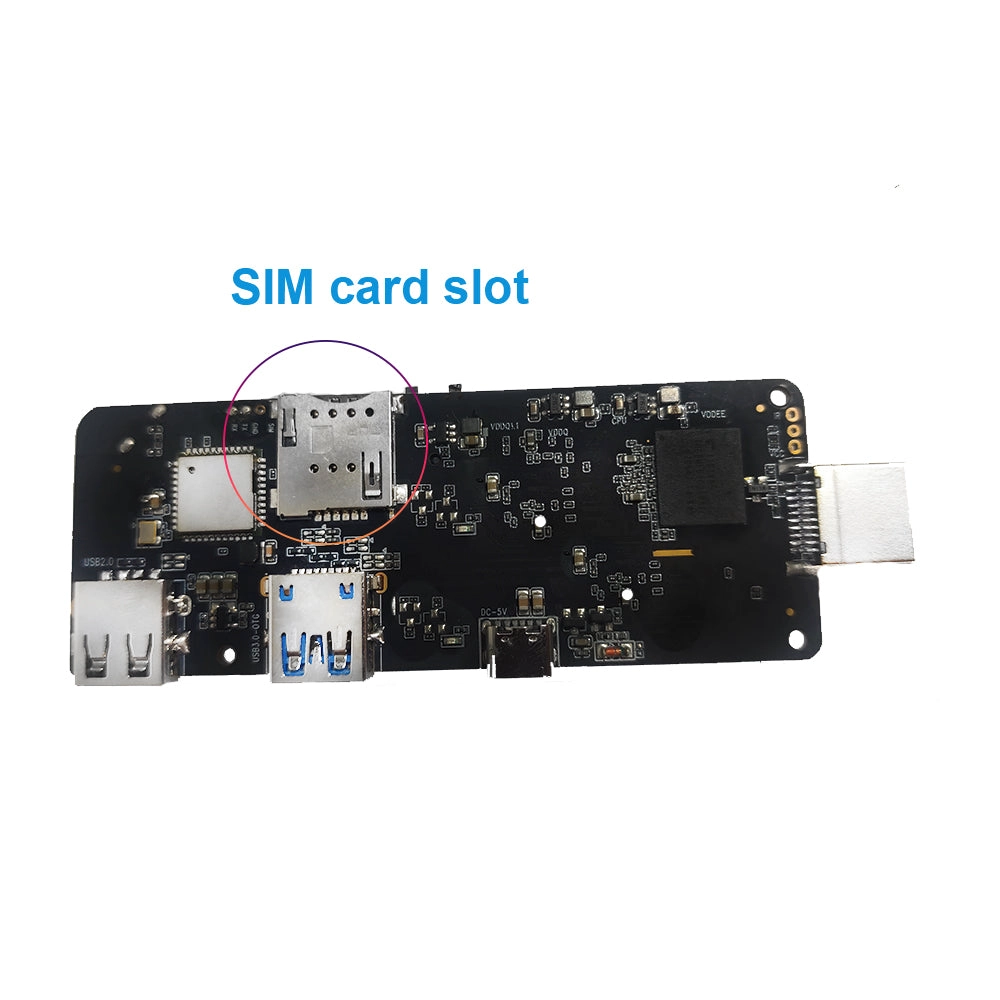
Through specialized OEM/ODM hardware modification, the physical PCBA can be re-engineered to accommodate precise peripheral demands. This includes replacing standard Wi-Fi configurations with integrated Gigabit Ethernet (RJ45) for interference-free data routing, exposing internal GPIO or RS232 serial ports to allow the Google TV Box to control external commercial displays, and integrating optical SPDIF channels for dedicated audio amplifier arrays.
Secure Your Fleet with Custom Engineered Hardware
Deploying off-the-shelf consumer streaming devices into commercial environments introduces severe operational risks, from thermal failure to unmanaged software updates and unsecure interfaces.
Shenzhen Tomato Technology provides the technical answer to these systemic vulnerabilities. By prioritizing firmware-level engineering, rigorous PCBA hardware modification, and scalable custom OTA delivery systems, we transform the capabilities of the Google TV platform into an industrial-grade edge solution tailored to your exact business specifications.
Contact our engineering and B2B procurement team today at sales@sztomato.com to discuss your custom PCBA layout requirements, SDK integration needs, and volume OEM/ODM production timelines. Let us build the reliable, locked-down hardware foundation your commercial network requires.
