What is Android Mini PC better than Roku?
Open Architecture vs. Closed Dongles: Why Enterprise Deployments Favor the Android Mini PC Over Roku
Commercial AV integrators, digital signage operators, and hospitality solution providers frequently face a systemic point of failure: deploying consumer-grade streaming sticks into continuous-duty commercial environments. Devices designed for residential consumption—most notably Roku—introduce significant operational liabilities when scaled across enterprise networks.
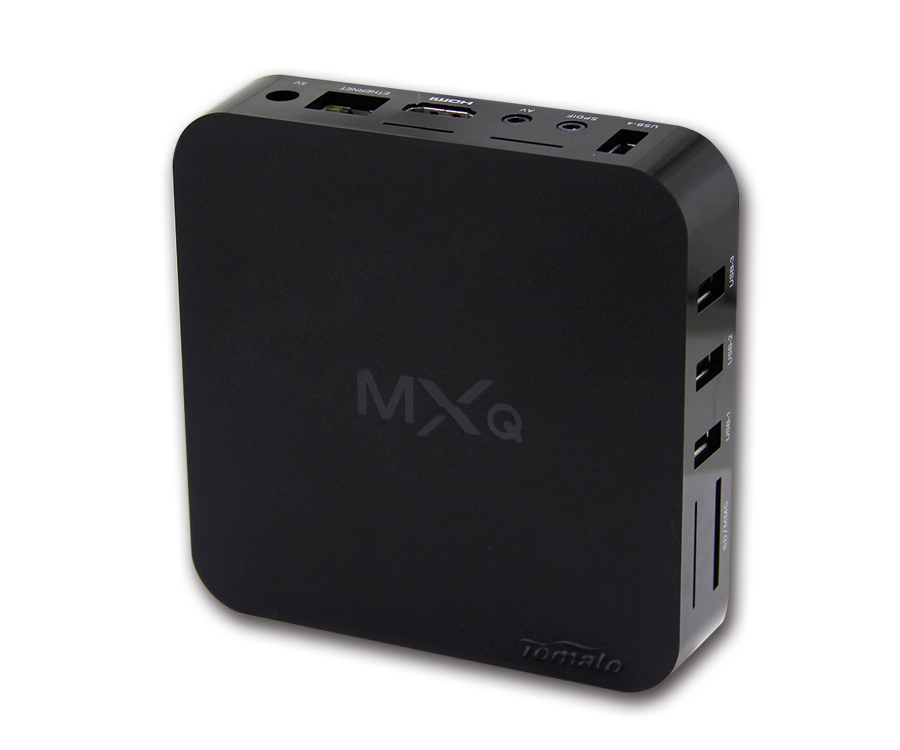
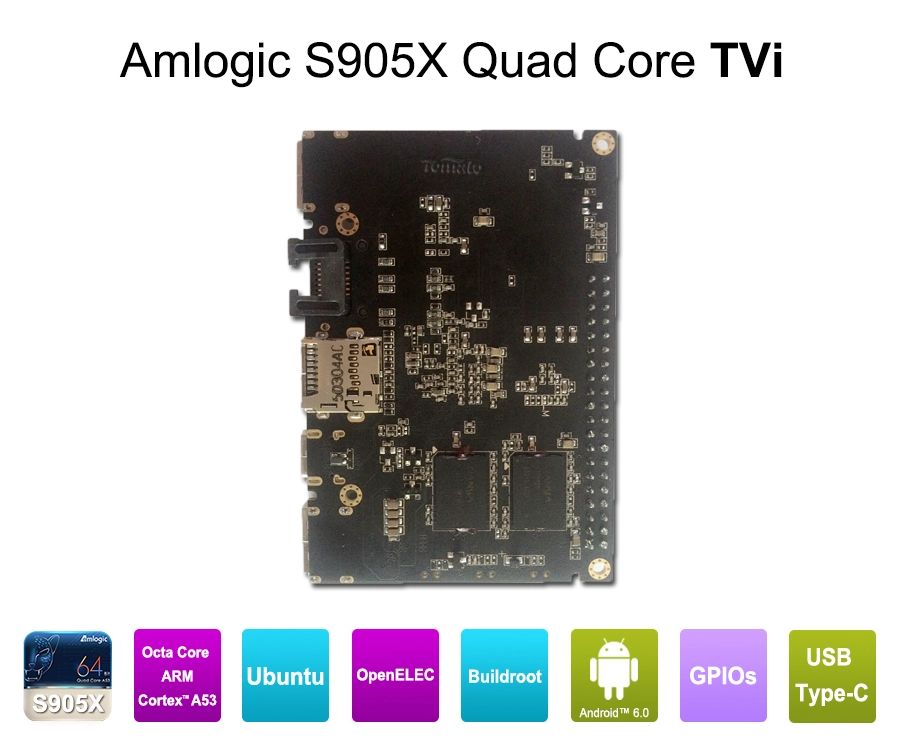
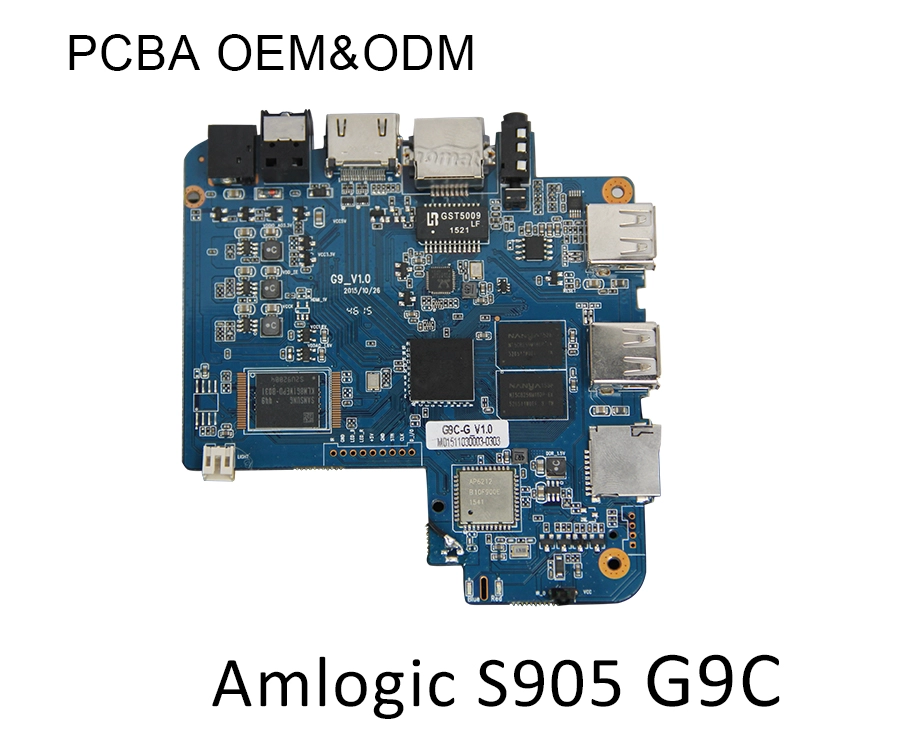
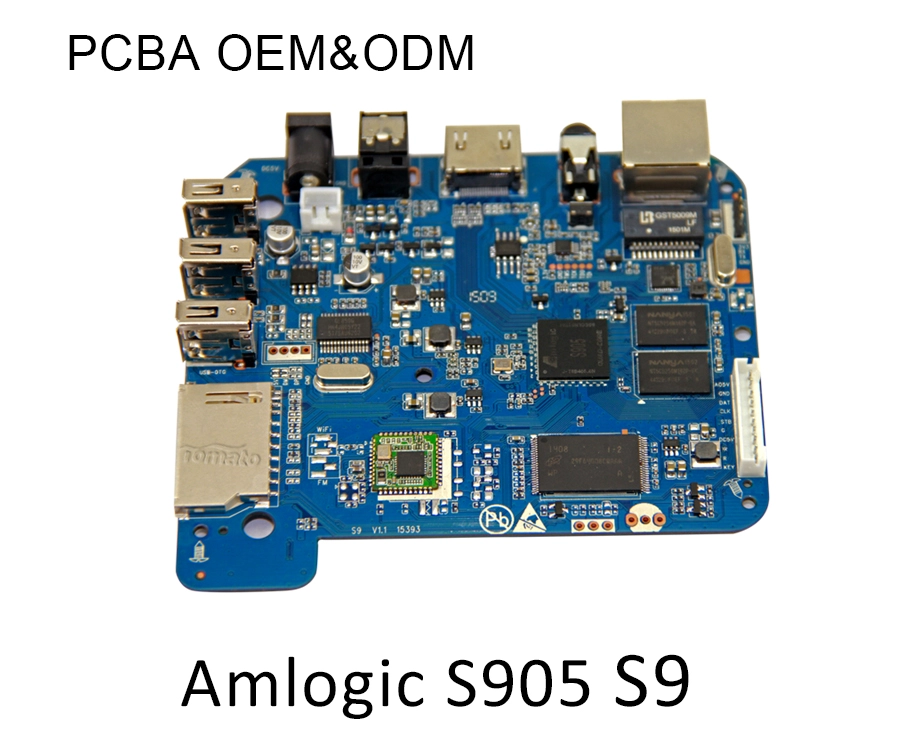
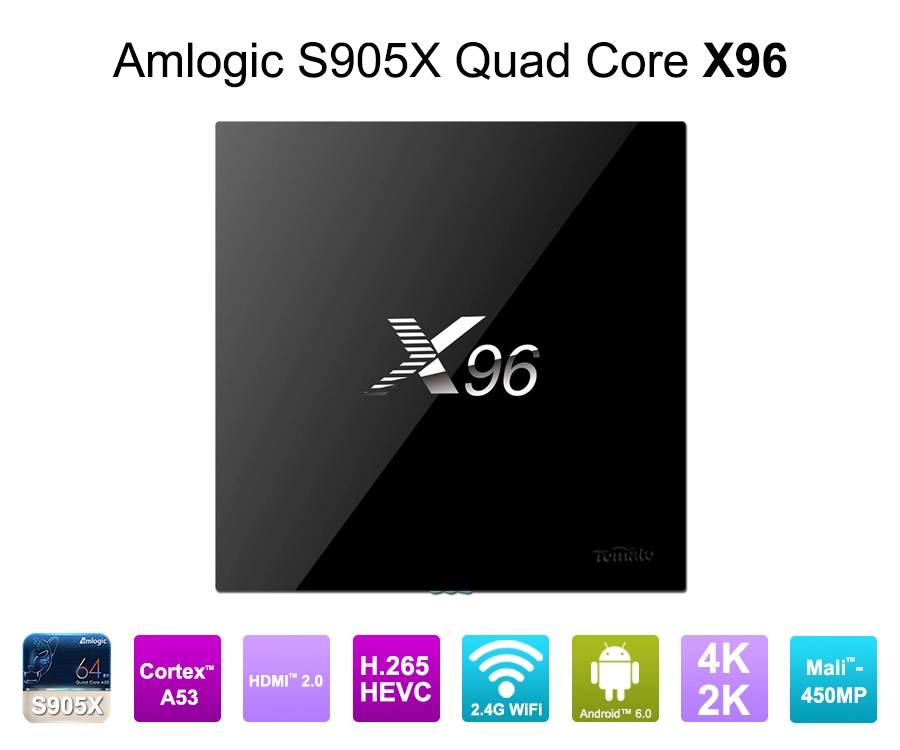
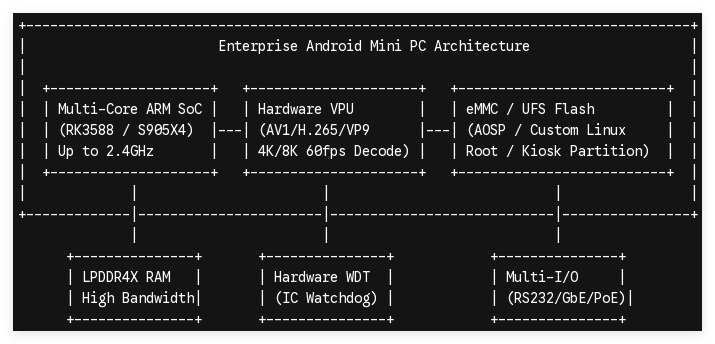
An Android Mini PC provides a fully programmable, industrial-grade computing node that bypasses the architectural, thermal, and software restrictions of consumer streaming media players.
1. Operating System Architecture: Open AOSP vs. Closed BrightScript
The fundamental difference between an Android Mini PC and a Roku device lies in software ecosystem access and OS-level control.
- Roku Ecosystem Lock-In: Roku runs a proprietary, closed operating system built on BrightScript. It forbids local APK installation, lacks root access, and prevents operators from altering system-level settings, network configurations, or user interfaces out-of-band. System updates are pushed globally by Roku, which can alter background API rules, enforce new power-saving screensavers, or break custom enterprise applications without operator consent.
- Android Open Source Project (AOSP) Freedom: An enterprise Android Mini PC exposes full Android system APIs, root permissions, or custom Linux kernels. System integrators can sign proprietary applications with platform security keys, allowing native access to WRITE_SECURE_SETTINGS and INJECT_EVENTS. This enables background app deployment, remote administrative rebooting, silent updates, and permanent disabling of user-facing Android navigation elements.
CONSUMER ROKU PIPELINE:
[ Power On ] ➔ [ Mandatory Roku Home Screen ] ➔ [ Consumer Ads ] ➔ [ Manual App Select ]
ENTERPRISE ANDROID MINI PC PIPELINE:
[ Power On ] ➔ [ Custom Bootloader ] ➔ [ Silent Kernel Boot ] ➔ [ Immediate Kiosk App Launch ]
2. Hardware Engineering: Thermal Dissipation and Fault Tolerance
Commercial displays frequently operate 24/7 in demanding ambient environments, including outdoor enclosures, high-temperature ceilings, and recessed wall mounts.
Thermal Duty Cycle
Roku sticks utilize minimalist plastic enclosures with minor passive heat spreaders designed for 3–5 hours of daily residential streaming. Continuous video decoding under commercial workloads causes internal silicon junction temperatures to spike, triggering CPU throttling, frame dropping, software instability, and premature hardware failure.
An industrial Android Mini PC leverages extruded aluminum alloy or zinc-alloy chassis that act as direct heatsinks for the underlying System-on-Chip (SoC). Combined with high-density thermal conductive pads, these units maintain full processing capacity under continuous 100% compute loads in ambient temperatures up to 60°C.
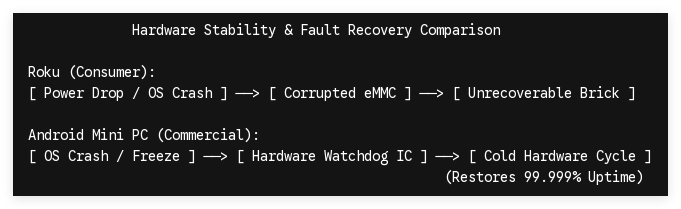
Fault Recovery (Hardware Watchdog)
When power failures or software exceptions occur on a Roku, the device often hangs indefinitely on a boot loop or error prompt, requiring manual physical power cycling.
Commercial Android Mini PCs integrate a hardware-level Watchdog Timer (WDT) IC tied directly to the Power Management IC (PMIC). If the operating system fails to send a periodic heartbeat signal due to an application deadlock or kernel panic, the Watchdog IC forces a hard power reset to restore system uptime without dispatching on-site technicians.
3. Technical Comparison: Android Mini PC vs. Roku
| Architectural Vector | Commercial Android Mini PC | Consumer Roku Player / Stick |
|---|---|---|
| Operating System | Open AOSP / Android TV / Ubuntu Linux | Closed Roku OS (BrightScript) |
| App Autostart / Kiosk | Native (android.intent.category.HOME override) | Not Supported (Requires manual menu navigation) |
| System Root Access | Available (Full permission management) | Strictly Blocked |
| Thermal Design | Aluminum Alloys / Passive External Heatsinks | Plastic Enclosures / Minimal Internal Spreader |
| Recovery Mechanism | Hardware Watchdog IC + Auto Power-On (APO) | Software Soft Reset / Manual Power Pull |
| Hardware Interfaces | Dual GbE, RS232, GPIO, USB 3.0, PCIe, PoE+ | Single HDMI Out, Micro-USB / USB-C (Power Only) |
| Supply Chain Lifecycle | 5 to 7 Year Fixed Silicon Roadmap (OEM/ODM) | Consumer Refresh Cycles (12–18 Months) |
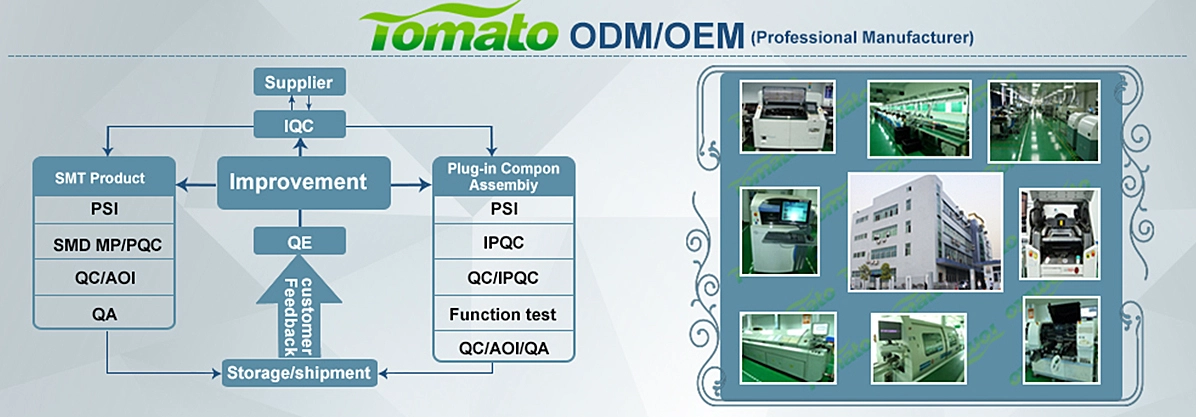
4. Deep Firmware & PCBA Customization (OEM/ODM Capability)
Deploying enterprise projects requires hardware tailor-made to specific deployment specs rather than off-the-shelf consumer retail SKUs.
Physical I/O & PCBA Engineering
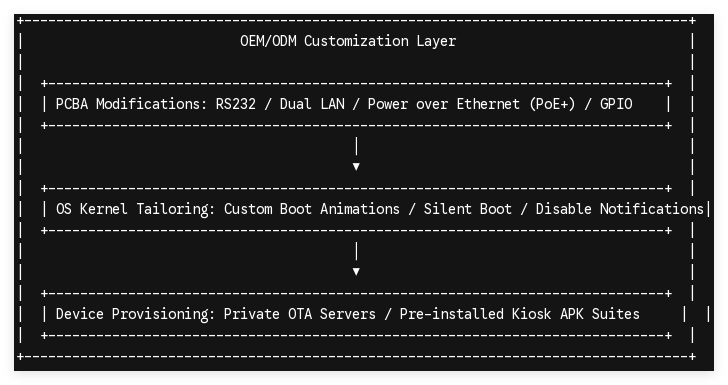
Unlike Roku’s consumer dongle footprint, an Android Mini PC can be modified at the printed circuit board assembly (PCBA) level:
-
Industrial Communication Protocols: Integration of RS232/RS485 serial ports to issue low-level display commands (e.g., controlling TV panel power states, input switching, and backlight levels via HEX protocol).
-
Network Infrastructure: Dual Gigabit Ethernet ports to segregate internal corporate LANs from public display subnets, or integrated Power over Ethernet (PoE+ 802.3at) modules to deliver power and data over a single CAT6 line.
-
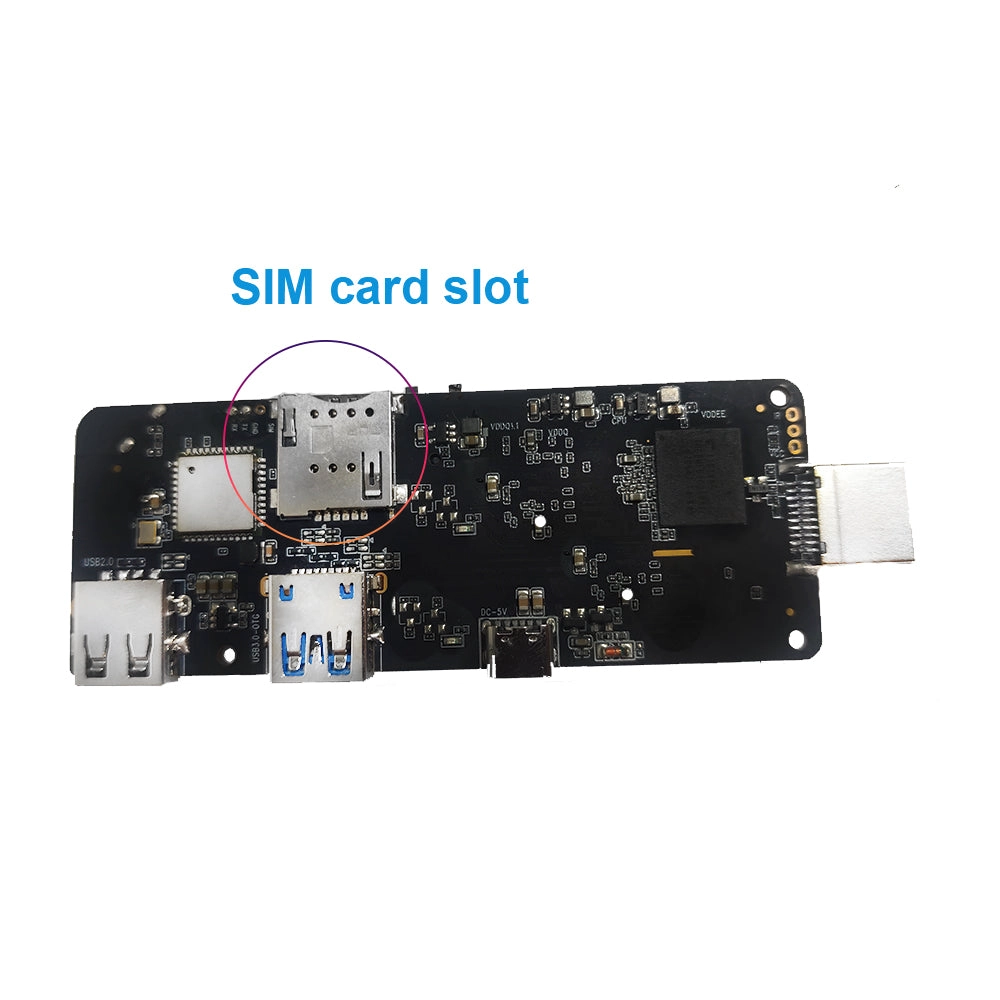
Expansion Interfaces: Internal M.2 or PCIe slots to support 4G/5G LTE modems with SIM sockets for cellular-failover digital signage networks.
Custom Firmware Compilation
Factory-level Android firmware compilation allows B2B operators to establish a locked, tamper-proof user environment:
-
Pre-granted App Permissions: Automatically approve runtime permissions for target enterprise applications during image building, bypassing consumer prompt windows.
-
Private OTA Infrastructure: Redirect system update mechanisms away from public servers onto private client servers, ensuring complete operational control over firmware rollouts.
- Custom Boot Parameters: Modify the U-Boot configuration to ensure immediate device start up upon AC power recovery (Auto Power-On), bypassing consumer standby states.
Engineer Your Commercial Display Hardware with SZTomato
Relying on consumer streaming platforms like Roku exposes enterprise display deployments to software lockouts, thermal throttling, and unpredictable system updates. B2B networks require purpose-built hardware backed by full firmware accessibility and long-term component availability.
Work with SZTomato’s B2B Engineering Group to develop customized Android Mini PCs, modify board-level interfaces, or compile custom AOSP firmware builds tailored to your commercial infrastructure.
- Website: www.sztomato.com
- OEM/ODM Capabilities: Custom PCBA Layout, AOSP Firmware Compilation, Hardware Watchdog Integration, RS232/PoE Modification, Private OTA Systems.