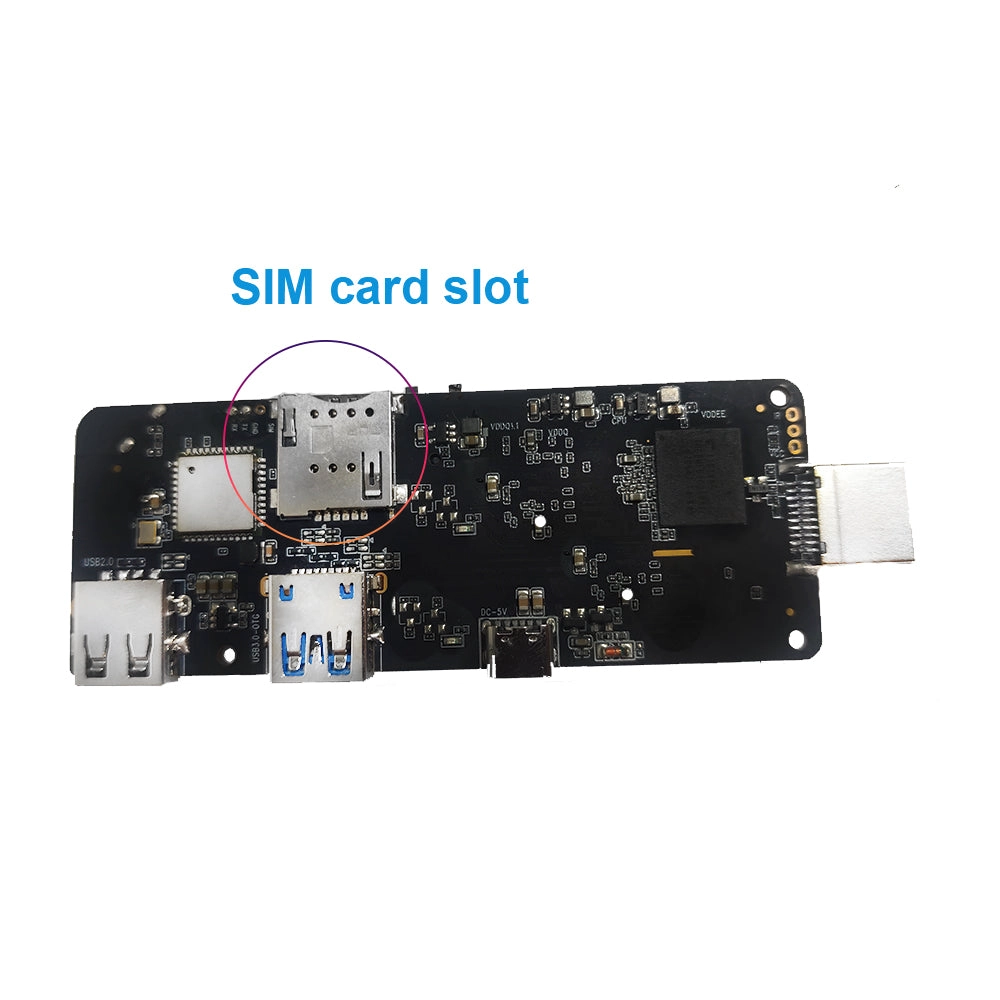
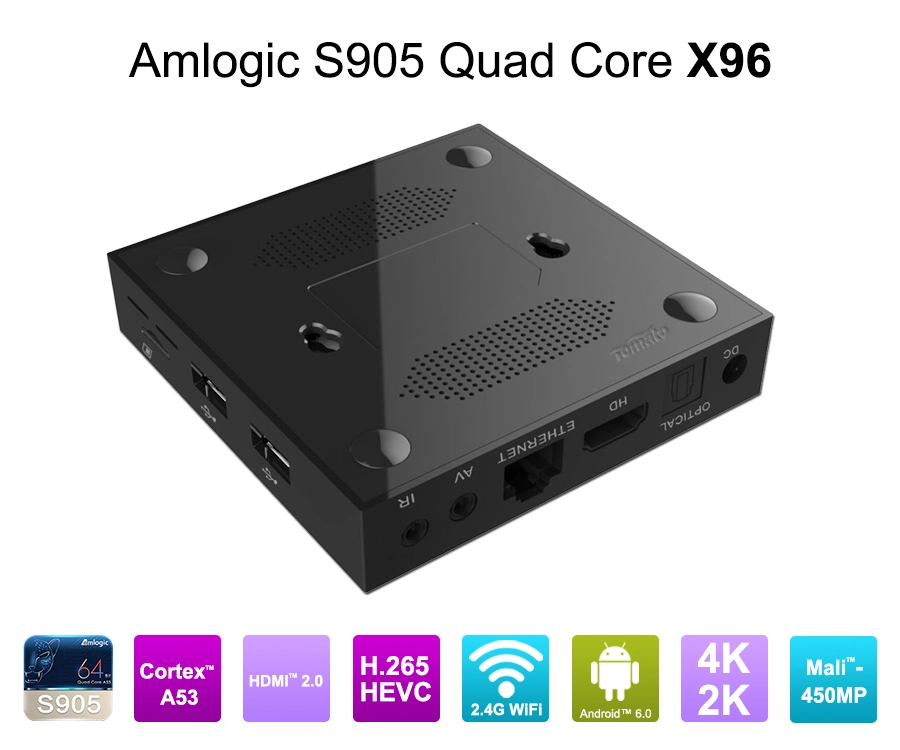
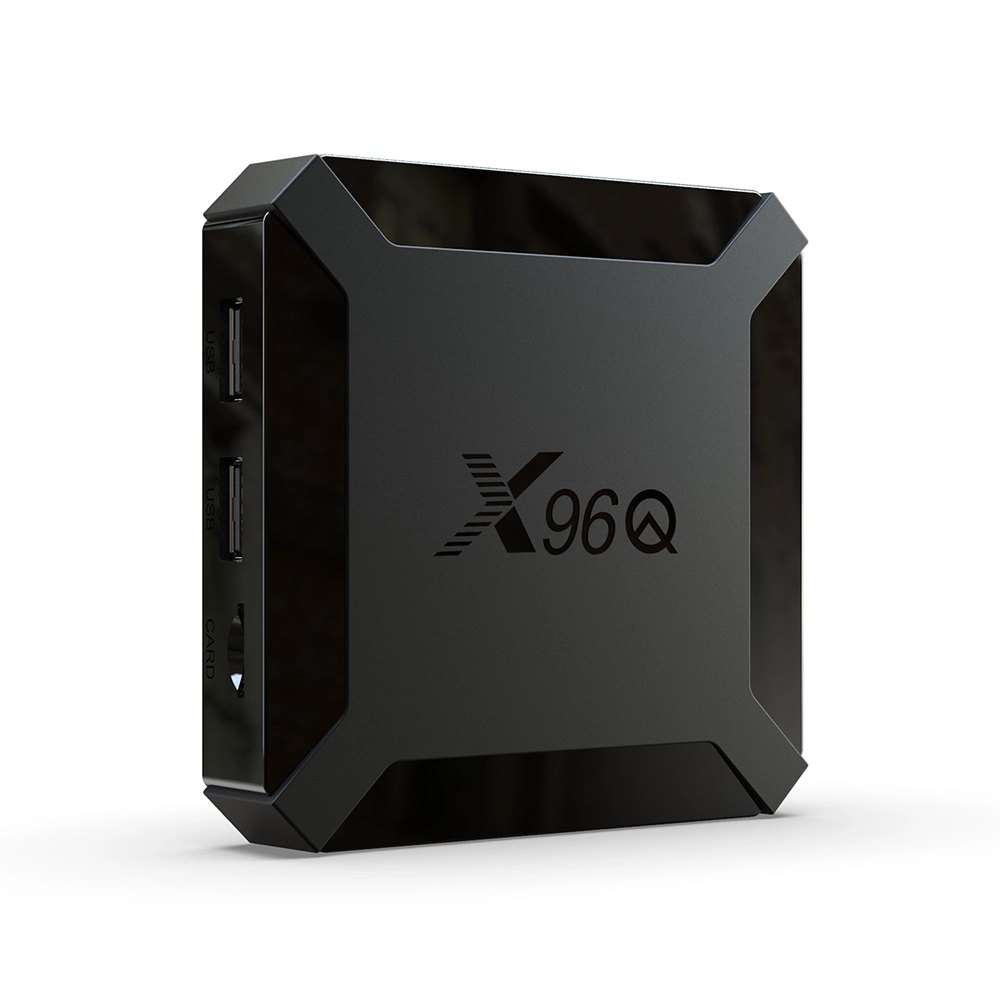
What is the Streaming Media Player device on TV?
Commercial Streaming Media Players: Hardware Architecture, SoC Engineering, and Enterprise TV Integration
A persistent bottleneck in commercial display engineering is the rapid obsolescence of integrated Smart TV System-on-Chips (SoCs). While a display panel maintains structural integrity and luminescence over a 50,000-hour operational cycle, consumer-grade onboard SoCs frequently suffer from memory degradation, thermal throttling under continuous video decoding, and locked bootloaders that prevent custom application deployment.
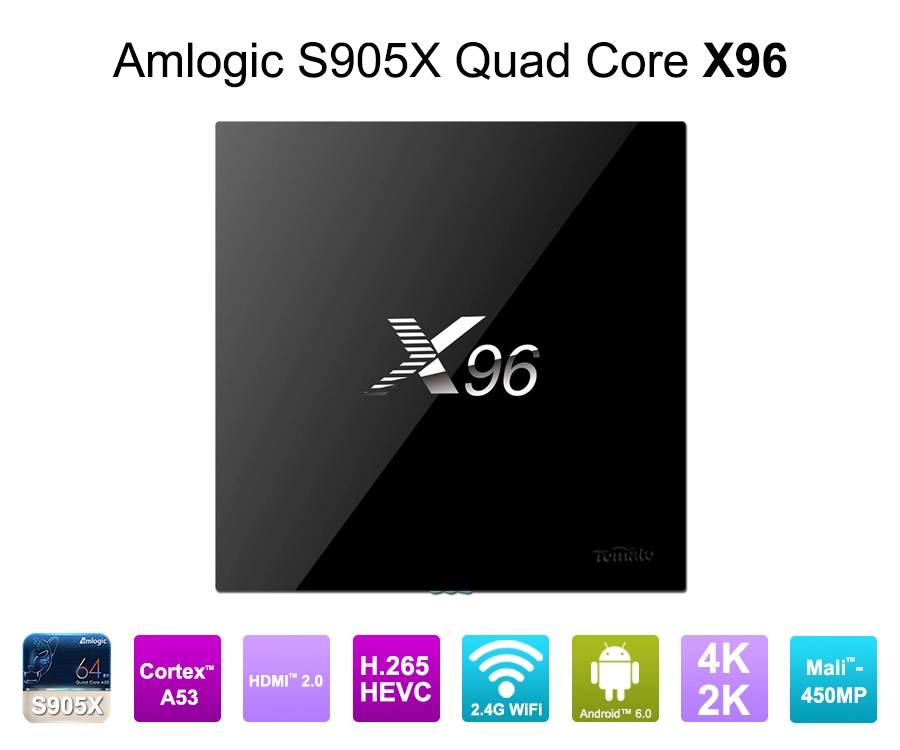
An external streaming media player bypasses these constraints by serving as a dedicated processing unit connected via high-bandwidth HDMI or DisplayPort interfaces. This architecture shifts computation, decoding, and network handling away from the display panel to an optimized hardware platform capable of running enterprise digital signage, interactive kiosk interfaces, or custom OTT streaming protocols.
Hardware Architecture: Dissecting the Industrial Player
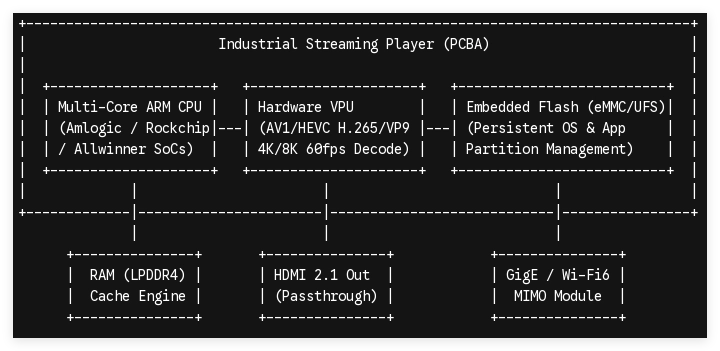
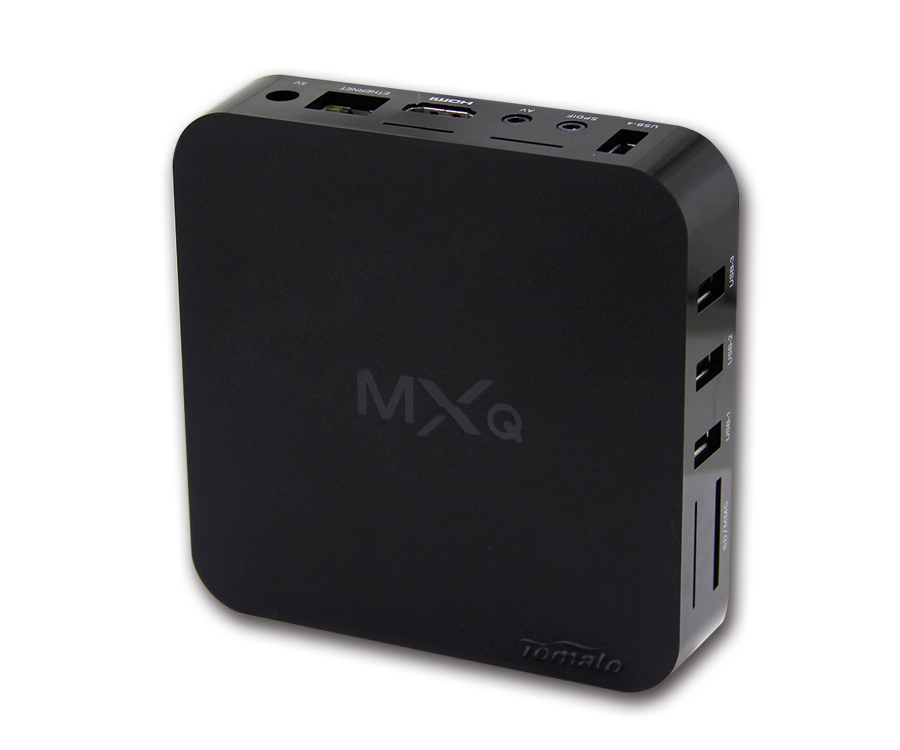
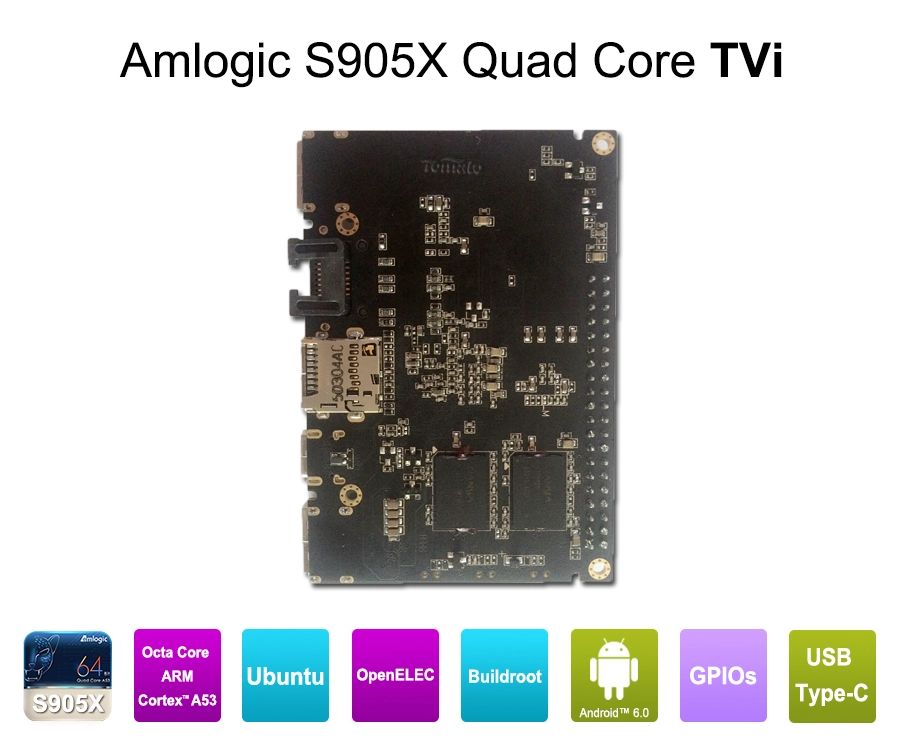
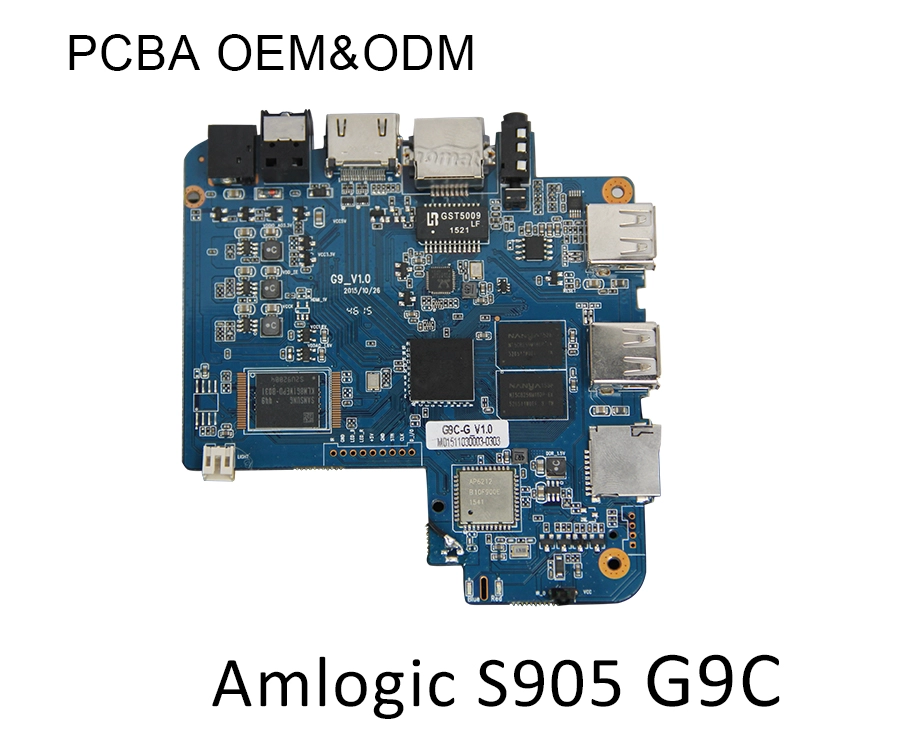
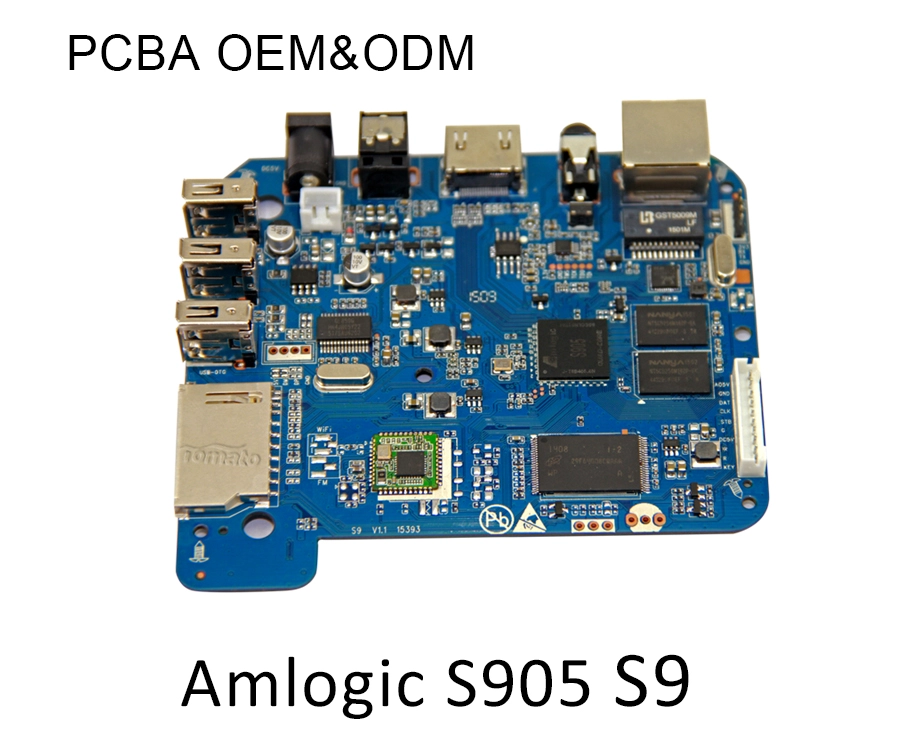
At its core, a commercial streaming media player is a single-board computer engineered specifically for high-throughput video pipeline processing. Unlike standard consumer devices designed for intermittent viewing, commercial hardware architectures prioritize deterministic performance and continuous operation.
Silicon Selection & VPU Architecture
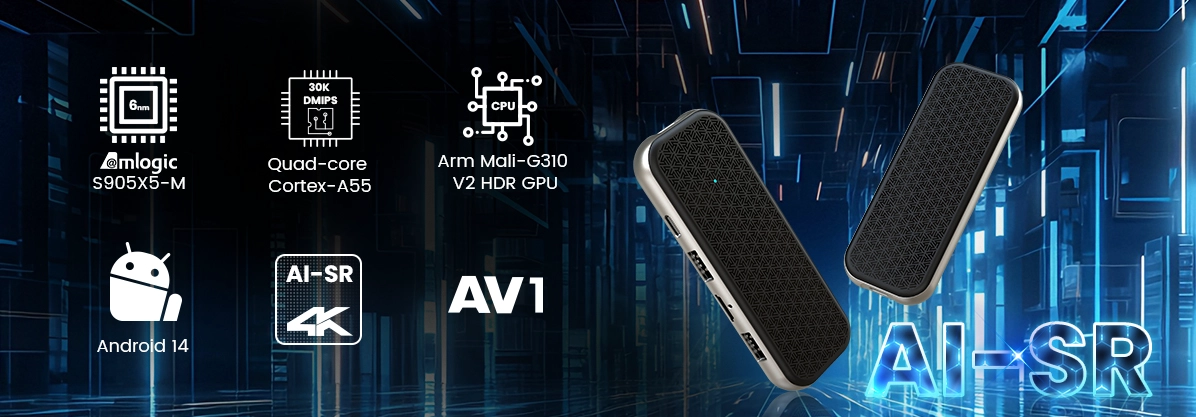
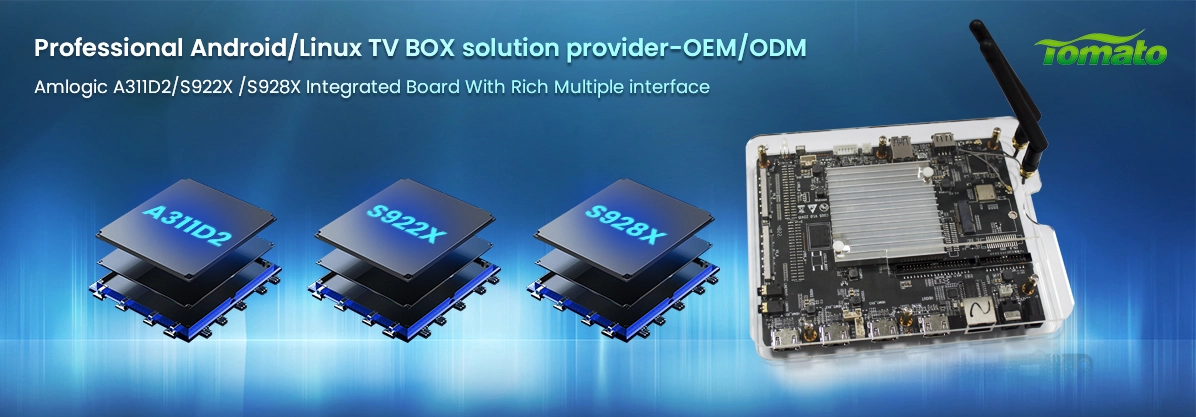
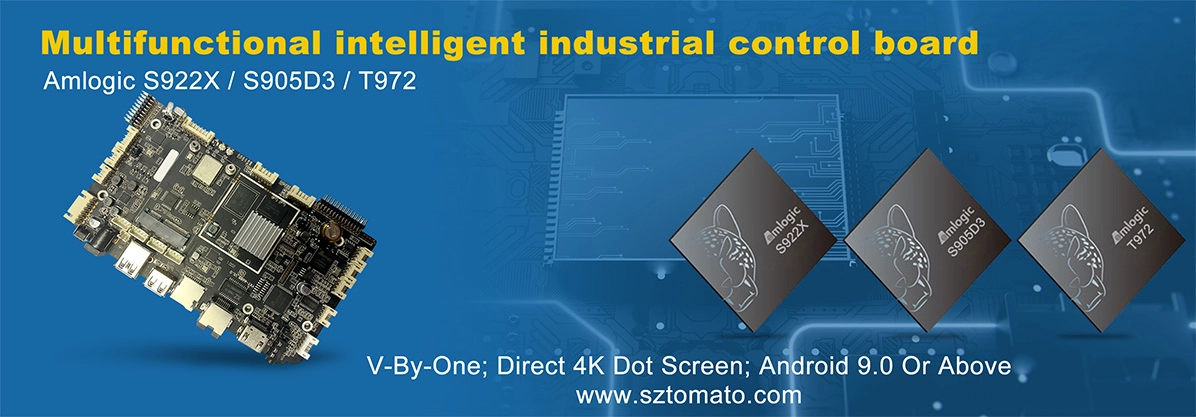
The primary performance differentiator lies in the System-on-Chip selection. B2B deployments generally standardize on specialized ARM-based processors from manufacturers like Amlogic (e.g., S905X4, A311D2) or Rockchip (e.g., RK3568, RK3588):
-
Video Processing Unit (VPU): Dedicated hardware logic handles multi-codec decoding (AV1, H.265/HEVC, VP9) natively. Offloading decoding tasks from the main CPU cores prevents thermal runaway and ensures steady 4K@60fps or 8K video output without dropped frames.
-
Memory Bandwidth & Storage: Commercial players utilize LPDDR4/4X RAM to sustain high-bitrate video buffering, paired with industrial-grade eMMC 5.1 or UFS storage configured for high write endurance during constant content caching.
-
Thermal Dissipation: Industrial PCBA designs replace passive, small-surface heat sinks with customized aluminum alloy enclosures or heat-pipe assemblies, preventing thermal throttling in high-ambient-temperature environments.
Technical Comparison: Commercial Media Players vs. Integrated Smart TVs
| Feature / Metric | Dedicated Commercial Media Player | Consumer / Integrated Smart TV |
|---|---|---|
| System Architecture | Modular (Decoupled Display & Compute) | Monolithic (Single PCBA for Panel & OS) |
| SoC Lifecycle | 5 to 7 Years (Industrial Availability) | 1 to 2 Years (Consumer Refresh Cycles) |
| OS Access & Firmware | Root Access, Custom ROMs, AOSP Customization | Locked Bootloader, Non-Standard WebOS/Tizen |
| Thermal Performance | Extended Heatsink / Aluminum Chassis | Enclosed Plastic Chassis (Prone to Throttling) |
| Peripheral Interfaces | Dual GbE, RS232, GPIO, Multiple USB 3.0 | Limited Ports, Consumer-Grade Wi-Fi Only |
| Device Management | Native MDM, Remote ADB, Watchdog IC | Limited Consumer Telemetry |
Firmware-Level Customization for Unattended Deployments
Standard consumer operating systems are unsuitable for enterprise or digital signage environments. Out-of-the-box streaming players run consumer Android TV or Google TV builds that present pop-ups, force firmware updates, and require manual user intervention after power loss.
OEM/ODM hardware customization resolves these failure points at the board and firmware level:
[ Power Restored ]
│
▼
[ Hard Reboot / PMIC Trigger ]
│
▼
[ Custom Bootloader (U-Boot Override) ] ➔ Forces Boot (No User Prompt)
│
▼
[ Board Watchdog IC Active ] ➔ Monitors OS Heartbeat
│
▼
[ Android Kernel / AOSP Startup ] ➔ Suppresses System UI / Pop-ups
│
▼
[ Custom APK Kiosk Launch ] ➔ Bypasses Desktop directly into Enterprise App
-
Hardware Watchdog IC Integration: A dedicated hardware Watchdog Timer (WDT) monitors system responsiveness. If an application hangs or the OS experiences a kernel panic, the Watchdog triggers a hard hardware reset, ensuring system self-healing without manual site visits.
-
U-Boot & Kernel Tailoring: Modifying the bootloader (U-Boot) allows for customized boot animations, silent booting (suppression of system text), and forced auto-power-on (APO) behaviors upon AC line power recovery.
-
Kiosk Mode & App Autostart: Through Android Open Source Project (AOSP) firmware modification, the custom enterprise APK is integrated directly into the system build as the default launcher (category.HOME). This bypasses the stock desktop entirely, disables status bar pulling, and prevents unauthorized application navigation.
-
Over-The-Air (OTA) Infrastructure: Private OTA server integration allows system integrators to push delta firmware updates, security patches, and application upgrades across thousands of deployed endpoints via encrypted protocols without user interaction.
Engineering Customization Options for OEM/ODM Deployment
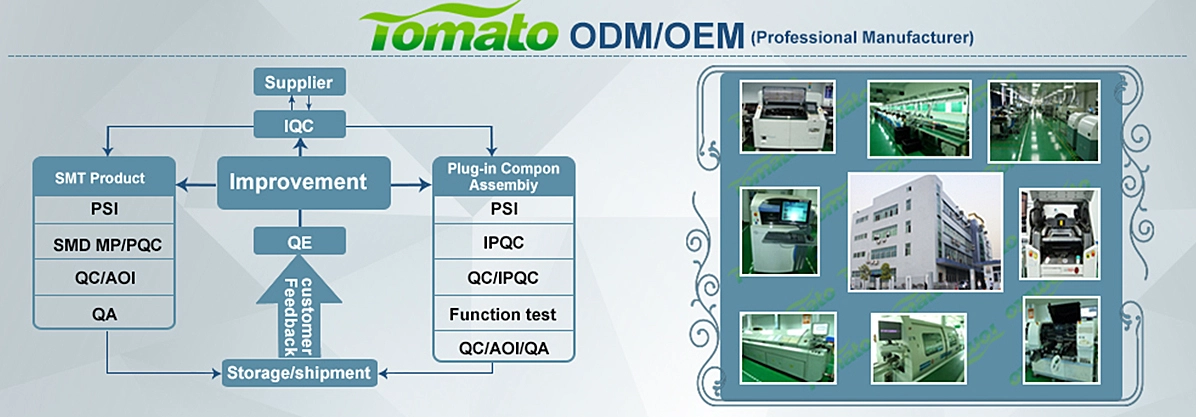
For global distributors, system integrators, and software providers, off-the-shelf streaming media players often introduce hardware bottlenecks or unnecessary component costs. Tailoring the underlying PCBA and enclosure through OEM/ODM engineering ensures the final hardware meets exact operational specifications.
-
PCBA Layout & Peripheral Selection: Tailor the hardware board layout to include dual Ethernet ports for network segregation, RS-232 serial interfaces for direct panel control, or Power over Ethernet (PoE+) modules to consolidate power and data delivery into a single line.
-
Enclosure & Mounting Ergonomics: Shift from plastic consumer shells to ruggedized, powder-coated metal chassis featuring VESA/wall-mount brackets, external high-gain Wi-Fi/4G antennas, and lockable connector covers to prevent unauthorized cable disconnection.
-
Custom Firmware Compilation: Pre-install proprietary enterprise application suites, configure custom IP configurations, pre-grant system permissions (accessibility, system alert windows), and strip unnecessary consumer bloatware directly at the image compilation stage.
Optimize Your Hardware Architecture with Customized Player Engineering
Deploying enterprise-grade display networks requires hardware designed for continuous uptime, hardware-level stability, and total firmware control.
Consult with SZTomato's OEM/ODM Engineering Team to evaluate customized Android/Linux streaming media players, request PCBA samples, or discuss tailored firmware builds for your next commercial deployment.
-
Website: www.sztomato.com
-
Engineering Services: Custom PCBA Design, AOSP Firmware Modification, Watchdog Integration, Enclosure Tooling.