What is better Android Mini PC than roku for tv?
Why an Enterprise Android Mini PC Outperforms Roku for Commercial TV Deployments
Commercial video infrastructure has reached a clear hardware inflection point: the industry-wide adoption of AV1 video compression, combined with demands for 24/7 continuous operation, edge-AI analytics, and multi-display output, has exposed the fundamental flaws of consumer streaming players. System integrators deploying consumer streaming sticks—such as Roku or generic streaming dongles—into commercial environments routinely face thermal throttling, unrecoverable app crashes, unauthorized local tampering, and zero remote board-level management.
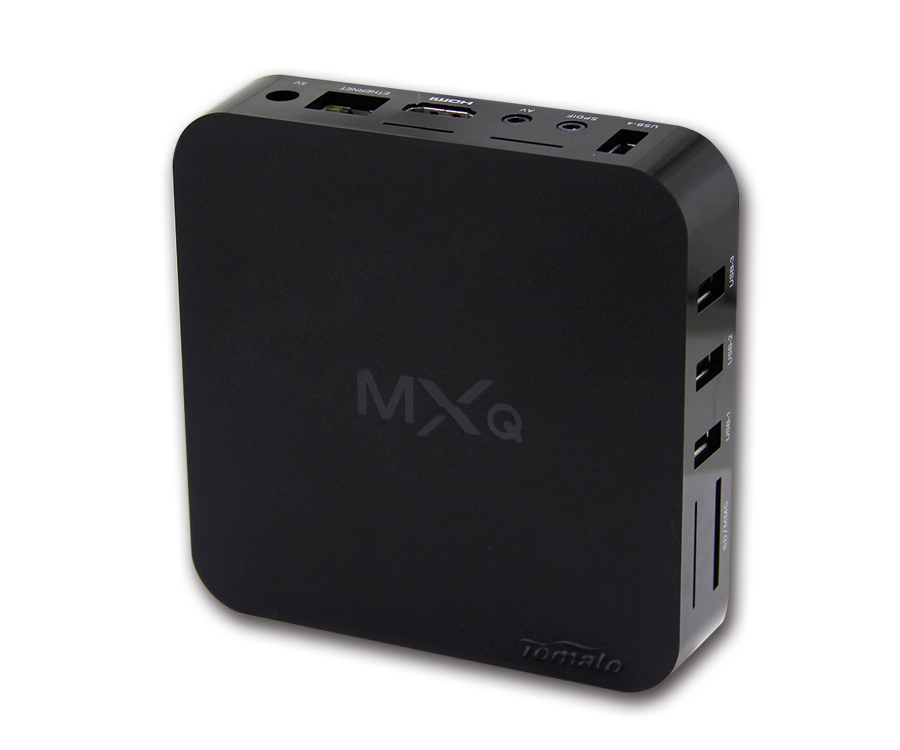
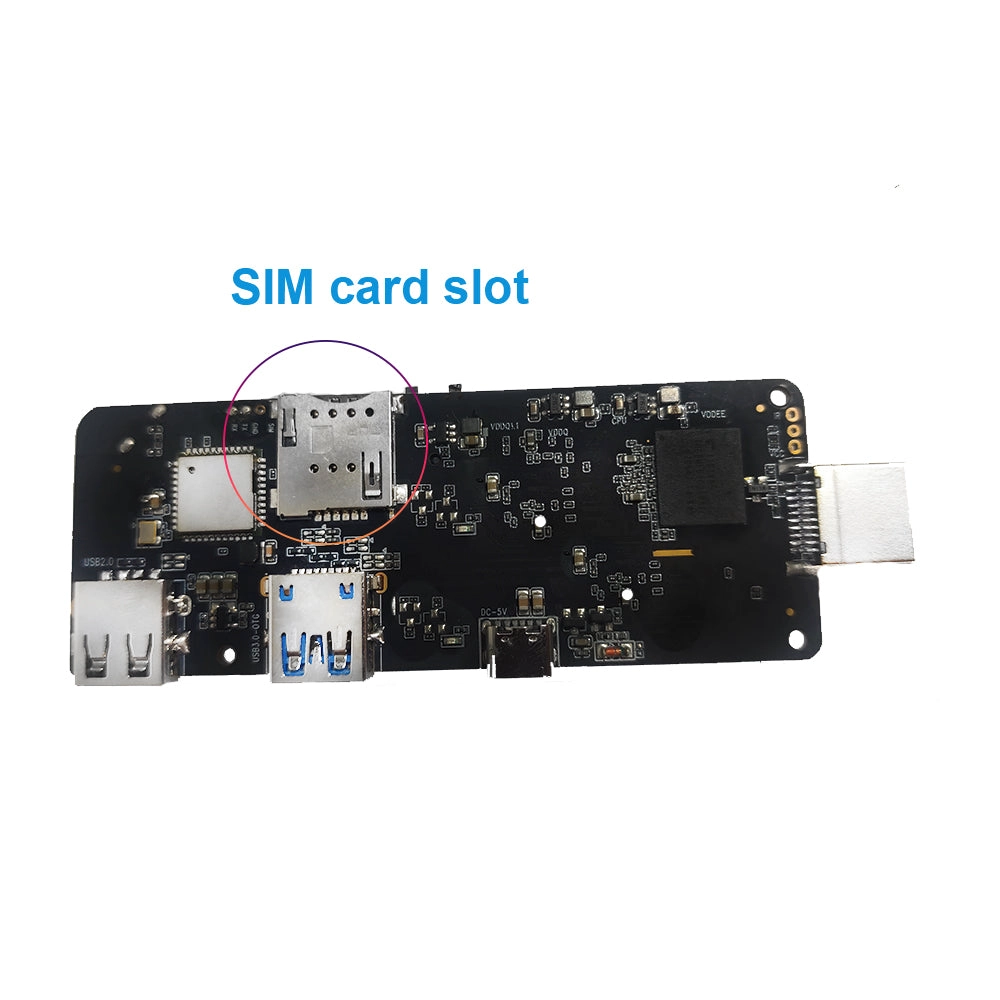
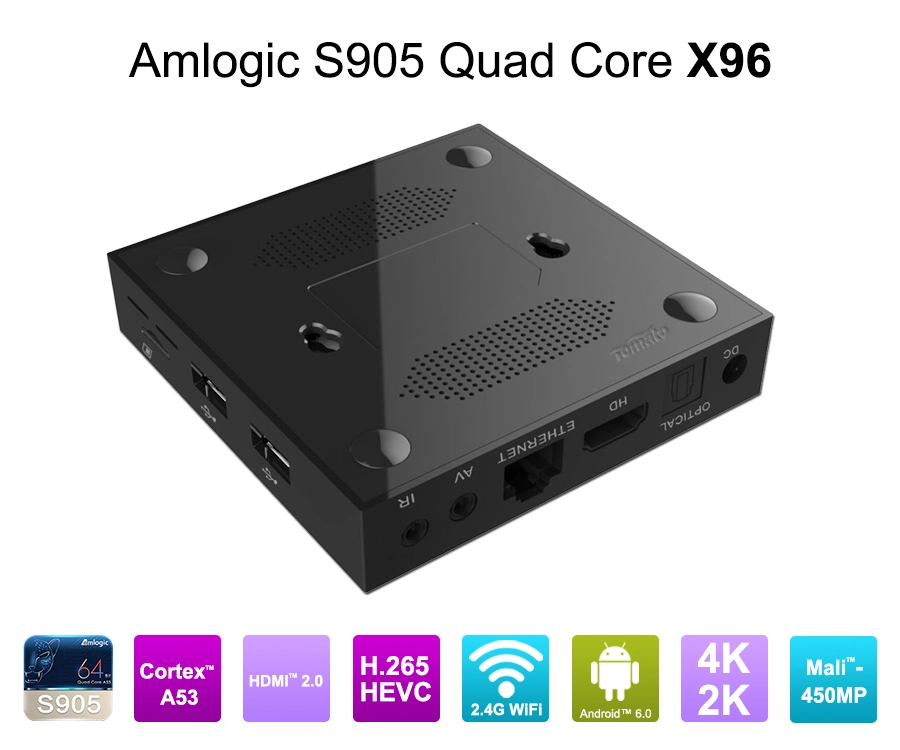
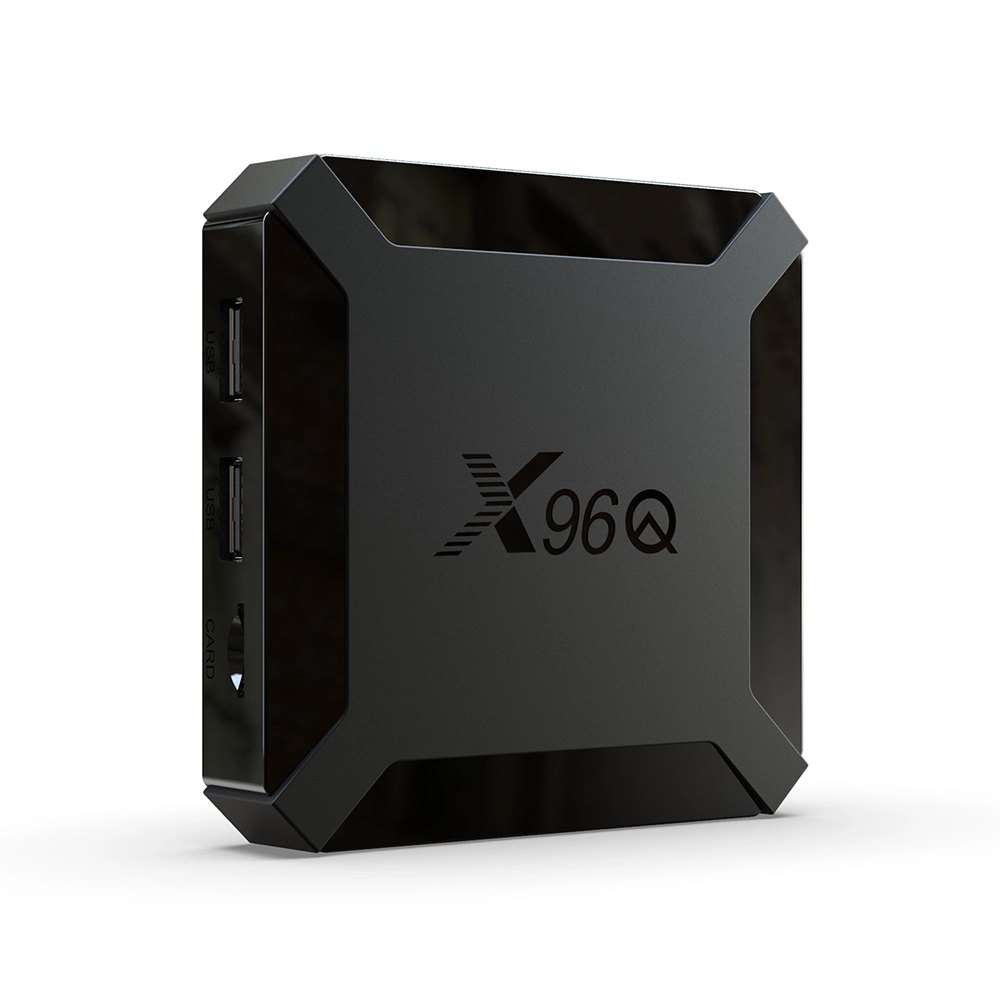
When asking whether an Android Mini PC is better than Roku for driving TV displays in a commercial setup, the answer hinges on hardware open architecture, board-level customizability, and operational longevity. Consumer media players are architected purely for transient consumer viewing; an enterprise-grade Android Mini PC is engineered as a dedicated, programmable industrial computing node.
1. Architectural Bottlenecks: Why Roku Fails in Commercial Environments
Roku operates on a proprietary, closed-source operating system (BrightScript/Roku OS) designed to monetize end-user consumer data, ad placements, and subscription content. This locked architecture creates severe physical and software barriers when applied to commercial setups:
Thermal Design & Duty Cycle
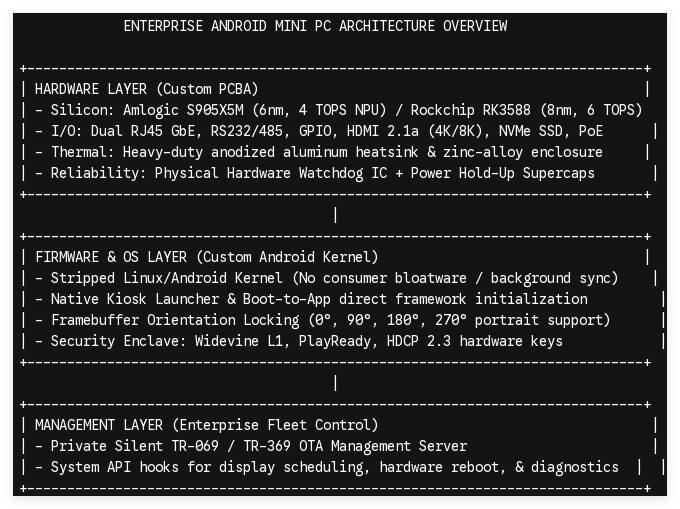
Roku streaming sticks and compact players utilize minimal passive plastic heat spreaders rated for intermittent residential use (3–5 hours daily). Under continuous 24/7 video rendering in commercial enclosures or behind hot commercial displays, internal junction temperatures quickly exceed thermal limits, triggering CPU/GPU clock throttling, dropped frames, software freezes, and premature hardware degradation. In contrast, commercial Android Mini PCs utilize high-density copper thermal pads coupled directly to anodized aluminum heatsinks or die-cast zinc-alloy enclosures, ensuring 100% compute load stability in ambient environments up to 60°C.
Software Lockdown & Ecosystem Control
Roku enforces strict app store distribution rules and completely blocks system-level customization. It is impossible to install a custom APK out-of-band, compile proprietary C++ native libraries, access low-level Linux hardware interfaces, disable system notifications, or permanently hide the home screen navigation menu. An enterprise Android Mini PC provides full root accessibility or custom OS builds, allowing system integrators to strip consumer bloatware, disable desktop overlays, and force immediate, zero-delay boot-to-application execution upon power-on.
Hardware Recovery & Fault Tolerance
When a consumer streaming player crashes or suffers power loss during an eMMC write operation, non-volatile flash memory corruption frequently bricks the unit. Consumer players lack secondary hardware reset circuits. Commercial Android Mini PCs solve this via a dedicated physical Hardware Watchdog Timer (WDT) integrated directly with the Power Management IC (PMIC). If the operating system halts or heartbeats fail for a set interval, the hardware watchdog automatically forces a cold hardware power cycle, restoring 99.999% uptime without manual technician intervention on-site.
2. Technical Comparison: Enterprise Android Mini PC vs. Roku
The architectural differences between closed consumer streaming hardware and open B2B Android Mini PCs affect total operational capabilities across key technical metrics:
| Hardware & Software Parameter | Roku Streaming Players (Consumer) | Enterprise Android Mini PC (SZTomato OEM/ODM) |
|---|---|---|
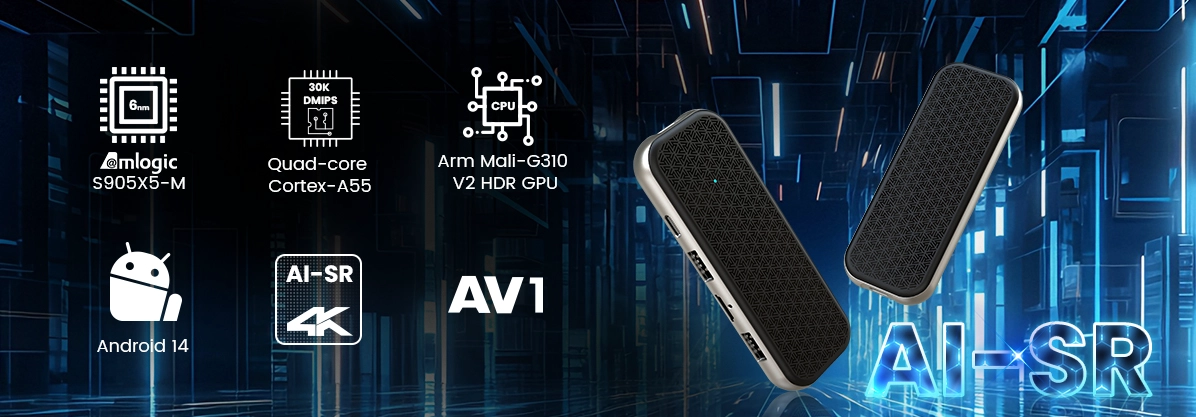
| System Architecture | Closed ARM SoC with proprietary firmware | Open ARM Architecture (Amlogic S905X5M / Rockchip RK3588) |
| Video Decoding Engines | Standard H.264 / HEVC (AV1 limited to high-end models) | Hardware-accelerated AV1, VP9, H.265 (4K@60fps to 8K@60fps) |
| Physical I/O Options | HDMI out, Micro-USB/Type-C power only | Dual GbE RJ45, RS232/RS485, GPIO, USB 3.0, Optical, PoE, NVMe SSD |
| Memory & Storage | Fixed 1GB–2GB RAM / Minimal internal eMMC | LPDDR4x/LPDDR5 (up to 32GB) + High-Endurance eMMC 5.1 / NVMe |
| Custom OS Lockdown | Impossible (Mandatory Roku Home UI & ads) | Full Android source code modification, Custom Kiosk UI, Halted System Bar |
| Display Rotation Control | Landscape orientation only (0°) | Hardware-level Framebuffer rotation (0°, 90°, 180°, 270°) |
| Fleet Management System | Retail account cloud management | Private Silent TR-069 / TR-369 OTA server integration |
| Hardware Fault Recovery | None (Requires manual power unplug) | Onboard physical Hardware Watchdog IC & Supercapacitor backup |
| Manufacturing Lifecycle | 12 months consumer revision cycle | Guaranteed 5+ year industrial component availability |
3. Deep Hardware & Firmware Engineering Capabilities
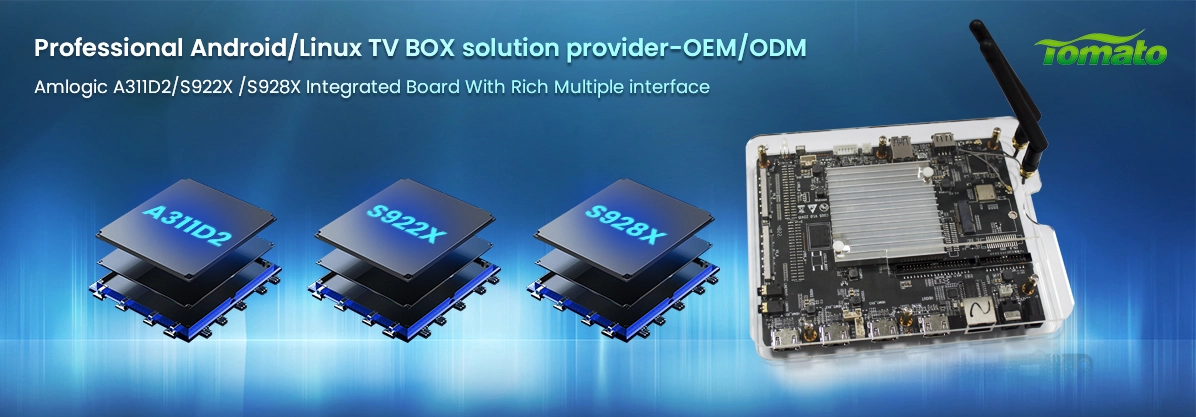
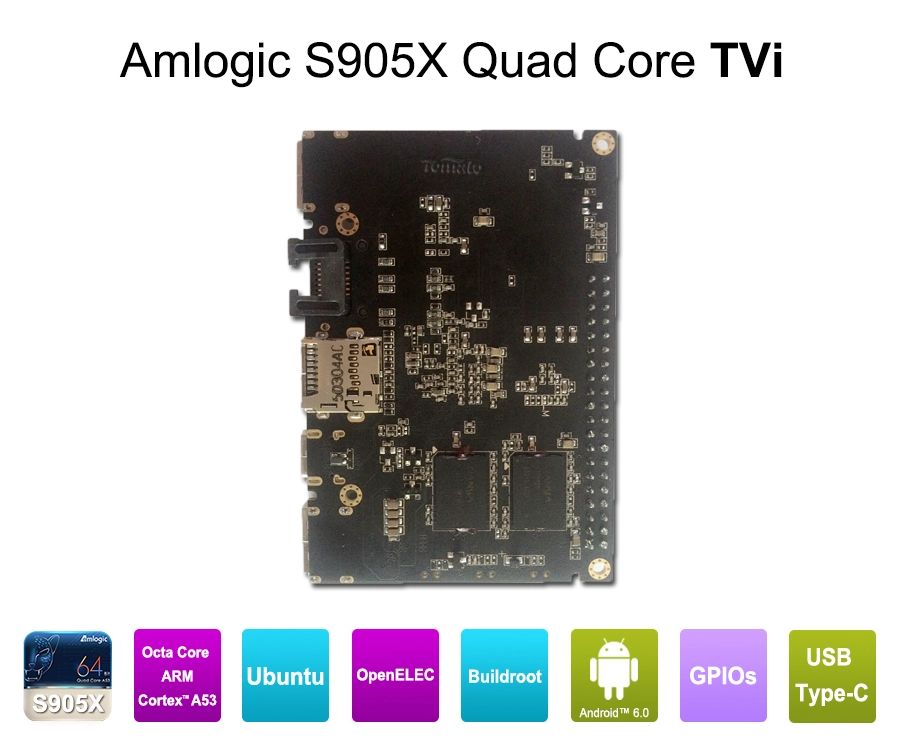
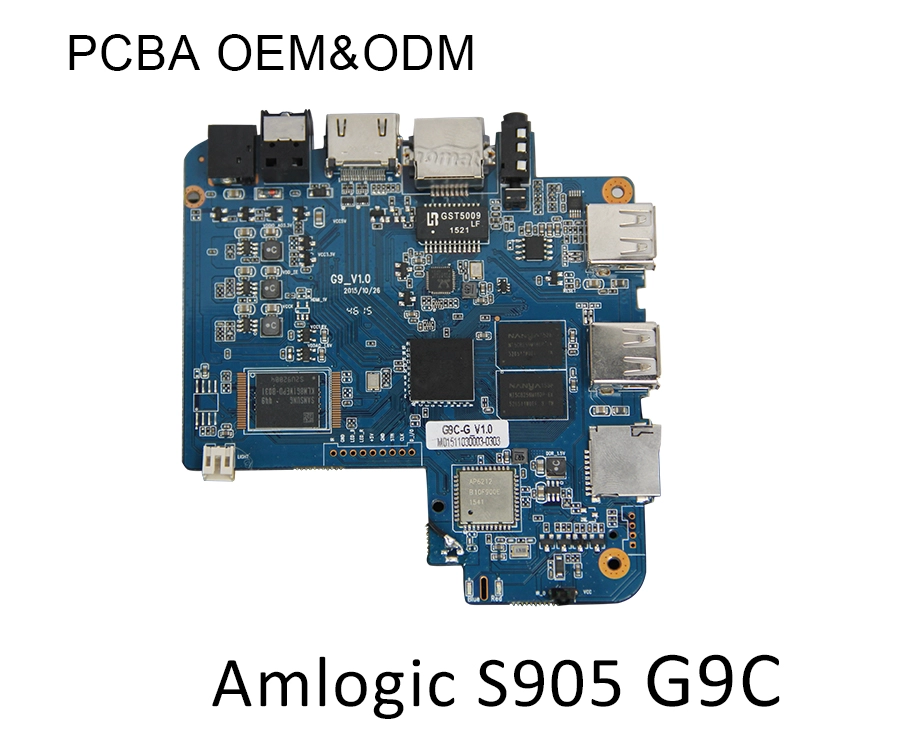
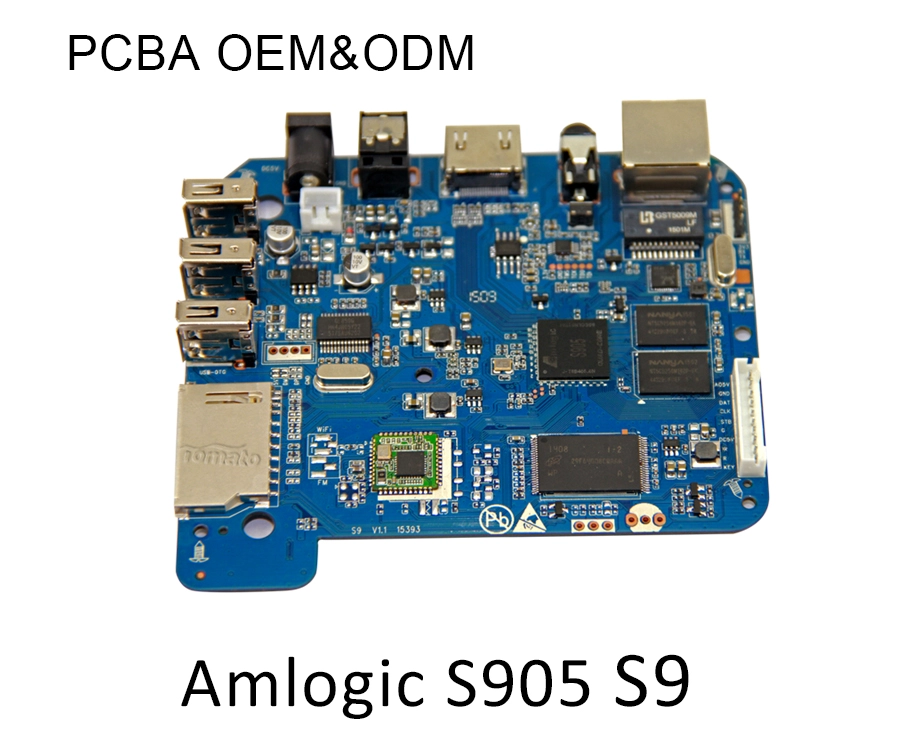
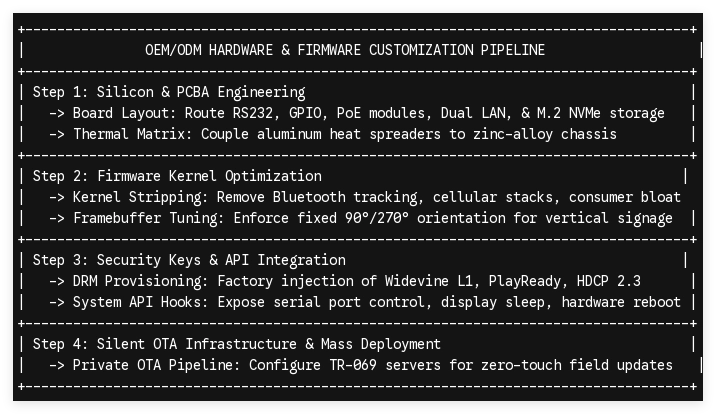
Transitioning from a consumer player to an Android Mini PC requires a manufacturing partner capable of executing board-level PCBA engineering and low-level Linux/Android kernel tuning.
Silicon Platforms Powering Next-Gen Android Mini PCs
- Amlogic S905X5M (Commercial Efficiency Benchmark): Fabricated on a modern 6nm process, the S905X5M pairs quad ARM Cortex-A510/A55 cores with an integrated 4 TOPS NPU. Consuming under 4W total thermal design power (TDP) during 4K@60fps AV1 video playback, this platform allows complete integration into sealed, fanless IP60-rated industrial housings.
- Rockchip RK3588 (High-Density Multi-Display Compute): For complex multi-screen video walls, interactive smart retail terminals, and vision-guided automation, the RK3588 provides an 8nm octa-core topology (4x Cortex-A76 + 4x Cortex-A55) alongside an integrated 6 TOPS NPU. It handles simultaneous multi-stream 8K video decoding and natively drives up to four independent displays via HDMI 2.1 and DisplayPort interfaces.
Kernel-Level Firmware Modifications
Standard retail Android OS distributions are bloated with background synchronization services, cellular radio management, and unnecessary Bluetooth scanning threads that consume RAM and trigger random CPU spikes. Customized B2B firmware circumvents these limits:
-
Monolithic Kernel Optimization: Recompiling the Linux kernel to drop consumer modules accelerates cold-boot times to under 12 seconds while freeing over 45% of system memory for the target commercial application.
- Orientation Locking: Hardcoding screen rotation parameters (0°, 90°, 180°, 270°) directly at the display driver layer guarantees that vertical commercial displays boot directly into portrait orientation without flickering or post-boot UI stretching.
-
Hardware Encryption & DRM: Injecting HDCP 2.2/2.3 and Widevine L1 cryptographic keys into secure hardware enclaves during factory assembly ensures seamless authorization for encrypted corporate media streams and premium OTT channels.
4. Accelerating Commercial Deployments with SZTomato
Deploying consumer media players like Roku into enterprise projects creates high long-term maintenance overhead, unscheduled downtime, and security vulnerabilities. Scaling a reliable commercial visual network requires purpose-built hardware tailored to your specific application requirements.
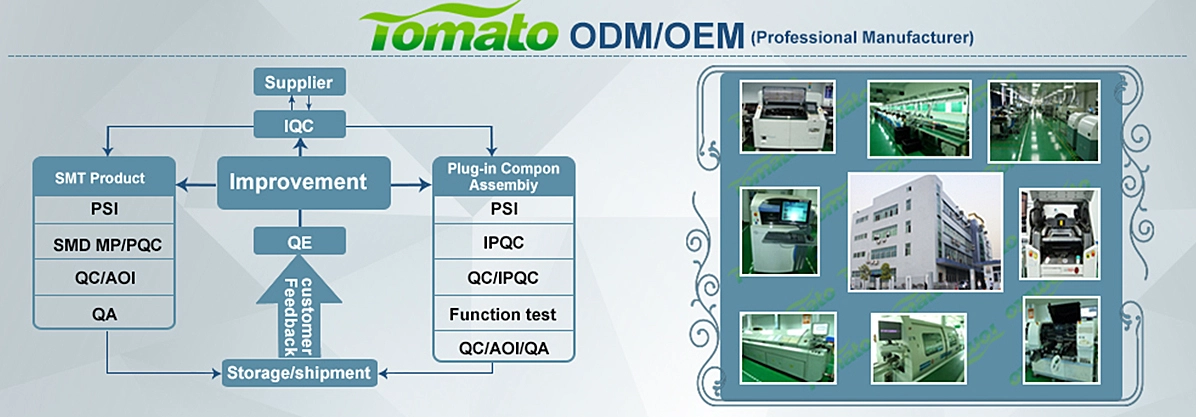
With over 16 years of direct manufacturing and engineering experience in the cross-border B2B electronics industry, SZTomato offers full-stack OEM/ODM hardware engineering services:
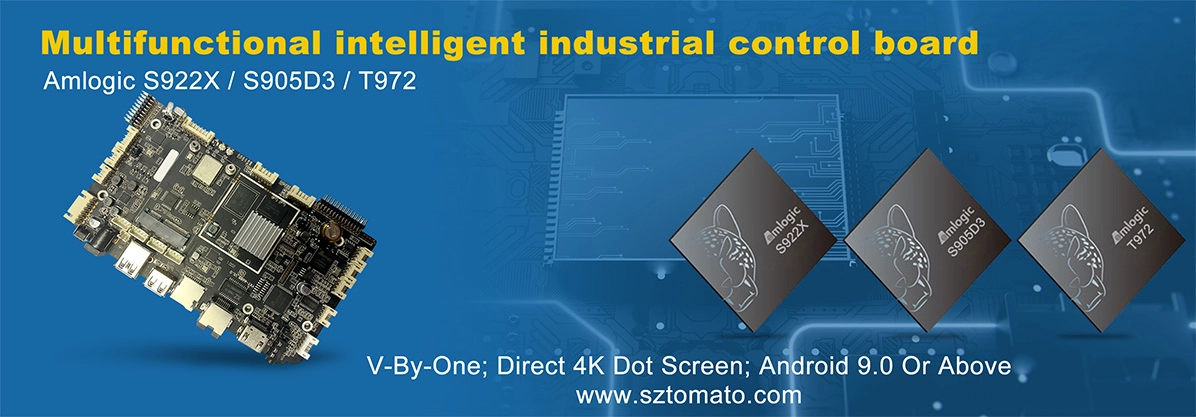
- Custom PCBA & Circuit Layout: Integration of specialized I/O (RS232/RS485, dual RJ45, GPIO, PoE, M.2 4G/5G/NVMe slots) and industrial thermal management systems.
-
Firmware & OS Customization: Deep Android OS kernel tuning, custom application auto-launch frameworks, complete UI lockdown, and private silent OTA updating architectures.
- Industrial Reliability Validation: Extended environmental chamber burn-in testing up to 60°C under full multi-stream video decoding load to ensure zero-throttling 24/7 continuous operation.
Partner with SZTomato for Enterprise Hardware Sourcing
Ready to replace fragile consumer streaming players with industrial-grade Android Mini PC hardware? Contact SZTomato’s B2B engineering division today to submit your project requirements, request custom PCBA schematics, and order evaluation hardware units.
Official Portal: www.sztomato.com
Engineering Capabilities: Custom PCBA Layout | Enterprise Android Firmware | Industrial Digital Signage Hardware | Silent TR-069 OTA Servers
Want to review custom PCBA schematics or request firmware sample specs?