What is the Google TV Box device on TV?
What is the Google TV Box Device on TV? An Enterprise Hardware & Customization Architecture Guide
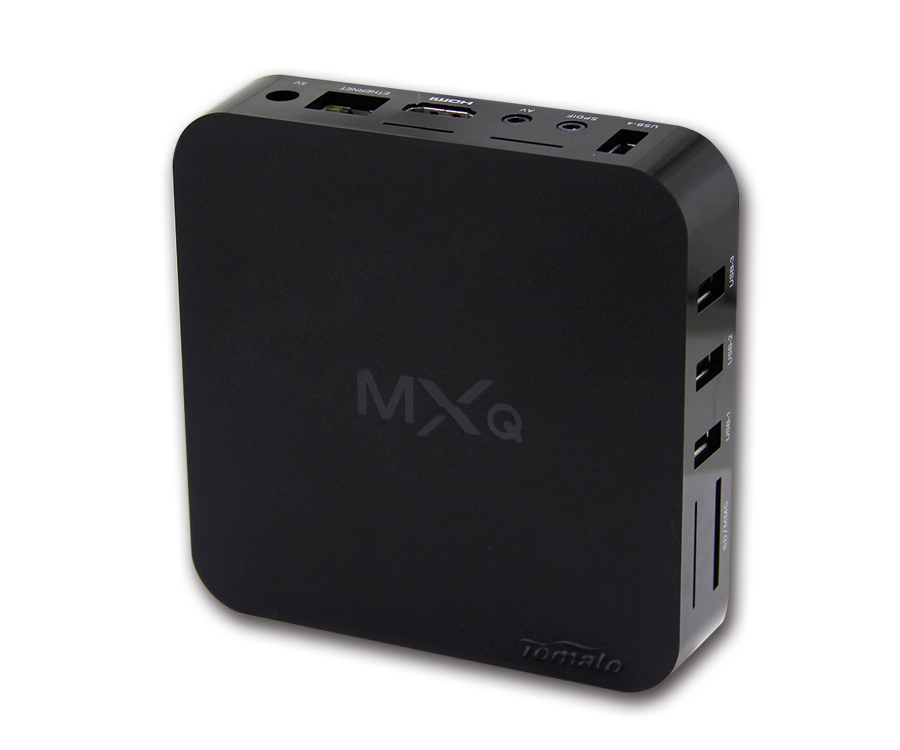
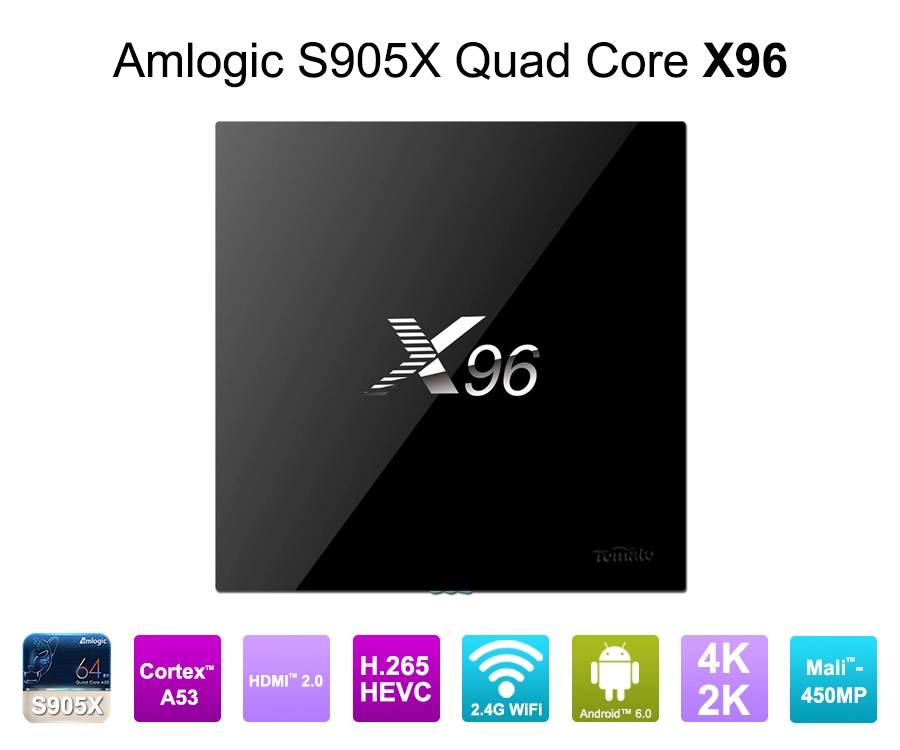
A Google TV Box is a dedicated hardware playback engine that connects to a display via HDMI to convert raw visual panels into cloud-managed, interactive endpoint nodes. At the consumer level, it aggregates content via Google’s launcher interface. However, at the enterprise level—for OTT operators, hospitality networks, and commercial digital signage integrators—the device represents a programmable hardware platform running a modified Android TV kernel.
Commercial deployment exposes the limits of off-the-shelf consumer TV boxes. Consumer streaming sticks lack the thermal headroom required for 24/7 continuous operation, lack legacy hardware ports (RS232, RJ45 Gigabit Ethernet), and run locked-down bootloaders that prevent system-level custom UI lockdown, kiosk mode execution, or proprietary remote management.
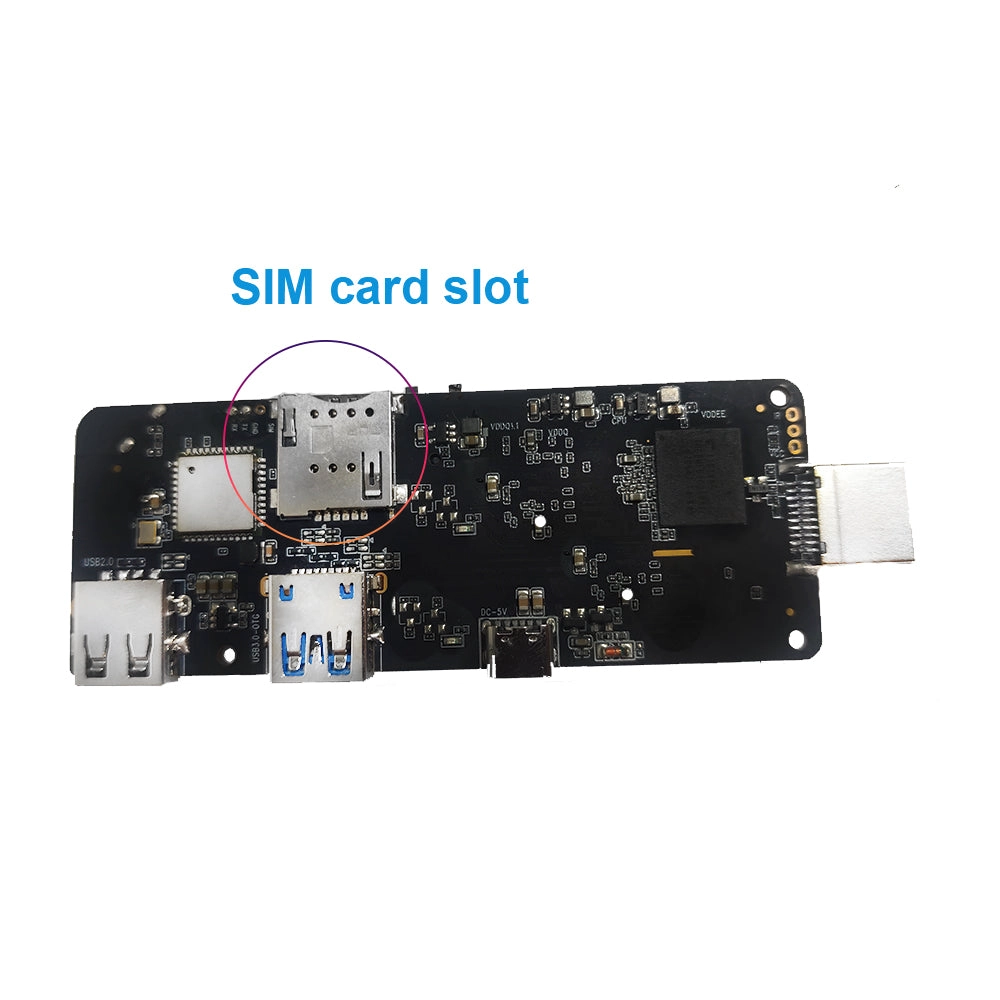
Understanding what a Google TV device actually is requires examining the underlying silicon, printed circuit board assembly (PCBA), and system-level firmware dependencies.
1. Core Hardware Architecture: System-on-Chip (SoC) & PCBA Engineering
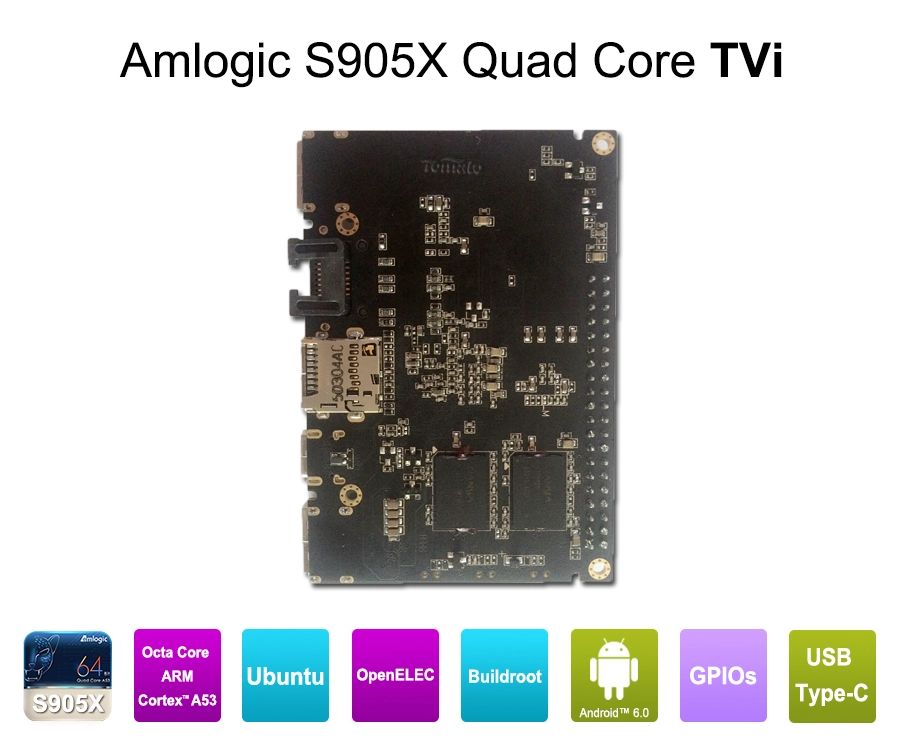
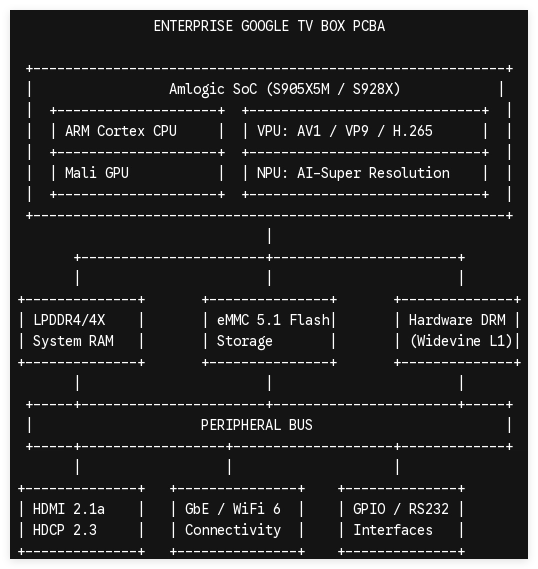
The functional core of every enterprise Google TV device is a specialized System-on-Chip (SoC), primarily built on ARM Cortex CPU architectures paired with dedicated video processing units (VPUs) and neural processing units (NPUs).
Silicon Selection: Silicon Trends for Commercial OTT & Signage
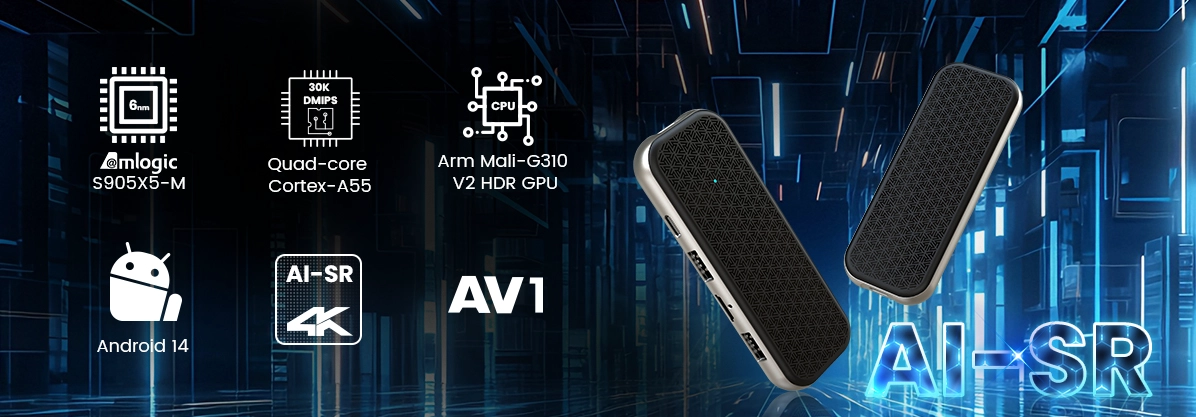
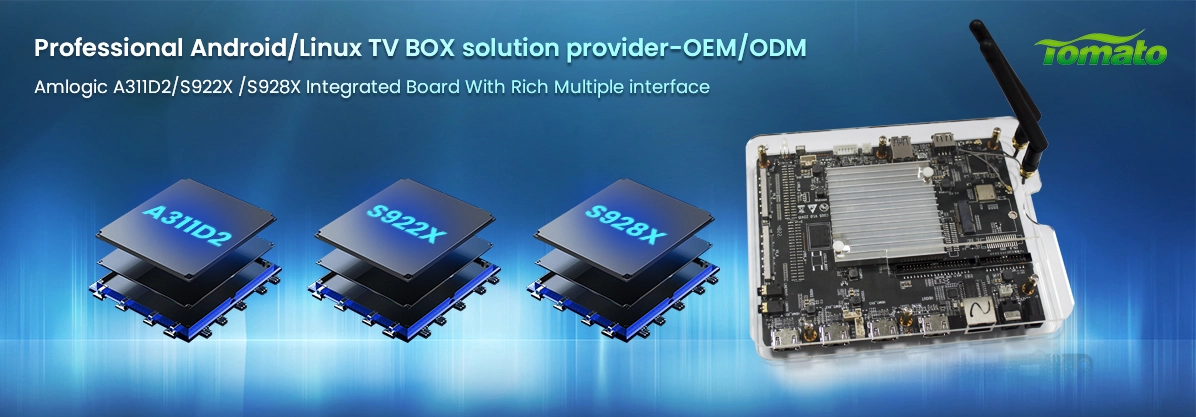
Modern deployments prioritize Amlogic SoCs (such as the S905X4, S905X5M, or flagship S928X) and Rockchip platforms (RK3588) due to native AV1 hardware decoding. AV1 compression reduces video streaming bandwidth requirements by 30% compared to HEVC/H.265 without loss of fidelity—a critical cost reduction factor when deploying thousands of digital signage endpoints over cellular or throttled network connections.
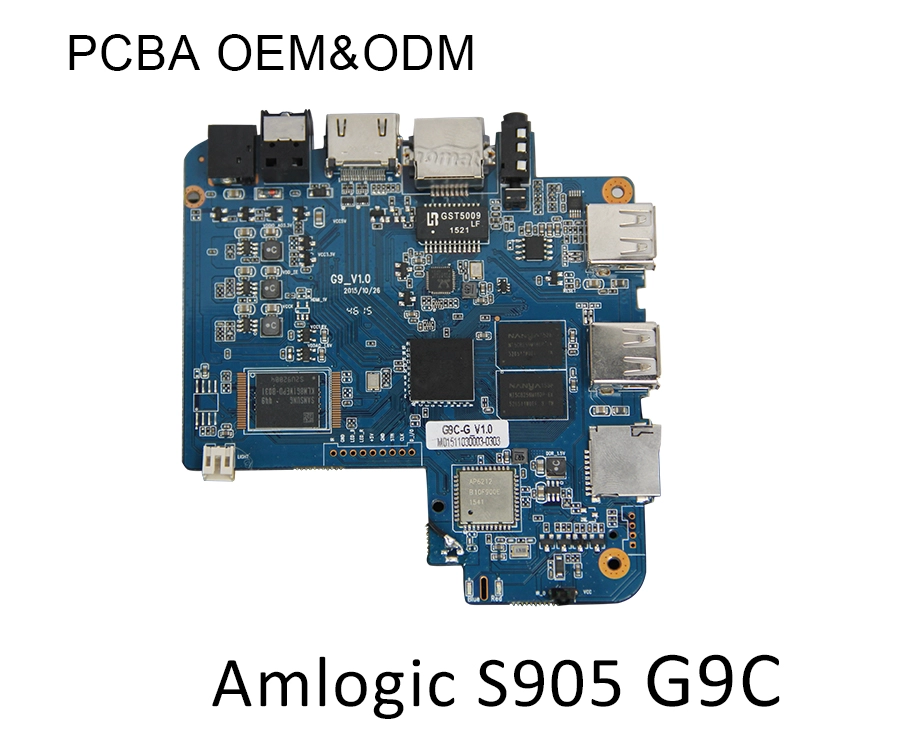
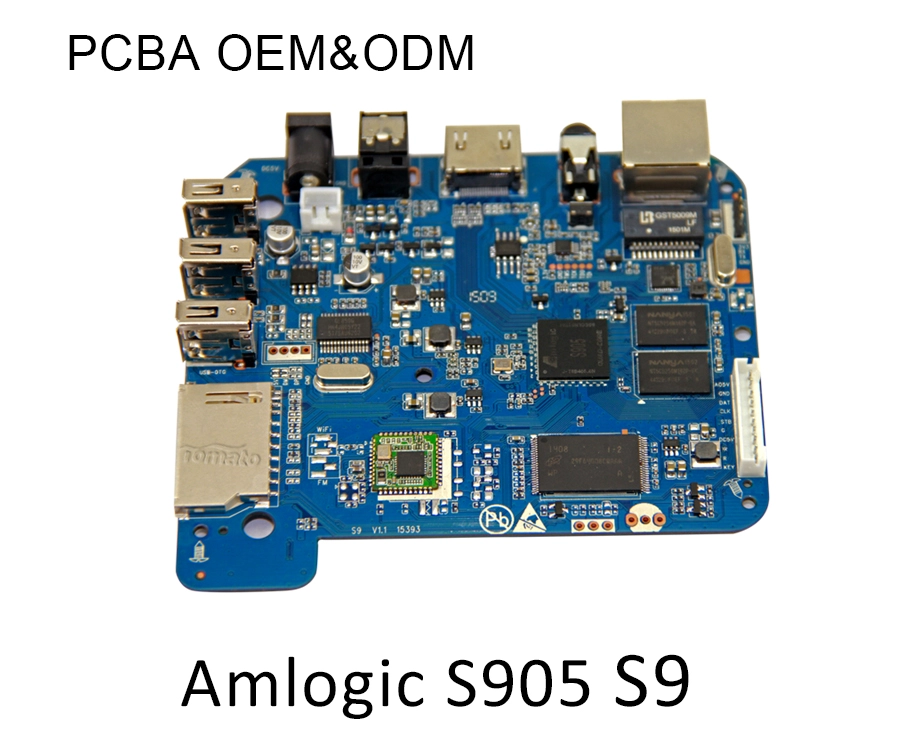
For enterprise-grade reliability, standard consumer reference boards must be re-engineered at the PCBA level:
-
Thermal Dissipation Protocols: Consumer boxes rely on passive, thin-gauge aluminum heat spreaders that cause thermal throttling within hours of sustained 4K/8K video rendering. Commercial PCBA layouts incorporate custom thermal pads coupled to extruded aluminum heatsinks or fanless zinc-alloy die-cast chassis designed for a continuous 24/7 duty cycle.
- Industrial I/O Integration: Enterprise deployments often require custom physical interfaces. OEM/ODM board engineering allows for the addition of RS232 serial ports (for display control commands), PoE (Power over Ethernet) modules, dual-band Wi-Fi 6 antennas, watchdog timer chips, and GPIO pins for external sensor triggers.
-
Signal Integrity & Protection: Industrial-grade power regulation circuit design includes Over-Voltage Protection (OVP), Electrostatic Discharge (ESD) protection diodes on HDMI 2.1 ports, and low-noise LDO regulators to maintain system stability under fluctuating commercial power grids.
2. Operating System & Firmware-Level Customization
While a consumer Google TV device boots into a standard launcher focused on personal streaming recommendations, commercial operators require total control over the software stack. OEM/ODM firmware engineering modifies the Android TV OS at the kernel and framework levels to lock down operations and streamline service management.
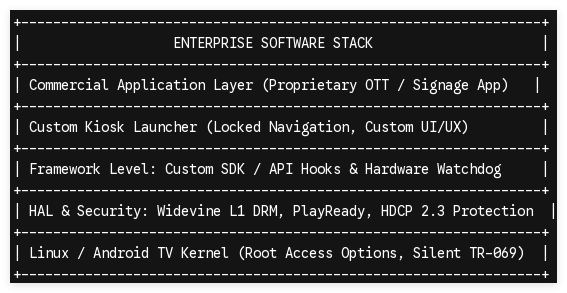
Key Firmware Modifications for Enterprise Deployments
-
Custom Boot Animation & Kiosk Launcher: Replacing standard Google launcher elements with a zero-delay, direct-to-app launch framework. Upon receiving power, the device bypasses setup wizards and boots directly into the operator's app within seconds.
-
Hardware Watchdog & Auto-Recovery: Industrial firmware integrates automated hardware reset loops. If an app crashes or experiences memory leaks, the kernel-level watchdog auto-restarts the application or performs a cold reboot to ensure zero display downtime.
-
System-Level SDK/API Integration: Granting system integrators full control over network settings, display rotation (portrait vs. landscape mode at the hardware output layer), frame rate matching, and peripheral control via dedicated APIs.
-
Security & DRM Provisioning: Incorporating Widevine L1, PlayReady, and HDCP 2.3 hardware-based security keys at the factory level. This ensures high-definition, encrypted content playback for premium IPTV and corporate broadcasting applications.
-
TR-069 / TR-369 & Private TR-069 OTA Servers: Enabling remote firmware management. Operators push silent, over-the-air (OTA) system updates to field-deployed units without user intervention or service interruption.
3. Commercial Comparison: Consumer Dongles vs. Custom Enterprise TV Hardware
Purchasing consumer-grade media players for commercial deployments creates operational risks, thermal failures, and licensing barriers. The structural differences between retail devices and specialized OEM/ODM hardware reflect distinct target use cases:
| Feature / Architecture | Consumer Streaming Dongle | Custom OEM/ODM Google TV Box (e.g., SZTomato) |
|---|---|---|
| Primary Use Case | Living room media consumption | 24/7 Digital Signage, Commercial OTT, Hospitality |
| Thermal Design | Basic heatsink; prone to thermal throttling | Engineered aluminum/alloy heat sinks; 24/7 sustained operation |
| I/O Connectivity | Micro-USB/Type-C (Power only), HDMI | HDMI 2.1, RJ45 GbE, RS232, GPIO, USB 3.0, Optical, SATA |
| OS Flexibility | Locked launcher; mandatory consumer UI | Custom Android OS, custom launcher, Kiosk Mode, root control options |
| Device Management | Consumer Google Account login | Silent TR-069/OTA update management, MDM API integration |
| Power Input | 5V/1A (USB-powered) | 12V DC input, Power over Ethernet (PoE) option |
| Hardware Lifecycle | 12–18 months (frequent hardware revision) | 5+ year industrial component lifecycle guarantee |
4. Accelerating Deployment with SZTomato OEM/ODM Solutions
For system integrators, telecom operators, and digital signage network managers, off-the-shelf streaming devices present too many operational constraints. Building hardware reliability demands direct collaboration with an experienced design and manufacturing partner.
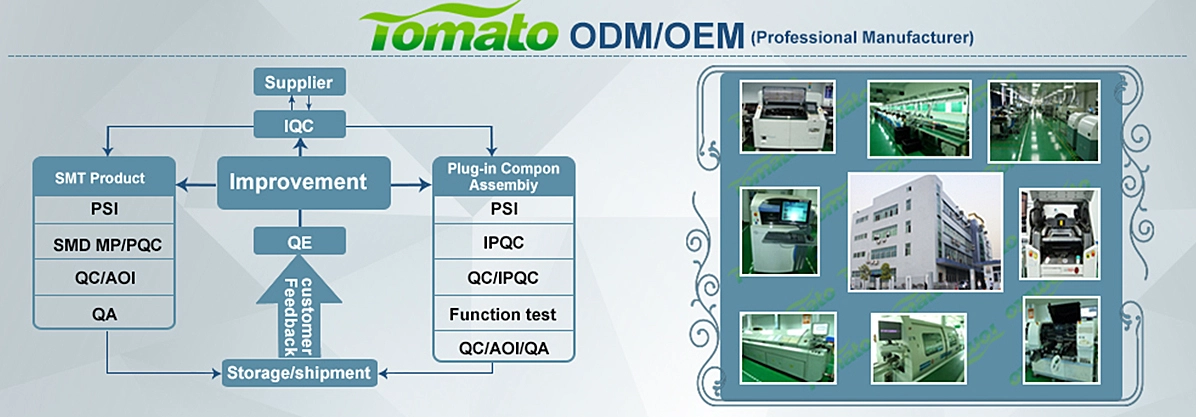
With over 16 years of expertise in the cross-border electronics sector, SZTomato delivers end-to-end OEM/ODM engineering services tailored to B2B hardware demands:
- PCBA Engineering & Hardware Customization: Custom board layouts featuring high-performance Amlogic (S905X5M, S928X) and Rockchip SoCs, extended RAM/eMMC options, custom I/O ports, and industrial cooling solutions.
-
Deep Firmware Engineering: Custom launcher integration, kernel-level optimizations, pre-installed client software, hardware watchdog configurations, and custom boot animations.
- Security & Compliance: Factory-level provisioning of Widevine L1, HDCP encryption, and Google TV / Android TV OS compliance.
- Lifecycle Management & Quality Assurance: Rigorous burn-in testing, long-term component availability, and dedicated private OTA server infrastructure for seamless device management.
Accelerate Your Commercial Hardware Deployment
Planning an enterprise OTT rollout or scaling a digital signage network? Contact SZTomato's engineering team today to review PCBA schematics, request custom firmware samples, and start your OEM/ODM project.
Website: www.sztomato.com
Services: Custom PCBA Layout | Android TV Firmware Engineering | Enterprise Digital Signage Hardware | Silent OTA Systems
Want to explore custom PCBA options or firmware specs for your deployment?