

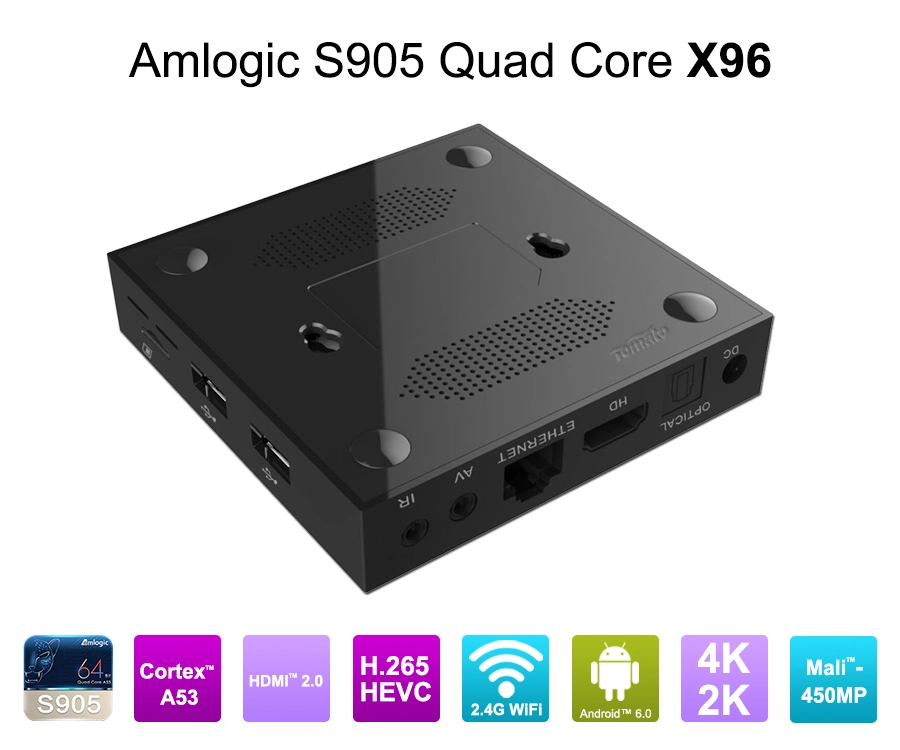
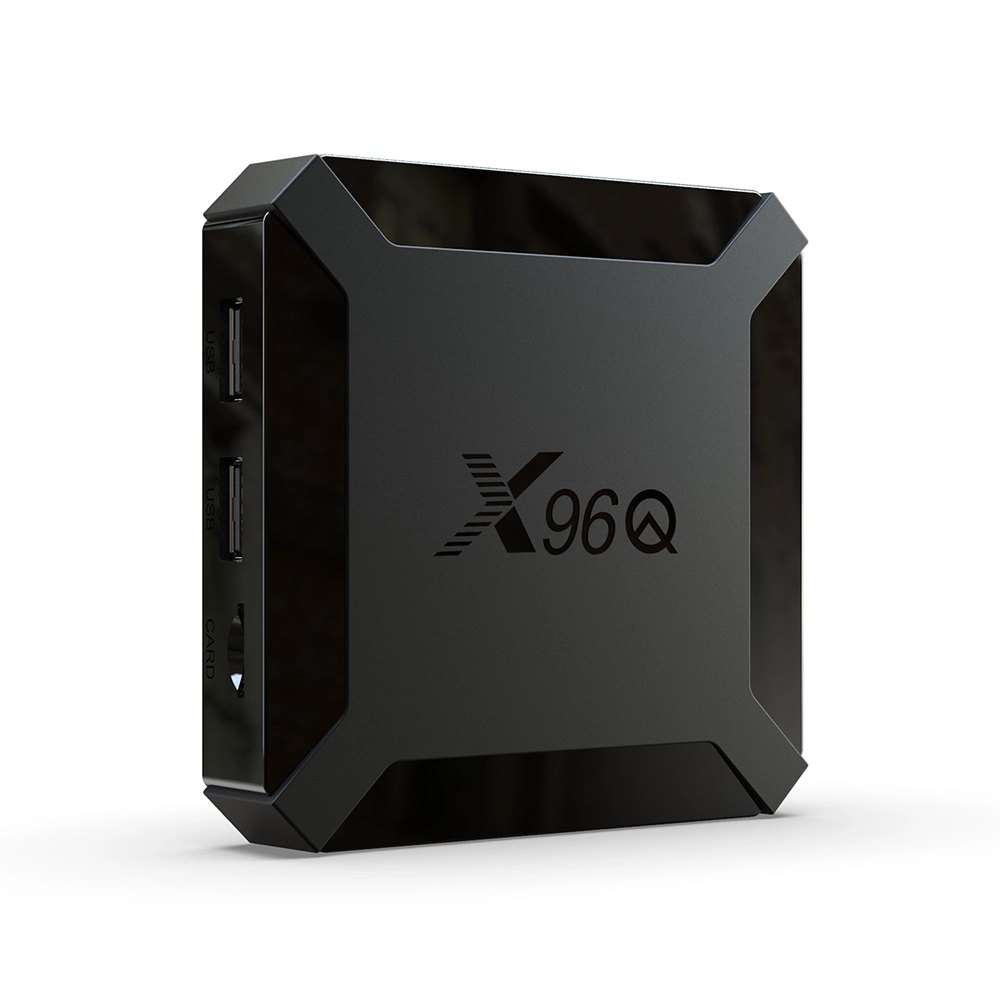
What is the Android TV Box in IPTV?
What is the Android TV Box in IPTV? Architecting Custom OEM Solutions for High-Retention Deployments
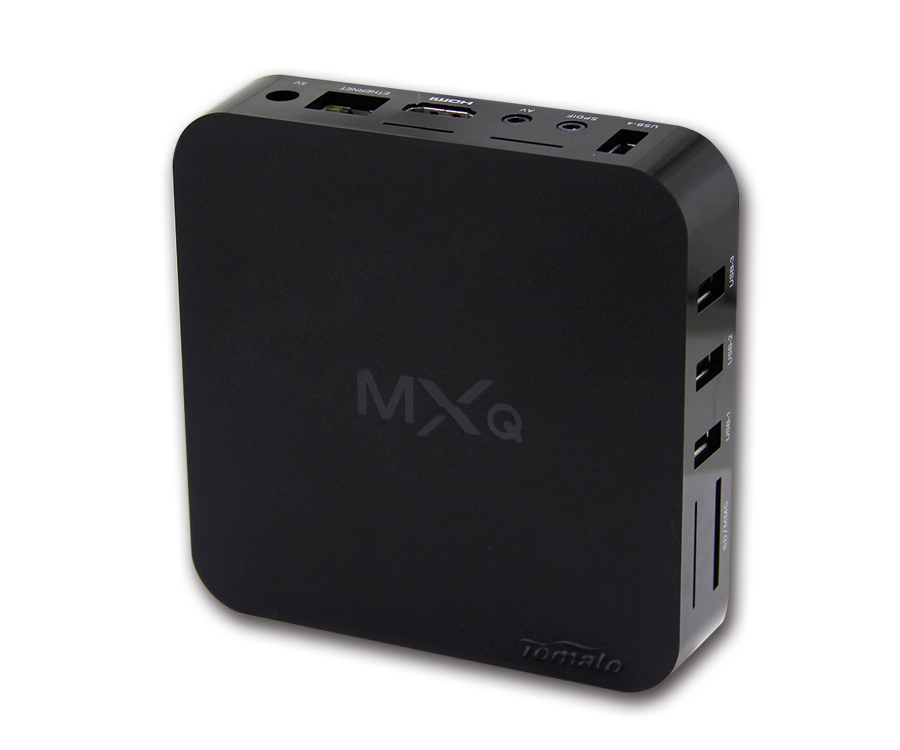
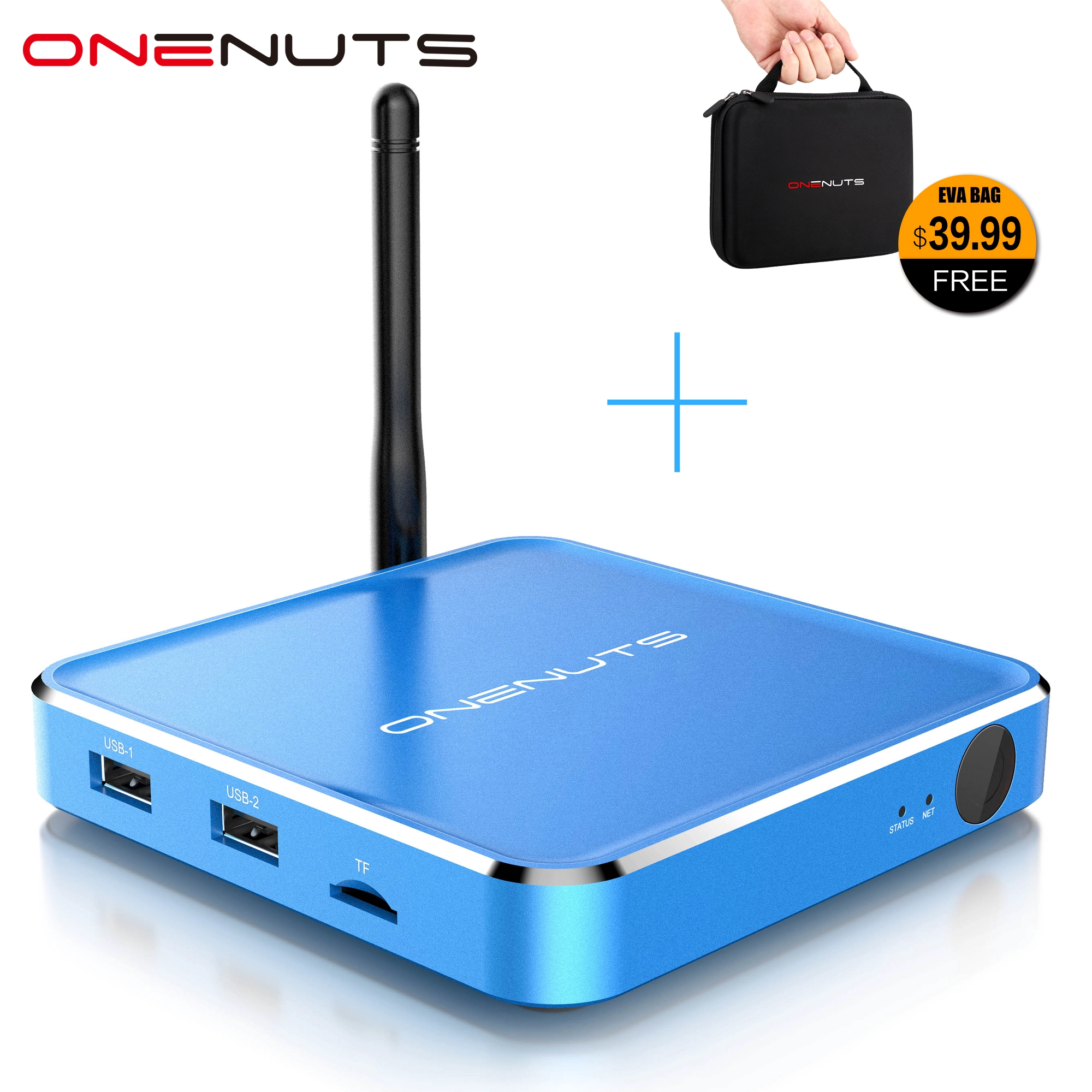
Hardware fragmentation remains the primary bottleneck for IPTV operators scaling beyond 10,000 concurrent subscribers. Off-the-shelf consumer hardware frequently fails to synchronize with proprietary middleware, resulting in latency, dropped frames, and high support ticket volumes. An enterprise-grade Android TV Box in an IPTV ecosystem is not a passive peripheral; it is a dedicated, firmware-optimized edge node engineered for continuous, high-bitrate video decoding. Understanding its exact function requires moving beyond retail specifications and analyzing the integration of hardware architecture with deployment mechanics.
SoC Architecture: The Foundation of Video Decoding
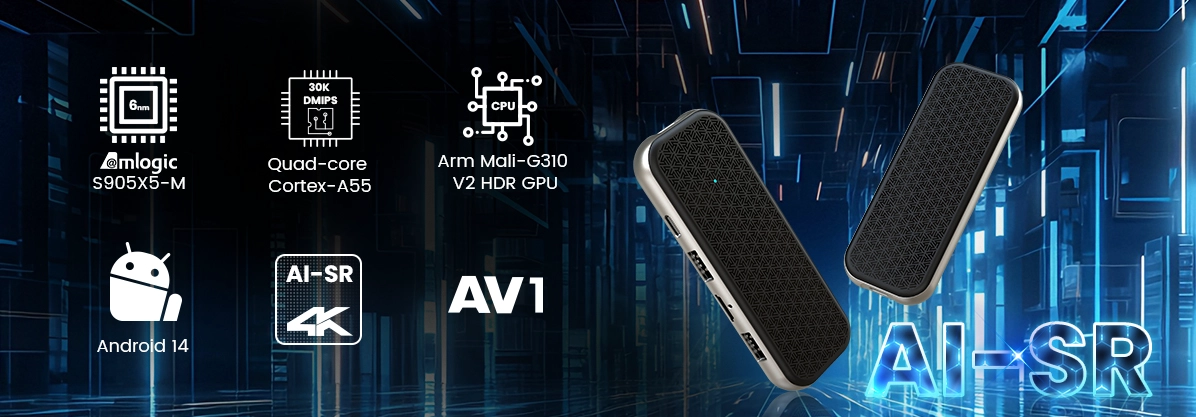
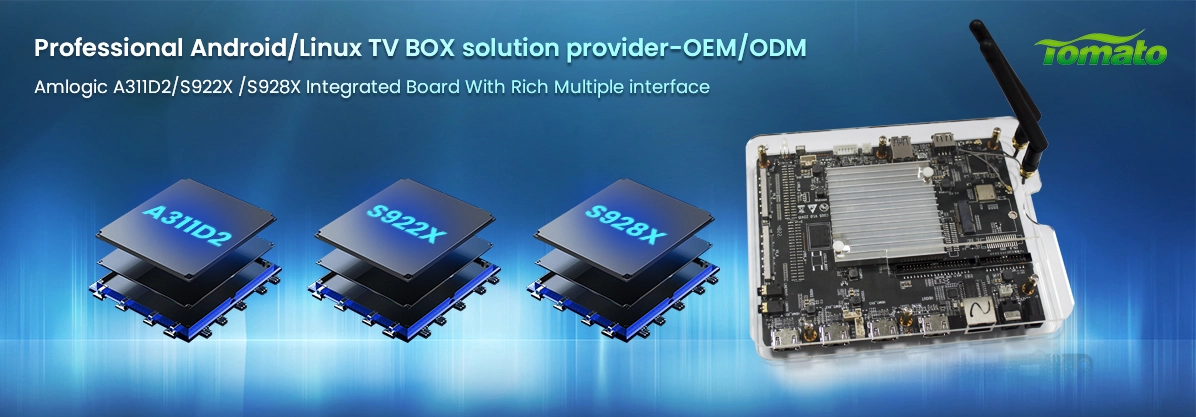
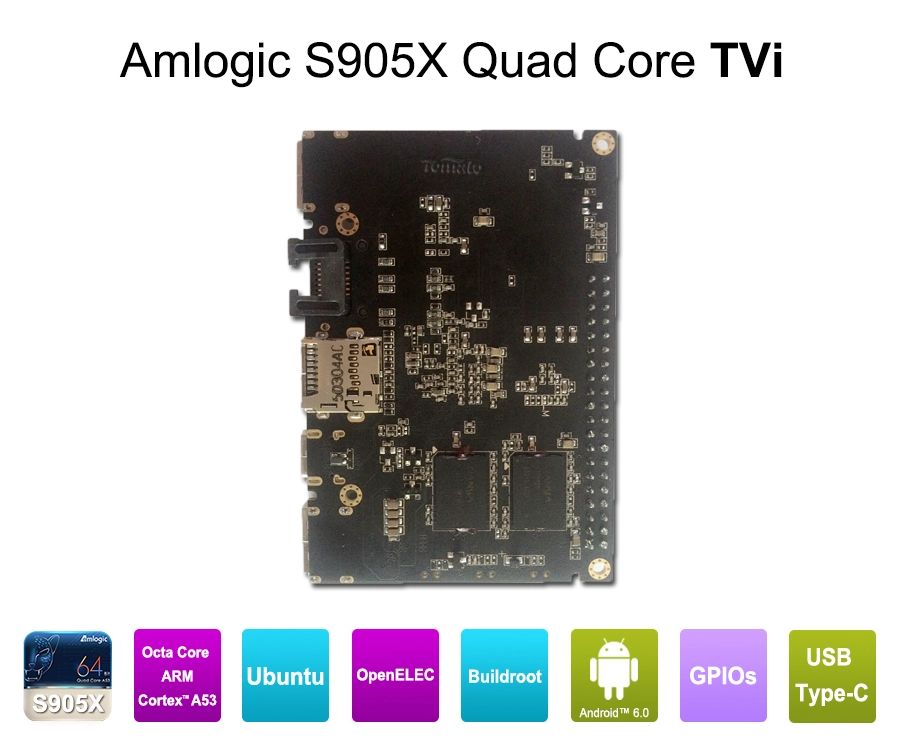
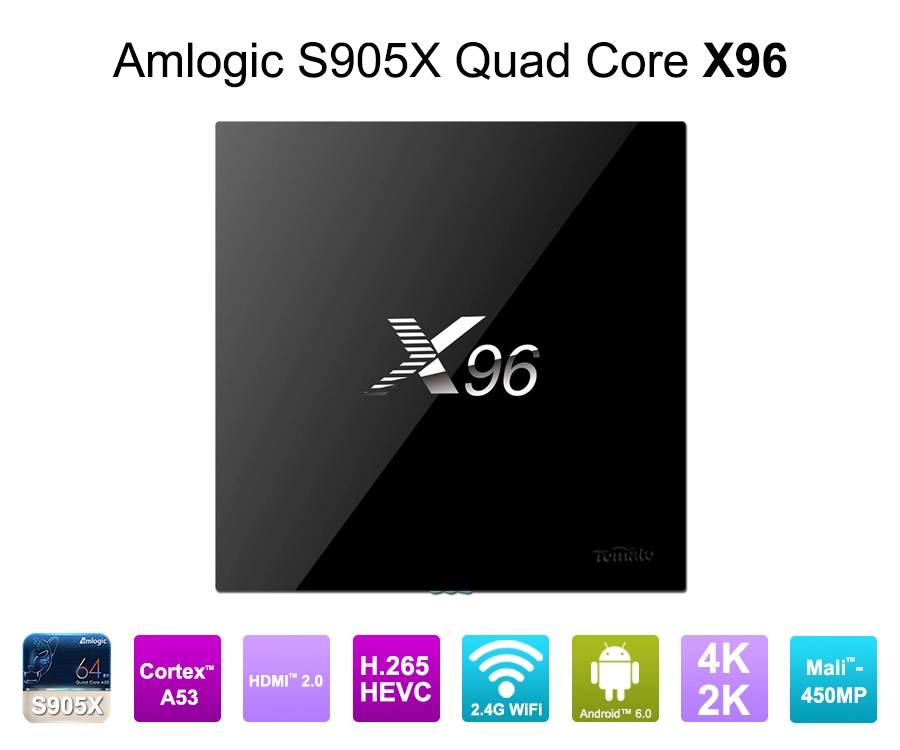
Relying on generic chipsets introduces thermal throttling during prolonged 4K or 8K playback. Enterprise deployments must anchor on purpose-built Systems-on-Chip (SoC) such as the Amlogic S905X4, Amlogic S928X, or Rockchip RK3588. These architectures provide hardware-level AV1 decoding, reducing bandwidth consumption by up to 30% compared to legacy HEVC/H.265 standards without degrading visual fidelity.
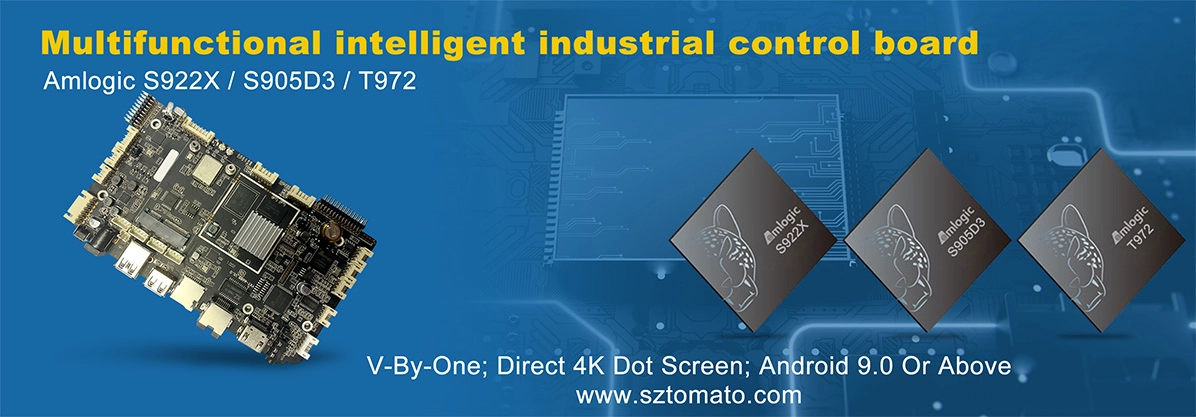
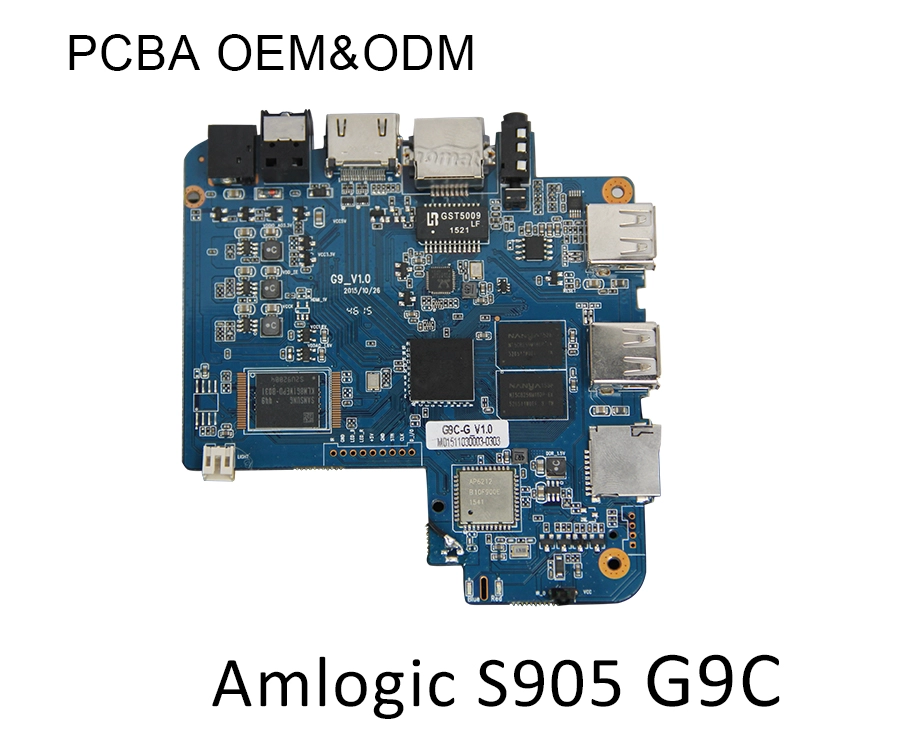
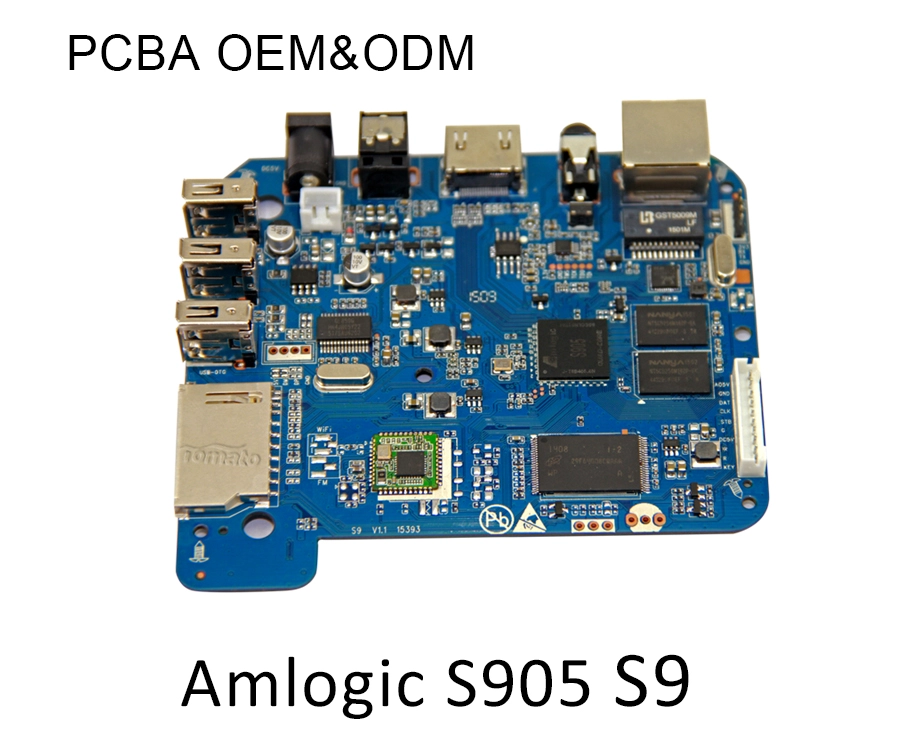
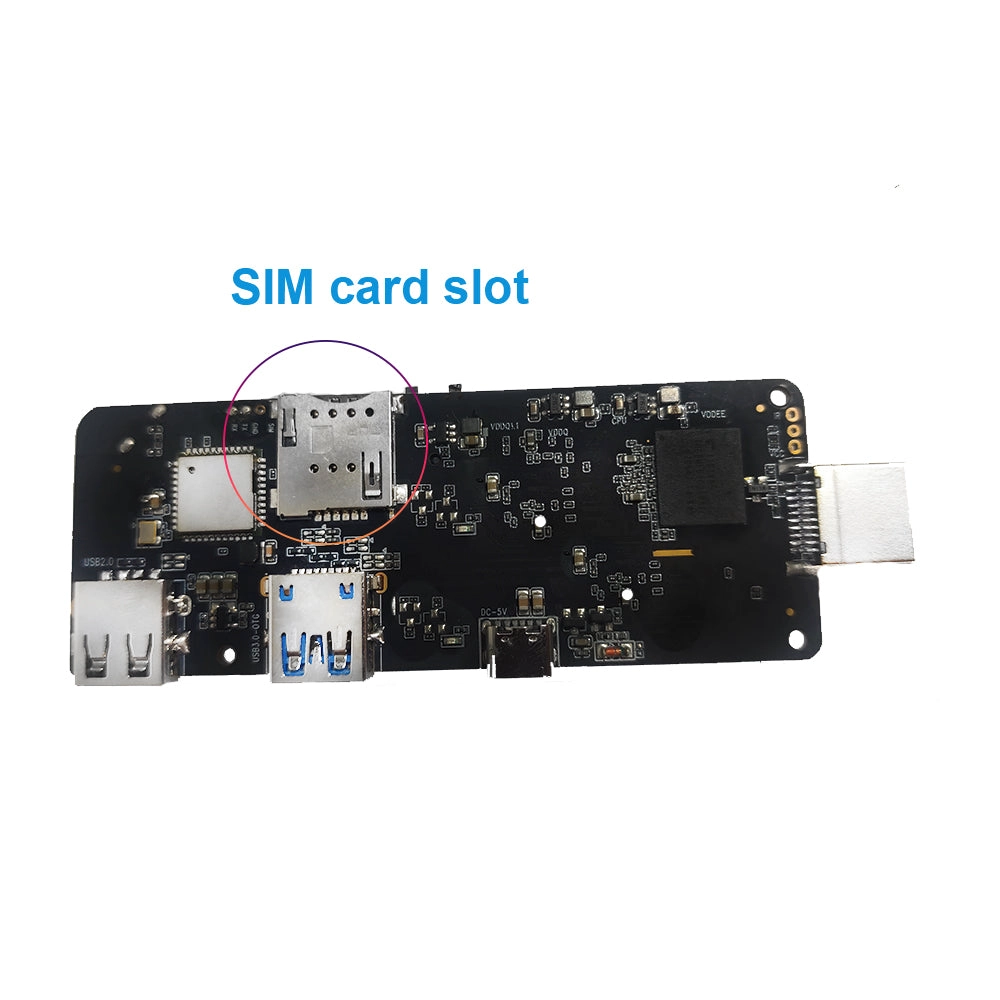
Furthermore, the physical PCBA (Printed Circuit Board Assembly) design dictates network stability. Custom OEM modifications ensure the integration of dedicated Gigabit Ethernet controllers and eMMC storage modules optimized for high write-cycle endurance. This prevents cache saturation during live multi-cast broadcasts, a common failure point in retail-grade set-top boxes.
Firmware Engineering: Overcoming Middleware Friction
Integrating operator middleware platforms—such as Ministra, Stalker, or customized Xtream UI configurations—requires deeper system access than consumer Android allows. Standard AOSP (Android Open Source Project) builds lack the specific API endpoints necessary for zero-touch provisioning.
ODM customization solves this by locking down the firmware environment. Firmware engineers hardcode the middleware URL directly into the boot sequence, bypassing the default Android home screen and launching the IPTV portal immediately upon startup. Additionally, integrating DRM frameworks (such as Widevine L1 or Microsoft PlayReady) at the kernel level is mandatory for decrypting premium licensed content without triggering HDCP handshake failures.
The OEM/ODM Lifecycle: Scaling Operational Deployment
Sourcing a white-label device is insufficient for operators building a defensible brand ecosystem. True ODM (Original Design Manufacturing) encompasses the entire production lifecycle. This involves custom tooling for thermal-efficient enclosures, bespoke RCU (Remote Control Unit) mapping with programmable hotkeys for VoD and EPG access, and the deployment of proprietary Over-The-Air (OTA) update servers.
Establishing a dedicated OTA pipeline ensures operators can push critical security patches, update boot logos, or force middleware client updates entirely independent of third-party app stores. This closed-loop system reduces field maintenance costs and guarantees version uniformity across the subscriber base.
Activating Your Hardware Strategy
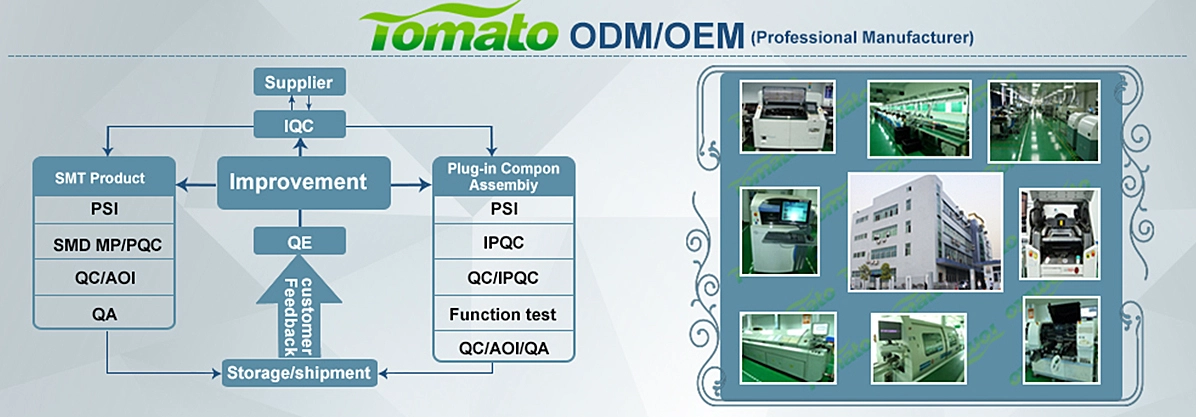
Standardized hardware caps IPTV revenue potential. Transitioning to a fully customized Android TV Box architecture aligns hardware decoding capabilities directly with your software demands. For operators requiring PCBA modification, firmware-level middleware integration, and scalable production, Shenzhen Tomato Technology Co., Ltd (SZTomato) provides 16 years of OEM/ODM engineering expertise. Connect with our engineering team today to architect your next-generation IPTV hardware deployment.
