
What is the best Set-Top Box (STB)?
What is the Best Set-Top Box (STB)? Architecting Hardware for Zero-Touch B2B Deployments
The transition to 4K AV1 streaming and AI-enhanced Super Resolution (AI-SR) has exposed critical thermal and processing deficiencies in legacy operator hardware. When internet service providers (ISPs), hoteliers, and digital signage integrators ask, "What is the best Set-Top Box (STB)?", the answer is never a universal consumer off-the-shelf (COTS) product. The optimal STB is a highly customized edge computing node. Enterprise-grade STB selection requires an exact alignment of System-on-Chip (SoC) capabilities, proprietary PCBA engineering, and firmware-level middleware integration to minimize Total Cost of Ownership (TCO).
Resolving Decoding Bottlenecks with Advanced SoC Architecture
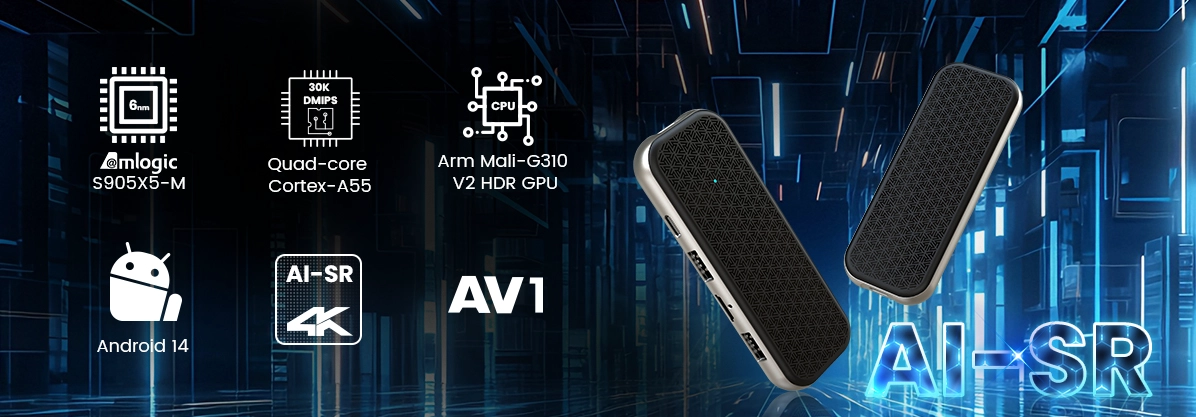
At the core of STB performance is the silicon. Consumer-grade processors frequently experience thermal throttling during sustained high-bitrate video decoding, leading to dropped frames and desynchronized audio. The highest-performing STBs in the current market are anchored by purpose-built chipsets like the Amlogic S905X5M or Rockchip RK3588.
These advanced architectures feature native hardware-level AV1 decoding. By shifting the decoding burden from software to dedicated silicon pathways, operators can reduce network bandwidth consumption by up to 30% compared to legacy H.265/HEVC standards. Furthermore, integrating NPU (Neural Processing Unit) components allows for AI-SR, upscaling 1080p source feeds to 4K output dynamically, which is highly advantageous for operators managing constrained infrastructure pipelines.
Architecting Firmware for Zero-Touch Provisioning
The physical hardware is obsolete if it cannot seamlessly interface with operator middleware (e.g., Ministra, Stalker). Standard Android Open Source Project (AOSP) builds or generic Android TV interfaces create unnecessary friction, forcing end-users to navigate complex menus to access core services.
The best Set-Top Box (STB) for operators utilizes deeply customized ODM firmware. Engineering teams modify the bootloader to execute zero-touch provisioning, hardcoding the middleware URL directly into the boot sequence. This bypasses the default launcher, booting the device instantly into the operator's proprietary portal. Concurrently, secure boot mechanisms and kernel-level integration of DRM frameworks—specifically Widevine L1 and Microsoft PlayReady—are mandated to secure premium video streams and satisfy studio compliance requirements.
PCBA Design and Thermal Durability Trends
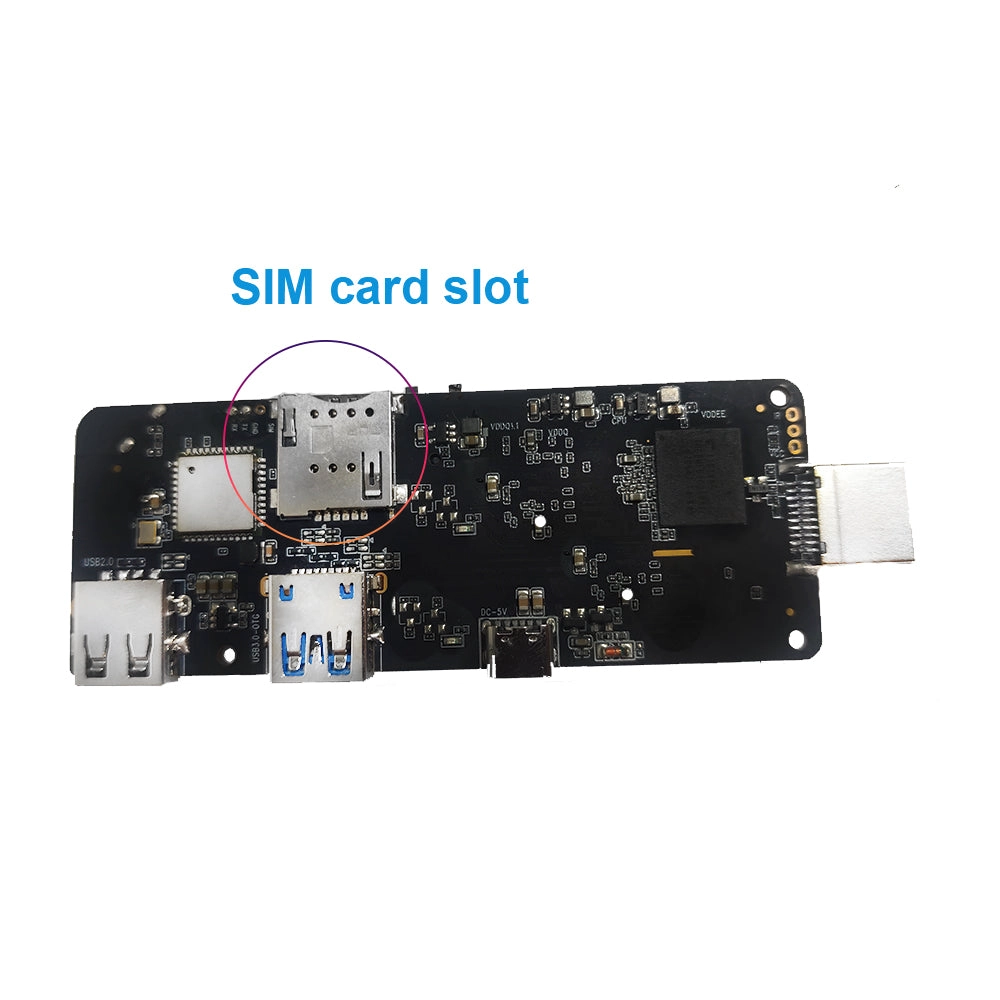
Retail STBs are engineered for intermittent daily use; B2B deployments demand 24/7 operational stability. The defining differentiator of a premium STB lies in its Printed Circuit Board Assembly (PCBA) design.
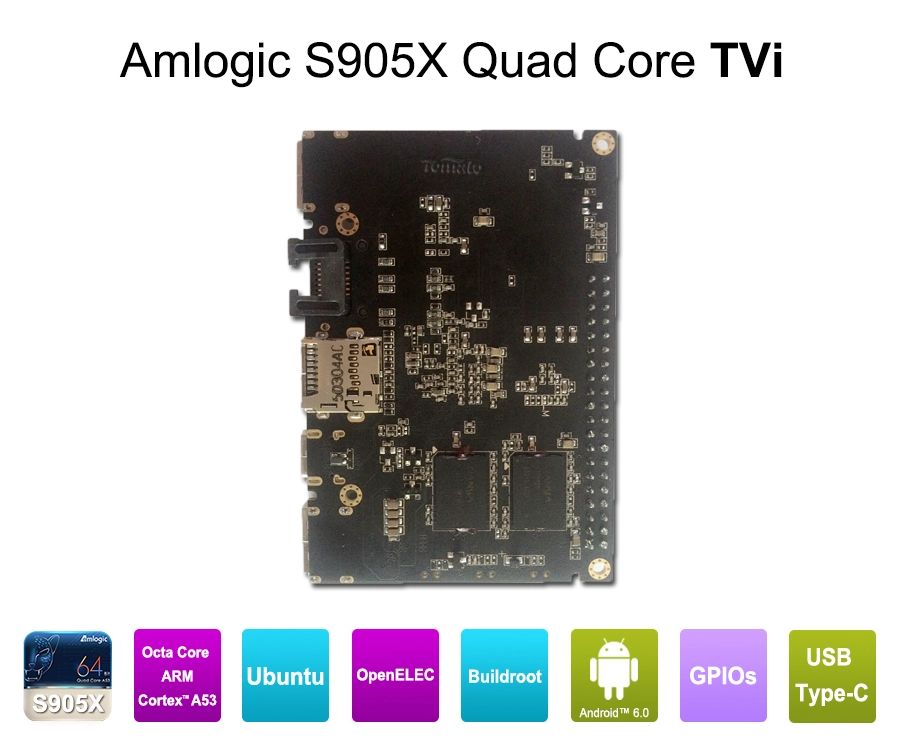
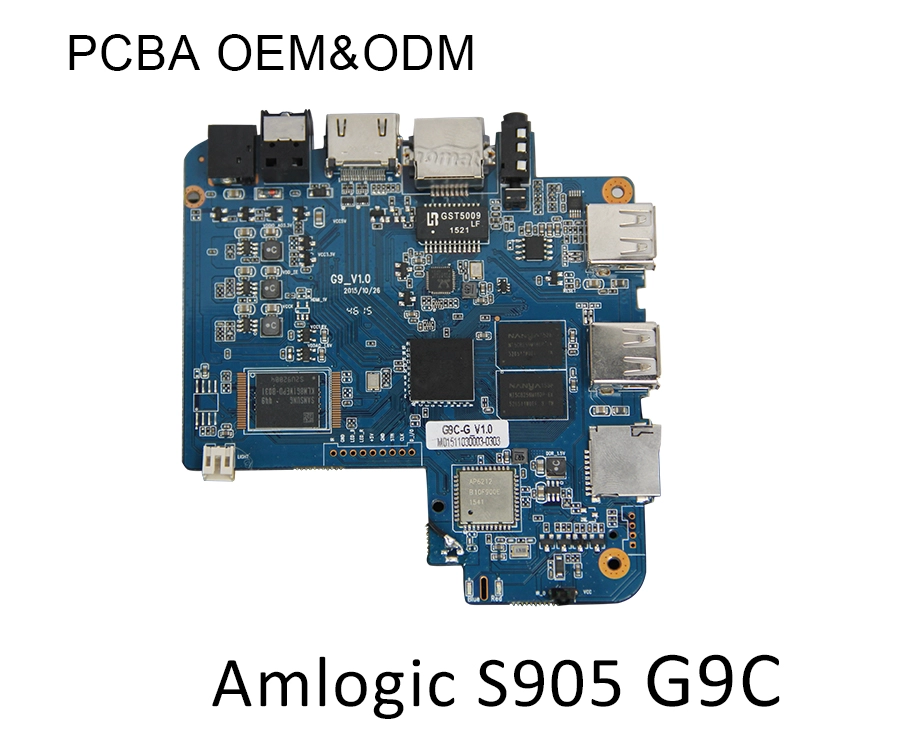
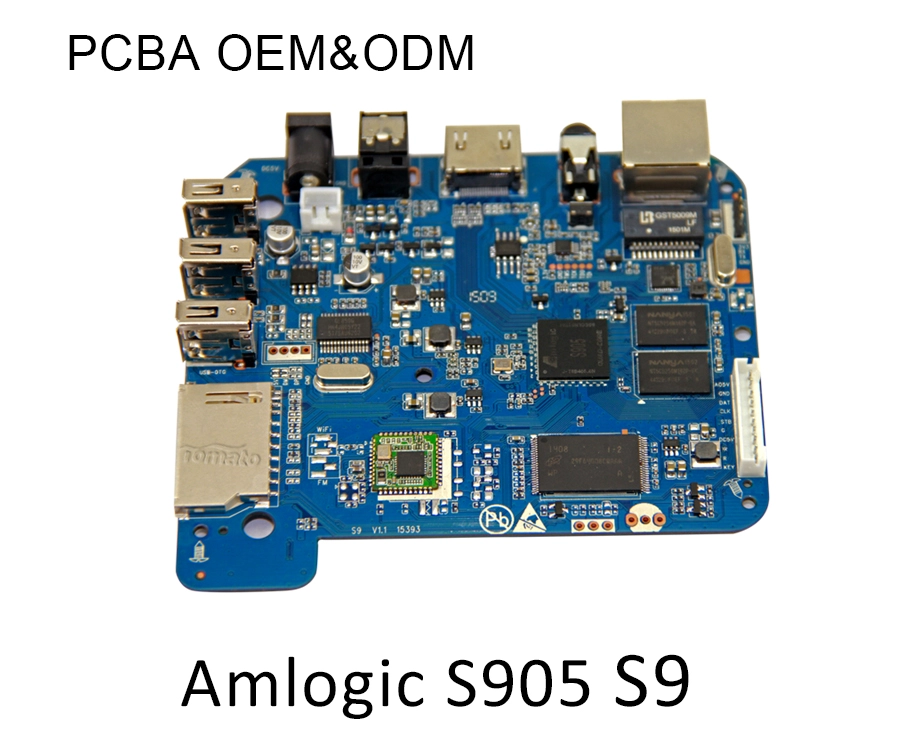
High-density deployments require specific board-level modifications. This includes the implementation of industrial-grade eMMC storage modules capable of withstanding the continuous read/write cycles of application caching and Over-The-Air (OTA) updates. Additionally, custom thermal dissipation solutions—such as enlarged copper heat sinks integrated directly into the chassis design—prevent CPU degradation during continuous operation in high-ambient-temperature environments, such as enclosed digital signage kiosks or unventilated hospitality racks.
Securing Your Hardware Supply Chain
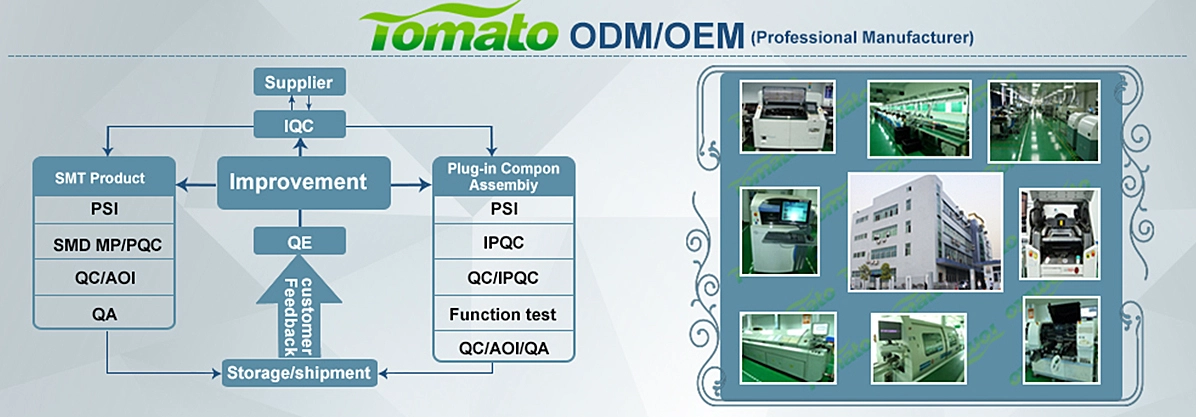
Procuring the ideal Set-Top Box (STB) is an engineering decision, not a retail transaction. Off-the-shelf hardware imposes rigid limitations on API integration and deployment scalability. To achieve low latency, high retention, and complete control over the user interface, operators must partner with specialized OEM/ODM manufacturers capable of executing custom PCBA fabrication and kernel-level firmware modifications. Audit your current hardware failure rates and consult with a dedicated hardware engineering team to design a bespoke STB architecture optimized for your specific middleware and network environment.
