
What is the Internet TV Box device on TV?
What Is the Internet TV Box Device on TV? An Enterprise Hardware & Architecture Deep Dive
The commercial deployment of Android OTT (Over-the-Top) media players has moved past basic application-layer stability. With global streaming infrastructure migrating to the hardware-efficient AV1 codec—which delivers up to a 30% bandwidth reduction compared to H.265—enterprise system integrators are hitting performance bottlenecks on standard consumer-grade hardware. When deployed in commercial environments like hotel IPTV setups, digital signage arrays, or edge-computing video nodes, standard retail internet TV boxes often fail due to thermal throttling, inflexible storage allocations, and unmanaged Android operating system update cycles.
For procurement managers and engineering teams, evaluating an internet TV box requires looking closely at components below the application layer: the Silicon SoC architecture, custom printed circuit board assembly (PCBA) layouts, and low-level kernel optimizations that ensure long-term stability and security in the field.
1. Underlying Silicon Architecture: Inside an Enterprise Media Node
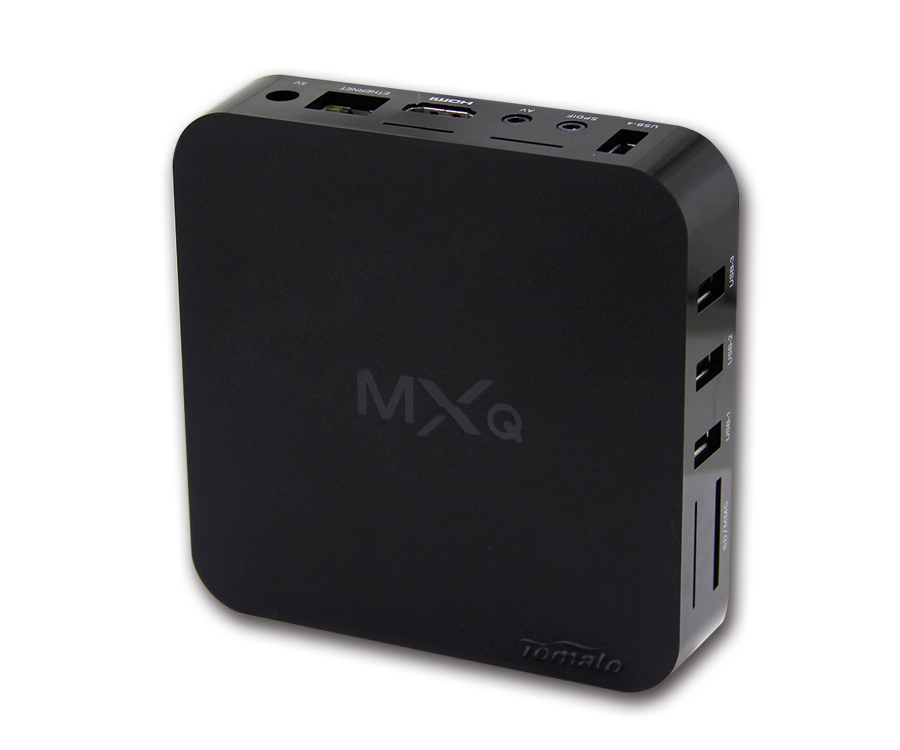
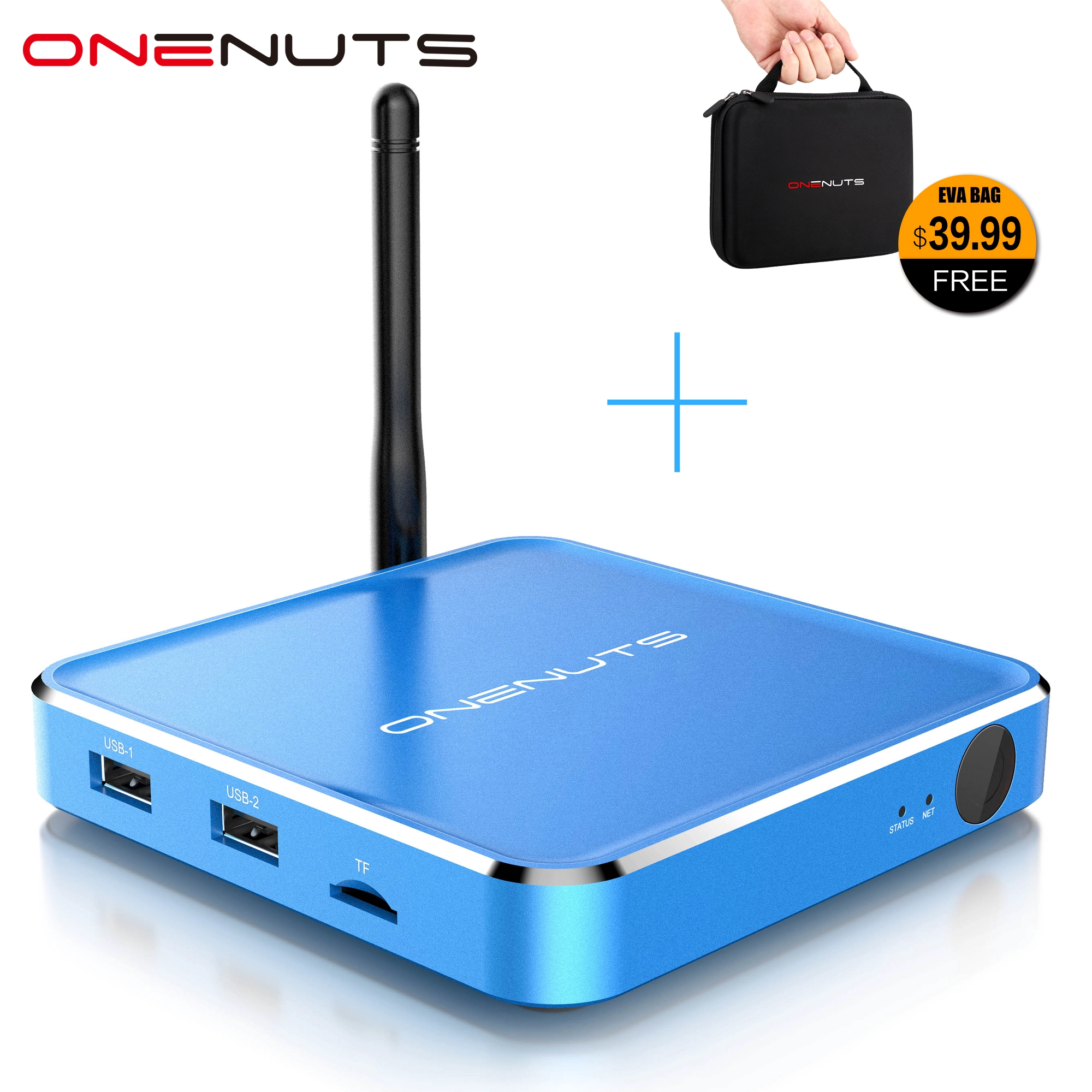
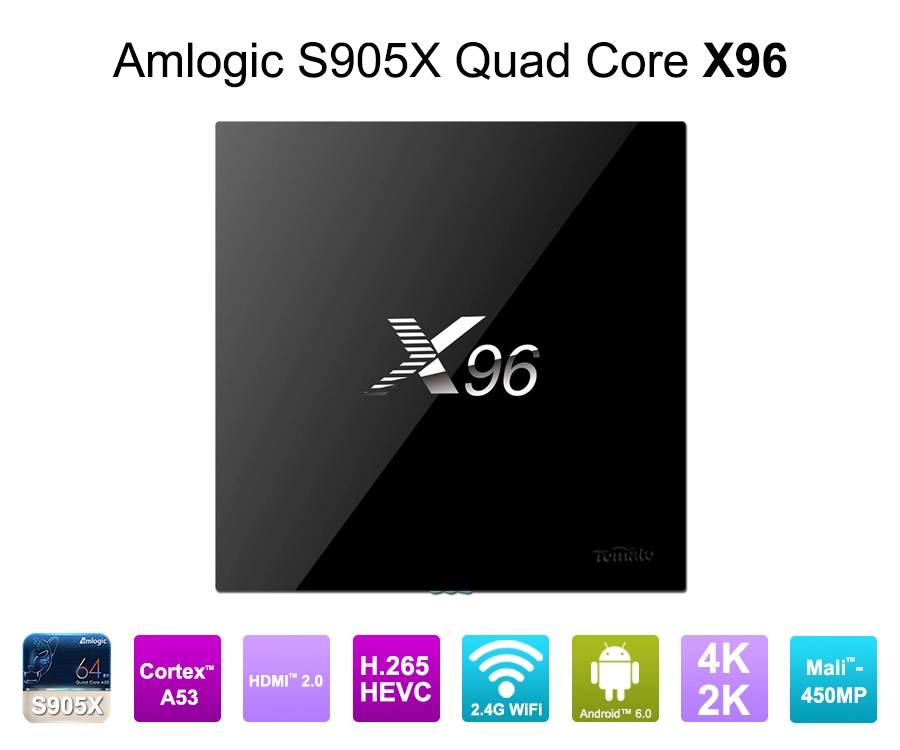
At its core, a commercial internet TV box operates as a dedicated computing device that translates network data packets into low-latency, high-bitrate video signals. Unlike generic office hardware, these units rely on specialized application processors optimized for continuous media pipelines.
System-on-Chip (SoC) & Processing Topologies
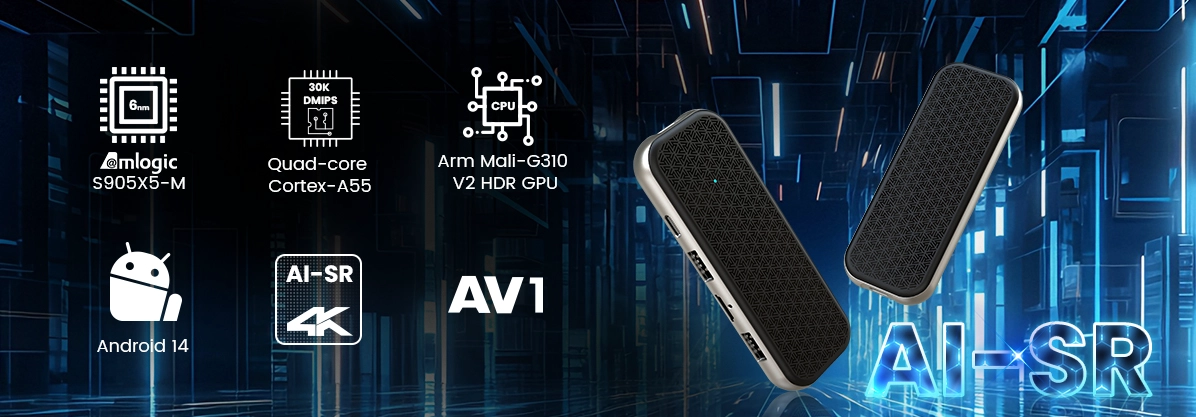
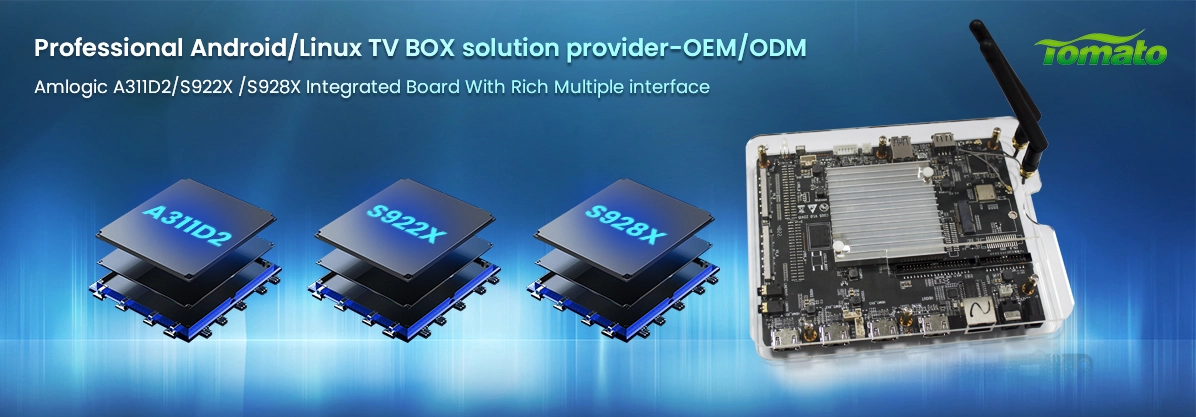
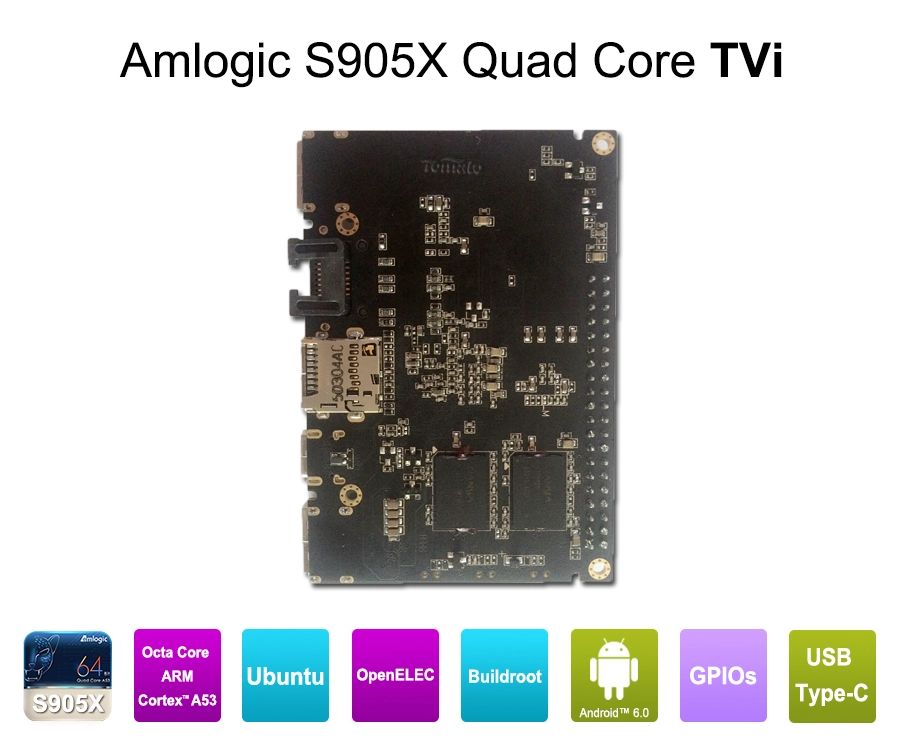
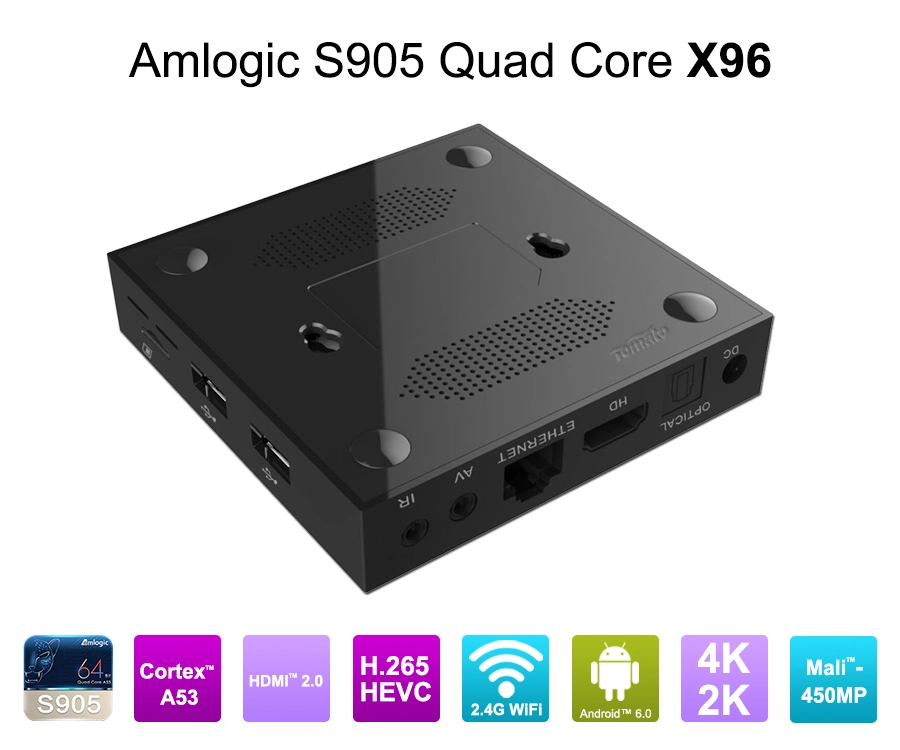
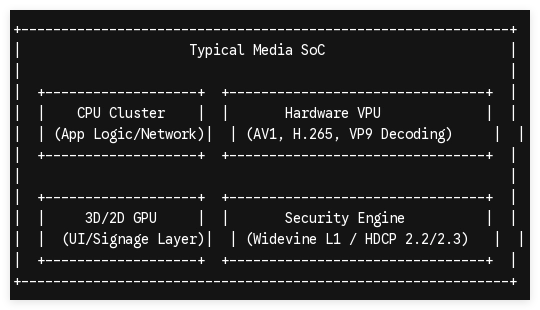
Commercial-grade deployments generally leverage specialized chipsets, such as the Amlogic (e.g., S905X4 or S928X series) or Rockchip architectures. These chips split computing duties across distinct hardware blocks:
-
CPU Clusters: Handle application logic, network protocol stacks, and device management operations.
-
Dedicated GPUs: Process user interface rendering, programmatic animations, and multi-layered web views for digital signage dashboards.
-
Hardware Video Decoders (VPU): Crucial for processing high-bitrate HEVC, H.265, and AV1 streams directly at the silicon level without overloading the main CPU cores.
Memory Bandwidth & Commercial Peripheral Busses
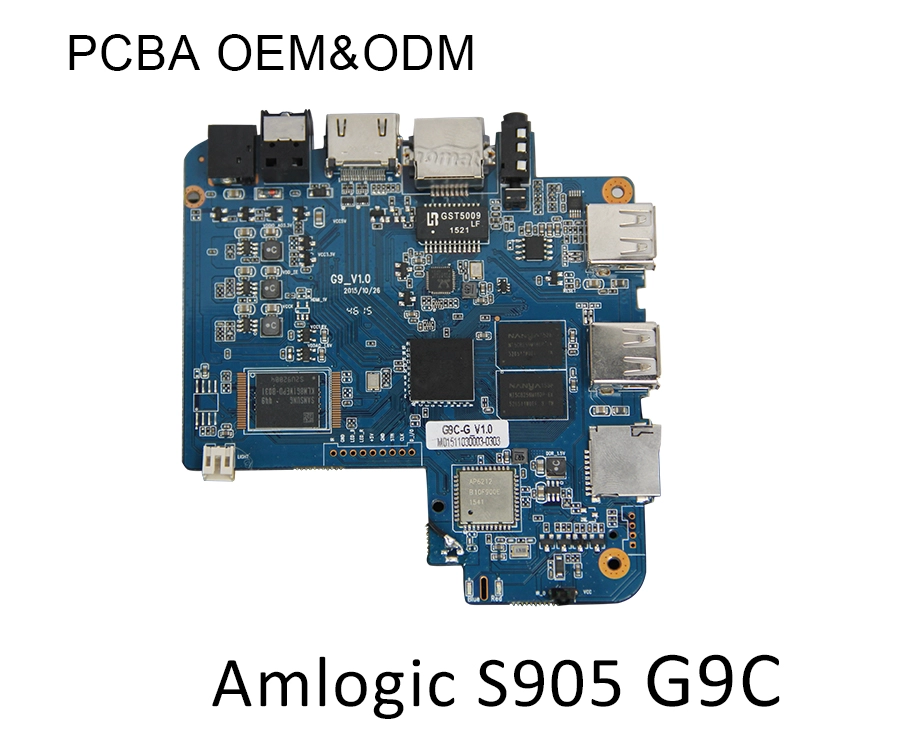
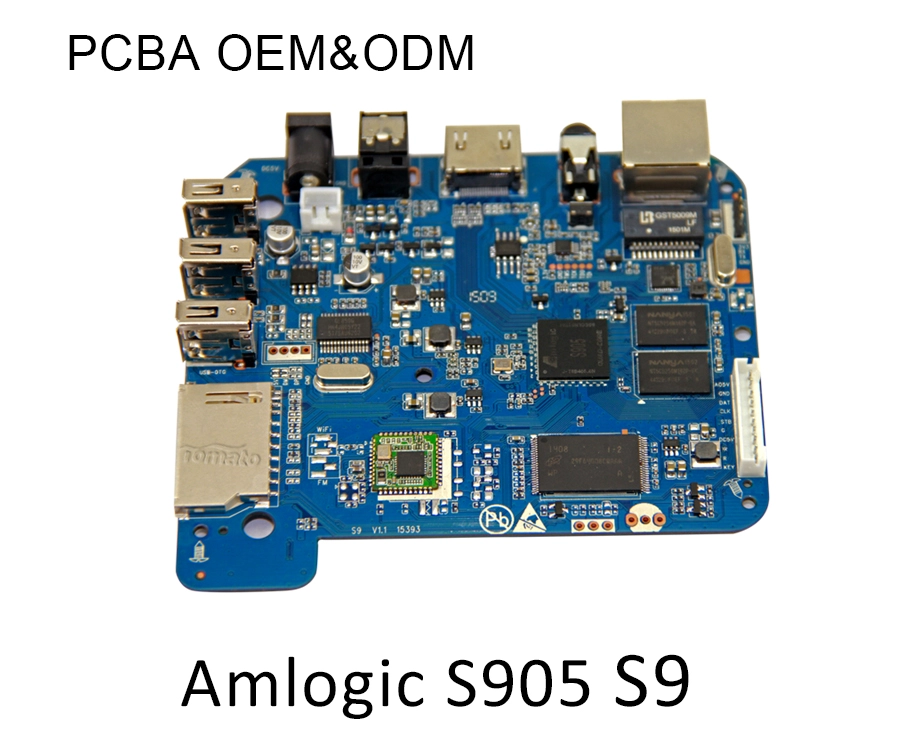
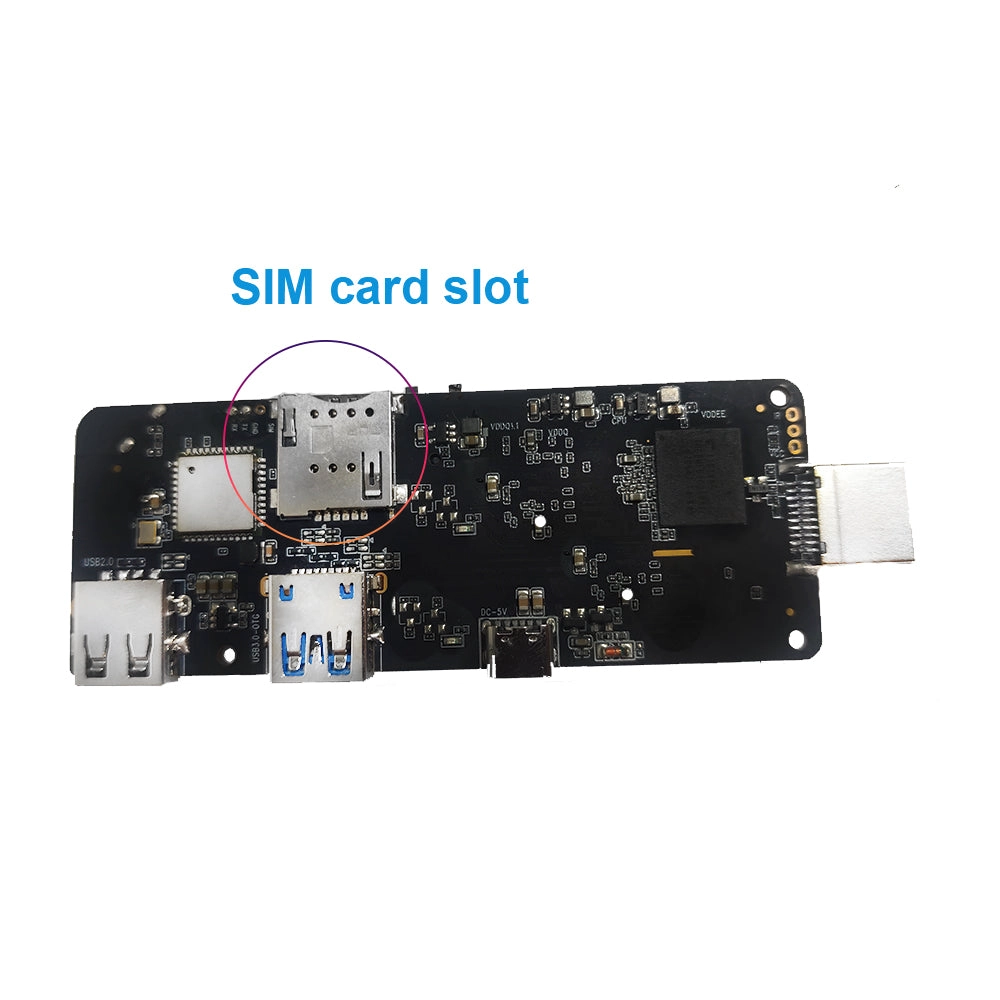
Consumer devices often use budget-conscious eMMC flash storage and standard DDR3 memory, which can introduce data bottlenecks when running complex digital signage deployments. Commercial-grade builds prioritize LPDDR4 or DDR4 RAM paired with high-speed eMMC 5.1 or UFS storage to sustain fast read/write speeds over years of operation. Furthermore, the PCBA layout must be designed with clean, direct signal paths to essential physical interfaces, including:
-
True Gigabit Ethernet (RJ45): Ensures steady data ingest without the packet-loss risks inherent to Wi-Fi.
-
PCIe and USB 3.0 Busses: Provide the necessary physical bandwidth for secondary expansion modules, such as 4G/5G cellular modems or localized storage expansions.
2. Firmware-Level Customization vs. Application-Layer Limits
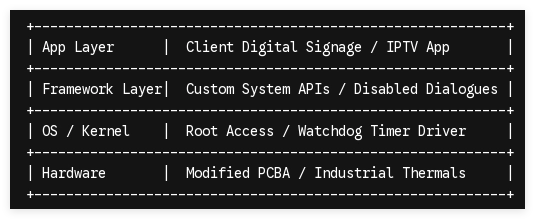
Relying solely on Android app development to build a commercial product often introduces critical vulnerabilities. If an application crashes, or if the underlying OS displays system dialogue popups, the user experience breaks immediately. True enterprise stability requires optimizing the platform at the Android/Linux kernel level.
The Enterprise Mandate: Commercial deployments need deep control over system behavior. Hardware must boot directly into the client application, block unauthorized modifications, and handle power interruptions gracefully without operator intervention.
Boot-Time Optimization & Custom UI Integration
By tailoring the bootloader (U-Boot) and tweaking boot properties (build.prop), engineering teams can strip out unnecessary Android services to reduce boot times to under 15 seconds. This firmware modification forces the internet TV box to launch directly into a dedicated client application (Launcher app) upon receiving power, completely bypassing the default Android launcher screen.
System SDK & API Access for Remote Management
Off-the-shelf operating systems restrict access to core device operations for security reasons. Custom firmware solutions solve this by exposing proprietary APIs and providing system-level SDKs. This allows remote software platforms to programmatically execute deep actions without requiring physical access to the unit:
-
Silent, background application updates.
-
Remote hardware reboots and scheduled power cycles.
-
Direct control over screen orientation (90°, 180°, or 270° rotation) directly via hardware video scaling.
-
Persistent root access or strict permission models customized for MDM (Mobile Device Management) clients.
Over-The-Air (OTA) Infrastructure Control
Deploying thousands of internet TV box units across different regions requires a reliable, private update infrastructure. Custom firmware builds decouple devices from consumer update networks, routing them instead to a dedicated enterprise OTA server. This allows engineering teams to thoroughly test, schedule, and roll out delta updates to specific device groups, preventing unverified OS updates from disrupting active business screens.
3. Industrial PCBA Modification and Thermal Engineering
Operating hardware inside enclosed spaces like retail kiosks, behind restaurant menu displays, or within hospitality AV racks presents strict thermal and physical challenges. Consumer streaming sticks frequently suffer from heat buildup under these conditions, causing the CPU to throttle speed or the components to fail prematurely.
| Architectural Component | Consumer Retail Limits | SZTomato Industrial Specification |
|---|---|---|
| Thermal Dissipation | Small passive graphite pads; prone to heat buildup | Form-fitted aluminum heatsinks with heavy-gauge metal shielding |
| Power Management | Micro-USB/Type-C 5V; sensitive to voltage drops | Wide-voltage DC input (9V-36V) with internal overvoltage protection |
| PCBA Footprint | Fixed consumer shape; restricted port placement | Customizable PCB dimensions, component placement, and expansion headers |
| Watchdog Circuits | Software-only handling; susceptible to permanent freezes | Hardware Watchdog Timer (WDT) IC for automatic hard reboots |
Advanced Thermal Design
Industrial PCBA design uses larger copper pours and matches components with thick, custom-molded aluminum heatsinks. This housing design efficiently pulls heat away from the silicon SoC, maintaining stable internal temperatures even during continuous 24/7 video decoding loops at 40°C ambient temperatures.
Hardware Watchdog Timer (WDT) Integration
For remote edge installations, system lockups require expensive manual service calls. Integrating an independent hardware Watchdog Timer (WDT) directly onto the PCBA solves this issue. The WDT expects a continuous regular signal check from the media application. If the operating system freezes or crashes and stops sending this signal, the hardware timer automatically cycles the power rail, executing a clean hard reboot to restore normal operation without field technician intervention.
4. Hardware Security and Content Protection Pipelines
Deploying high-value media assets or premium OTT subscription content requires strict adherence to global security and encryption standards. A commercial internet TV box must provide a secure execution environment to protect data streams from interception or unauthorized copying.
Secure Boot & Hardware Root of Trust
The security pipeline starts at power-on. By programming public keys into the silicon’s electronic fuses (eFuses), the device initializes a secure boot process. Each subsequent layer of software—from the bootloader to the Linux kernel and verified Android OS partitions—must pass cryptographic verification before running. This prevents attackers from installing malicious firmware images or compromising the hardware in the field.
High-Bandwidth Digital Content Protection (HDCP) & DRM
For hospitality and premium IPTV applications, hardware interfaces must fully support HDCP 2.2 or 2.3 encryption protocols over the HDMI output. At the same time, the firmware must integrate hardware-backed digital rights management (DRM) schemes, including Google Widevine L1 and Microsoft PlayReady.
[Encrypted Network Stream]
│
▼
[Secure Boot / eFuse Keys] ──► Verified OS Environment
│
▼
[Hardware Cryptographic Engine] ──► Decrypts Stream within Secure Memory
│
▼
[Widevine L1 / PlayReady DRM] ──► Decoded Video Frames
│
▼
[HDCP 2.2 / 2.3 Encryption Engine] ──► Encrypted HDMI Output to Panel
This architecture ensures that keys are handled entirely within a protected Trusted Execution Environment (TEE). Decoded video frames never enter standard system memory in an unencrypted state, keeping the data path secure from end to end.
Partner with SZTomato for Enterprise OTT Hardware
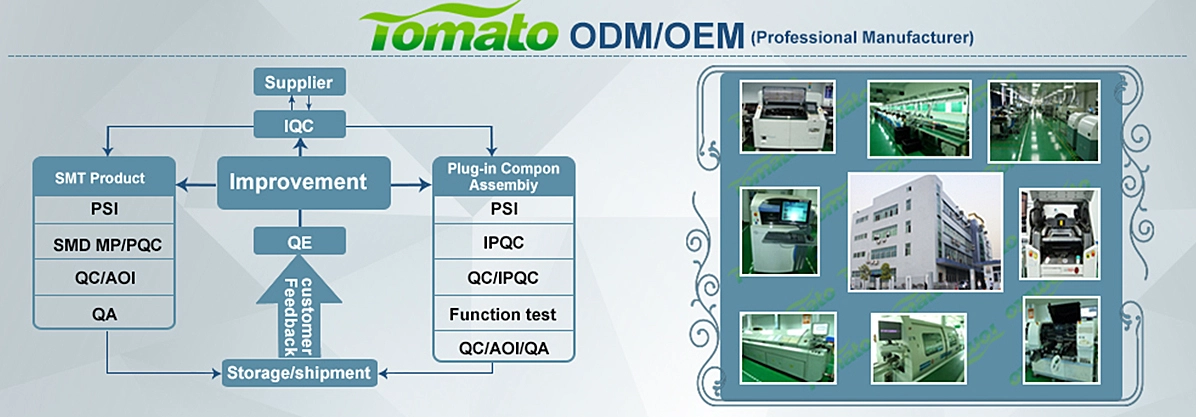
Developing high-uptime infrastructure requires moving past the limits of off-the-shelf hardware. Shenzhen Tomato Technology brings 16 years of specialized engineering experience to the B2B cross-border electronics market, providing complete custom OEM/ODM Internet TV Box solutions tailored for global system integrators and procurement managers.
Instead of adapting your software to rigid retail streaming boxes, SZTomato designs and builds optimized hardware tailored to your specific application requirements:
-
Custom PCBA Engineering: Specialized board layouts, integrated hardware watchdogs, power-over-Ethernet (PoE) modules, and wide-voltage DC inputs.
-
Firmware-Level Adaptation: Low-level Android/Linux kernel tuning, customized system APIs, locked-down kiosk configurations, and custom boot animations.
-
Managed OTA Deployment: Complete setup of private, high-reliability update servers for secure, controlled remote device updates.
-
Industrial Thermal Engineering: Rugged enclosures and advanced passive cooling solutions designed for continuous, round-the-clock commercial use.
To discuss your project specifications, request technical reference documentation, or arrange evaluation units for your engineering team, connect with our sales engineering specialists today.
