

What is the Smart TV Box in IPTV?
Decoding Hardware Topology: What is the Smart TV Box in IPTV Ecosystems?
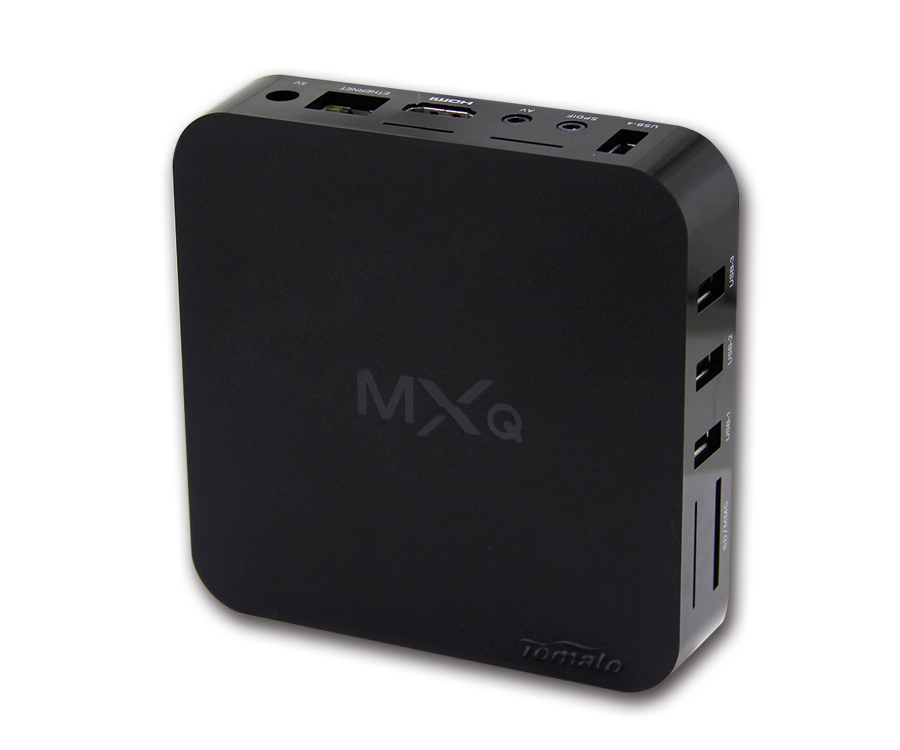
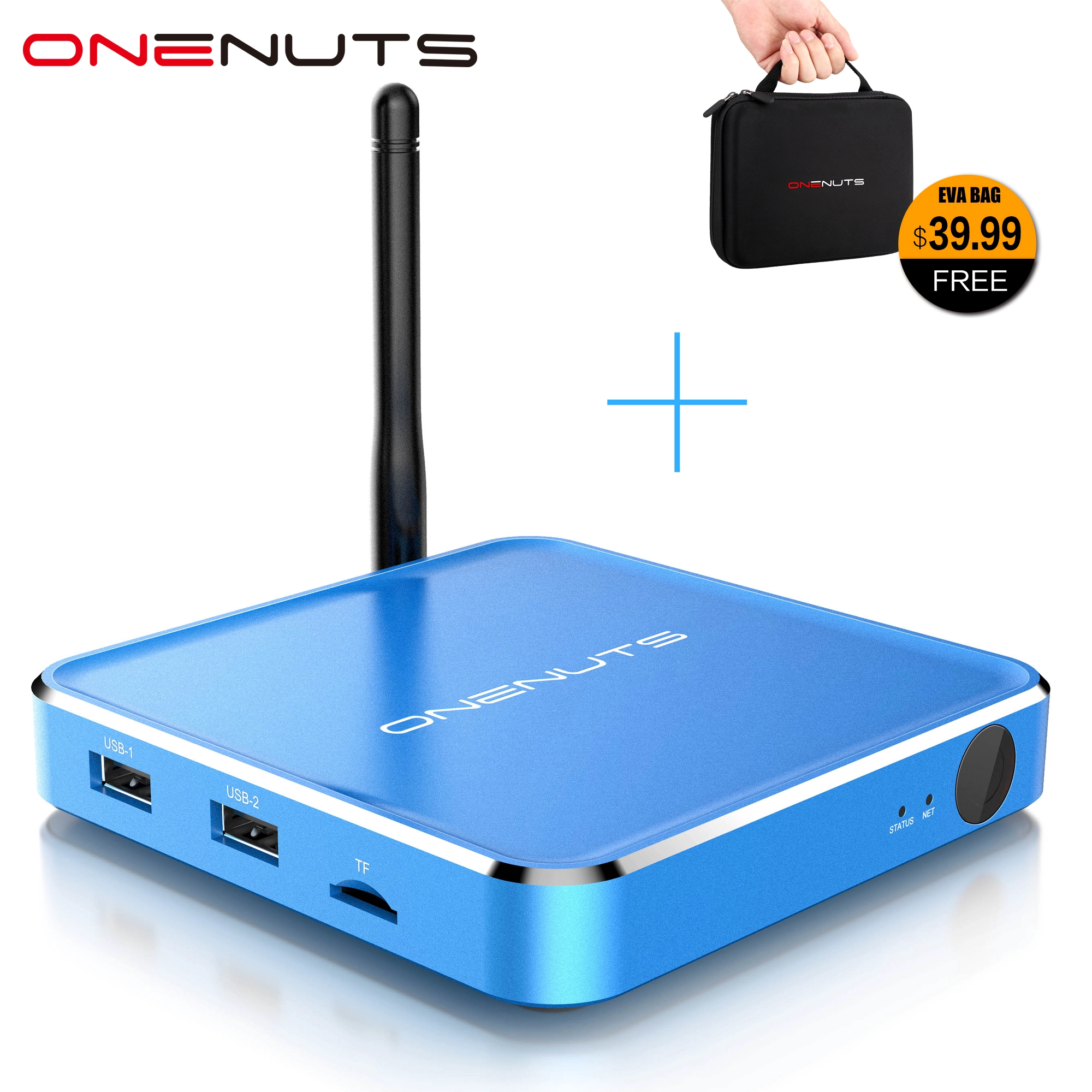
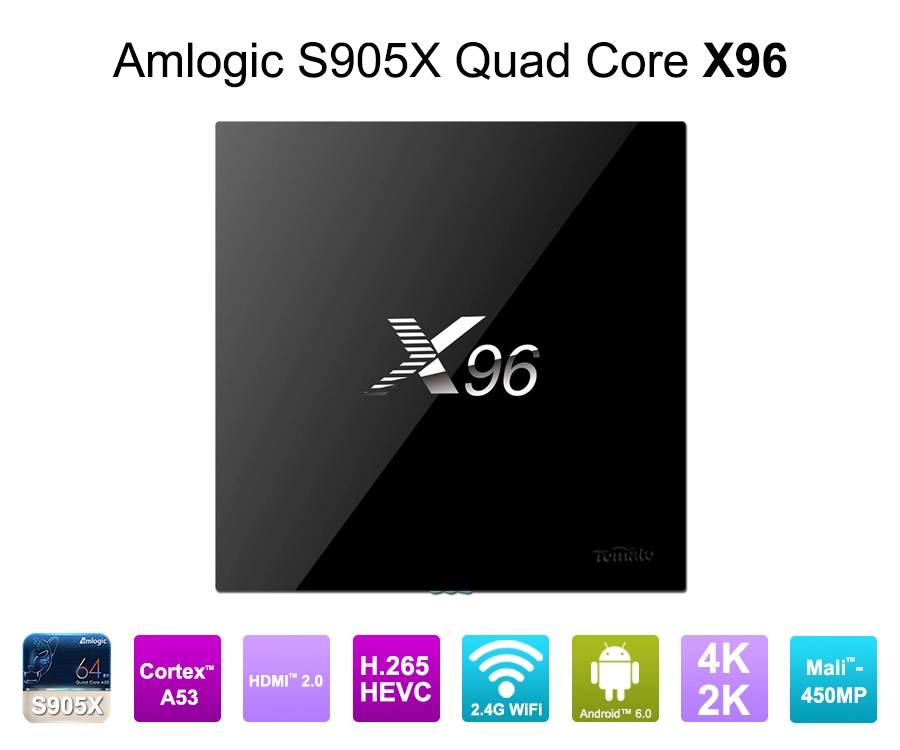
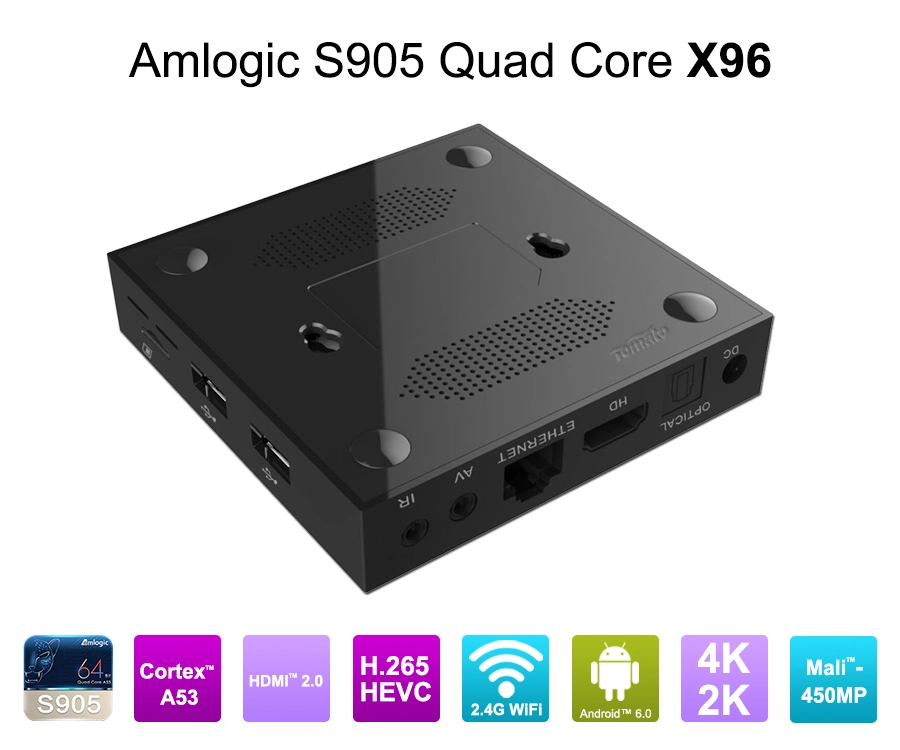
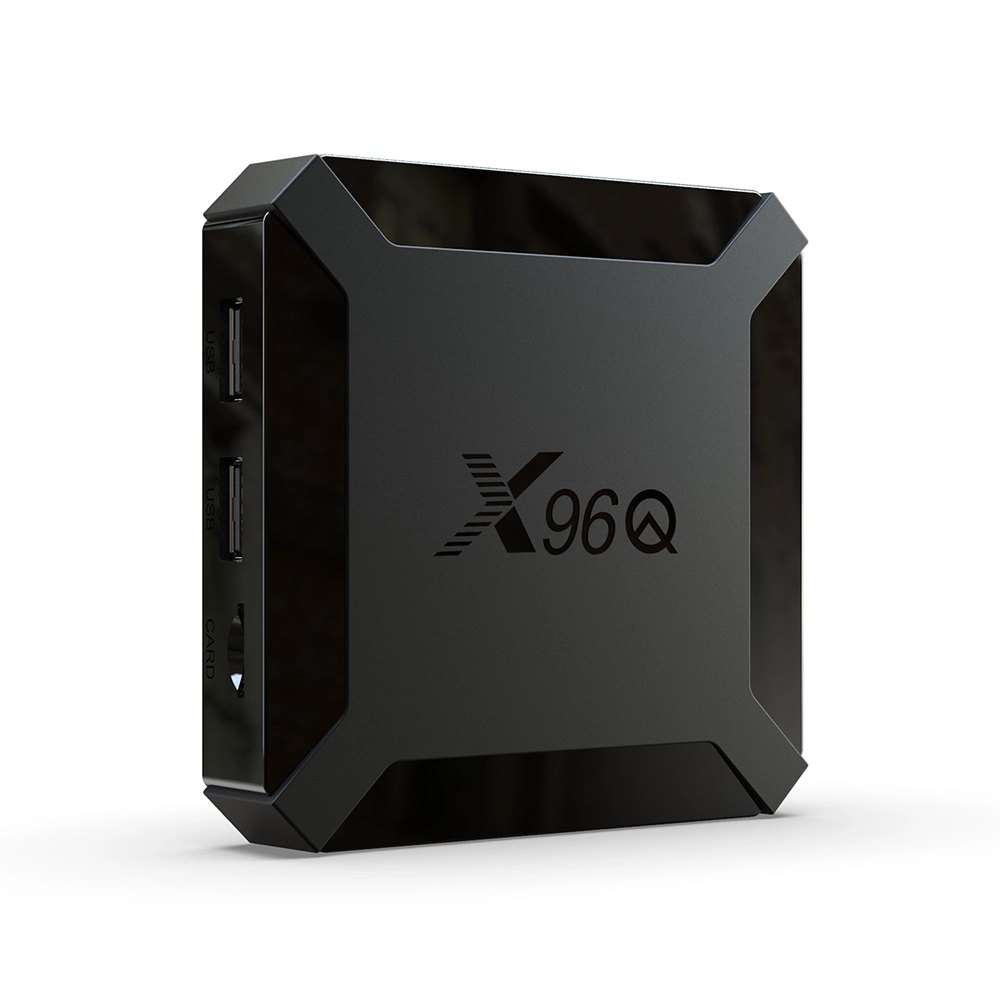
In commercial Internet Protocol Television (IPTV) and Over-The-Top (OTT) networks, the term "Smart TV Box" refers to more than just a retail streaming player. To a systems architect or telecommunications procurement director, it is the dedicated client-premises equipment (CPE) that serves as the hardware termination layer for the network.
The primary function of this hardware is to ingest compressed IP packet streams, decrypt the payload using secure digital rights management architectures, decode the video elementary stream in real time, and output a high-fidelity signal via the HDMI interface.
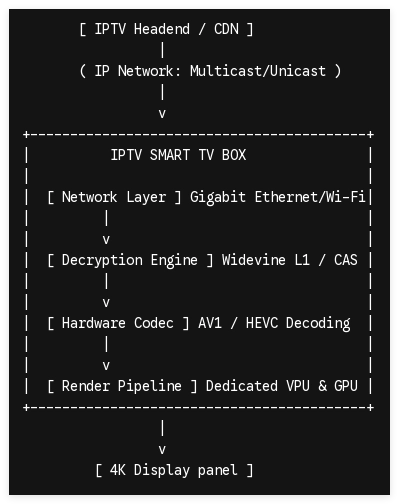
When deploying services across thousands of subscriber endpoints, relying on generic retail hardware exposes operators to severe risks, including memory bus saturation, unbuffered frame drops, and critical security vulnerabilities. Building a profitable, scalable IPTV infrastructure requires a deep, expert-level understanding of the hardware architecture that powers an enterprise-grade Smart TV Box.
1. Silicon Architecture: The Video Processing Unit (VPU) Pipeline
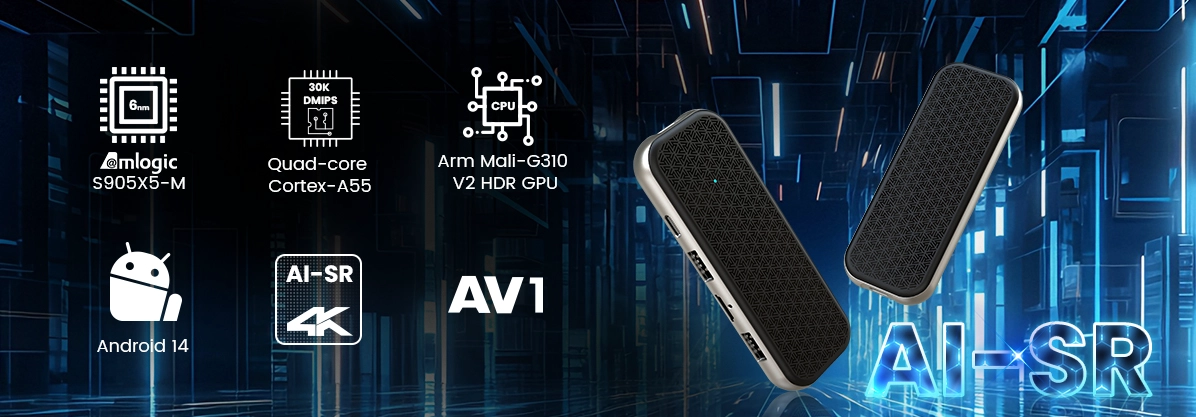
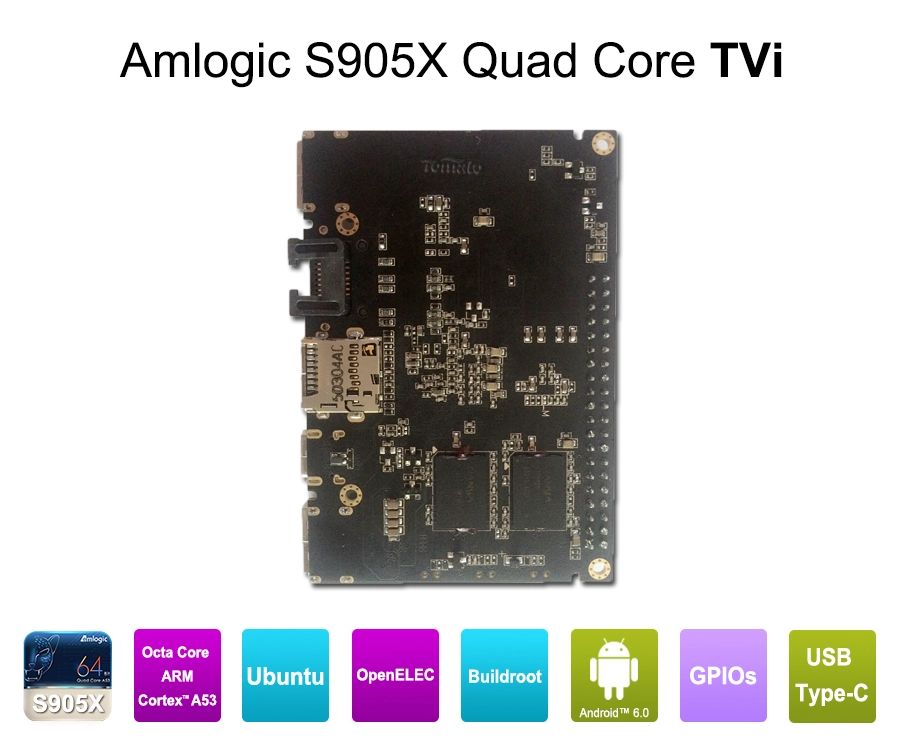
At the center of an IPTV Smart TV Box is the System-on-Chip (SoC). Unlike general-purpose mobile application processors, an IPTV-optimized SoC—such as the Amlogic S905X5 or the high-performance S928X—is engineered around a dedicated Video Processing Unit (VPU).
The VPU handles video decompression independently from the main CPU cores, keeping system latency low and ensuring the user interface remains responsive during playback.
Hardware Decoding vs. Software Emulation
Software-based decoding relies entirely on the CPU cores to parse video packets, which drives up power consumption and causes thermal throttling. Commercial IPTV deployment demands native hardware-level decoding.
- AV1 Codec Dominance: Modern IPTV networks use the AV1 compression standard. Hardware-accelerated AV1 decoding reduces bandwidth consumption by up to 30% compared to legacy H.265 (HEVC) streams and up to 50% compared to H.264. This efficiency cuts content delivery network (CDN) bandwidth costs significantly.
-
Color Space and Dynamic Range Acceleration: The SoC's display engine must feature native hardware processing for 10-bit color spaces, HDR10+, and Dolby Vision. This allows the device to map colors accurately in real time without increasing CPU overhead or system memory latency.
2. Security Infrastructure: Hardware-Enforced CAS and DRM
An IPTV Smart TV Box must act as a secure boundary for premium content. Protecting high-value broadcast streams from interception requires a combination of hardware-level protections and robust software security.
The Role of the Trusted Execution Environment (TEE)
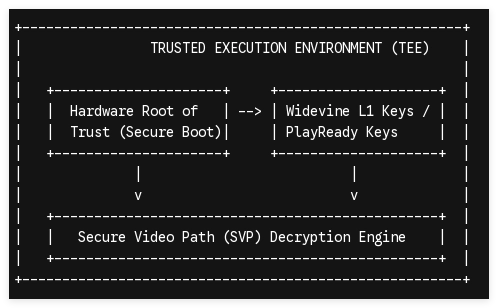
Premium content providers require client hardware to run a dedicated Trusted Execution Environment (TEE), powered by secure architectures like ARM TrustZone. The TEE isolates cryptographic keys and critical video operations from the primary Android operating system, preventing unauthorized access even if the system root is compromised.
Implementing Secure Video Path (SVP)
To stream in 4K Ultra HD, hardware must support a Secure Video Path (SVP) alongside standard DRM protocols like Google Widevine L1 and Microsoft PlayReady.
-
The encrypted video stream passes directly into a protected hardware memory partition.
-
The decryption keys, managed within the TEE, decrypt the content inside this isolated block.
-
The raw, decrypted frames move directly to the display engine over an internal, protected bus. At no point can third-party applications intercept or copy the unencrypted video data.
3. Network Stack Optimization and Transport Stream Ingestion
The stability of an IPTV platform depends directly on the device's network transport layer. While consumer devices prioritize wireless convenience, an enterprise IPTV deployment requires a highly stable, high-throughput network configuration.
| Network Metric | Retail/Consumer Streaming Box | Enterprise IPTV Smart TV Box |
|---|---|---|
| Primary Interface | Wi-Fi dependent (variable latency) | Native Gigabit Ethernet (10/100/1000 Mbps) |
| Protocol Ingestion | Unicast HTTP (HLS / MPEG-DASH) | Multicast IGMP v2/v3, RTSP, UDP, SRT |
| Buffer Management | Fixed OS-level application buffer | Dynamic Kernel-Level Ring Buffering |
| Jitter Mitigation | Basic software packet smoothing | Hardware-Assisted Clock Synchronization |
Managing Multicast and IGMP Environments
In managed telco and hospitality networks, live television is typically distributed via IP multicast to conserve backbone bandwidth. The Smart TV Box firmware must feature an optimized Linux kernel network stack that natively supports Internet Group Management Protocol (IGMP) version 3.
When a subscriber switches channels, the device sends an immediate IGMP "Join" or "Leave" message to the local network switch. Any delay in processing these network packets leads to visible channel-switching lag (zapping time), which directly impacts user satisfaction.
Mitigating Packet Jitter
IP network transmission naturally introduces jitter, which is the variance in packet arrival times. An enterprise-grade IPTV box uses hardware-assisted clock synchronization and dedicated network ring buffers to smooth out these fluctuations. This ensures continuous, stable playback and prevents frame buffer starvation, even during periods of heavy network congestion.
4. Middleware Integration and Lifecycle Management
A Smart TV Box cannot operate in isolation; it must integrate seamlessly with the operator's central IPTV middleware platform. The middleware acts as the operating system for the entire ecosystem, handling the electronic program guide (EPG), subscriber authentication, and video-on-demand (VOD) asset catalogs.
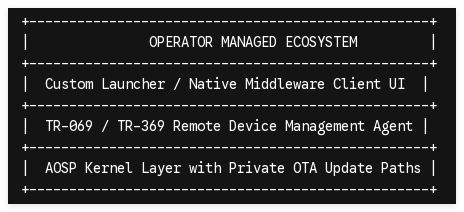
Deploying Custom Android Open Source Project (AOSP) Firmware
To maintain a consistent subscriber experience, operators typically deploy a tailored version of AOSP firmware rather than standard consumer interfaces. This custom approach allows you to replace the stock home screen with a branded, proprietary launcher that boots automatically when the device powers on.
Enterprise Fleet Remote Management
Managing a large-scale deployment requires enterprise-grade remote management tools. Integrating industry-standard protocols like TR-069 or TR-369 (User Services Platform) into the firmware layer gives operations teams complete control over their device fleet:
-
Real-Time Diagnostics: Monitor device health, memory utilization, and local network packet loss remotely.
-
Automated Provisioning: Push silent, over-the-air (OTA) firmware updates and configuration changes to specific target groups without requiring user intervention.
-
Proactive Maintenance: Identify and resolve edge-device issues before they cause subscriber-facing service outages.
Technical Procurement Strategy: Maximizing Operational ROI
Sourcing the right IPTV Smart TV Box requires matching your network architecture with the appropriate hardware specifications. For high-volume deployments, prioritizing low-level hardware stability and firmware customization provides a much higher return on investment than choosing devices based on retail marketing features.
-
For Telco IPTV & Managed Multicast Networks: Specify chipsets like the Amlogic S905X5 with native IGMP v3 kernel optimizations, Gigabit Ethernet connections, and hardware-enforced Widevine L1/SVP security architectures.
-
For Hospitality and OTT Operators: Prioritize custom AOSP firmware configurations that feature automated boot-on-power, integrated hardware watchdog timers, and support for TR-069 fleet management tools.
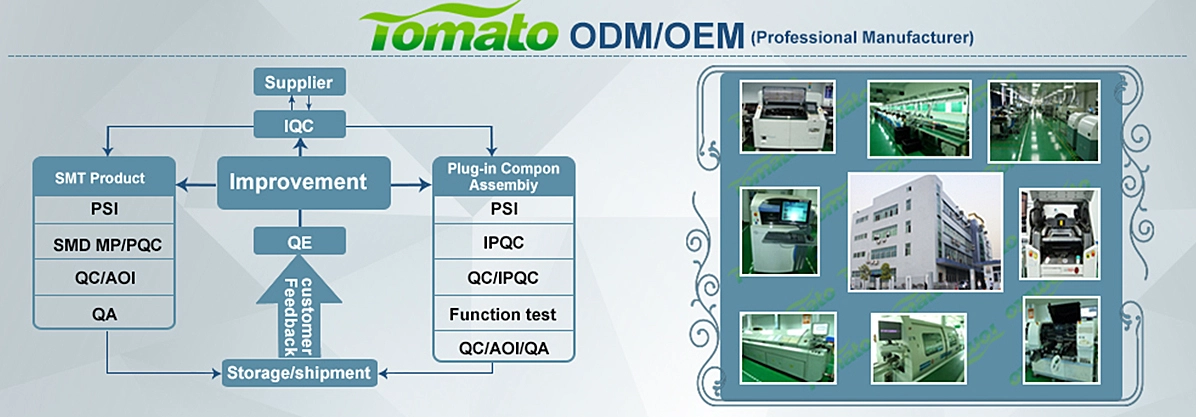
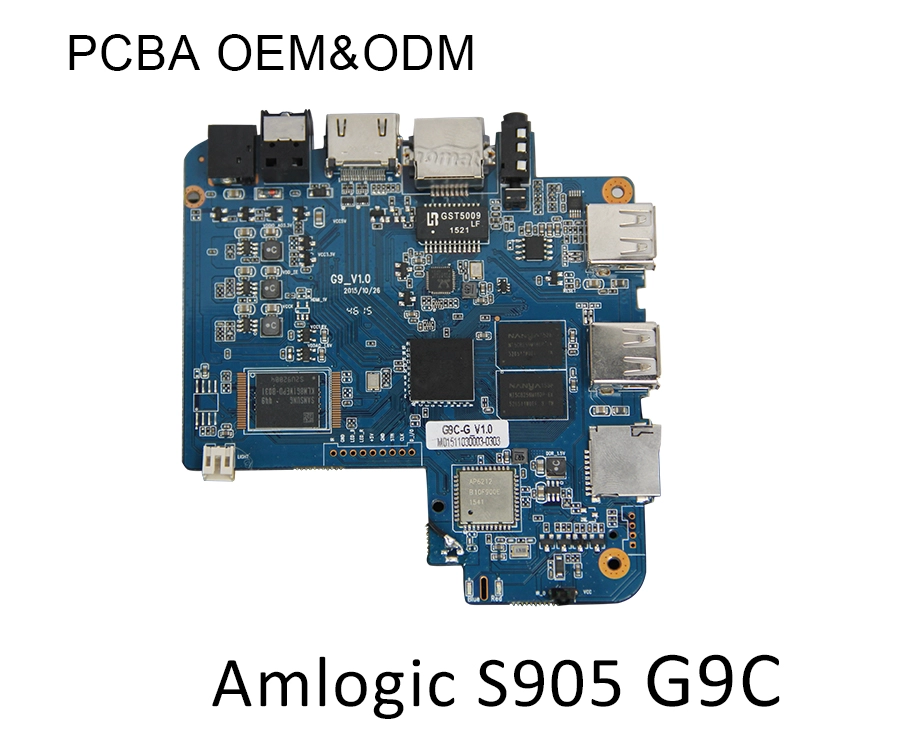
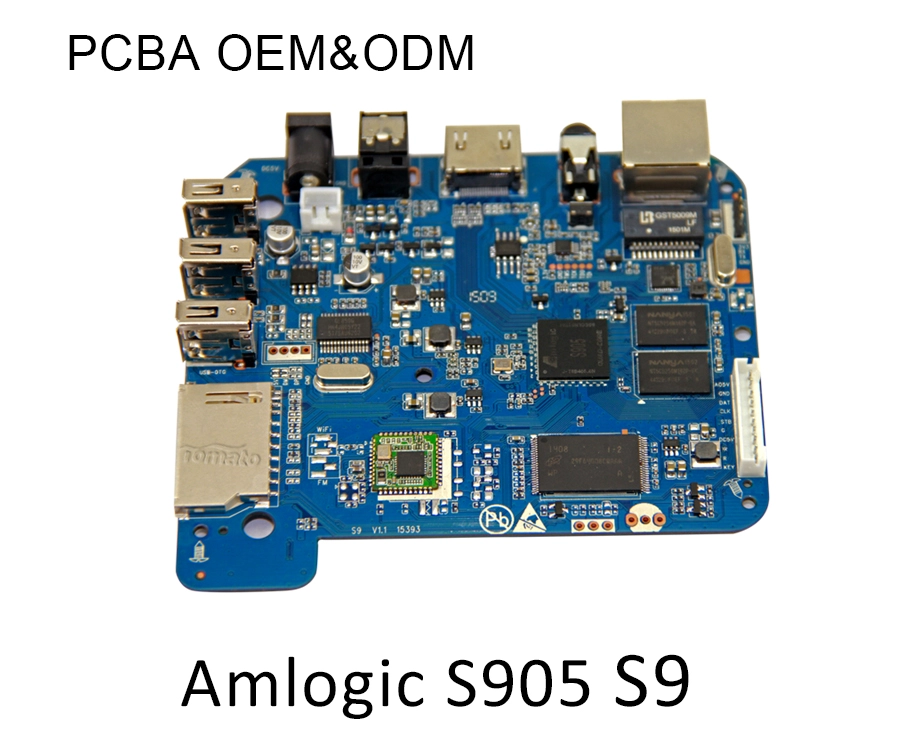
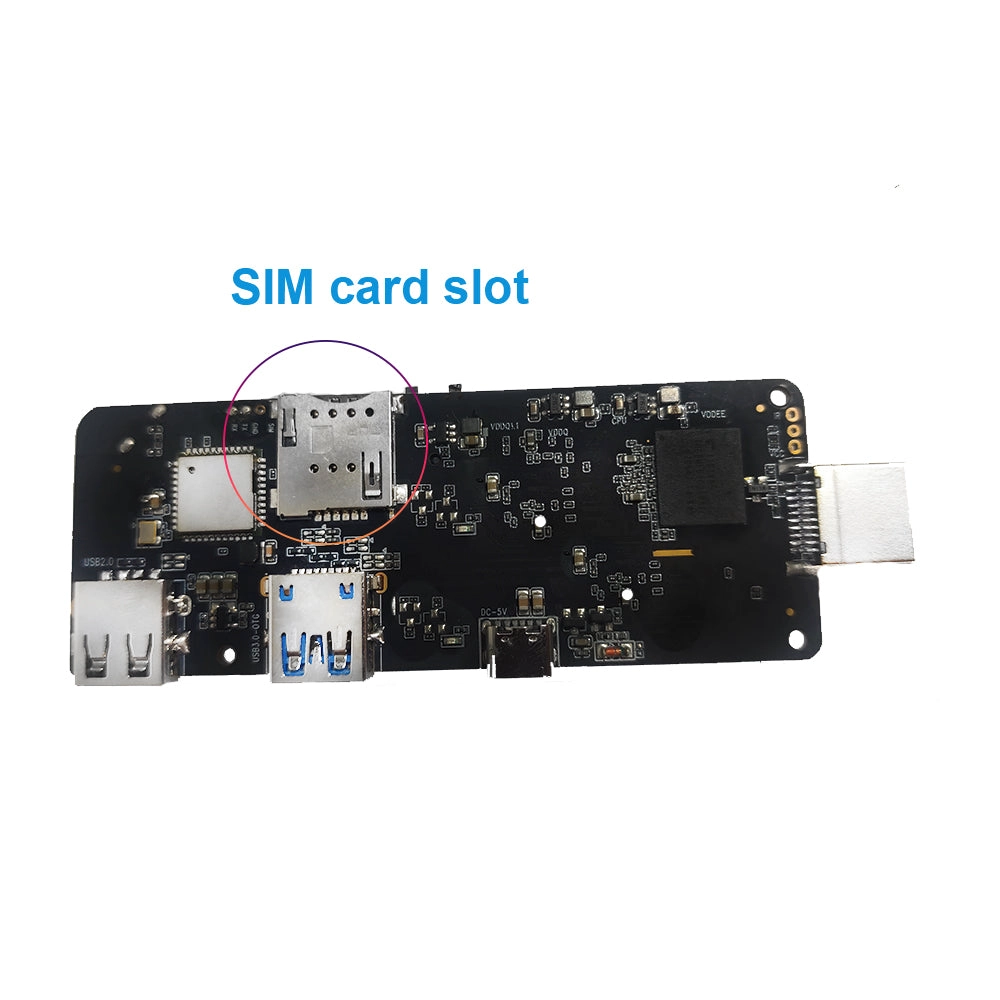
To ensure long-term deployment stability, partner with an engineering-focused OEM/ODM manufacturer capable of modifying the underlying PCBA and firmware layer to match your network's exact technical requirements.
Optimize Your IPTV Infrastructure with Custom Hardware
Ready to deploy a high-performance, customized Smart TV Box across your network? Partner with the engineering team at SZTomato to build hardware tailored to your specific infrastructure needs, from custom PCBA layouts to kernel-level firmware optimization. Contact our technical sales division at sales@sztomato.com to share your project requirements and request an engineering prototype evaluation kit.
