

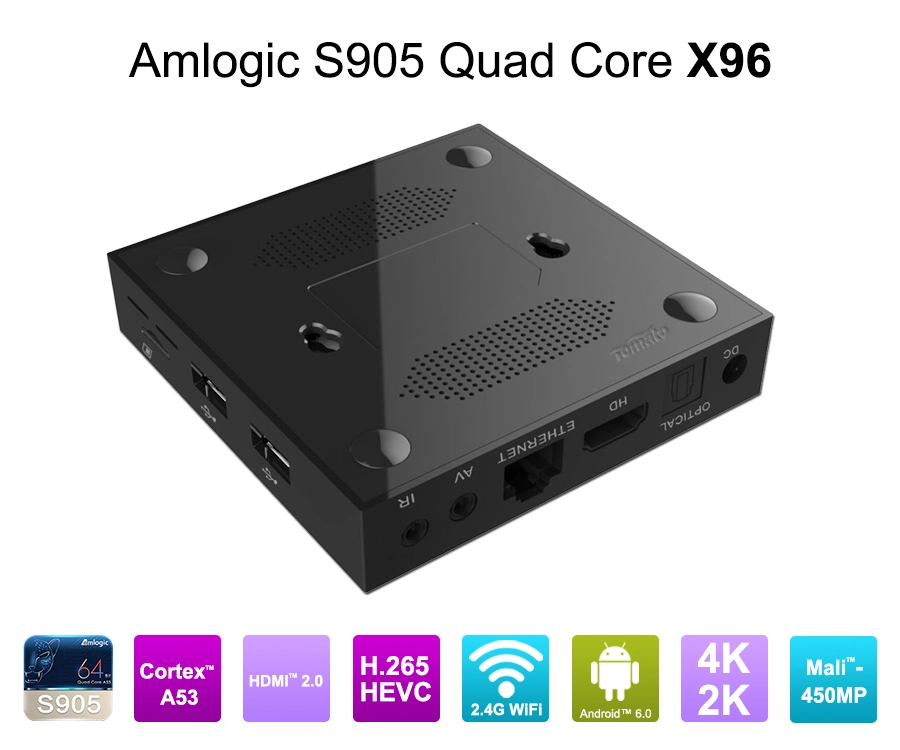
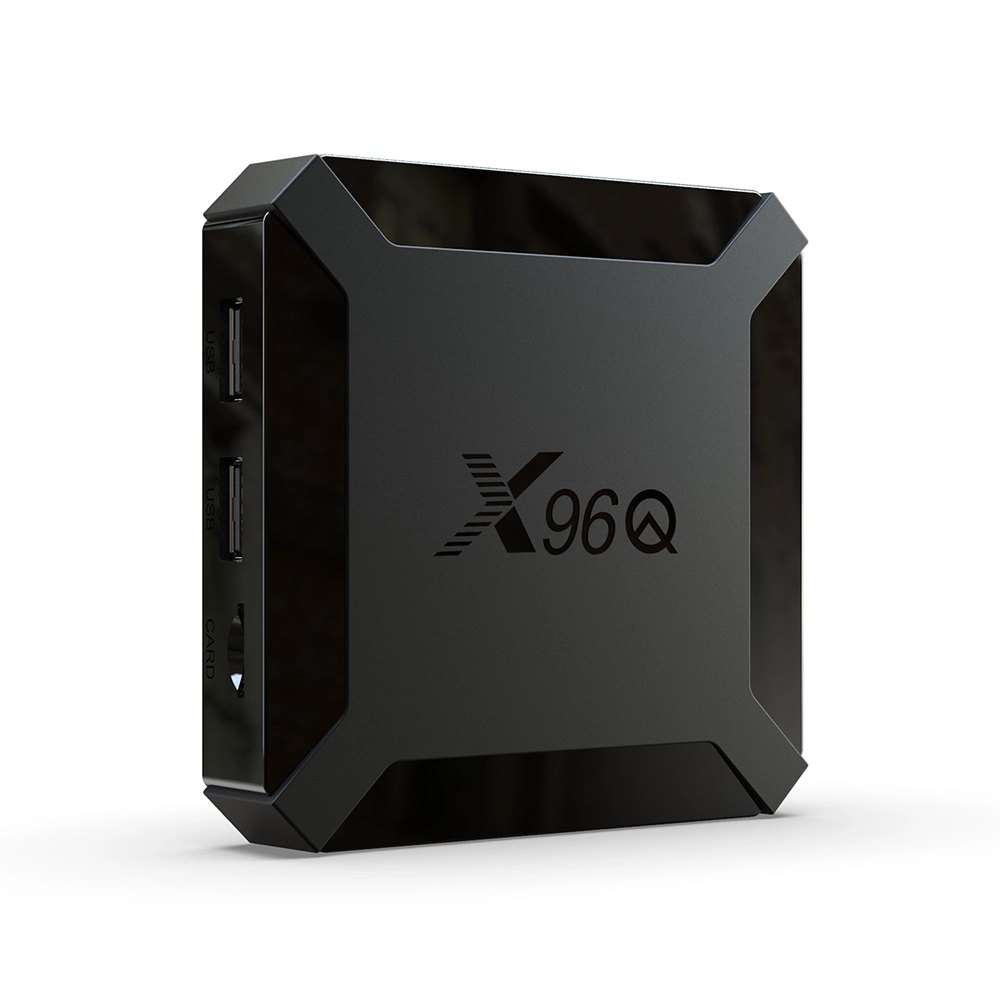
What is the use of Internet TV Box?
Commercial Utility Architecture: What is the Use of an Internet TV Box?
In the enterprise technology space, evaluating an Internet TV Box goes far beyond consumer streaming applications or simple retail user experiences. To a B2B systems integrator, network architect, or value-added reseller, this device functions as an enterprise edge-computing node.
The primary business purpose of an Internet TV Box is to serve as a reliable, secure, and fully manageable gateway that translates digital network data into high-fidelity visual output across thousands of managed endpoints.
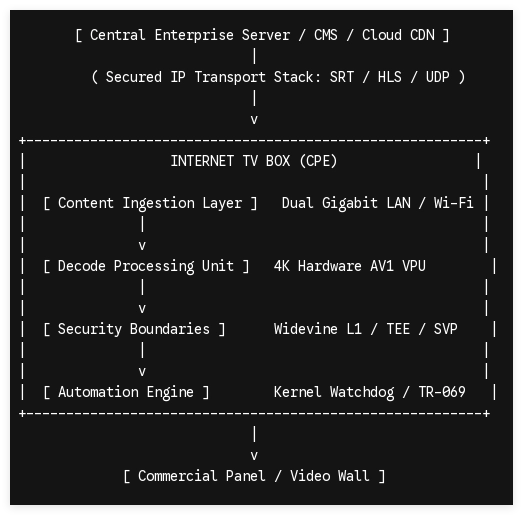
Whether orchestrating a multi-screen digital signage network in a corporate campus, deploying a secure hospitality interactive television configuration, or scaling client-premises equipment (CPE) for a regional IPTV network, the choice of hardware architecture directly dictates long-term deployment viability.
Relying on low-tier consumer hardware leads to dropped frames, localized overheating, and system crashes that require expensive on-site maintenance. Maximizing return on investment requires a firm grasp of exactly how commercial-grade internet media players function at a foundational hardware and firmware level.
1. High-Density Media Transport: Ingesting and Decoding Commercial Streams
The baseline requirement for an enterprise-grade Internet TV Box is the efficient, continuous processing of complex, high-bitrate video payloads without overtaxing the central processor.
Eliminating CPU Bottlenecks with Dedicated VPUs
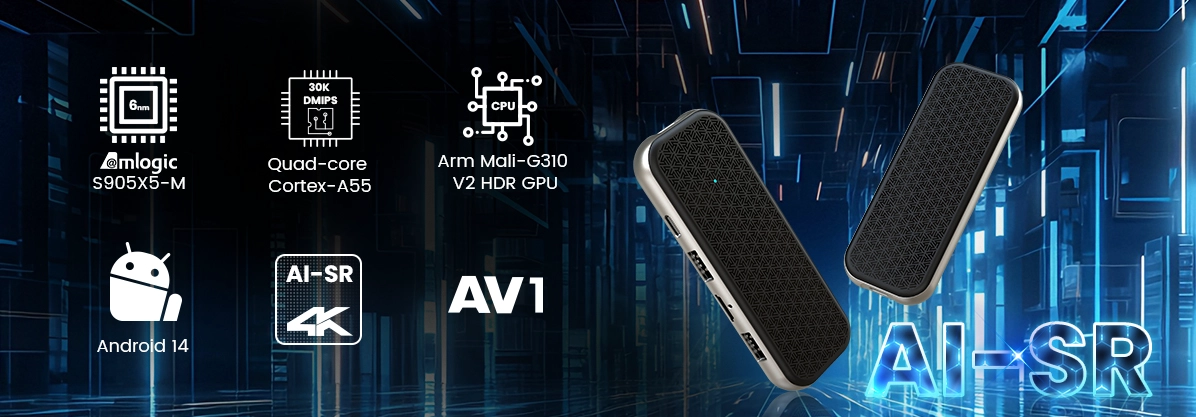
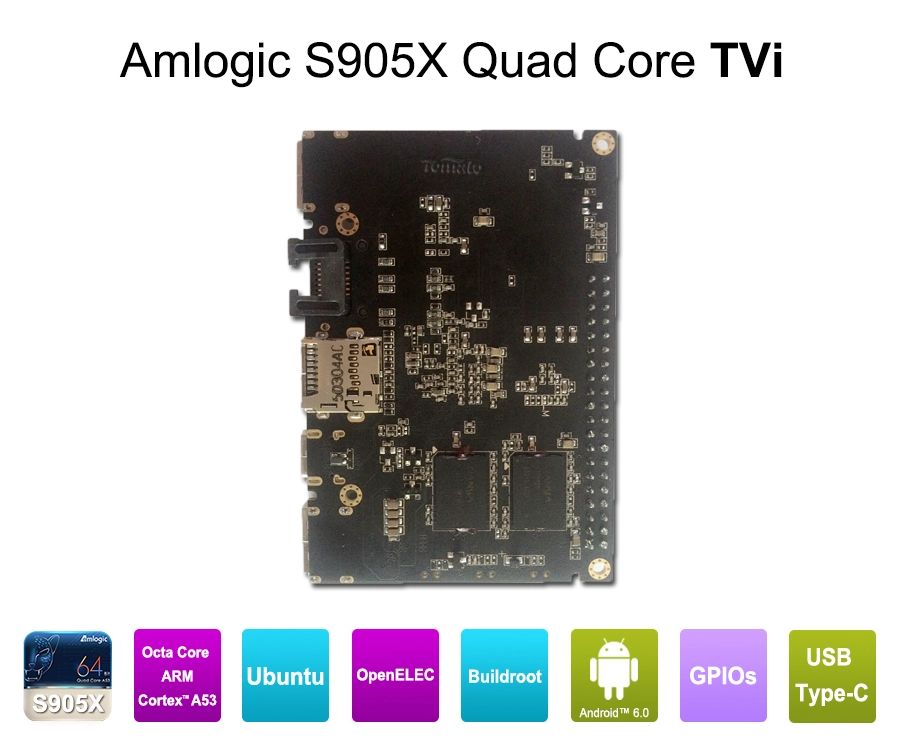
Consumer boxes frequently rely on software emulation to handle video data, which rapidly spikes power consumption and creates operational instability. Enterprise architectures instead deploy high-performance System-on-Chip (SoC) silicons—such as the Amlogic S905X5—featuring specialized, hardware-accelerated Video Processing Units (VPUs).
[ Inbound Compressed Stream ] ---> [ Dedicated VPU Core ] ---> [ Isolated DDR Memory Plane ] ---> [ HDMI 2.1 Out ] ^ | (0% CPU Load Overhead) [ Main ARM CPU Array ]
- Bandwidth Conservation via AV1 Processing: Commercial devices rely heavily on native hardware-level AV1 decoding. Compared to older compression methods like H.264, hardware-accelerated AV1 cuts required operational network bandwidth by up to 50% for 4K video distributions. This optimization lowers overall bandwidth expenses across content delivery networks (CDNs).
-
Protocol Flexibility: Unlike consumer platforms built solely for unicast web applications, commercial media interfaces are designed to process diverse broadcast streams, natively ingesting Secure Reliable Transport (SRT), Real-Time Streaming Protocol (RTSP), and managed UDP/multicast transport setups.
2. Smart Digital Signage Optimization: The Transition to Responsive Edge Nodes
Digital displays are shifting away from rigid, pre-arranged media loops. Modern commercial configurations utilize the Internet TV Box as an active, responsive edge-computing engine.
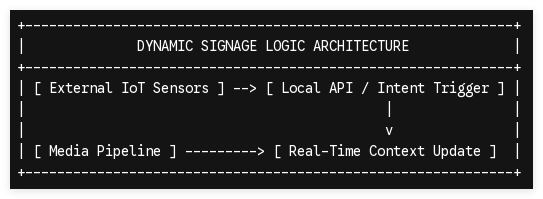
Driven by On-Chip Neural Processing Units (NPUs)
Integrating efficient processing architectures into premium media SoCs introduces dedicated hardware acceleration tailored for edge-AI applications. For example, chipsets equipped with a 4-TOPS (Trillion Operations Per Second) NPU allow operators to run lightweight machine-learning models directly on the client player without depending on cloud servers.
Context-Aware Display Behaviors
Rather than passively looping identical content, an intelligently provisioned box interacts directly with its environment using localized scripts and external sensors:
-
Automated Environmental Adaptation: Connecting an input sensor via USB 3.0 allows the player to update display items automatically in response to environmental shifts, such as fluctuating local ambient temperatures or real-time inventory adjustments.
-
Sensor-Driven Energy Savings: Utilizing motion sensors allows the device to dim connected display panels or transition them into lower-power standby states when foot traffic falls, significantly reducing total operational energy consumption.
3. Firmware Customization: Securing and Locking Down Enterprise Fleets
A consumer streaming device ships with an open, easily altered user configuration. In commercial settings, this vulnerability introduces operational risks and potential security exploits. Protecting these systems requires stripping away consumer interfaces and deploying a locked-down Android Open Source Project (AOSP) firmware image.
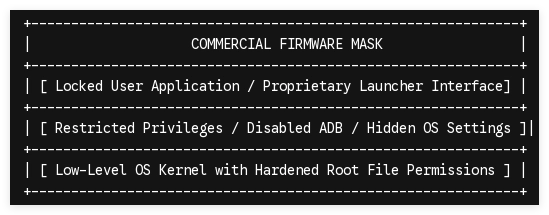
Essential Enterprise Security Adjustments
When coordinating custom hardware production with an OEM/ODM manufacturing partner, several firmware-level security policies must be strictly enforced:
-
Suppressed OS Navigation Elements: The underlying firmware must fully hide native Android navigation panels, status banners, and system setting menus. This prevents end-users from exiting the dedicated business application.
-
Hardware-Enforced Android Intent Protection: System permissions must be structured so the device boots directly into your primary application, completely bypassing standard initial setup wizards.
-
Hardened Local Access Ports: Public-facing Android Debug Bridge (ADB) network protocols must be permanently compiled out of production builds, and physical USB interfaces should be restricted to prevent unauthorized thumb-drive access or local data tampering.
4. Hardware Longevity: Component Engineering for Continual Operation
A standard retail box is designed for brief, episodic home use. Commercial environments require hardware capable of handling demanding, 24/7/365 operational cycles without interruption.
| Engineering Factor | Standard Consumer Box | Commercial-Grade Internet TV Box |
|---|---|---|
| Operational Lifetime | 2–4 hours daily (intermittent) | Uninterrupted 24/7/365 Continuous Execution |
| PCBA Infrastructure | 2-layer tracing (minimal shielding) | 6 to 8-layer design with dedicated thermal planes |
| Thermal Dissipation | Basic internal shielding plates | Direct SoC-to-chassis heavy aluminum heatsinks |
| System Failover | Manual power cycle required | Kernel-integrated Hardware Watchdog Timer (WDT) |
Advanced Thermal Layouts
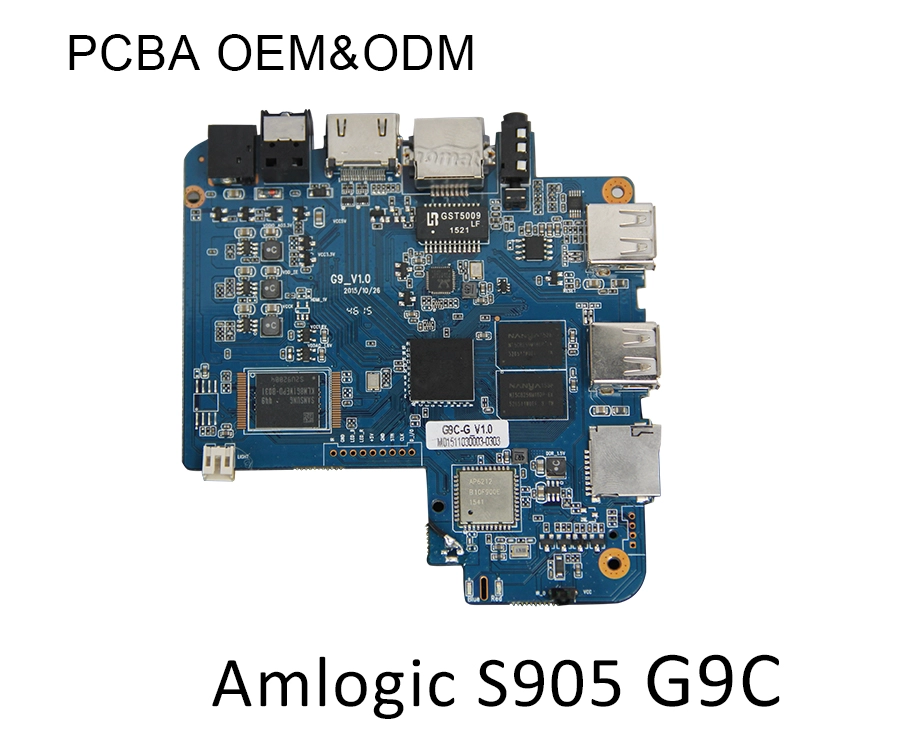
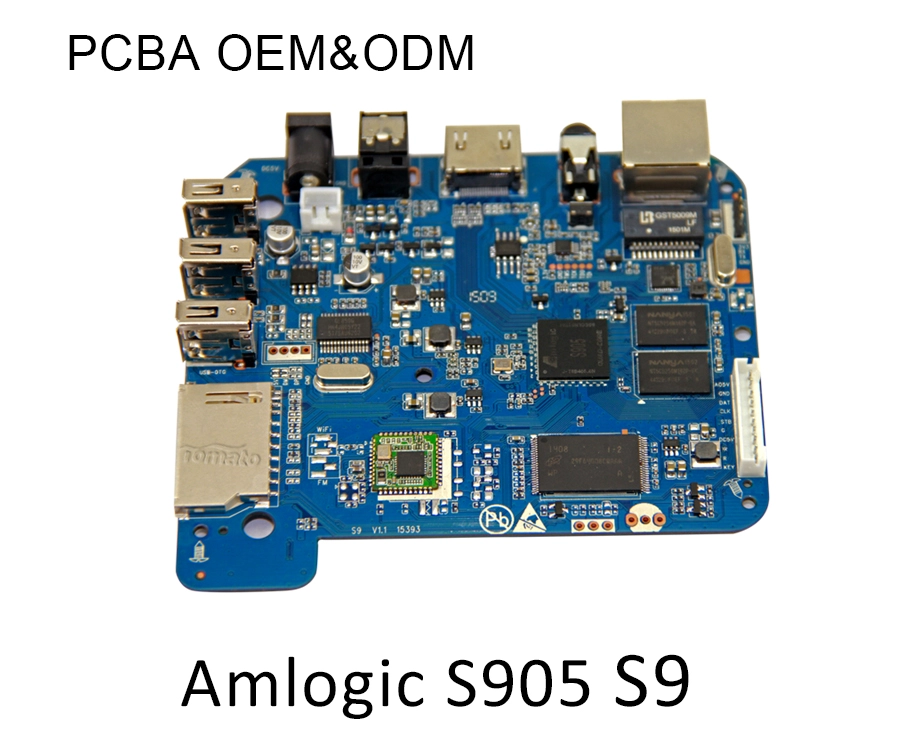
Sustained high temperatures cause memory errors and premature component wear. Industrial printed circuit board assemblies (PCBAs) combat this by binding the core SoC directly to thick aluminum heat spreaders using high-grade thermal pads (>3.0 W/m⋅K). This design channels heat safely away from internal capacitors to prevent thermal throttling.
Automated Hardware Recovery
When hardware is deployed across hundreds of distant locations, manually resetting frozen units is highly inefficient. Enterprise-grade media players address this challenge by integrating a physical Hardware Watchdog Timer (WDT) directly into the board circuitry.
The WDT expects a continuous "heartbeat" signal from your running software application. If a software freeze or memory leak interrupts this signal, the watchdog automatically cuts power to the core chip, forcing a clean hardware reboot within seconds to restore normal operations without human intervention.
Technical Procurement Strategy: Maximizing Network Reliability
Successfully deploying an Internet TV Box network requires aligning your project's specific hardware needs with a rigorous engineering evaluation matrix:
- For Managed IPTV Networks: Prioritize SoCs like the Amlogic S905X5 that offer hardware-level AV1 decoding, Gigabit Ethernet interfaces, and Widevine L1 encryption keys to safeguard premium media streams.
-
For Scalable Digital Signage: Specify industrial-grade, 6-layer PCBAs equipped with physical hardware watchdog timers, robust fanless aluminum cooling designs, and customizable AOSP operating systems.
To minimize failure rates and ensure complete control over your hardware stack, avoid consumer-tier retail products. Partner directly with an experienced OEM/ODM manufacturer that can optimize both the circuit layout and low-level firmware to match your precise enterprise demands.
Optimize Your Commercial Network with Custom Hardware
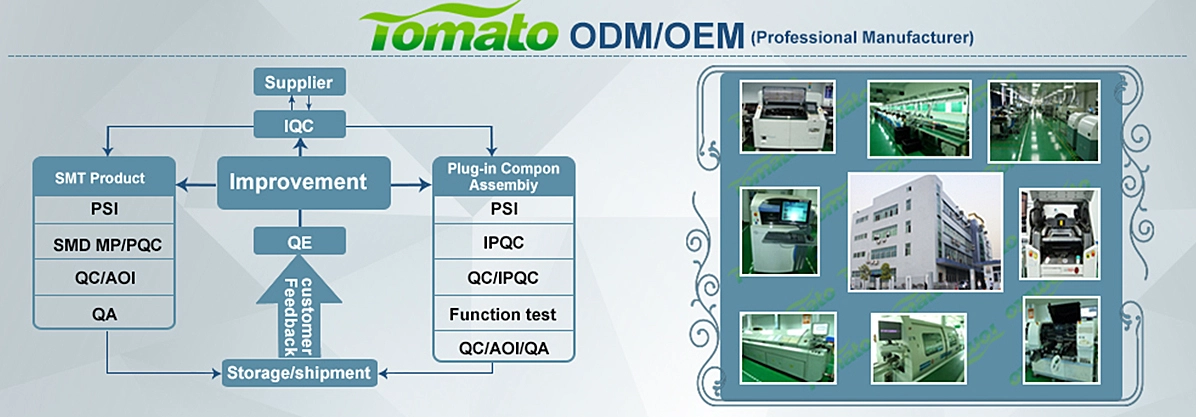
Need to build a reliable, customized Internet TV Box fleet for an upcoming rollout? Partner with the engineering division at SZTomato to build hardware optimized specifically for your enterprise infrastructure—from custom circuit layouts to secure, kernel-level firmware adaptations. Contact our B2B sales team at sales@sztomato.com to submit your system requirements and request an evaluation prototype kit.
