
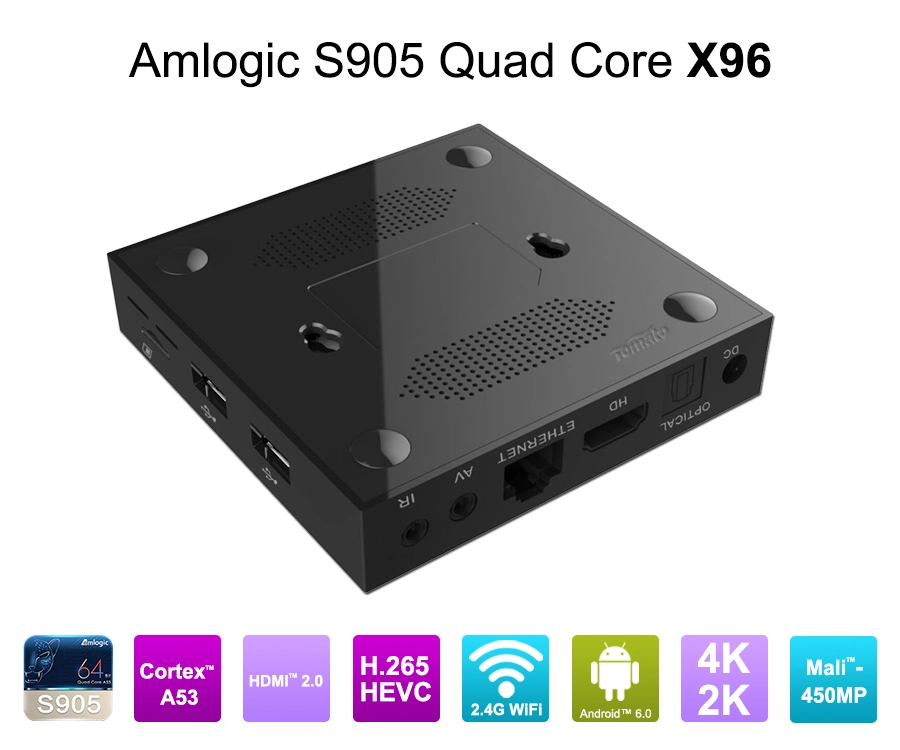
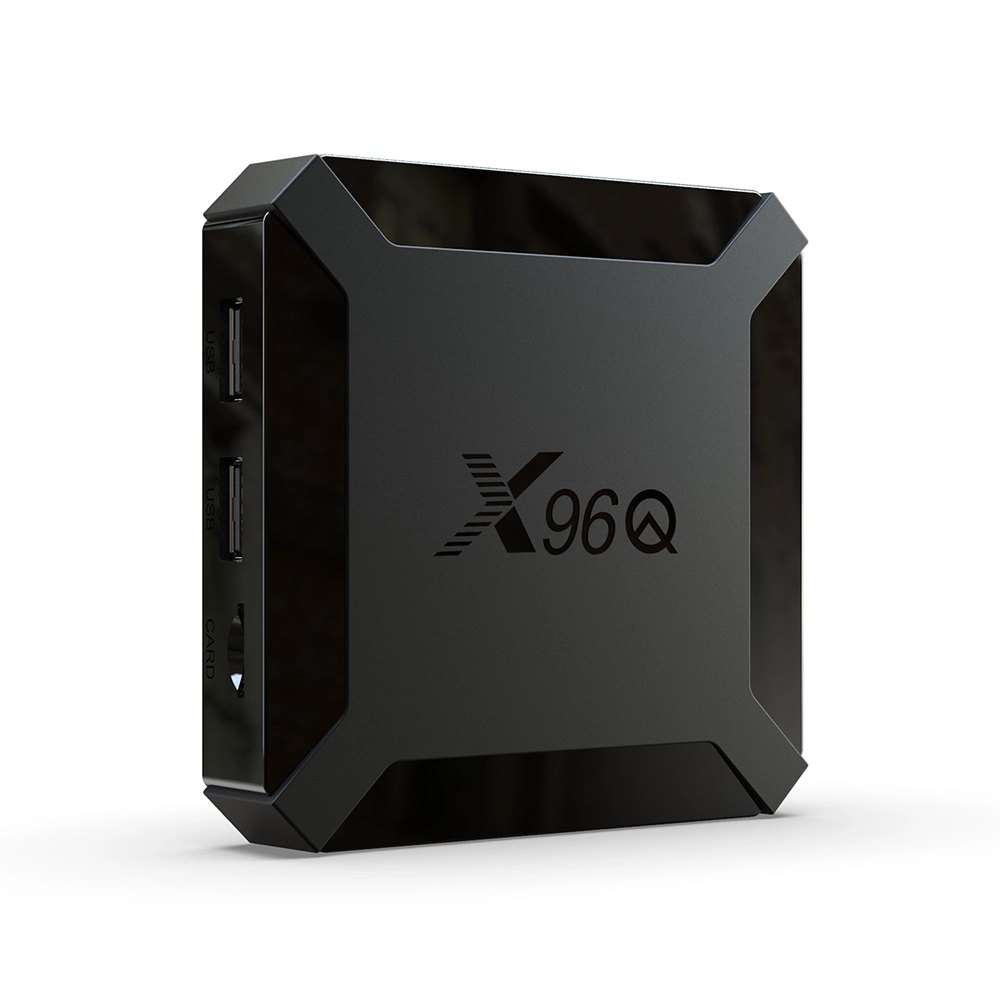
What is the TV Box in IPTV?
Understanding the Core Endpoint: What is the TV Box in IPTV Infrastructure?
The primary point of failure in large-scale IPTV rollouts is rarely the headend injection system; it is the endpoint hardware. Many enterprise buyers view the TV Box as a generic commodity, assuming any standard media player can stably process an IPTV payload.
In commercial deployments, this oversight leads to severe operational friction. When a device cannot handle multicast IGMP snooping, struggles with intensive Electronic Program Guide (EPG) database parsing, or lacks the hardware-level pipelines to decode modern video codecs, the deployment stalls.
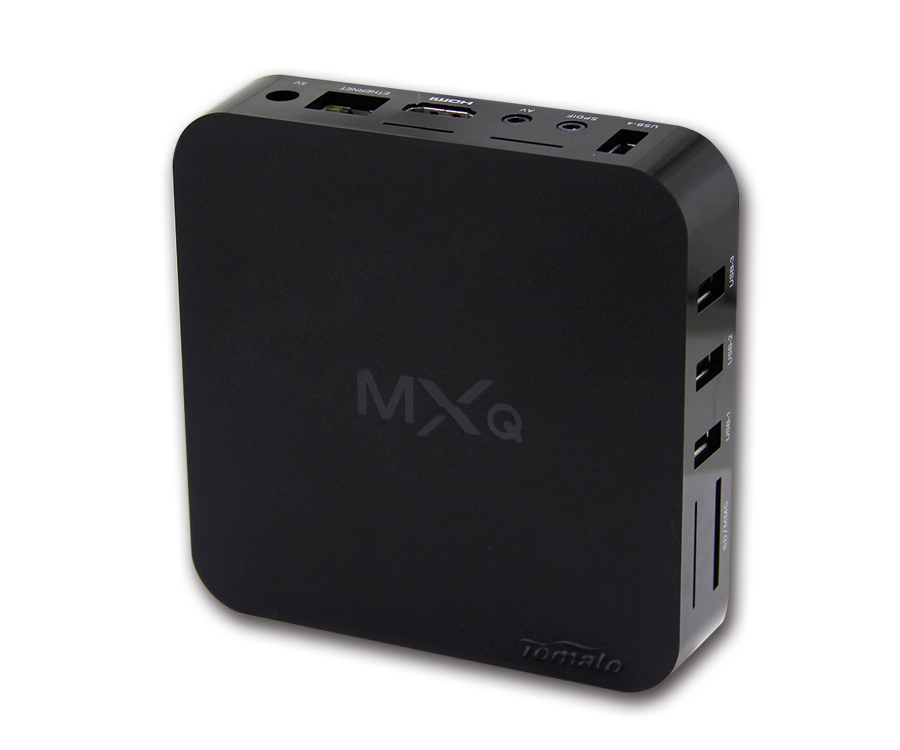
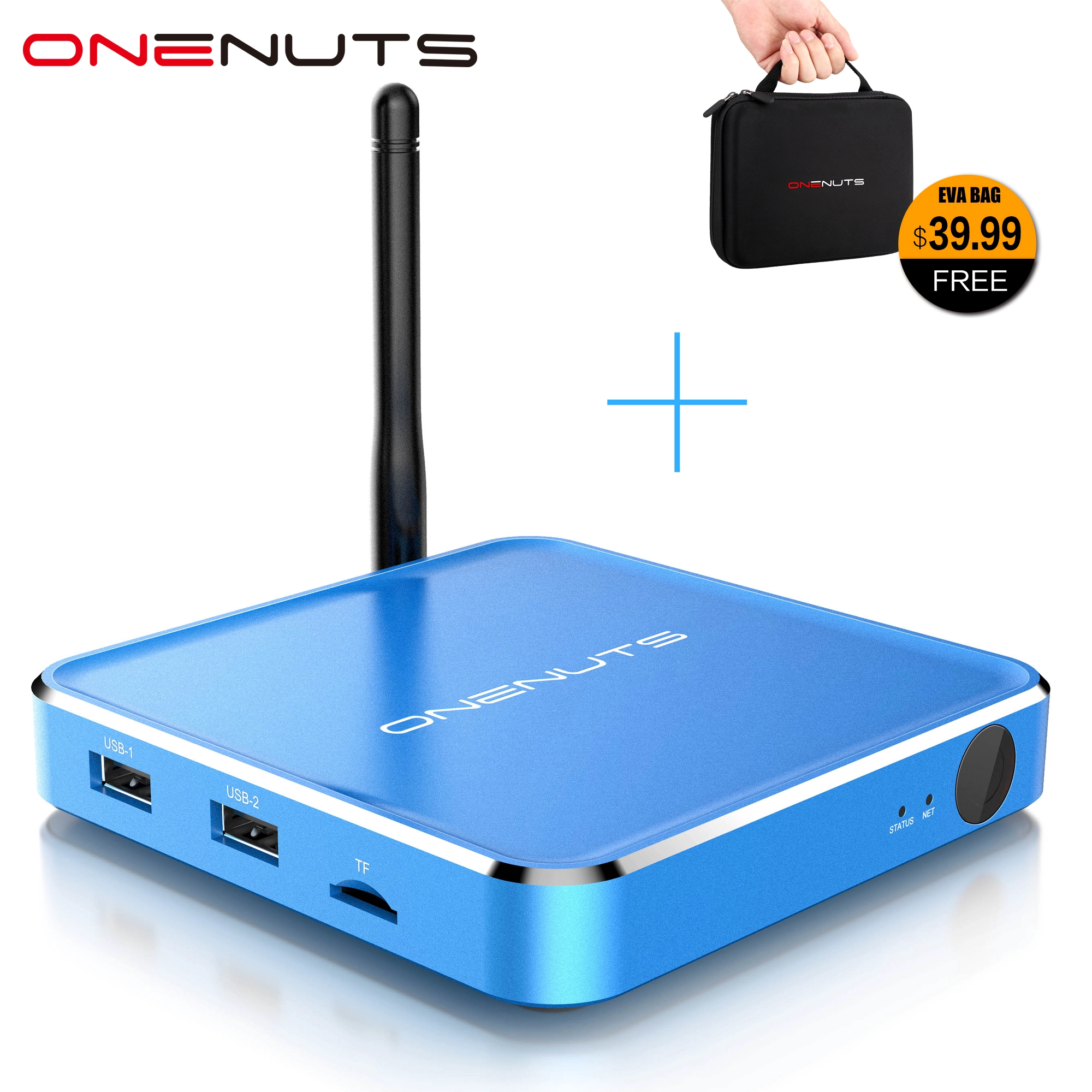
Within an IPTV (Internet Protocol Television) ecosystem, the TV Box functions as a dedicated edge-compute node. It decodes encrypted, packetized IP video streams and translates them into a frame-accurate, low-latency visual output for commercial displays.
1. Decoding the Hardware Pipeline: How an IPTV Box Processes Streams
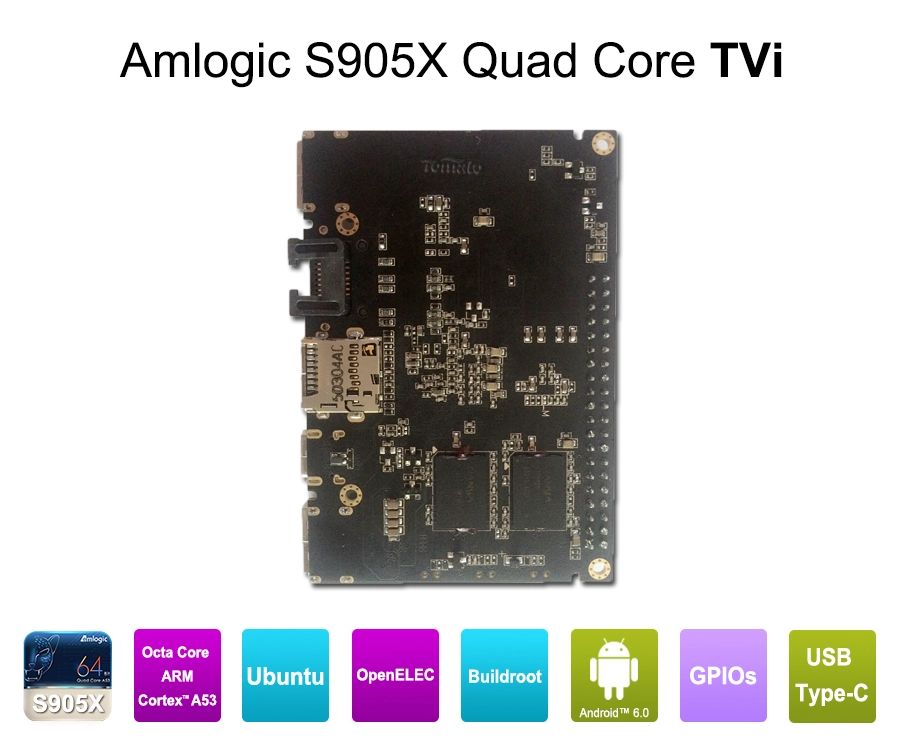
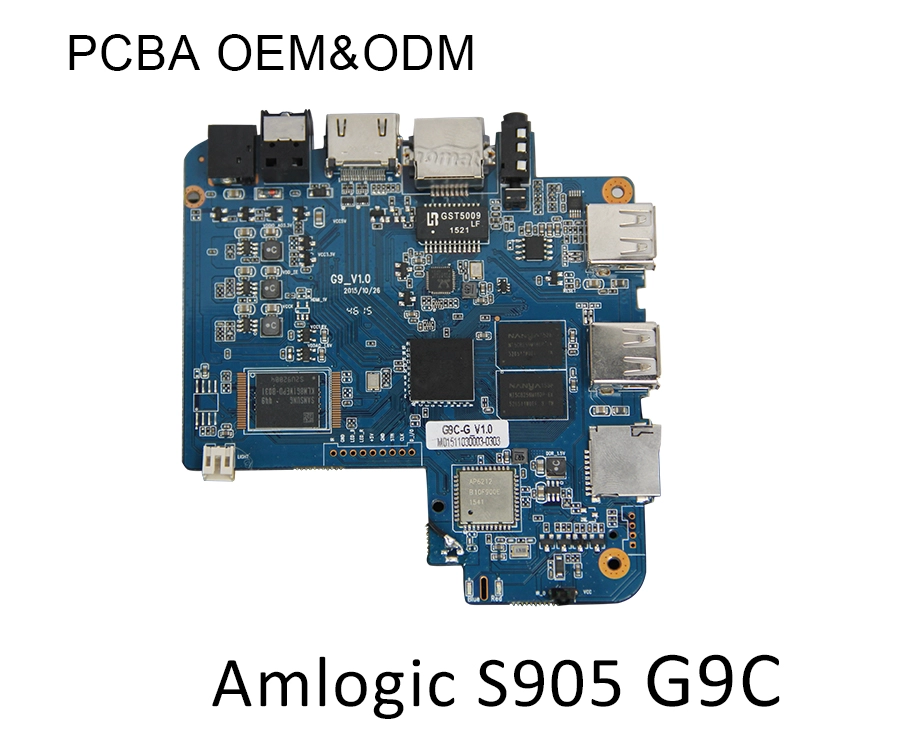
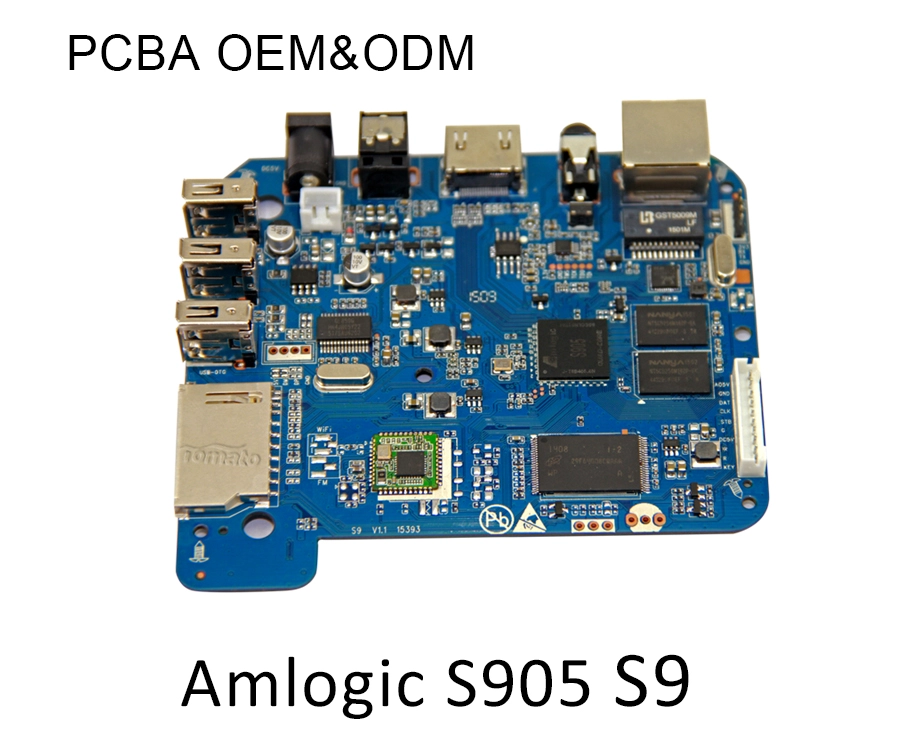
To understand why consumer-grade hardware fails in enterprise IPTV environments, you must analyze how data moves through the device's System-on-Chip (SoC) and Printed Circuit Board Assembly (PCBA).
[ IP Network Input ]
       │ (Gigabit Ethernet / Wi-Fi 7)
       ▼
[ Demuxing Layer ] ──► Extracts Audio/Video/MPEG-TS PID Data
       │
       ▼
[ Hardware Decoders ] ──► Native AV1 / H.265 Silicon Processing
       │
       ▼
[ Security & DRM ] ──► Widevine L1 / PlayReady Decryption
       │
       ▼
[ HDMI 2.1 Output ] ──► Frame-Accurate 4K/8K Video to Display
Protocol Parsing and Demuxing
The IPTV box ingests data packets over an IP network via Gigabit Ethernet or high-throughput Wi-Fi 7 (802.11be) interfaces. Unlike traditional cable boxes that rely on physical tuners, the IPTV hardware opens network sockets to receive unicast (HTTP, RTSP, HLS) or multicast (UDP/RTP) streams.
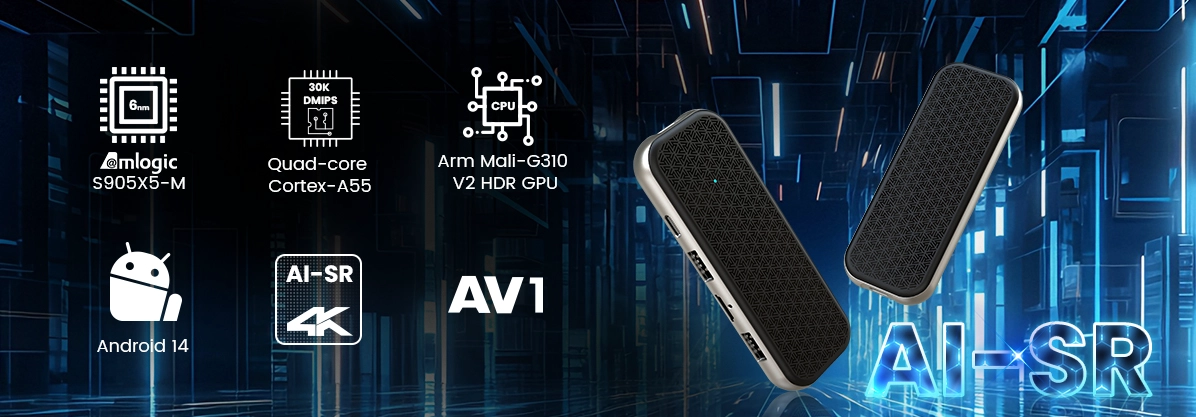
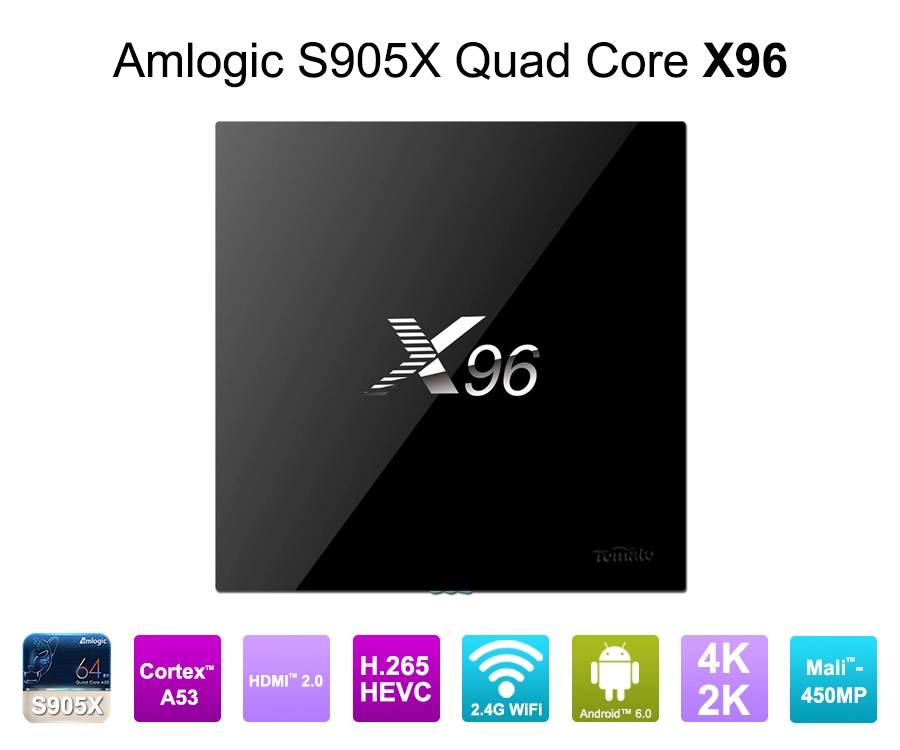
The CPU—typically a multi-core ARM Cortex-A55 or Cortex-A76 configuration found in enterprise silicon like the Amlogic S905X5 or S928X—handles the initial network protocol stack. It un-encapsulates the IP packets to extract the underlying MPEG-TS (Transport Stream) or fragmented MP4 data.
Silicon-Level Video Decoding
Once the transport stream is isolated, the CPU drops the payload into the SoC’s dedicated hardware video decoding blocks. Running video decoding on raw CPU processing cores causes rapid overheating and dropped frames.
Modern commercial IPTV boxes utilize dedicated hardware pipelines to process bitstreams effortlessly:
-
AV1 Native Decoding: The current standard for high-density networks. Hardware-accelerated AV1 decoding reduces network bandwidth requirements by up to 30% compared to legacy H.265 (HEVC), while maintaining identical 4K picture quality.
-
AI Super-Resolution (AI-SR): Advanced SoCs integrate dedicated Neural Processing Units (NPUs). If a telecom operator or hotel headend broadcasts a legacy 1080p channel feed, the edge hardware uses AI upscaling locally to output a clean, near-4K image. This approach avoids saturating the local backbone network with massive, uncompressed 4K data streams.
2. Middleware Integration and Content Protection (DRM)
The TV Box does more than process raw video pixels; it serves as the runtime platform for operator middleware and secure decryption keys.
Middleware Execution and UI Rendering
The user interface—including the channel list, interactive EPG, Video-on-Demand (VOD) catalog, and billing portal—runs on top of the device's operating system. IPTV devices typically utilize one of two software architecture models:
-
Pure Linux (e.g., MAG/Infomir Platforms): Devices running a dedicated Linux kernel or RDK (Reference Design Kit). These units are locked down, secure, and boot directly into a provider's WebKit or HTML5-based middleware portal. They offer lightning-fast channel zapping speeds because there is no heavy background OS overhead.
-
Android TV (ATV) / AOSP Platforms: Devices running the Android Open Source Project baseline. This platform allows operators to inject custom launchers and deploy private Mobile Device Management (MDM) clients. This layout is ideal for hotel systems that require deep integration with local Property Management Systems (PMS), secure guest data erasure upon checkout, and third-party app sideloading.
Hardware-Level Security (DRM)
Premium IPTV networks must secure high-value content (such as live premium sports and first-run studio films) against stream interception. The TV Box manages this protection via hardware-enforced Digital Rights Management (DRM).
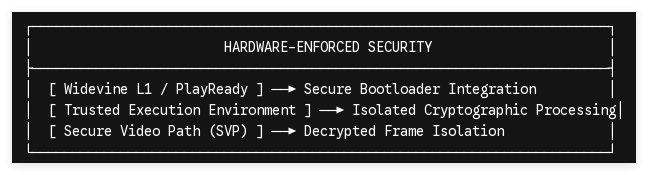
Enterprise-grade TV boxes integrate Widevine L1 and Microsoft PlayReady keys directly into the secure bootloader level of the chip. This architecture isolates cryptographic key handling and video frame buffers inside a Trusted Execution Environment (TEE). This design ensures that raw, decrypted video data cannot be skimmed from system memory by malicious applications.
3. Engineering Pitfalls: What Causes Field Failures in IPTV Deployments?
When auditing large-scale IPTV rollouts, we consistently trace hardware failures back to three distinct engineering oversights.
1. Memory Bus Saturation and Low RAM Configurations
Many procurement teams select low-cost boxes featuring 1GB or 2GB of low-frequency DDR3 RAM to save on upfront Capital Expenditure (CapEx). However, rendering an interactive, image-heavy 4K EPG while simultaneously caching a 4K live stream quickly saturates a narrow memory bus.
For stable commercial deployments, specify a minimum of 4GB of LPDDR4X or LPDDR5 RAM. This provides the memory bandwidth required to prevent UI stuttering and frame drop during high-bitrate playback.
2. Thermal Dissipation Deficiencies
Commercial IPTV endpoints are frequently installed in tight, unventilated cavities directly behind commercial displays or inside AV cabinets. Consumer-grade plastic TV boxes rely on minimal, stamped aluminum plates. Under continuous, round-the-clock decoding loads, the SoC's internal temperature spikes, triggering thermal throttling to prevent chip failure.
When thermal throttling kicks in, CPU and GPU clock speeds drop sharply, causing immediate stream buffering, UI lag, and eventual system crashes. Enterprise PCBAs must be designed with oversized, heavy-gauge extruded aluminum heatsinks or use thermal pads to link the SoC directly to a metal chassis, converting the outer housing into a highly efficient heat spreader.
3. Missing Hardware Multi-Network Routing Optimization
In enterprise hospitality settings, an IPTV box must often manage multiple network interfaces simultaneously—such as handling multicast IPTV video over an isolated VLAN while routing standard internet data for guest casting apps over a separate public subnet. Cheap, non-optimized network layer stacks choke under this concurrent traffic, leading to erratic disconnects and pixelated streams.
4. Enterprise Procurement Blueprint for IPTV Hardware
To ensure long-term deployment success, your technical procurement checklist should prioritize component validation over basic retail specifications.
| Engineering Factor | Minimum Enterprise Requirement | Operational Benefit |
| Silicon Platform | Amlogic S905X5 / S928X or equivalent 6nm/12nm node. | Native hardware-level AV1 decoding, low power consumption, and minimal thermal load. |
| Network Interfaces | Native Gigabit Ethernet (RJ45) + Wi-Fi 6E/7 (802.11ax/be). | Stable, interference-free stream intake in high-density corporate or hotel environments. |
| OS Customization | Accessible Android Open Source Project (AOSP) root layer. | Allows custom boot animation injection, hardcoded middleware launchers, and hidden system menus. |
| Supply Chain Lifecycle | Guaranteed 3 to 5-year silicon component availability. | Eliminates unexpected component changes across staggered multi-year rollouts. |
Secure an Enterprise-Grade IPTV Endpoint Fleet
Successful IPTV rollouts require reliable, commercial-grade hardware endpoints built to handle rigorous field environments. Do not risk your platform deployment on cheap, consumer-grade retail media boxes that compromise your system architecture.
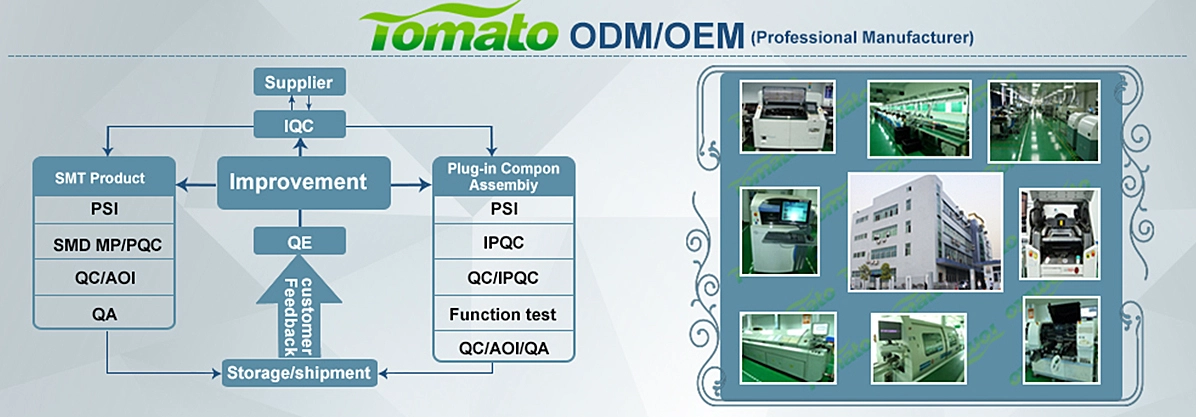
SZTomato delivers specialized B2B OEM/ODM manufacturing for high-performance TV boxes. We specialize in custom PCBA development, custom kernel-level firmware optimization, and robust thermal engineering tailored for global IPTV networks. Contact our enterprise division today to discuss your project requirements, coordinate validation samples, and optimize your deployment infrastructure.