What is the absolute Best Internet TV Box?
Architecture Beyond Retail: What Is the Absolute Best Internet TV Box for Enterprise & B2B Deployments?
The enterprise OTT, IPTV, and commercial digital signage sectors face an architectural bottleneck: the wide scale adoption of bandwidth-efficient video codecs (such as AV1 and H.266/VVC) alongside escalating requirements for continuous 24/7/365 operational uptime. Off-the-shelf consumer streaming sticks and retail TV boxes are structurally ill-suited for commercial environments. Built on low-cost 2-layer FR-4 PCBAs, passive dynamic thermal throttling, and rigid stock launchers, consumer hardware introduces high failure rates, thermal degradation, and unmanaged background updates when deployed at scale.
Determining the "best" Internet TV Box for system integrators, telecom operators, and commercial solution providers requires looking beyond cosmetic UI or theoretical benchmark scores. The ideal device is defined by board-level thermal dissipation, hardware-enforced DRM security enclaves, low-level kernel accessibility, and total software lockdown capabilities.
1. Silicon Architecture & Codec Pipeline Optimization
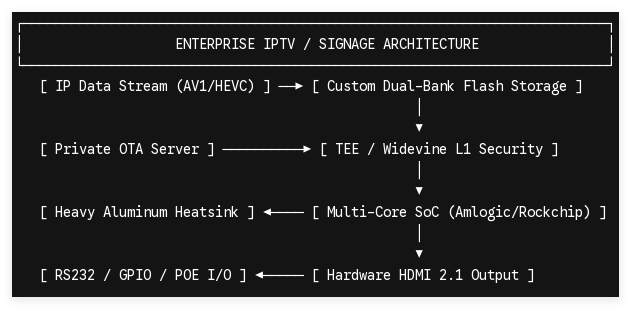
Evaluating an Internet TV Box begins at the System-on-Chip (SoC) floor plan. Modern high-density media streaming demands dedicated hardware Video Processing Units (VPUs) capable of processing AV1 4K/8K media streams at 60fps. Utilizing AV1 yields up to a 30% reduction in network bandwidth consumption compared to HEVC/H.265 at identical visual quality levels—a critical cost factor for managed IPTV operators and large-scale digital signage networks handling terabytes of monthly traffic.
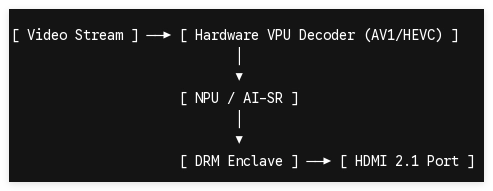
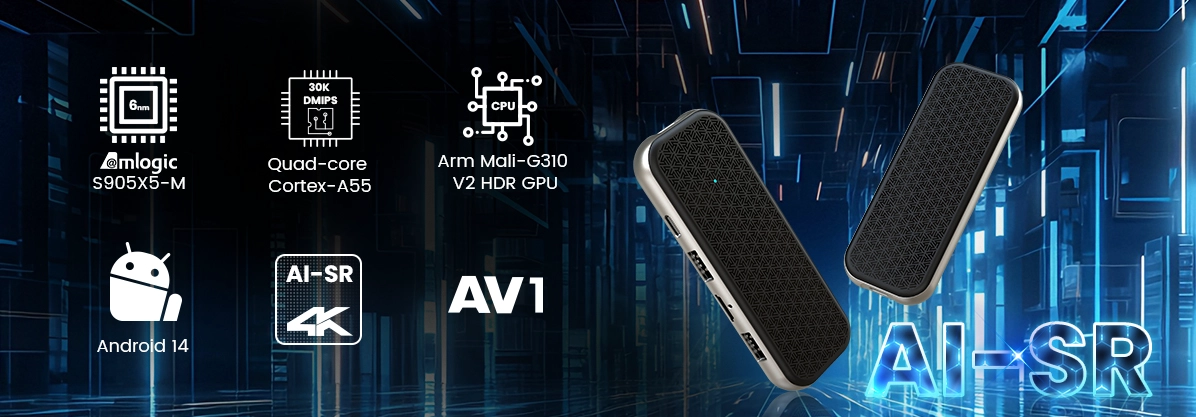
Next-generation silicon—such as the 6nm Amlogic S905X5 and S928X series—pairs hardware AV1 decoding with integrated Neural Processing Units (NPUs) running AI-Super Resolution (AI-SR) algorithms. AI-SR dynamically upscales legacy 1080p feeds into native 4K display output in real-time, allowing operators to reduce source media encoding resolutions while maintaining high visual clarity on commercial displays.
Core Security & Hardware DRM Pipelines
For licensed OTT services and premium enterprise content, hardware-level DRM pipelines are non-negotiable. Silicon architectures must incorporate a dedicated Trusted Execution Environment (TEE). Cryptographic keys for Widevine L1 and PlayReady DRM must be stored and processed entirely within isolated security enclaves, ensuring unencrypted frame buffers never cross exposed bus lines where they could be intercepted.
2. PCBA Engineering & Thermal Management for 24/7 Uptime
Consumer streaming players suffer thermal throttling within hours of continuous heavy decoding, causing dropped frames, UI latency, and eventual hardware failure. Industrial media players demand custom Printed Circuit Board Assembly (PCBA) design.
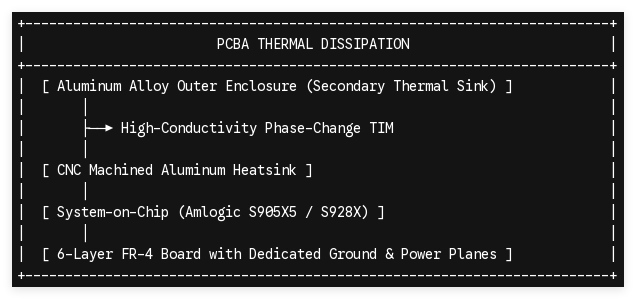
Key Differences: Consumer vs. Enterprise Hardware Architecture
| Parameter | Standard Consumer Box | Industrial B2B OEM Solution (SZTomato) |
| Operational Duty Cycle | Intermittent (3-6 hours/day) | Continuous 24/7/365 Rating |
| PCBA Board Layers | 2-layer or standard 4-layer FR-4 | Multi-layer (6+ layer) FR-4 with dedicated ground/power planes |
| Thermal Dissipation | Small stamped aluminum pad | Heavy aluminum heatsinks + direct thermal pad chassis contact |
| Power Distribution | Micro-USB / 5V 2A basic DC adapter | Power over Ethernet (PoE 802.3at) / Wide-voltage 12V-24V Phoenix terminals |
| System Storage & I/O | Basic eMMC 5.0, single USB 2.0 | eMMC 5.1/NVMe expansion, RS232, GPIO, Gigabit Ethernet |
| Lifecycle Availability | 6 - 12 months before EOL | 3 - 5 year guaranteed hardware lifecycle |
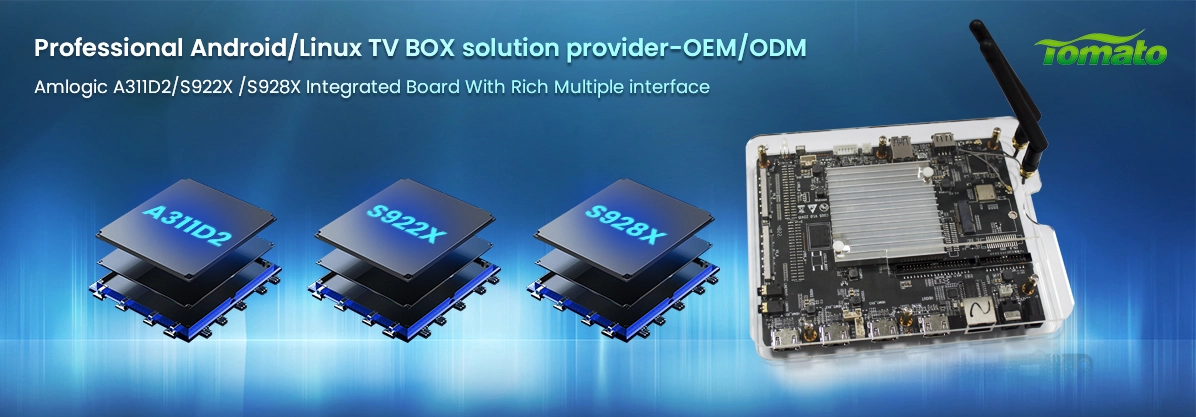
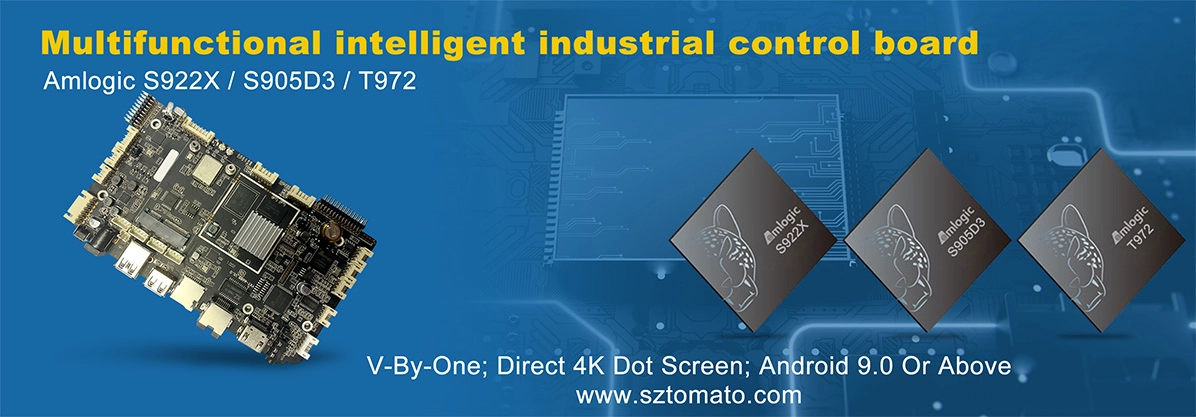
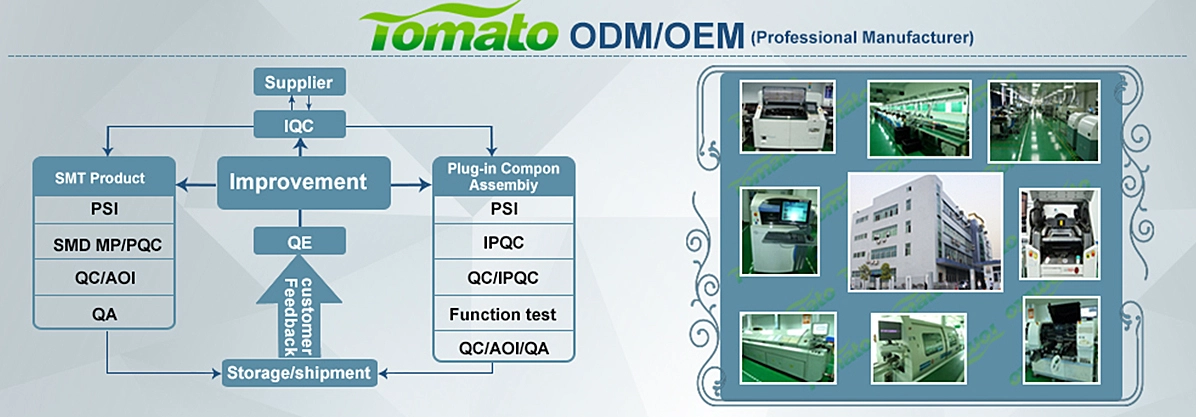
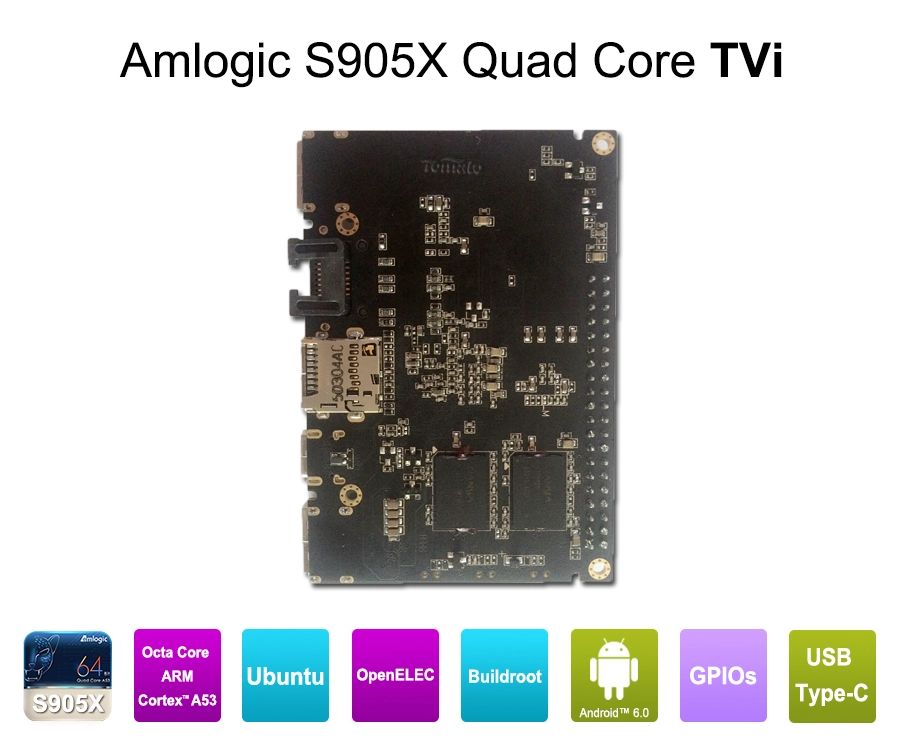
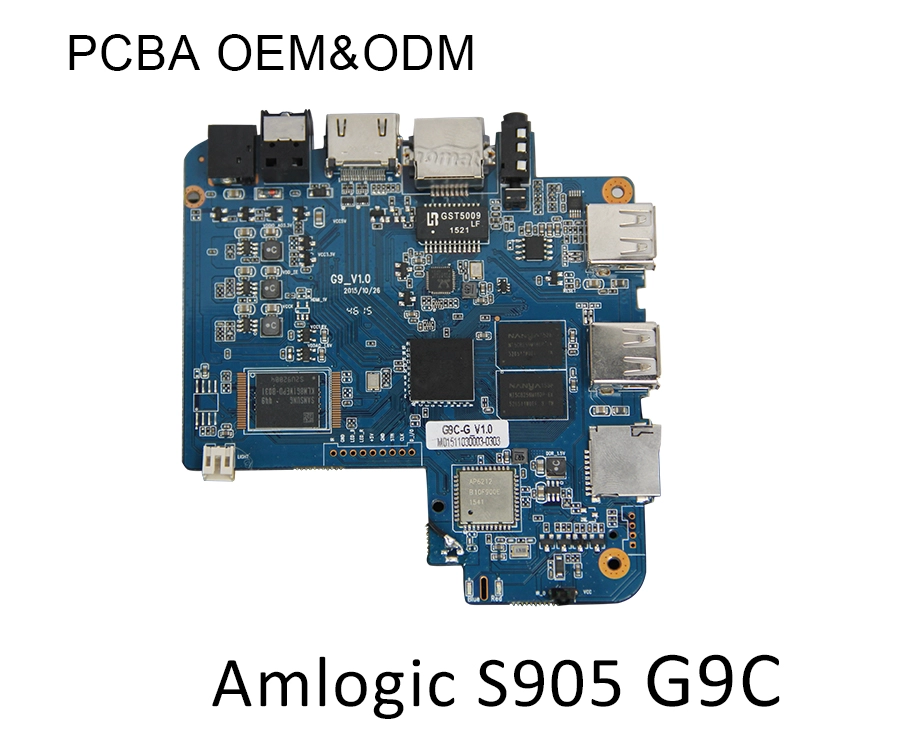
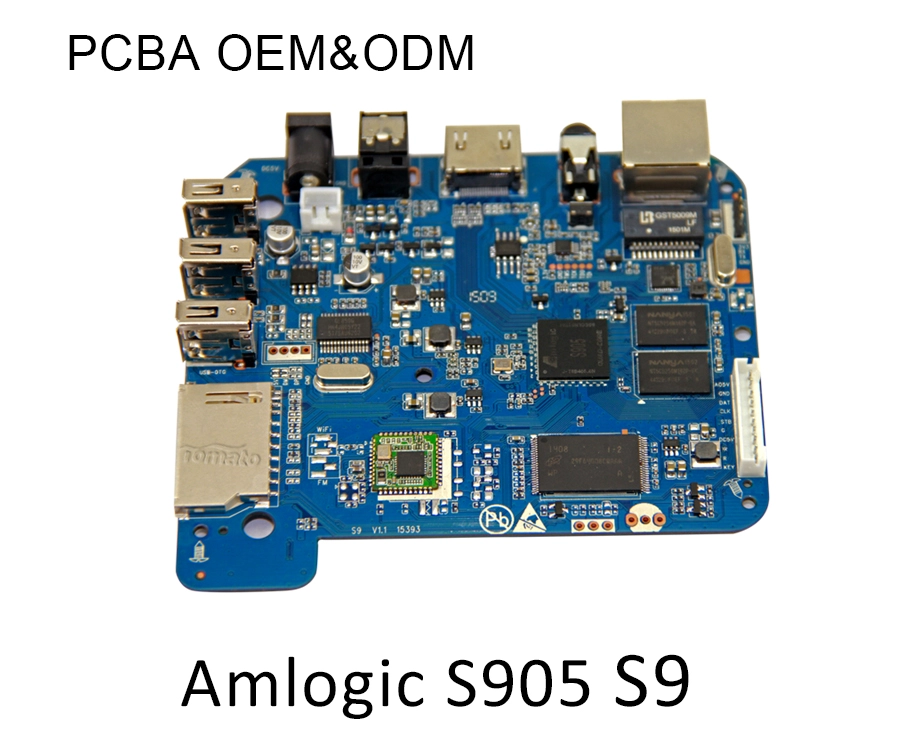
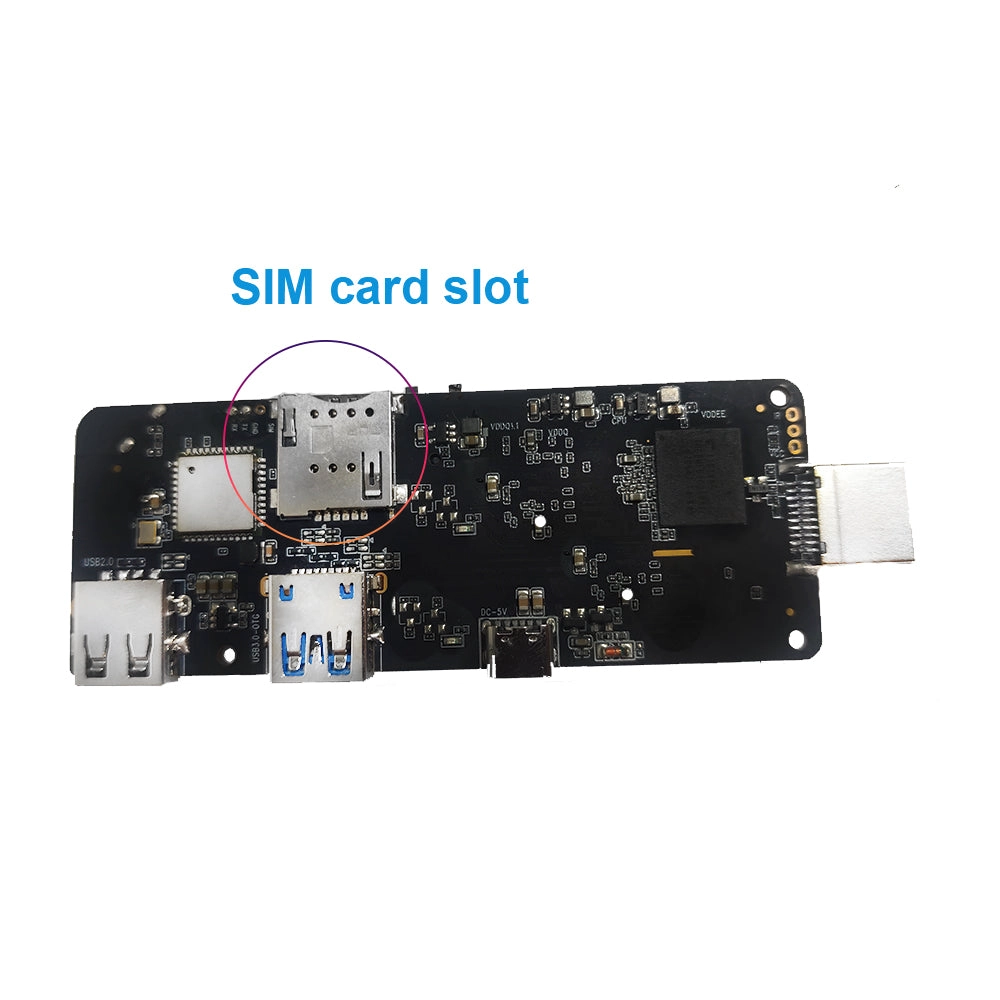
At SZTomato, hardware customization goes beyond mounting off-the-shelf boards into custom plastic cases. SZTomato's engineering team designs multi-layer PCBAs featuring dedicated power and ground planes to suppress electromagnetic interference (EMI). Custom hardware layouts incorporate RS232 serial interfaces for direct AV matrix control, configurable GPIO pins for environmental sensors or touch-screen triggers, Power over Ethernet (PoE) modules to eliminate external AC drops, and specialized thermal heatsink assemblies engineered for fanless industrial chassis deployment.
3. Firmware Engineering: Android/Linux Kernel Optimization
Hardware is only as reliable as the low-level code controlling it. Off-the-shelf Android software builds are bloated with background Google services, consumer telemetry routines, and aggressive memory reclamation algorithms that terminate background media daemons.
Deep Firmware Customization Capabilities
SZTomato’s software engineering team operates directly within the Android Open Source Project (AOSP) and Linux kernel layers to deliver deployment-ready software builds:
-
Custom Kiosk & Launcher Lockout: Complete removal of standard consumer launchers in favor of auto-booting, locked single-application environments (Kiosk Mode) that prevent end-user tampering, system menu access, or unauthorized app installation.
-
SDK & API Integration: Surface-level access to system-level APIs, allowing client software to directly control display orientation (portrait/landscape rotation at boot), hardware watchdog timers, screen resolution scaling, and GPIO pin states.
-
System Watchdog & Auto-Recovery: Kernel-level watchdog integrations that automatically reboot hardware or clear memory buffers if the primary playback application freezes or drops off the network.
-
Boot Animation & UI/UX Branding: Native hardcoding of client logos, boot videos, custom color palettes, and default network configurations directly into the system vendor partition.
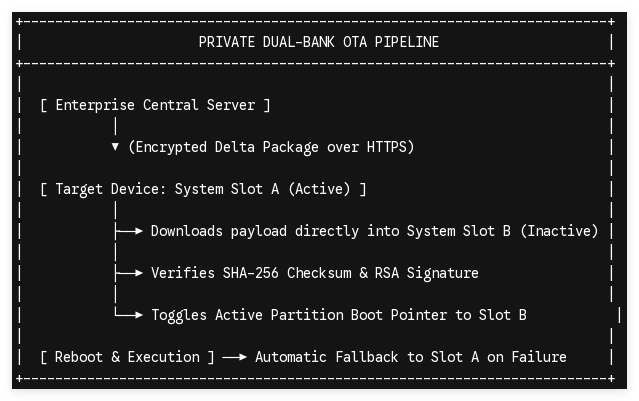
Private OTA System Management
Deploying thousands of TV boxes globally requires a closed-loop Over-The-Air (OTA) update system. SZTomato supplies private, white-labeled OTA update infrastructure. System administrators can push differential delta updates, schedule deployment windows during low-traffic hours, and maintain dual-bank (A/B) OS partition structures to guarantee zero-brick risk during field updates.
Technical Hardware Specification Reference
For procurement teams evaluating hardware builds for commercial deployments, the following specifications illustrate a typical enterprise-grade Android 14 / Linux Media Platform engineered by SZTomato:
[System Core]
SoC Architecture    : Amlogic S905X5 / S928X Quad/Octa-Core ARM Cortex-A55/A76
GPU Hardware        : ARM Mali-G310 / Mali-G57 with Vulkan 1.2 support
NPU Performance     : 3.2 TOPS to 4.0 TOPS (Supports Real-Time AI-SR)
System Memory       : 2GB / 4GB / 8GB LPDDR4x / LPDDR5
Internal Storage    : 16GB to 128GB eMMC 5.1 (Optional M.2 NVMe SSD via PCIe 3.0)
[Video & Audio Pipeline]
Decoding Engine     : AV1 MP-10@L5.1 4K@60fps / 8K@60fps, HEVC/H.265, VP9 Profile 2
HDR Format Support  : HDR10+, Dolby Vision, HLG Dynamic Color Mapping
Video Output        : Native HDMI 2.1b with HDCP 2.3 security protocol
Security Enclave    : ARM TrustZone, Widevine L1, PlayReady 3.0, TEE
[Connectivity & Industrial I/O]
Network Controller  : Gigabit Ethernet RJ45 (10/100/1000 Mbps)
Wireless Modules    : Dual-Band Wi-Fi 6 (802.11ax 2x2 MIMO) + Bluetooth 5.2/5.4
Serial / Expansion  : 1x RS232 DB9/Header, 4x Programmable GPIO, 1x USB 3.0, 1x USB 2.0
Power Architecture  : 12V DC Phoenix Input OR IEEE 802.3at Power over Ethernet (PoE)
Operating Temp      : -10°C to +60°C continuous ambient operation
Enterprise B2B Sourcing: Partnering with SZTomato
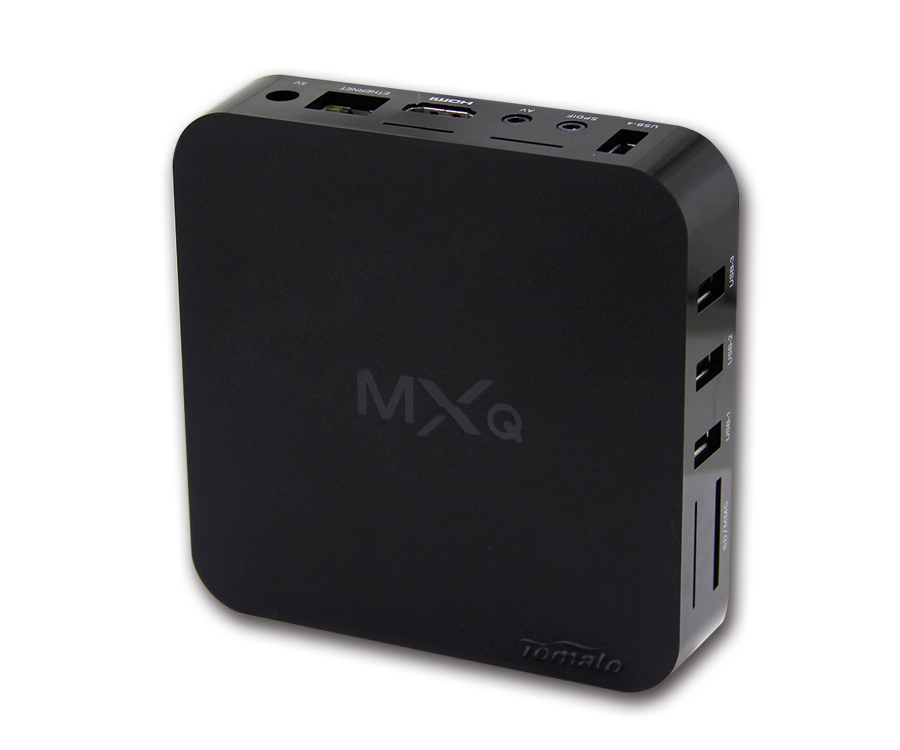
The absolute best Internet TV Box is not a single off-the-shelf retail SKU—it is a purpose-built, enterprise-tailored hardware and software platform designed around your exact deployment demands.
With over 15 years of dedicated OEM/ODM manufacturing expertise in cross-border electronics, Shenzhen Tomato Technology Co., Ltd. (SZTomato) bridges the gap between raw silicon capabilities and turnkey commercial solutions. From initial PCBA schematic engineering and component sourcing to deep OS kernel customization, hardware enclosure tooling, and private cloud OTA server deployment, SZTomato delivers media hardware that ensures system reliability, platform security, and long-term supply stability.
Accelerate Your Hardware Deployment
Are you launching an enterprise IPTV platform, upgrading a commercial digital signage network, or seeking a reliable hardware manufacturing partner for custom Android/Linux media players?
Contact SZTomato's senior engineering and procurement team today to request hardware samples, review PCBA layout documentation, or schedule a technical OEM/ODM project consultation.
-
Engineering Direct Web Portal: www.sztomato.com
-
OEM/ODM Project Inquiries: sales@sztomato.com