
What is the best way to Smart TV Box?
What Is the Best Way to Smart TV Box? The Enterprise Deployment Methodology
Commercial digital engineering teams are facing clear challenges as broad infrastructure shifts toward advanced hardware decoding profiles like the AV1 codec and 8K processing topologies. System integrators, hospitality operators, and digital signage network architects frequently realize that selecting and provisioning a Smart TV Box requires much more than simply downloading third-party applications onto retail Android devices. When deployed across hundreds of continuous-use nodes, standard consumer configurations consistently experience thermal throttling, application crashes caused by unoptimized system layers, and uncontrolled OS updates that break application functionality.
The most efficient way to source and deploy a Smart TV Box network is through a specialized hardware approach. This framework combines industrial-grade printed circuit board assembly (PCBA) design, root-level operating system stabilization, and direct control over firmware update infrastructure.
1. Silicon and PCBA Architecture Optimization
The foundation of a reliable commercial Smart TV Box deployment begins at the component layer. Selecting the correct system architecture determines whether the system can sustain consistent uptime under varying physical constraints.
System-on-Chip (SoC) Component Selection
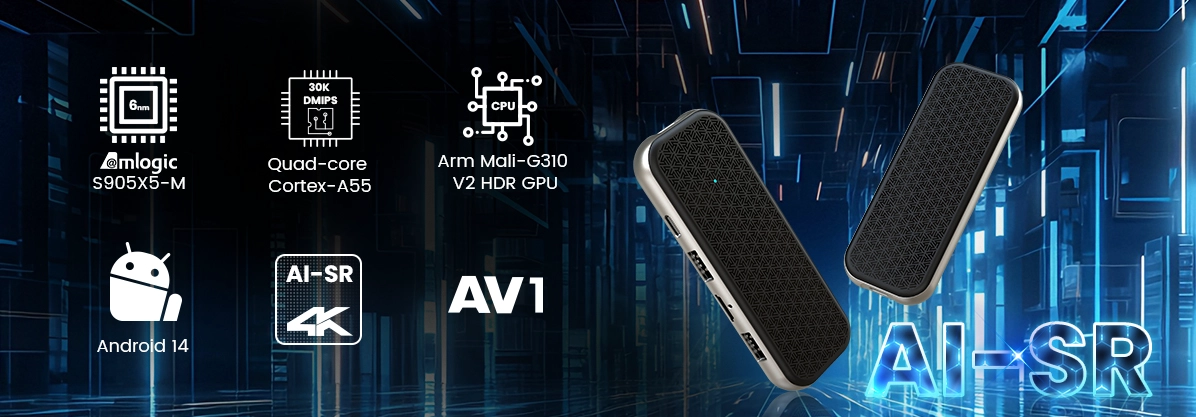
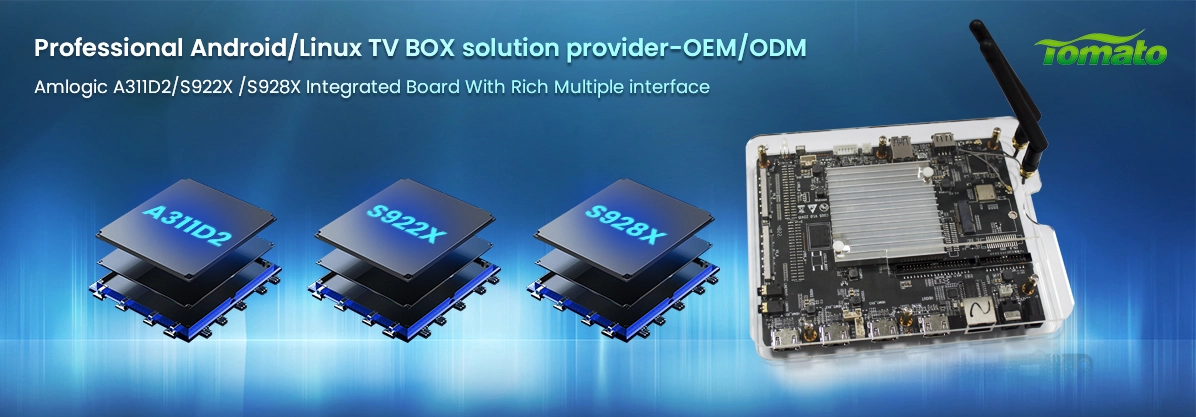
Industrial applications require specialized media processors rather than low-cost consumer silicon. Advanced platforms like the Amlogic S905X4 or S928X series utilize distinct processing domains to balance system resources effectively:
-
Dedicated VPUs: Process high-bitrate AV1, HEVC, and VP9 video decoding locally on the chip, keeping CPU utilization below 15%.
-
Multi-Core GPUs: Render dense, multi-layered HTML5 web content, vector animations, and split-screen retail signage layouts smoothly at 60 frames per second.
Custom PCBA Layout Modifications
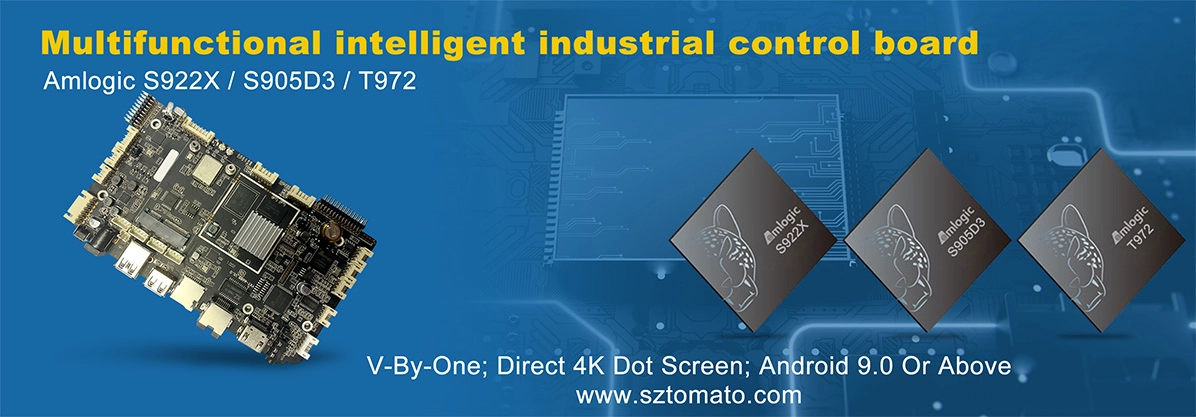
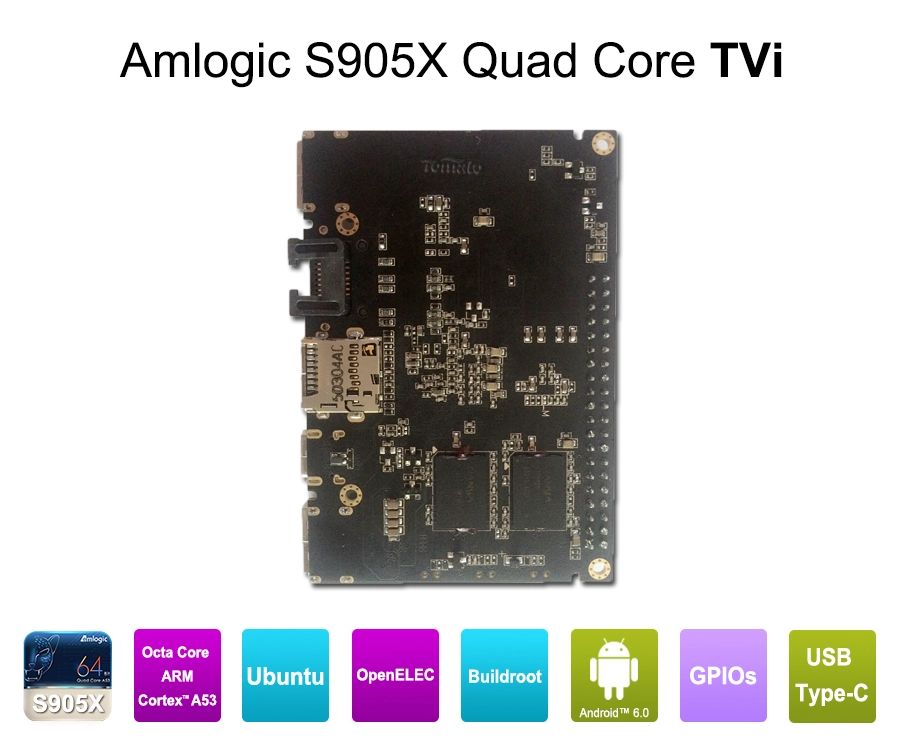
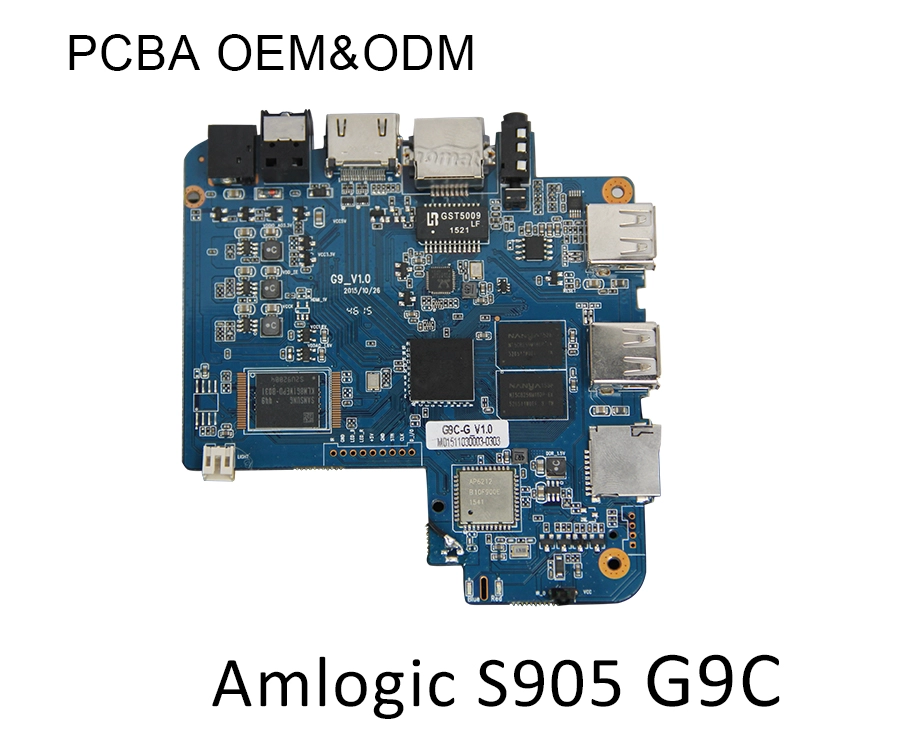
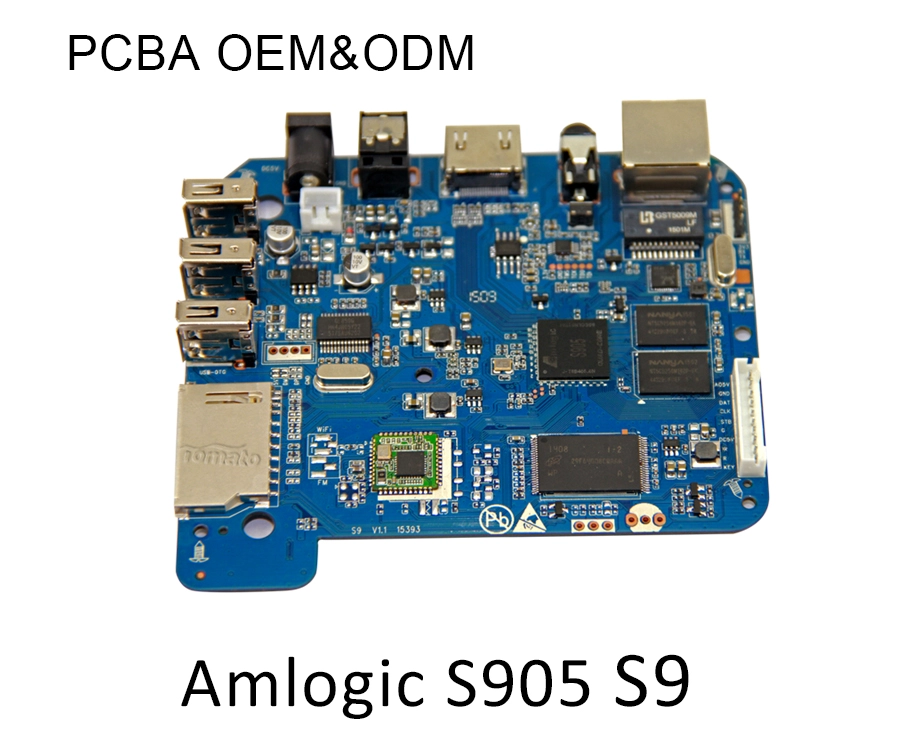
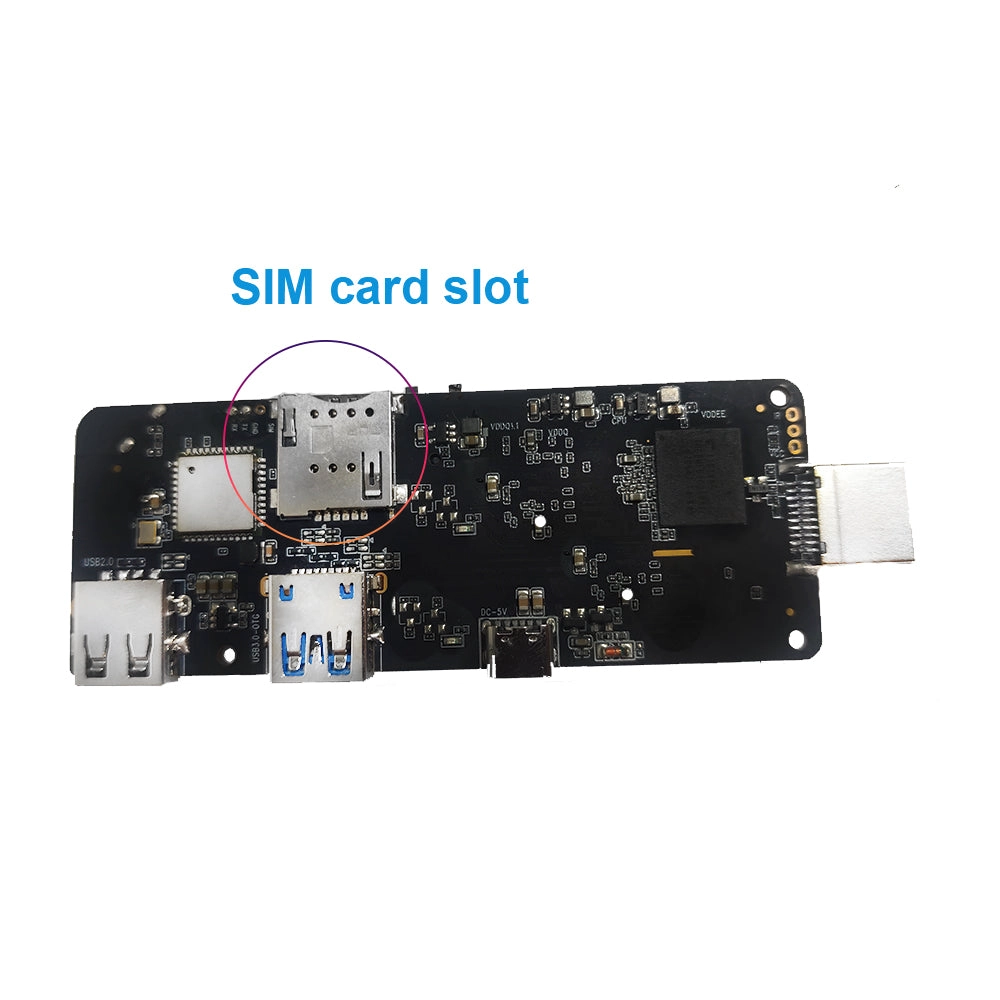
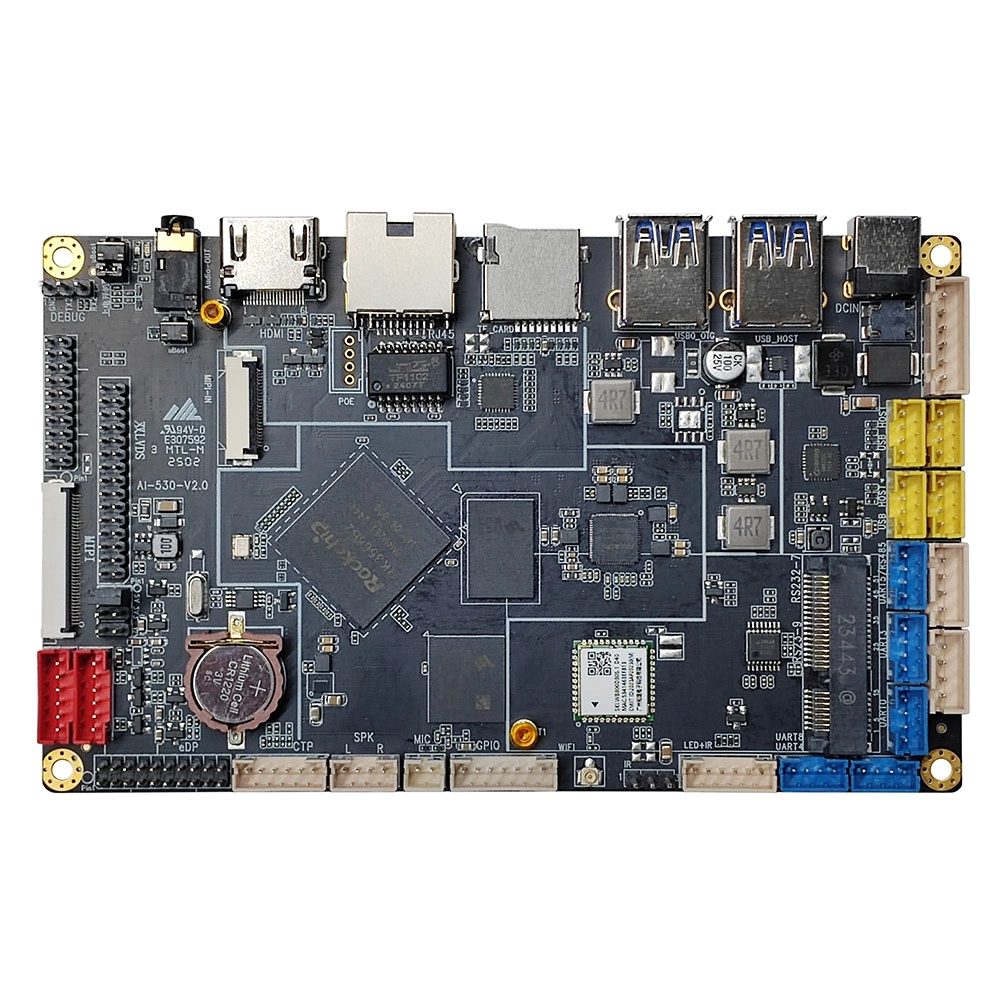
Industrial deployments often require tailored physical circuit board configurations to fit specific commercial spaces. A specialized manufacturer modifies the underlying PCBA blueprint to add essential industrial features:
| Engineering Parameter | Standard Retail TV Box | Industrial PCBA Specification |
|---|---|---|
| Power Input Range | Strict 5V USB (Prone to drops) | Wide-Voltage DC Input (9V - 36V) with transient protection |
| Network Interfaces | Consumer Wi-Fi priority | True Gigabit Ethernet (RJ45) + Power over Ethernet (PoE) options |
| Physical Expansion | No hardware headers | Internal GPIO headers, RS232 serial ports, and PCIe slots |
| Thermal Dissipation | Minimal plastic casing pads | Heavy-duty form-fitted aluminum heatsinks with structural venting |
2. Low-Level Firmware Customization and Kernel Optimization
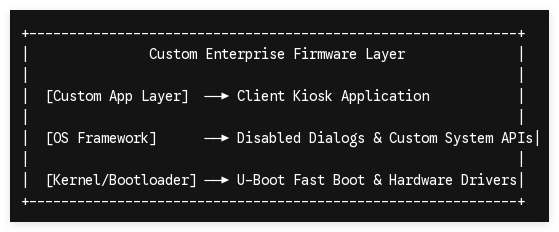
Relying on standard Android settings menus is insufficient for managing enterprise device behavior. True stability requires optimization at the Linux kernel level and within the underlying system framework partitions.
System API and App Integration
Custom firmware engineering modifies core system properties (build.prop) and framework code to give system integrators direct operational control:
-
Boot-to-App Execution: Modifying the bootloader (U-Boot) allows the box to launch the enterprise media application immediately upon receiving power, completely bypassing the stock Android home screen.
-
Suppressed System Overlays: Disables low-level Android UI prompts, volume bars, and peripheral connectivity notifications, preventing them from interrupting public displays.
-
Hardware Video Orientation: Integrates system-level display configuration APIs, enabling hardware-level 90-degree screen rotation for vertical digital signage without taxing the software layer.
3. Designing for High Uptime: Thermal and Fault-Recovery Frameworks
A critical challenge when managing widespread deployments is minimizing on-site maintenance calls. Hardware deployed behind commercial displays or inside steel enclosures must be engineered to recover from system faults automatically.
Hardware Watchdog Timer (WDT) Implementation
Software-based monitoring tools cannot recover a device if the operating system experiences a complete kernel panic. Incorporating an independent hardware Watchdog Timer IC directly onto the PCBA layout solves this issue:
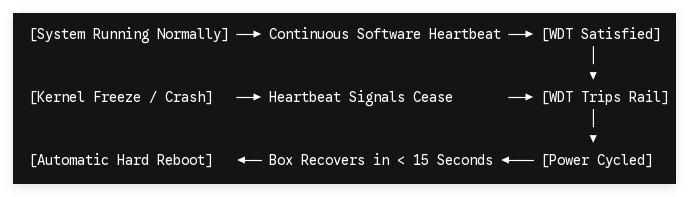
This automated recovery loop ensures that crashed units reboot and resume video playback within seconds, maintaining high network uptime without manual technician intervention.
Advanced Thermal Engineering
Commercial environments require robust passive thermal design. Using specialized aluminum alloys and structural thermal pads allows the device to dissipate heat efficiently across the entire surface of its enclosure, preventing the processor from throttling speed even during continuous 24/7 operation at 45°C ambient temperatures.
4. Controlled Update Lifecycles and Content Security
Forced operating system updates are a common pain point when managing consumer-grade hardware arrays. Commercial networks require isolated update environments to preserve stability.
Enterprise Over-the-Air (OTA) System Control
The optimal deployment strategy involves decoupling the Smart TV Box network from public update infrastructure. By integrating an enterprise OTA management client into the custom firmware image, deployment managers can safely orchestrate updates from a private server:
-
Staged Rollouts: Deploy and verify system updates on a small subset of devices before updating the entire fleet.
-
Delta Patch Deployment: Push small, incremental system updates rather than flashing full storage partitions, minimizing remote network bandwidth consumption.
-
Rollback Protection: Block unauthorized or unverified firmware installations at the bootloader level.
Complete Content Protection Subsystems
To distribute premium media streams or sensitive corporate content securely, the hardware path must align with modern cryptographic standards. This includes injecting Google Widevine L1 and Microsoft PlayReady keys directly into the chip's secure eFuses during manufacturing. Processing these keys within an isolated Trusted Execution Environment (TEE) combined with HDCP 2.2/2.3 HDMI encryption guarantees end-to-end content protection.
Leverage SZTomato for Your Custom Smart TV Box Infrastructure
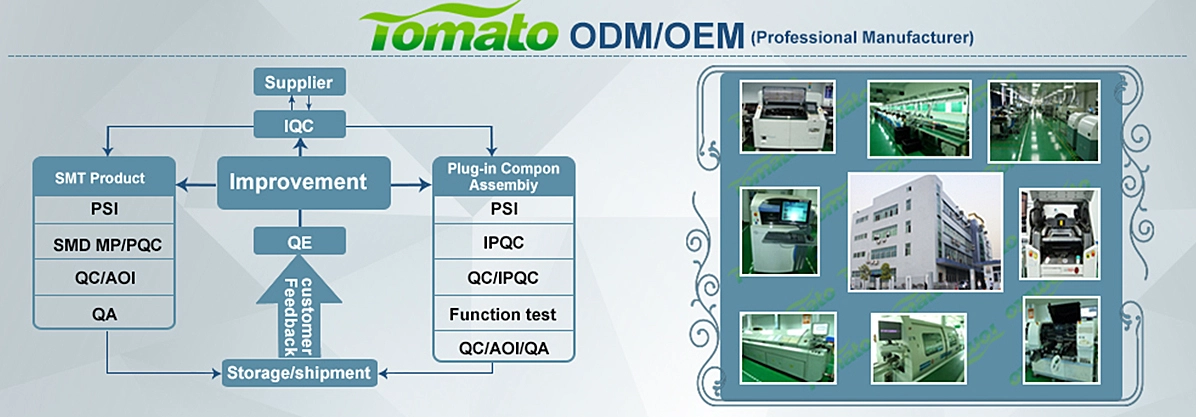
Sourcing the right hardware platform requires an engineering-first production partner. Shenzhen Tomato Technology delivers 16 years of specialized OEM/ODM expertise to the B2B cross-border electronics market, supplying tailored, high-reliability Smart TV Box platforms built specifically for enterprise system integrators.
SZTomato designs and builds optimized hardware configurations to match your precise application requirements:
-
Bespoke PCBA Layouts: Integrated Power over Ethernet (PoE), dedicated hardware watchdogs, specialized expansion headers, and custom form factors.
-
Low-Level Firmware Customization: Deep Android/Linux kernel optimization, secure system API integration, customized boot behaviors, and locked-down kiosk configurations.
-
Private OTA Update Infrastructure: Complete hosting and management solutions for secure, controlled background software updates.
-
Industrial Thermal Engineering: Advanced passive thermal enclosures engineered for continuous 24/7 commercial use.
To review architectural schematics, request reference design samples, or coordinate evaluation units for your engineering team, connect with our technical consulting group.
