
What's the most powerful Google TV Box?
Designing High-Performance Google TV Deployments: The B2B Engineering Blueprint
Hardware bottlenecks represent a systemic vulnerability for commercial operations. In large-scale digital signage rollouts, enterprise fleet management, or interactive hospitality deployments, an under-spec hardware node results in dropped frames, memory leaks, and premature thermal throttling.
While the retail market focuses heavily on branding, commercial procurement teams recognize that performance is determined entirely beneath the plastic housing. Real performance depends on System-on-Chip (SoC) compute architectures, hardwired multimedia codec pipelines, and the flexibility of the Android Open Source Project (AOSP) or Google TV underlying operating system.
1. Silicon Architecture: Moving Past Consumer Retail Benchmarks
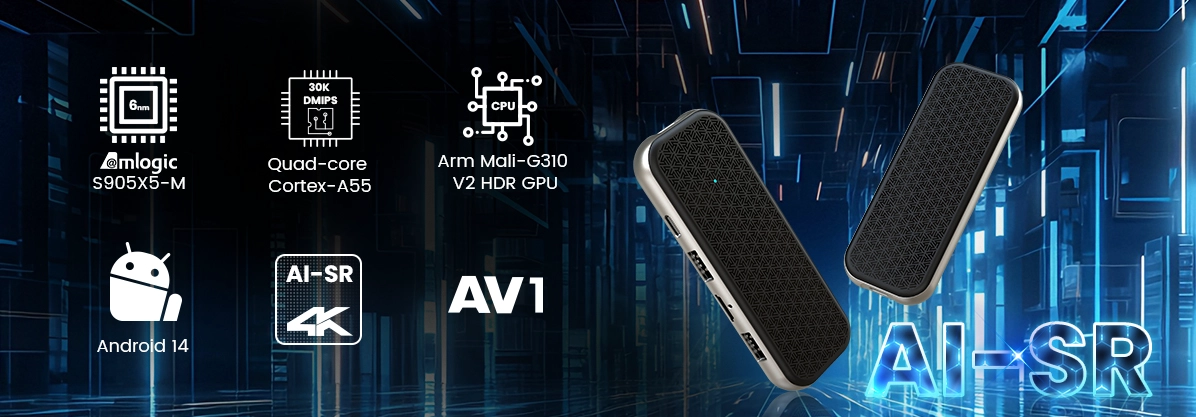
Most off-the-shelf consumer devices—including the Google TV Streamer utilizing the MediaTek MT8696 or retail-tier units with the Amlogic S905X4—are designed for intermittent, single-app home usage. They rely on an ARM quad-core Cortex-A55 architecture, which provides efficient power management but struggles under intensive, multi-layered enterprise application computing.
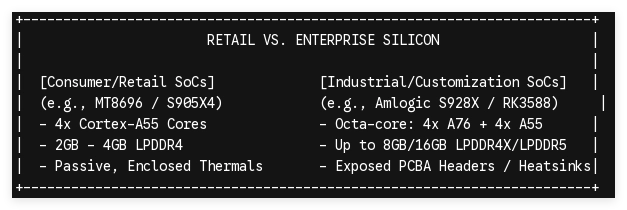
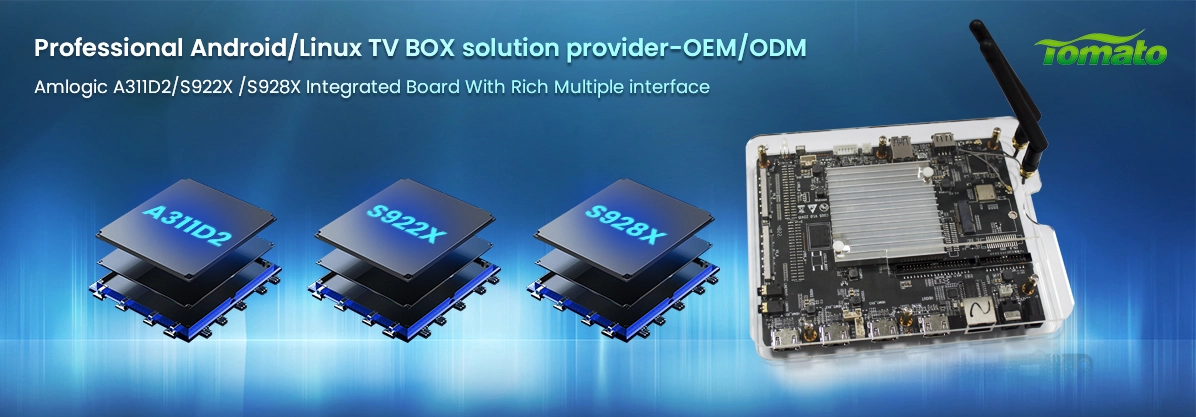
For professional applications like multi-zone digital signage or edge computing, B2B procurement benefits from utilizing higher-performance architectures like the Amlogic S928X or Rockchip RK3588.
These platforms leverage a Big.LITTLE architecture combining high-performance Cortex-A76 cores with high-efficiency Cortex-A55 cores. This design delivers several key operational advantages:
-
Memory Bus Saturation: While standard streaming sticks limit bandwidth with basic 32-bit interfaces, high-tier B2B hardware configurations run a 64-bit or 128-bit memory bus supporting LPDDR4X or LPDDR5 RAM, preventing UI lag during heavy data operations.
-
Compute Headroom: The inclusion of performance cores allows these boards to easily handle high-rate web view rendering, multi-video layering, and background analytical applications without UI stuttering.
-
Dedicated NPU Hardware: Advanced B2B SoCs integrate a dedicated Neural Processing Unit (NPU), enabling local edge AI features like audience demographics tracking, real-time upscaling, or local computer vision without taxing the primary CPU cores.
2. Hardwired Multimedia Pipelines and Codec Integration
A media player's performance is tied directly to its native hardware decoding blocks. If an incoming video stream lacks hardwired ASIC block support on the SoC, the platform falls back to software decoding across the CPU cores. This spike in utilization drives up core temperatures and triggers systemic thermal throttling.
| Video Codec Profile | Technical Requirement | Operational Impact |
|---|---|---|
| AV1 Decoding | Native Hardware ASIC Integration | Essential for reducing content delivery network (CDN) bandwidth costs by up to 30% compared to H.264 profiles. |
| HEVC / H.265 | 4K Main 10 @ 60fps | Required for fluid, artifacts-free presentation on large industrial display panels. |
| HDMI Interface | HDMI 2.1a (eARC / VRR) | Guarantees uncompressed digital signal pathing and stable frame synchronization across external matrix switchers. |
[Incoming Network Stream] ---> [ASIC Hardware Decoder Block] ---> Smooth 4K60 Output (Low CPU Load) ---> [Software Decoding (Fallback)] ---> Dropped Frames & Overheating
Commercial projects require hardware configurations that support native AV1, H.265, and VP9 hardware decoding. Relying on raw CPU power to decode modern bitstreams reduces the overall lifespan of the system components.
3. Firmware Customizability and Root-Level OS Engineering
A high-performance hardware configuration can still be bottlenecked by locked consumer operating system software. Retail Android TV and Google TV systems restrict deep access to protect content ecosystem monetization, which introduces significant friction for enterprise deployments.
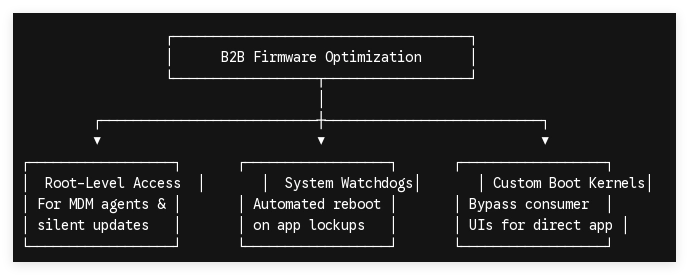
True hardware capability requires dedicated firmware-level engineering and kernel access. B2B integration depends on specific OS deployment strategies:
-
Custom Boot Kernels: Enterprise integrations require custom boot animation configurations and the ability to launch directly into a dedicated application (Kiosk Mode), entirely bypassing the stock consumer interface.
-
Hardware Watchdog Timers: At the Printed Circuit Board Assembly (PCBA) level, custom firmware utilizes physical on-board watchdogs to automatically power-cycle the device if a system lockup occurs, maintaining system uptime without manual intervention.
-
Root Access for MDM Integration: Deploying a global fleet requires elevated system permissions to install software patches, access peripheral camera feeds via USB ports, and capture remote screenshots without needing user confirmation prompts.
4. Thermals and Custom PCBA Modification: The True Power Determinant
The ultimate limiter of sustained performance is heat dissipation. Small consumer dongles are highly prone to thermal throttling under continuous use, dynamically lowering core frequencies to prevent structural damage.
[Continuous 24/7 Processing] ---> Heat Accumulation ---> Passive Consumer Plastic Trap ---> Core Throttling (Performance Drops 40%)
[Continuous 24/7 Processing] ---> Heat Accumulation ---> Industrial Aluminum Case + Heatsink ---> Sustained Peak Performance
When building high-reliability media systems, hardware customization options at the PCBA level provide a distinct advantage over generic retail alternatives:
-
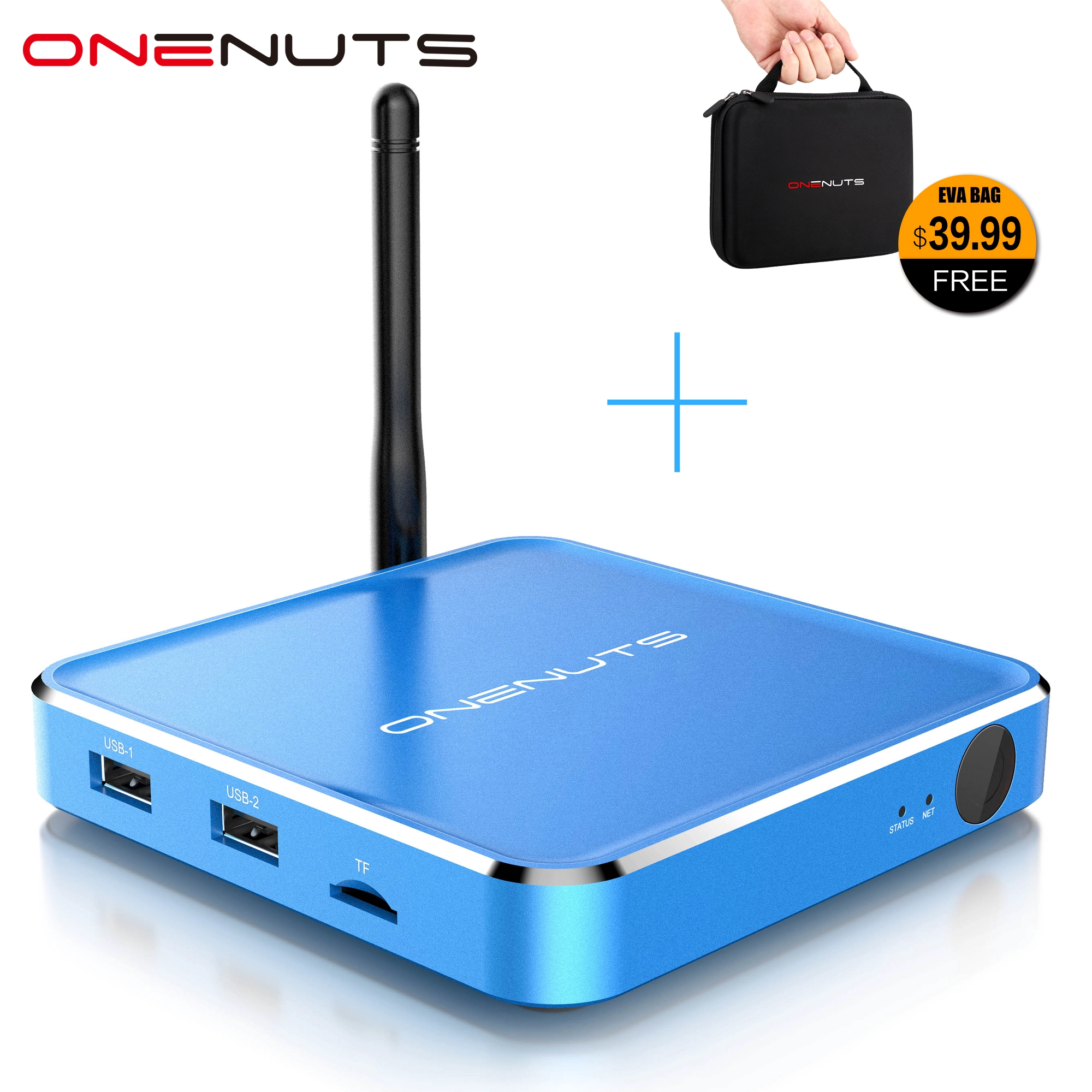
Sustained Thermal Solutions: Replacing enclosed plastic shells with aluminum alloy housings and thick, direct-contact thermal pads keeps the internal SoC core temperatures below 65°C under continuous load, maintaining maximum processing speeds indefinitely.
-
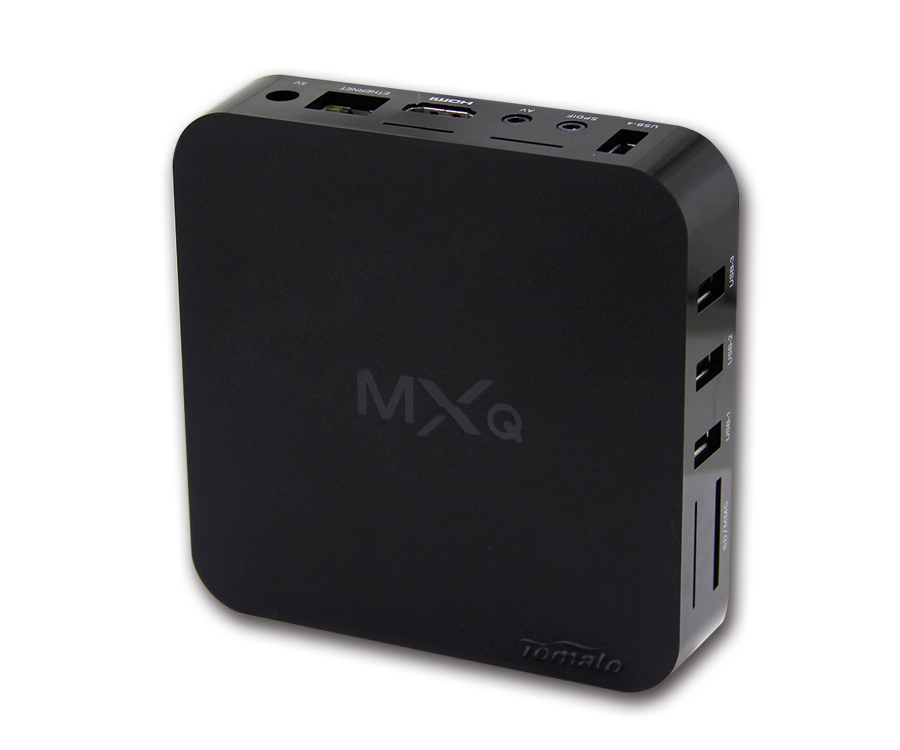
Commercial Interface Options: Standard consumer units lack the ports required for enterprise setups. Specialized B2B boards introduce essential interfaces like native RS-232 serial ports for panel management, dual-band external Wi-Fi antennas, and Power over Ethernet (PoE) modules to run power and data over a single cable.
-
Component Longevity: Selecting industrial-grade capacitors and flash memory modules ensures stable performance through voltage fluctuations, providing a much higher mean time between failures (MTBF) than residential hardware.
Custom OEM/ODM Engineering Partnerships
If your deployments are hitting performance walls or experiencing reliability issues with consumer hardware, looking at retail products is no longer the solution. True computing power requires a balanced mix of optimized silicon, efficient hardware decoding, and customized firmware control built for industrial use.
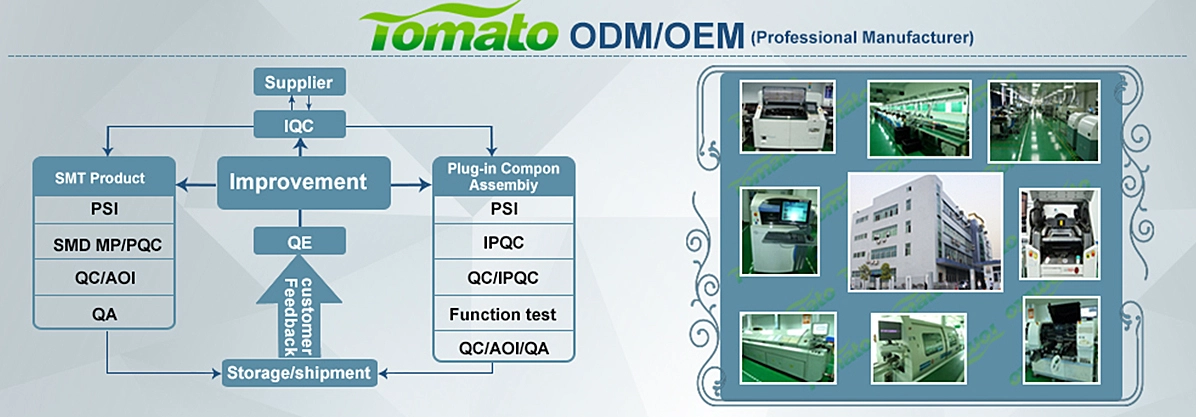
Our engineering team specializes in deep OEM/ODM customization, working from target component sourcing up to low-level kernel firmware modification. Let's discuss your technical requirements to build a reliable, high-performance hardware platform tailored specifically to your enterprise applications.
Contact our Senior Engineering and Architecture Team today to review your project specifications and receive an evaluation sample built for your workload.
