

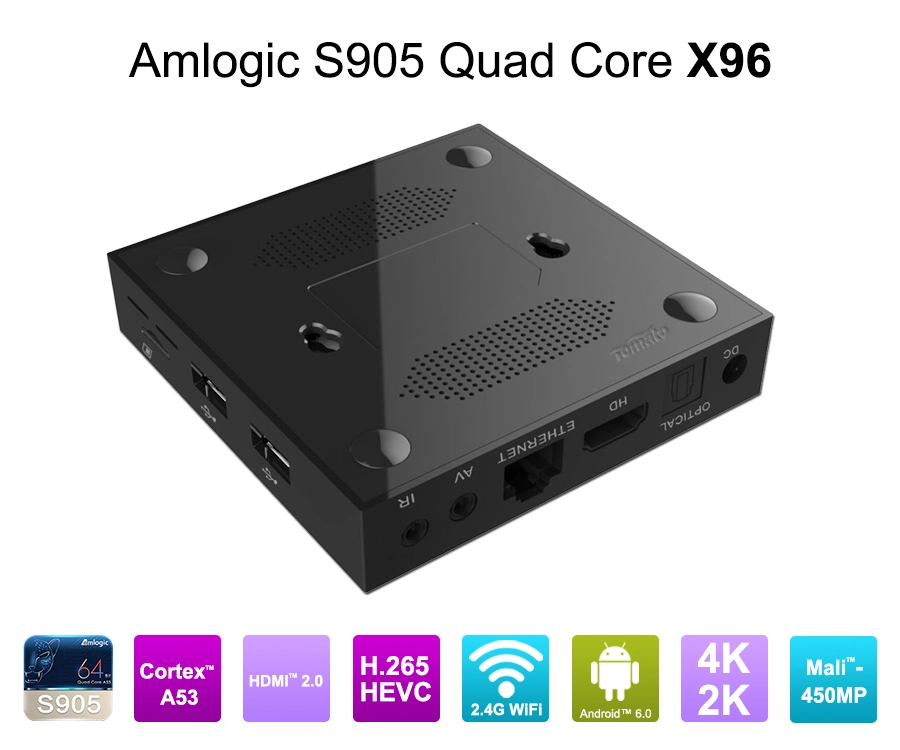
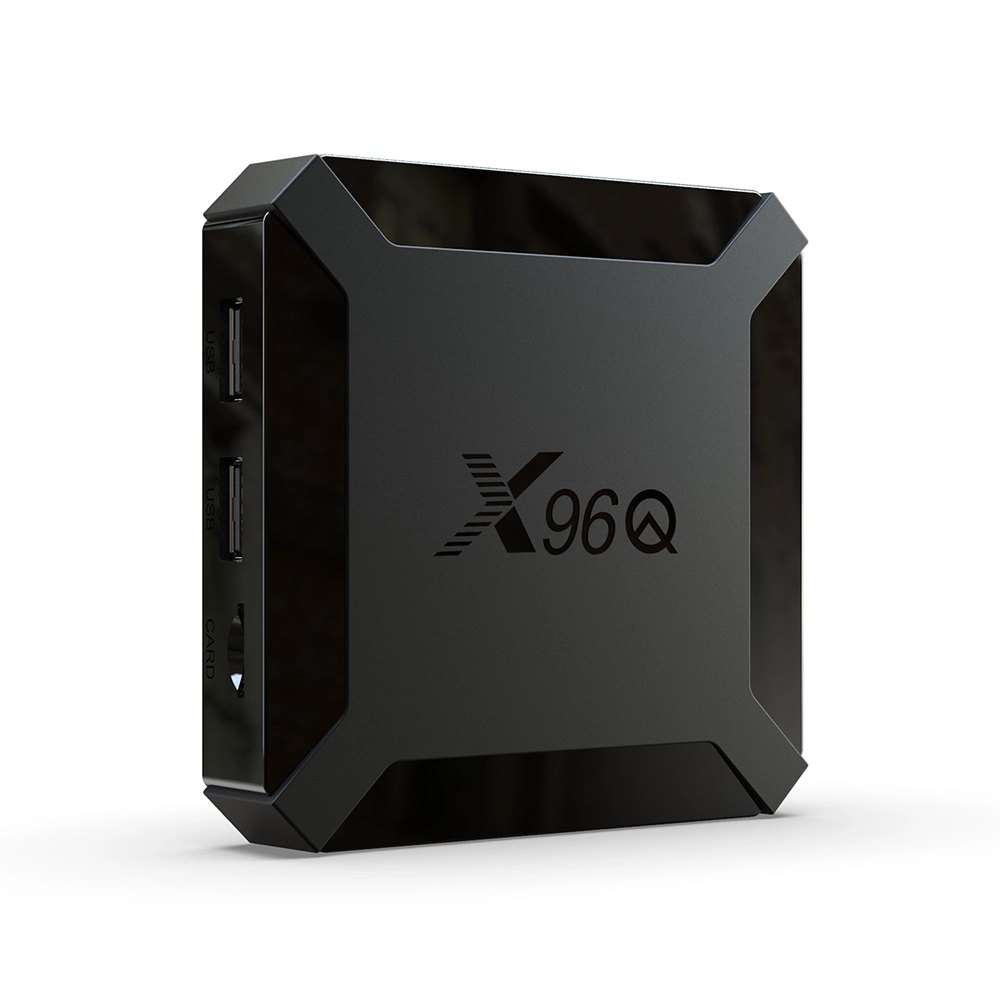
Why would I need a Streaming Media Player?
Decoupling Hardware and Display: Why Your Commercial Network Requires a Dedicated Streaming Media Player
Commercial display networks—spanning retail digital signage, hotel IPTV infrastructure, and corporate communications—regularly hit a critical bottleneck: the premature obsolescence of integrated display software. Operators who deploy standard consumer Smart TVs face fragmentation, limited codec updates, and a lack of root-level access. Within 24 to 36 months, the internal processing hardware often fails to handle upgraded application layers, rendering perfectly functional display panels useless.
Resolving this operational vulnerability requires a decoupled architecture. Integrating a dedicated external streaming media player separates the visual rendering hardware from the processing core. This framework ensures system longevity, strict security compliance, and precise software execution across multi-site enterprise deployments.
1. The Smart TV SoC Bottleneck vs. Dedicated Hardware Processing
Most integrated Smart TV SoCs are engineered with thin financial margins and consumer-grade usage cycles. They typically feature low-tier quad-core processors, limited RAM (often 1GB to 1.5GB), and basic graphic engines that throttle under continuous 24/7 commercial operations.
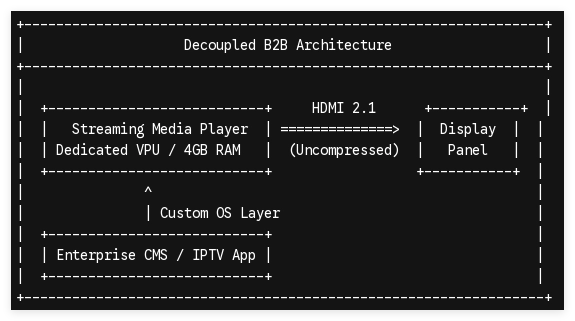
Video Processing Units (VPU)
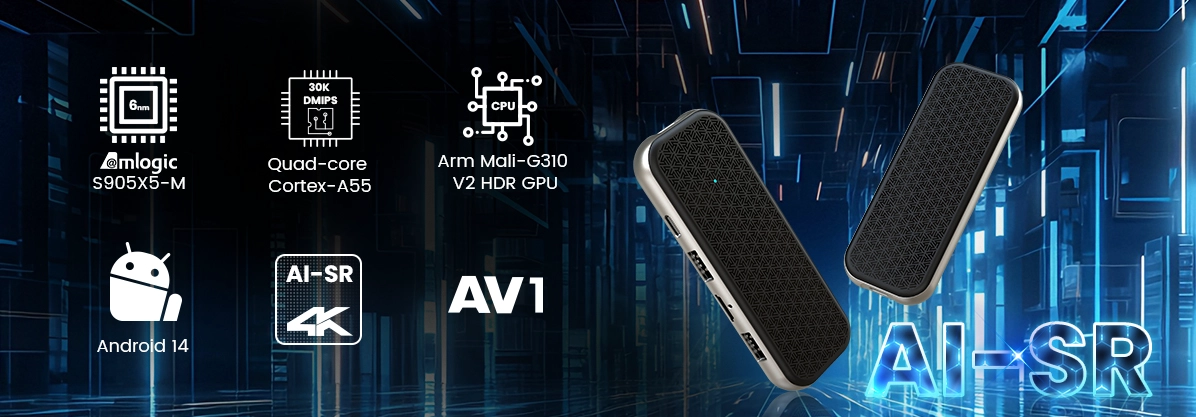
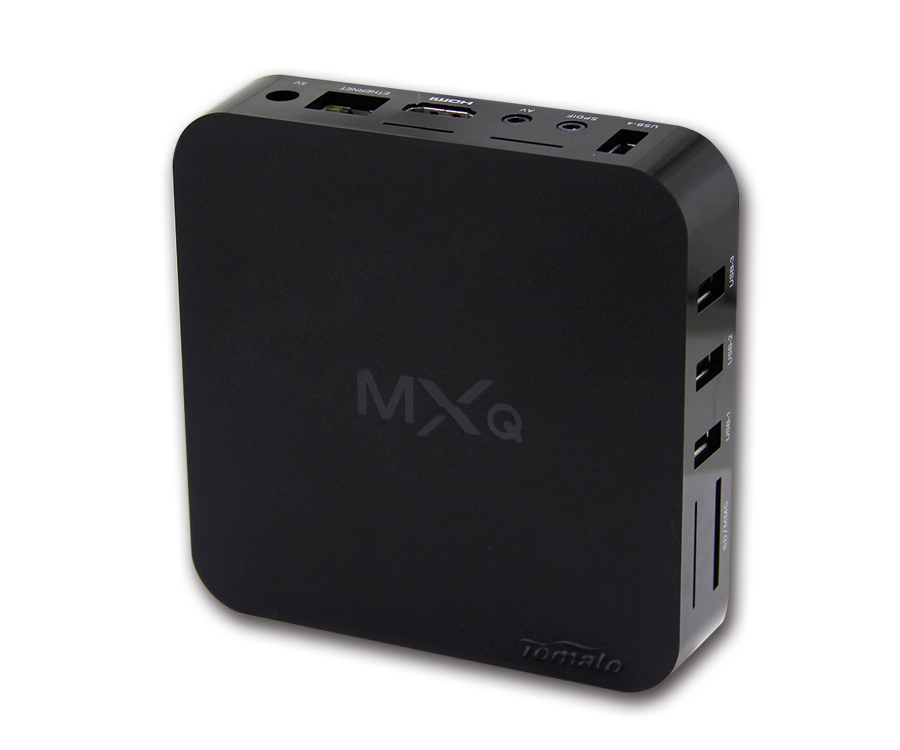
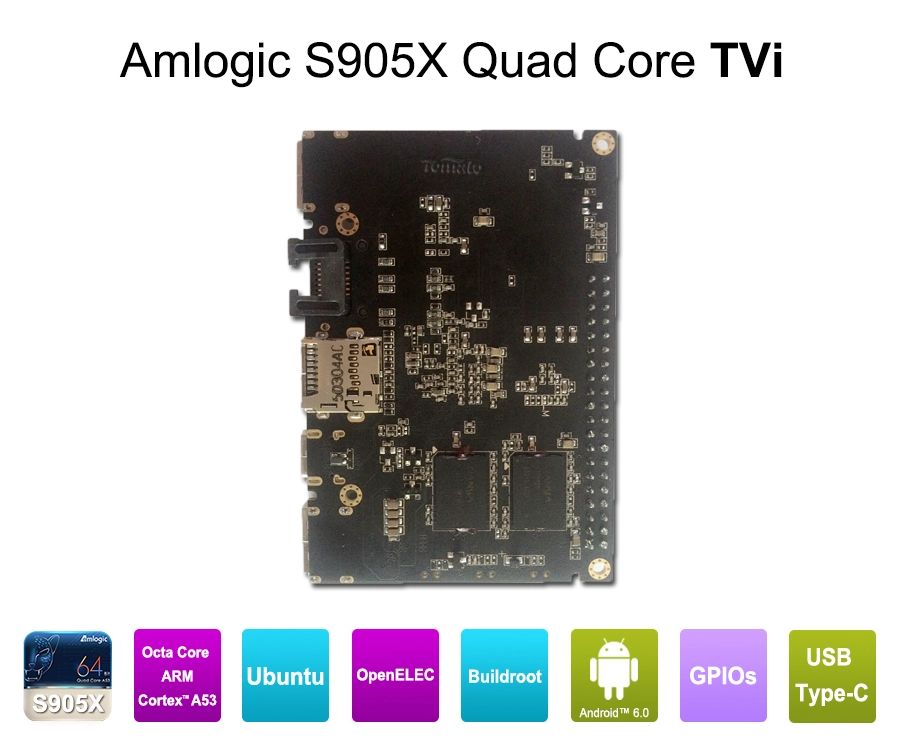
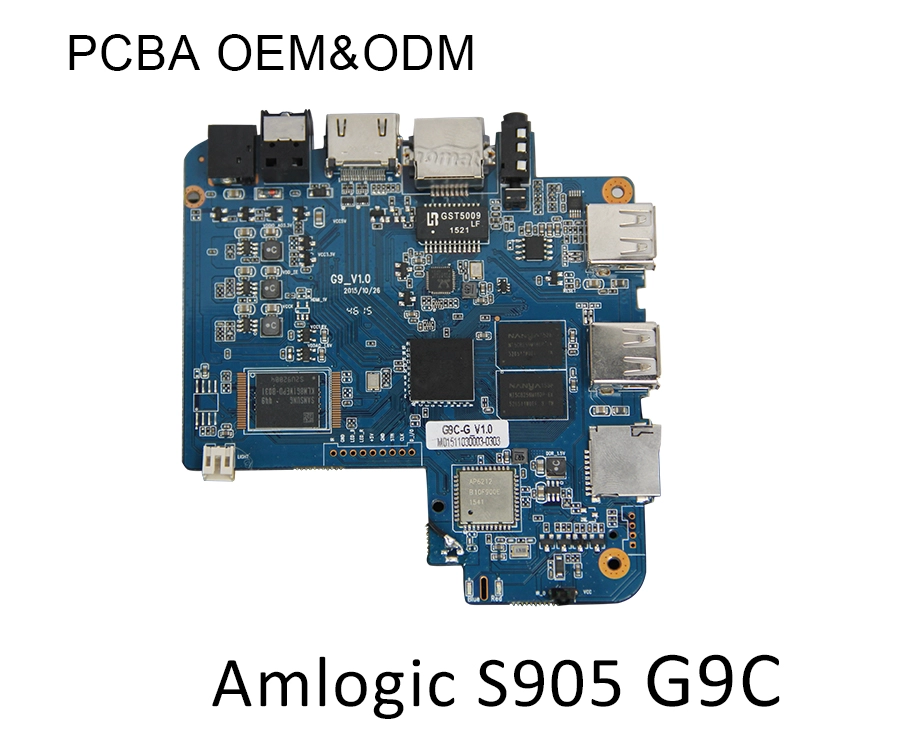
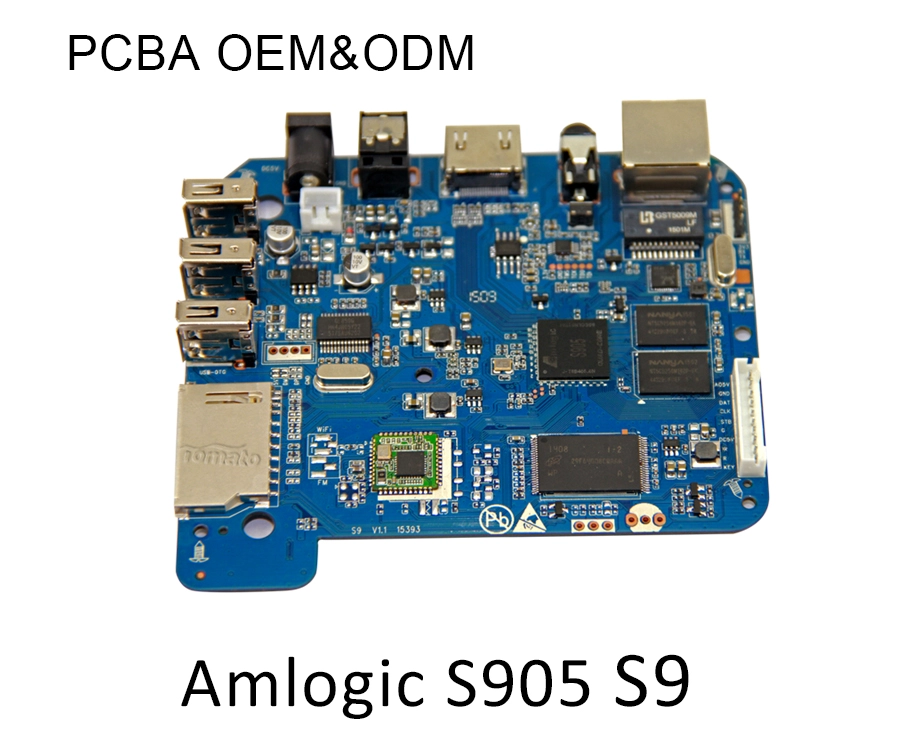
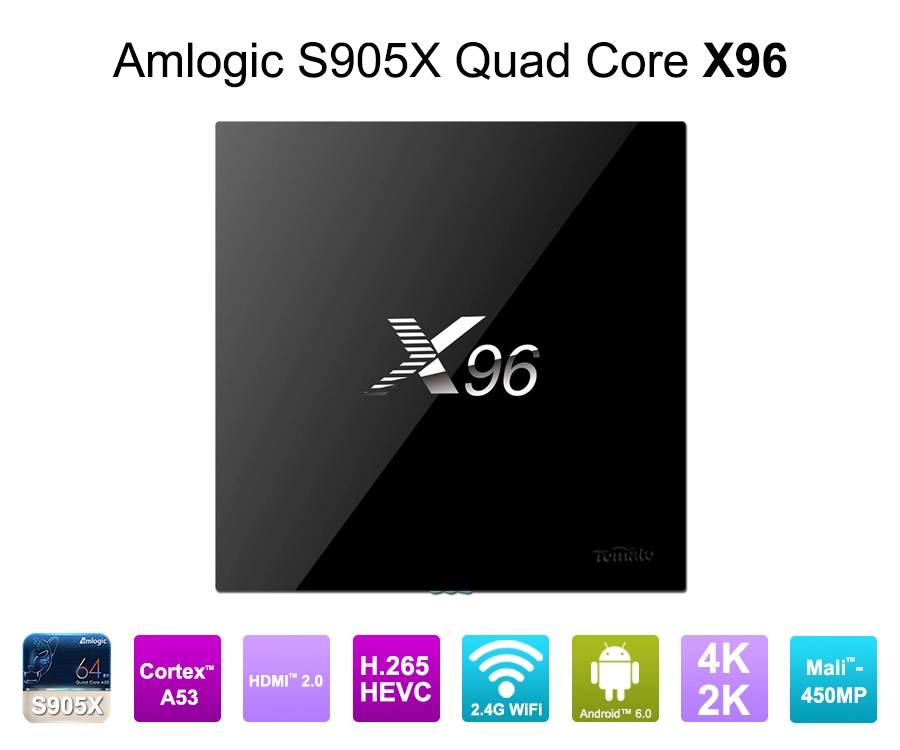
A commercial streaming media player utilizes specialized chipsets (such as Rockchip, Amlogic, or Realtek) equipped with dedicated VPUs. These hardware blocks process intensive video decoding entirely apart from the main CPU. When rendering a 4K stream at 60 frames per second using advanced codecs like AV1 or HEVC (H.265), a dedicated player runs efficiently, whereas an integrated TV SoC frequently drops frames, stutters, and overheats.
Thermal Integrity and MTBF
Integrated displays lack the internal space for substantial passive cooling components. Continuous processing generates high localized heat inside the display panel, accelerating component degradation. External media players utilize heavy aluminum heat sinks and ventilated metallic enclosures to maintain safe internal operating temperatures, significantly extending the Mean Time Between Failures (MTBF) in the field.
2. Technical Performance: Memory Bandwidth, Storage Lifecycle, and Codecs
Enterprise software platforms—whether a complex digital signage content management system (CMS) or an encrypted IPTV application—require robust memory pipelines and high-endurance storage.
| Performance Metric | Integrated Smart TV SoC | Dedicated Commercial Media Player | Operational Impact |
|---|---|---|---|
| System RAM | 1GB - 1.5GB DDR3 | 2GB - 4GB LPDDR4 / LPDDR4X | Handles multi-layered HTML5 widgets and high-bitrate video caching without crashing. |
| Storage Architecture | Low-tier eMMC (Shared) | Enterprise eMMC 5.1 / UFS | Provides high IOPS and write endurance for continuous local media caching. |
| Hardware Codecs | Limited (H.264 / early HEVC) | Native AV1, HEVC, VP9 (4K @ 60fps) | Lowers bandwidth consumption up to 30% by leveraging modern data-efficient compression. |
Memory and Caching
When a signage layout requires a simultaneous 4K video stream, a live scrolling text feed, and an HTML5 weather widget, memory allocation is critical. Consumer displays run out of assignable RAM, causing app termination or freeze-outs. A dedicated player configured with 4GB of LPDDR4X provides the necessary processing headroom.
Codec Optimization
Data delivery costs represent a major ongoing expense for large streaming networks. Upgrading to the AV1 codec saves roughly 30% in data bandwidth compared to H.264 without sacrificing visual fidelity. Built-in TV systems rarely receive firmware upgrades to support new decoding profiles. A dedicated external streaming media player ensures native hardware-level decoding, drastically reducing network operating costs.
3. Total Lifecycle Control and Security Compliance
Deploying built-in software across hundreds of retail or hospitality locations presents major device-management and security hurdles. Consumer Smart TV platforms are locked down by original equipment manufacturers (OEMs), preventing operators from implementing custom configurations or enforcing security updates.
OS Customization and Root Access
Commercial deployments often require a specialized Board Support Package (BSP) tailored to the business application. Dedicated streaming platforms allow engineers to strip consumer applications, lock down system settings, remove external tracking scripts, and configure a rigid Kiosk Mode.
Device Security
Consumer televisions rarely receive security patches past their first 12 to 18 months of production. This leaves outdated Android or webOS variations exposed on corporate networks. Dedicated enterprise media players offer extended software lifecycles, allowing network administrators to deploy updated Android Open Source Project (AOSP) security updates and implement custom certificates for protected network environments.
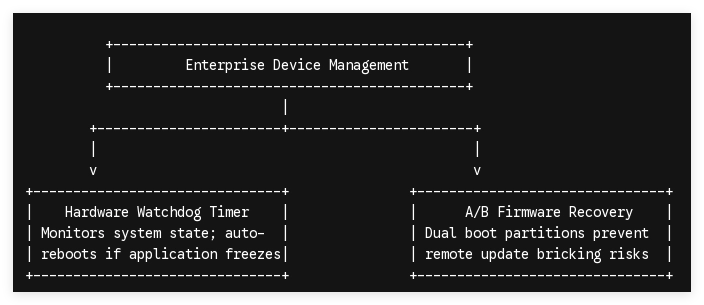
Hardware Watchdog Functionality
Field service visits to manually power-cycle frozen equipment quickly erode operational margins. Commercial external media players incorporate a hardware watchdog circuit directly onto the PCBA. If the software platform locks up or stops communicating with the kernel, the timer triggers a cold reboot automatically, keeping the unit operational without requiring manual intervention.
Technical Consultation: Optimizing Your Media Infrastructure
Choosing an external streaming media player over an integrated display architecture protects your technology investments from premature software obsolescence. By decoupling processing hardware from display panels, your organization controls its software stack, optimizes network bandwidth, and secures long-term device stability.
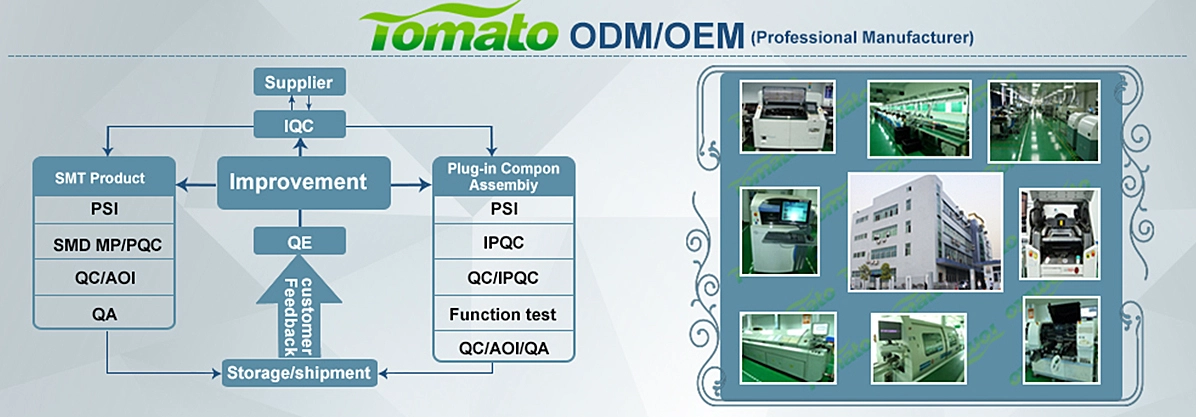
As an experienced OEM/ODM partner in the cross-border electronics trade, Shenzhen Tomato Technology delivers specialized hardware customization, custom PCBA design, and enterprise-grade firmware engineering for global media networks. Contact our technical team today to develop a robust streaming infrastructure tailored to your exact operational requirements.
