
Android TV OS TV Box Compatibility: 4G LTE Integration Guide
The integration of 4G LTE into an Android TV Box introduces a hardware and software challenge that standard Wi-Fi and Ethernet configurations do not encounter. A cellular modem must communicate with the Android operating system, establish a stable mobile data connection, manage SIM authentication, and maintain sufficient bandwidth for continuous multimedia streaming.
For manufacturers, simply installing an LTE module does not guarantee Android compatibility.
The selected SoC must support the required interfaces, the modem must have compatible drivers, and the firmware must correctly manage cellular network functions. PCBA layout, antenna placement, power delivery, and thermal performance also influence the final product.
For IPTV operators, telecom providers, and B2B hardware buyers, a properly engineered 4G LTE TV Box offers a practical solution for remote installations, temporary deployments, transportation systems, hospitality projects, and locations where fixed broadband is unavailable.
1. 4G LTE TV Box Hardware Architecture: Modem, SoC, and PCBA Compatibility
The first step in developing an Android TV Box with 4G LTE is selecting a cellular module that matches the processor platform and intended network deployment.
Different LTE modules use different communication interfaces, driver architectures, and power requirements. These differences must be addressed before finalizing the hardware design.
1.1 Select the Appropriate LTE Modem Interface
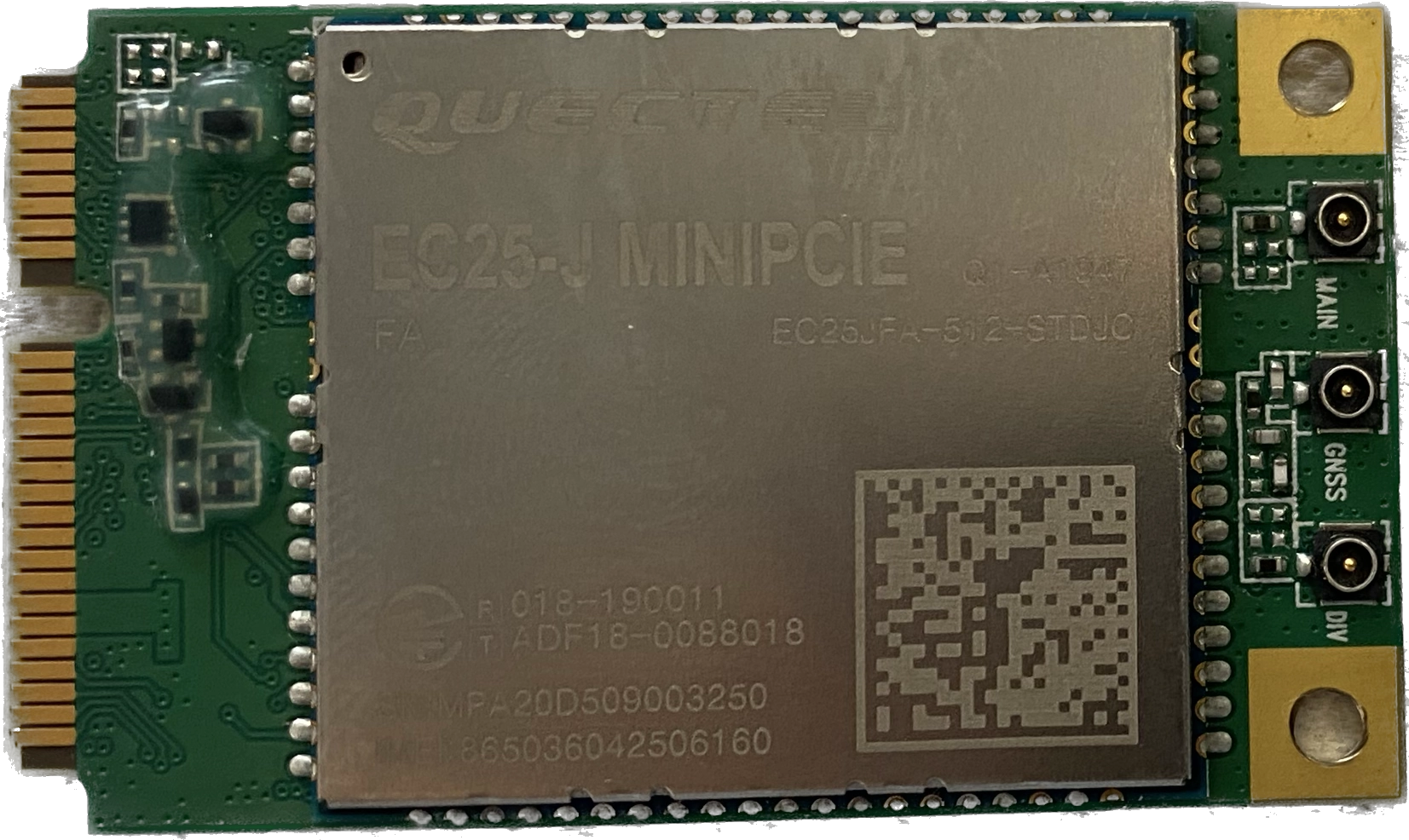
Common LTE module interfaces include USB, Mini PCIe, and M.2.
|
Interface |
Technical characteristics |
Suitable applications |
|---|---|---|
|
USB 2.0/3.0 |
Simple host connectivity and relatively straightforward integration |
Compact TV Box designs |
|
Mini PCIe |
Dedicated expansion interface with established embedded modem solutions |
Industrial TV Box platforms |
|
M.2 |
Compact module format with different keying and interface configurations |
Advanced embedded hardware |
|
Integrated LTE solution |
Cellular functionality integrated into a customized hardware platform |
High-volume specialized products |
USB LTE modules are often suitable for projects requiring straightforward hardware integration. Mini PCIe and M.2 modules provide alternative expansion architectures for embedded applications.
However, physical connector compatibility does not guarantee electrical or software compatibility.
Before selecting a module, engineers should verify:
-
Supported USB or PCIe interface.
-
Required power supply and peak current.
-
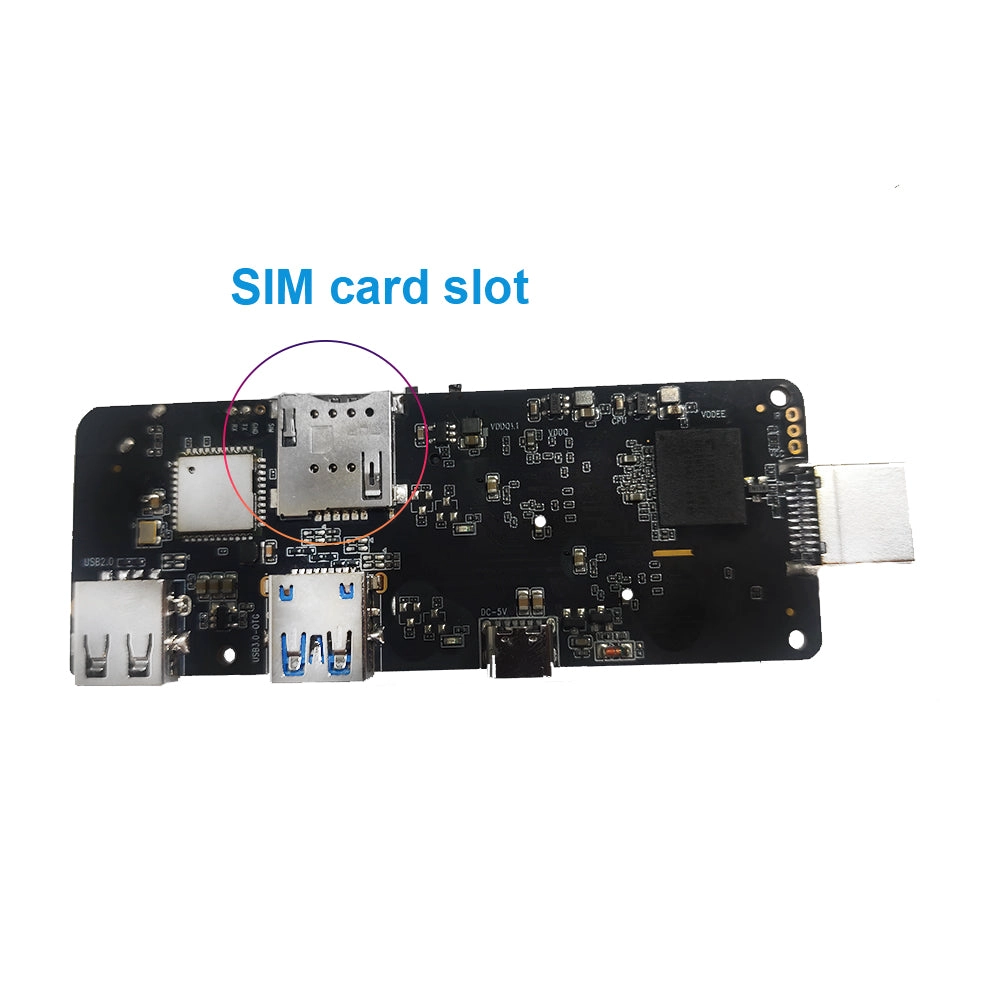
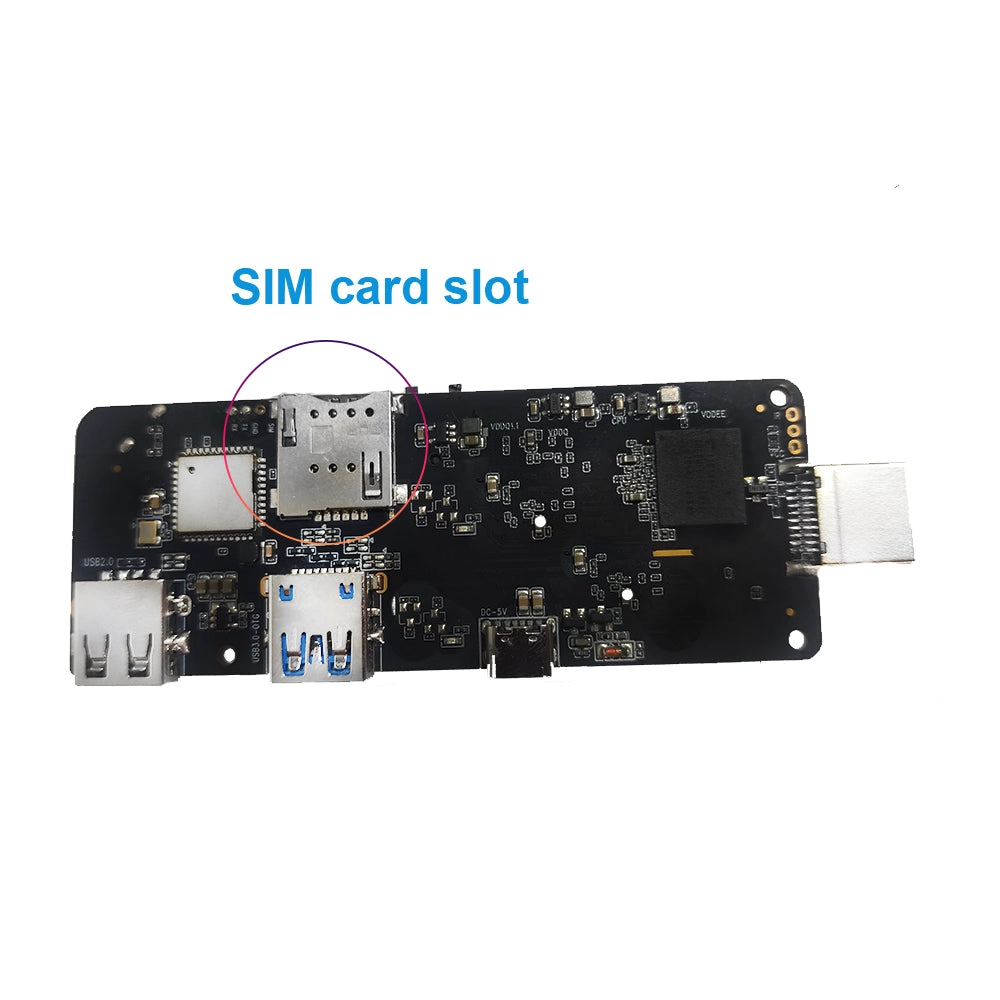
SIM card interface and voltage requirements.
-
Supported LTE frequency bands.
-
Antenna connector specifications.
-
Android or Linux driver availability.
-
Modem control protocol.
-
Regional network certification requirements.
The LTE module must also support the frequency bands used by the target mobile operators. A module supporting LTE in one region may not provide full network compatibility in another.
1.2 Optimize PCBA Layout for Cellular Connectivity
LTE integration changes the electrical and RF requirements of a conventional TV Box.
A poorly designed PCB can introduce interference between the cellular modem, Wi-Fi module, HDMI circuitry, and other high-speed interfaces.
Important PCBA considerations include:
Power management
LTE modems can experience substantial current fluctuations during network registration, transmission, and weak-signal operation.
The power architecture should accommodate peak current requirements without causing voltage drops that lead to modem resets or system instability.
RF layout
The cellular antenna requires appropriate placement, grounding, and RF routing.
Engineers should consider antenna isolation, transmission-line impedance, ground-plane design, and potential interference from other wireless components.
Thermal management
Cellular transmission generates additional heat, particularly during sustained data transfers or operation in weak-signal environments.
The modem, SoC, and power-management components should be evaluated together under realistic operating conditions.
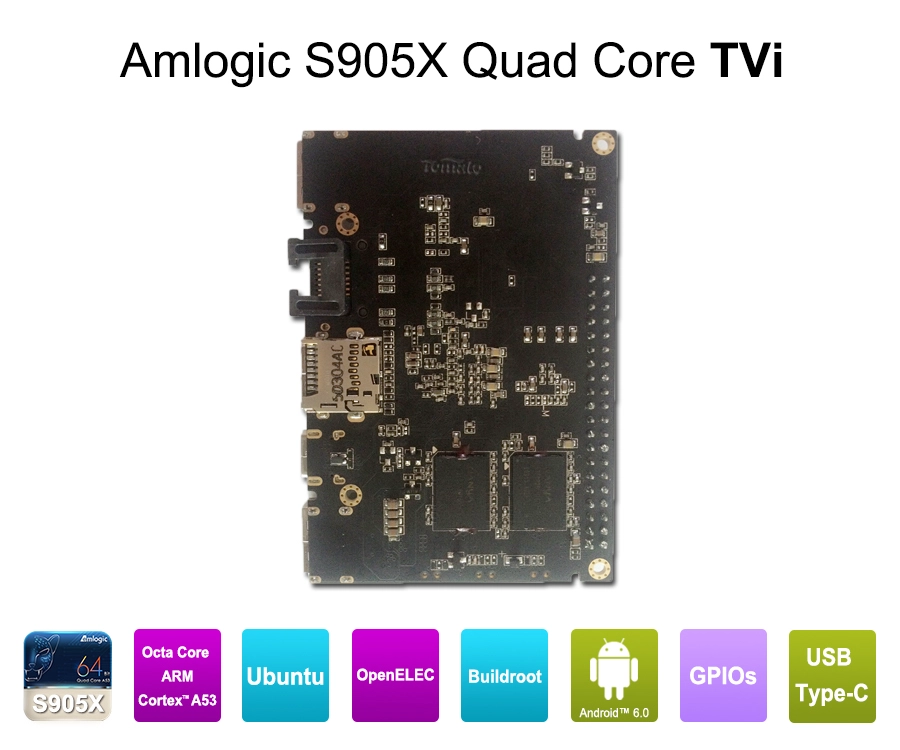
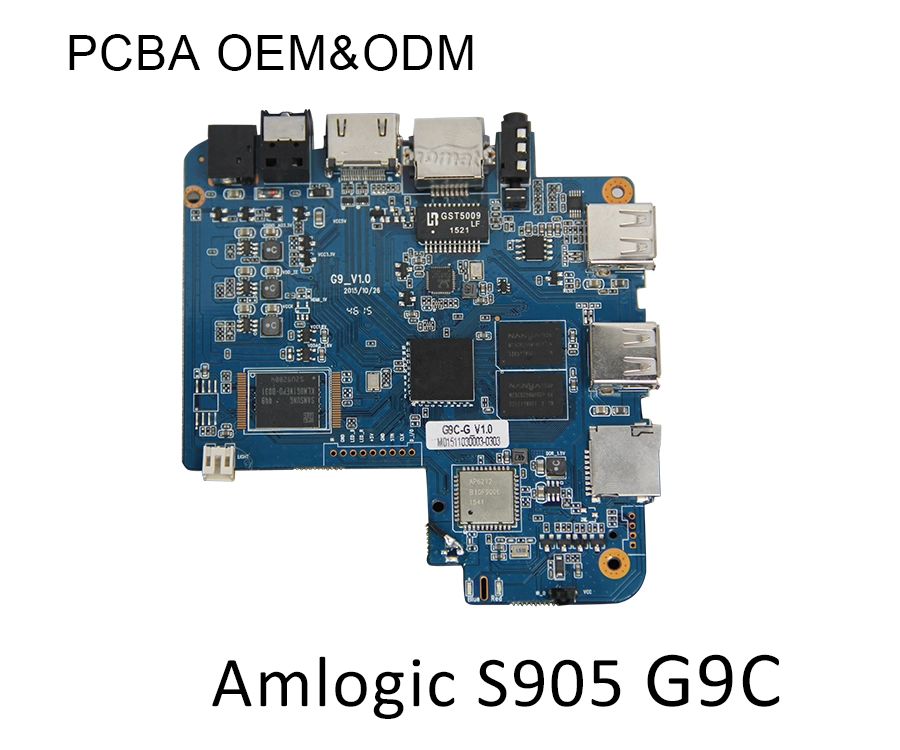
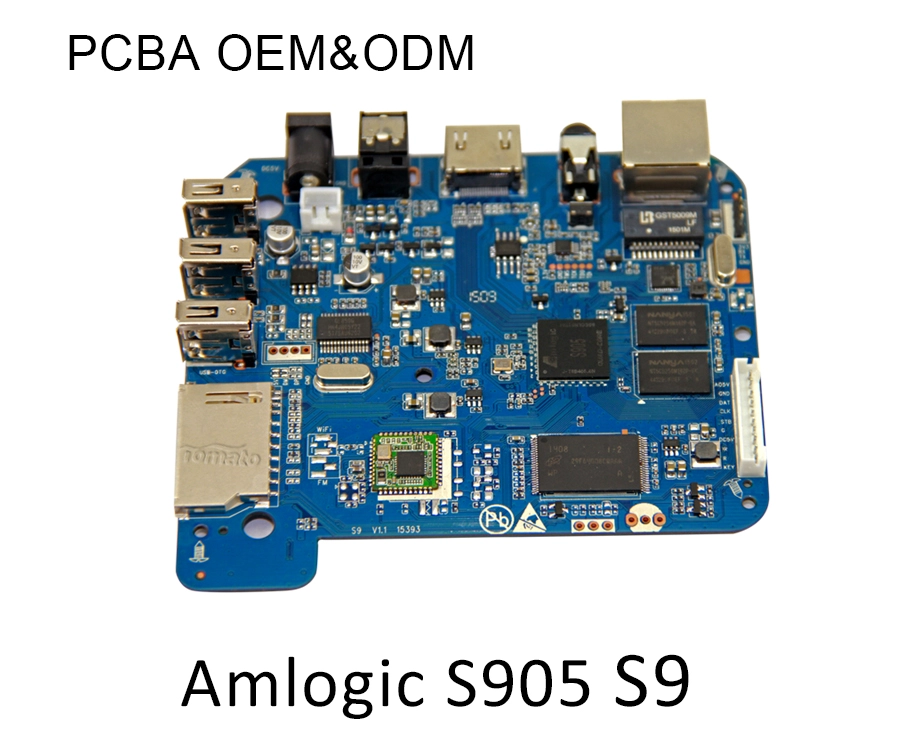
SZTomato supports PCBA hardware modification and specialized cooling solutions for industrial applications, allowing LTE integration to be adapted to different enclosure designs and deployment environments.
1.3 Consider Antenna Design and Network Performance
A TV Box may support multiple wireless technologies, including LTE, Wi-Fi, and Bluetooth.
These radios require coordinated antenna placement.
For LTE projects, engineers should evaluate:
-
Main cellular antenna.
-
Diversity antenna where required.
-
MIMO support according to modem capability.
-
Antenna gain and operating frequency.
-
Coaxial cable routing.
-
RF isolation from Wi-Fi and Bluetooth antennas.
A modem supporting LTE Cat 4 or Cat 6 does not automatically deliver its theoretical maximum throughput in the finished TV Box. Actual performance depends on signal strength, network congestion, antenna efficiency, carrier configuration, and modem implementation.
For streaming applications, sustained throughput and connection stability are more important than peak theoretical download speeds.
2. Android TV OS Compatibility: LTE Drivers, RIL, and Firmware Integration
Hardware integration is only half of the development process.
The Android operating system must recognize the LTE modem and correctly manage its communication functions.
This is often the most challenging part of developing a customized Android TV Box with cellular connectivity.
2.1 Understand the Android Cellular Communication Architecture
Android uses a cellular communication framework to manage mobile network functions.
Depending on the Android version and device architecture, the relevant components may include:
-
Linux kernel modem drivers.
-
USB serial or network drivers.
-
Modem control interfaces.
-
Radio Interface Layer (RIL) or vendor radio HAL.
-
Telephony framework.
-
SIM management services.
-
Connectivity and network routing services.
The communication path can be simplified as follows:
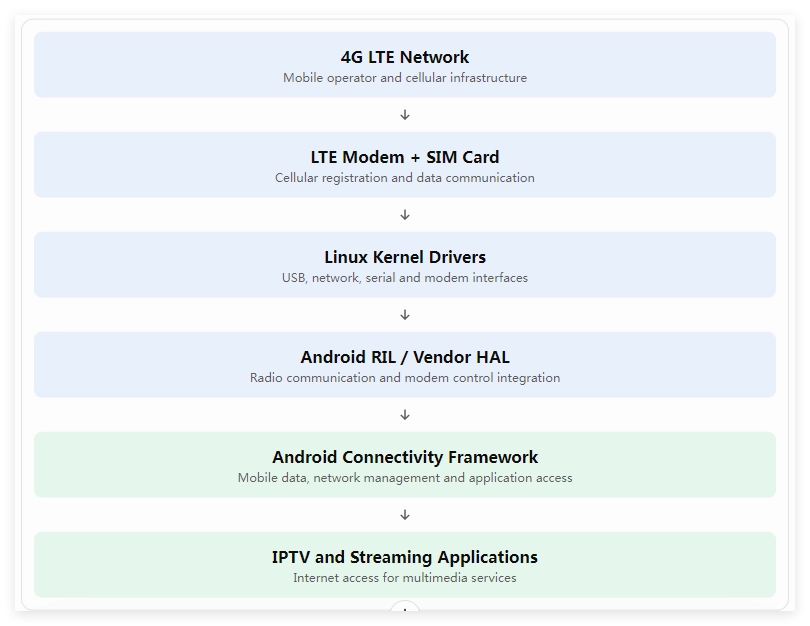
Not every USB LTE modem requires full Android telephony integration.
Some modules expose themselves as USB network devices and use ECM, RNDIS, or MBIM interfaces. In these configurations, Android may establish connectivity through the Linux networking stack without implementing the complete telephony framework.
Other applications require SIM status reporting, SMS functionality, mobile signal information, or direct modem management. These requirements may require deeper RIL or vendor HAL integration.
The correct architecture depends on the functions the customer expects from the finished product.
2.2 Verify Kernel Driver and Android Version Compatibility
An LTE modem may operate correctly on a Linux development computer but fail to initialize on a customized Android TV Box.
The reason is often the difference between the available kernel drivers, Android framework configuration, and modem vendor software.
Before selecting a modem, engineers should confirm:
-
Linux kernel version compatibility.
-
USB VID/PID recognition.
-
Required kernel modules.
-
Modem firmware compatibility.
-
Vendor driver availability.
-
SELinux permissions.
-
Android network service integration.
-
Boot-time device initialization.
Kernel optimization is particularly important when the TV Box uses a customized Android build.
For example, a device running Android 12 may use a different kernel configuration and vendor implementation from another platform running Android 14. A modem driver compiled for one kernel environment cannot automatically be assumed to work on another.
A production-ready solution should validate the complete boot sequence, including modem detection, SIM initialization, network registration, and automatic data reconnection.
2.3 Customize the Android UI for Cellular Management
For a commercial TV Box, users may need to configure cellular connectivity without accessing Android engineering menus.
A customized UI/UX can provide a simplified interface for:
-
SIM card status.
-
Network registration status.
-
LTE signal strength.
-
Mobile data enable/disable.
-
APN configuration.
-
Data connection status.
-
Network troubleshooting.
-
Automatic reconnection settings.
For managed deployments, some of these functions can also be controlled through a remote device management platform.
SZTomato supports custom Android firmware, UI/UX development, and SDK/API integration to adapt the system interface and device behavior to customer requirements.
One important distinction: a TV Box designed primarily for media playback does not necessarily need every smartphone telephony feature. Removing unnecessary framework components can simplify development, reduce software complexity, and improve system maintainability.
3. LTE Network Configuration and Streaming Performance Optimization
A working LTE connection does not guarantee a reliable streaming experience.
The next engineering challenge is maintaining stable network performance while the Android TV Box handles video decoding, application execution, and continuous data transmission.
3.1 Configure APN and Mobile Network Parameters
Access Point Name (APN) configuration determines how the modem connects to the mobile operator's packet data network.
Incorrect APN settings can prevent mobile data access even when the SIM card is recognized and the modem successfully registers on the network.
A customized TV Box should account for:
-
Operator-specific APN values.
-
SIM PIN requirements.
-
Network registration behavior.
-
Automatic and manual network selection.
-
Roaming restrictions.
-
Data connection recovery.
-
Carrier-specific modem firmware.
For international OEM projects, APN configuration should be designed around the intended deployment countries and operators.
Where multiple mobile operators are involved, the manufacturer should verify each target network rather than assuming one configuration will work globally.
3.2 Match LTE Throughput to Video Streaming Requirements
Different streaming formats have different bandwidth requirements.
The following figures are practical planning estimates, not fixed codec specifications.
|
Streaming application |
Approximate bandwidth planning |
|---|---|
|
Standard-definition video |
2–5 Mbps |
|
1080p video |
5–10 Mbps |
|
4K streaming |
15–25 Mbps |
|
High-bitrate 4K content |
25 Mbps or higher |
Actual bandwidth requirements vary with codec, frame rate, resolution, compression efficiency, and content provider.
AV1 and H.265 can reduce bandwidth requirements compared with less efficient encoding configurations at comparable visual quality. However, hardware decoding support must be verified against the selected SoC and firmware.
For an LTE TV Box, engineers should test more than a single speed-test result.
A suitable validation process should include:
-
Sustained data transfer.
-
Long-duration video playback.
-
Network latency and packet loss.
-
Connection recovery after signal interruption.
-
Performance under weak-signal conditions.
-
Simultaneous application and video-decoding workloads.
The purpose is to determine whether the product can maintain stable playback under actual deployment conditions.
3.3 Manage Network Switching and Connection Recovery
Some TV Box projects require both Ethernet/Wi-Fi and 4G LTE connectivity.
A properly configured Android system should determine which network is available and how applications access it.
Potential issues include:
-
LTE remains connected after Ethernet becomes available.
-
Wi-Fi disconnects during cellular initialization.
-
Default network routes are not updated correctly.
-
DNS resolution fails after network switching.
-
Streaming applications do not recover after temporary disconnection.
These problems are often caused by Android connectivity configuration rather than modem hardware.
For applications requiring uninterrupted playback, the development team should establish network priority rules and test automatic reconnection behavior.
The implementation may also require application-level recovery mechanisms because changing the default network does not guarantee that every streaming application will automatically restore its previous session.
3.4 Consider OTA Maintenance and Remote Device Management
For large-scale deployments, firmware maintenance should be planned before mass production.
OTA update systems can support:
-
Modem configuration updates.
-
Android system patches.
-
Application updates.
-
Network configuration adjustments.
-
Device management improvements.
-
Security maintenance.
The OTA architecture should include firmware version verification, update integrity checks, recovery procedures, and deployment controls.
For telecom operators and IPTV service providers, remote maintenance reduces the need for physical access to deployed devices.
4. OEM/ODM Engineering Considerations for 4G LTE TV Box Manufacturing
Integrating LTE into an Android TV Box is not a standard component substitution project. It requires coordination between hardware design, modem software, Android firmware, RF engineering, and production testing.
For B2B buyers, evaluating the manufacturer's engineering capabilities before ordering samples can prevent expensive redesigns.
4.1 Define the LTE Integration Requirements Before Sampling
The following checklist provides a practical starting point for OEM/ODM projects.
|
Engineering category |
Requirements to confirm |
|---|---|
|
SoC |
Amlogic, Rockchip, Allwinner or other platform |
|
Android OS |
Version and vendor firmware environment |
|
LTE module |
Manufacturer, model and category |
|
Interface |
USB, Mini PCIe or M.2 |
|
Cellular bands |
Frequencies supported in target markets |
|
SIM |
SIM format and required functionality |
|
Antenna |
Main, diversity and MIMO requirements |
|
Firmware |
Driver, modem control and connectivity |
|
Applications |
IPTV, OTT and custom applications |
|
Network |
Ethernet, Wi-Fi and LTE priorities |
|
Enclosure |
Antenna placement and thermal design |
|
Certification |
Target-market regulatory and carrier requirements |
This specification allows the engineering team to identify potential compatibility issues before committing to PCB production.
4.2 Understand the Difference Between a Prototype and a Production-Ready Device
An engineering sample may demonstrate that the modem can connect to a cellular network.
However, mass production requires additional validation.

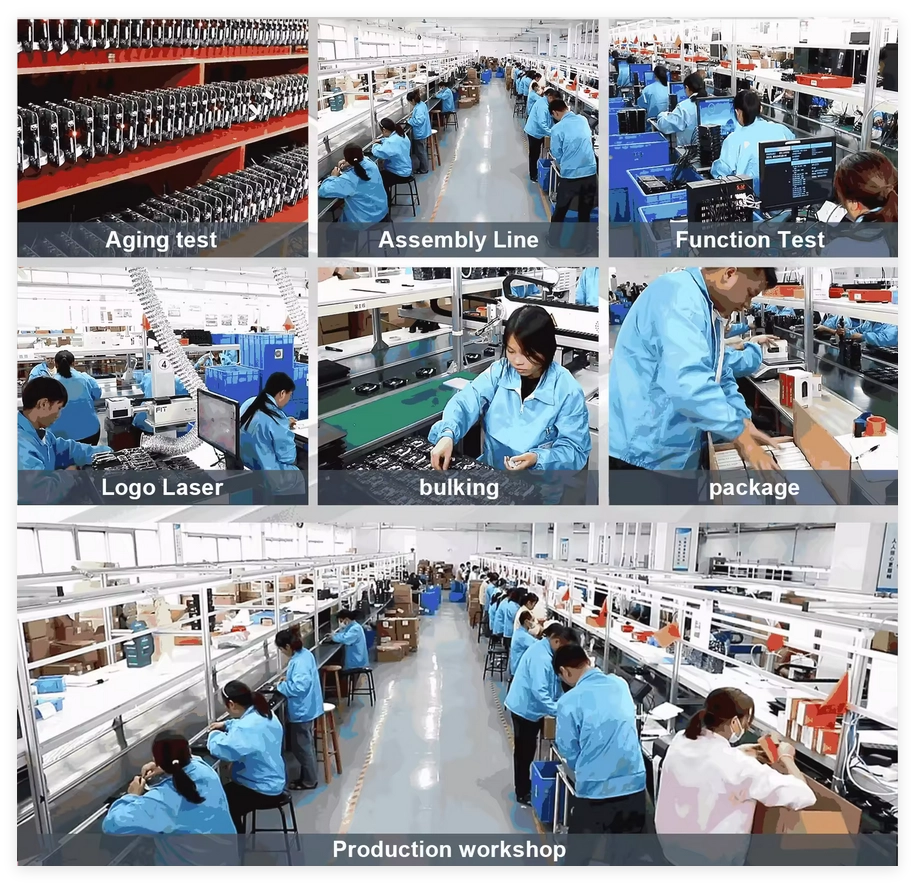
A production validation plan should include:
Hardware verification
-
LTE module detection.
-
SIM recognition.
-
Power stability during cellular transmission.
-
RF performance.
-
Antenna connectivity.
-
Thermal performance.
Software verification
-
Android boot compatibility.
-
Kernel driver stability.
-
Mobile data initialization.
-
APN configuration.
-
Network reconnection.
-
OTA update functionality.
Manufacturing verification
-
PCBA assembly consistency.
-
Modem installation.
-
Antenna assembly.
-
Firmware programming.
-
Functional testing.
-
Final inspection.
For commercial applications, additional long-duration testing should be performed under representative network and temperature conditions.
4.3 Why PCBA and Firmware Customization Matter
Many standard TV Box platforms are designed around Wi-Fi and Ethernet connectivity.
Adding LTE functionality may require changes to the original hardware and firmware architecture.
SZTomato provides OEM/ODM engineering support covering:
-
PCBA hardware modification: Adapt board layouts, power circuits, interfaces, and LTE module integration.
-
Android/Linux firmware customization: Integrate modem drivers, optimize kernel configurations, and adapt system services.
-
SDK/API integration: Connect cellular management functions with customer applications and remote management platforms.
-
Custom UI/UX firmware: Develop application interfaces for SIM status, network configuration, and device operation.
-
Industrial thermal solutions: Optimize heat dissipation for sustained cellular communication and continuous multimedia workloads.
These capabilities are particularly relevant to telecom operators, IPTV providers, hospitality technology companies, and system integrators developing specialized connected multimedia hardware.
Conclusion: Build a Compatible 4G LTE TV Box with the Right OEM/ODM Engineering Partner
A reliable 4G LTE Android TV Box requires compatibility across four essential layers: cellular hardware, Linux kernel drivers, Android connectivity services, and streaming applications.
Selecting an LTE modem based only on its interface or advertised data rate is insufficient. The complete design must account for regional frequency bands, antenna performance, power consumption, modem drivers, Android framework integration, and long-term firmware maintenance.
For B2B buyers, the most effective development strategy is to define cellular requirements before sampling, validate hardware and firmware together, and establish production testing around real deployment conditions.
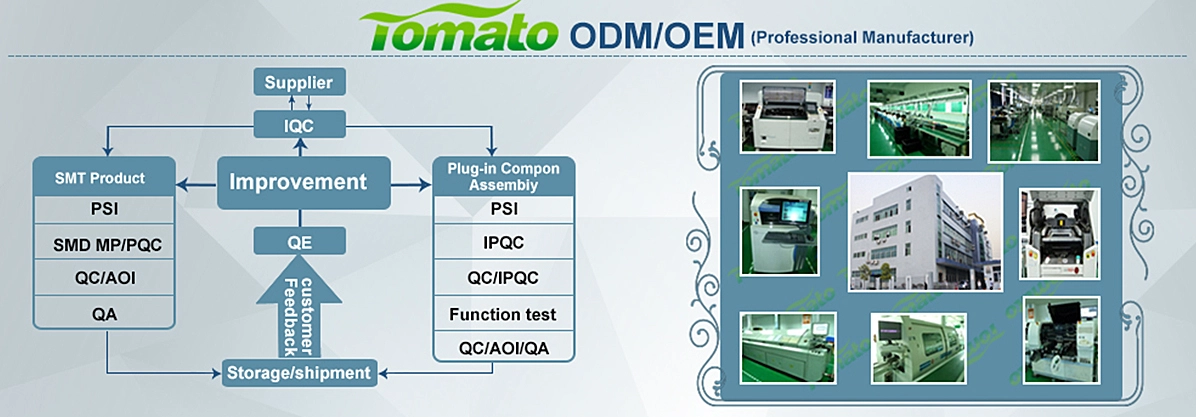
SZTomato, established in 2011, provides Android TV Box and Smart Multimedia Hardware OEM/ODM services, combining PCBA modification, firmware engineering, SDK/API integration, customized UI/UX, and industrial thermal design.
Developing a customized 4G LTE TV Box for your market?
Contact SZTomato at www.sztomato.com to discuss LTE modem selection, Android OS compatibility, PCBA design, firmware integration, and mass production requirements.
Our engineering team can help evaluate your technical specifications and develop a TV Box platform tailored to your network environment, application requirements, and commercial deployment plans.
