
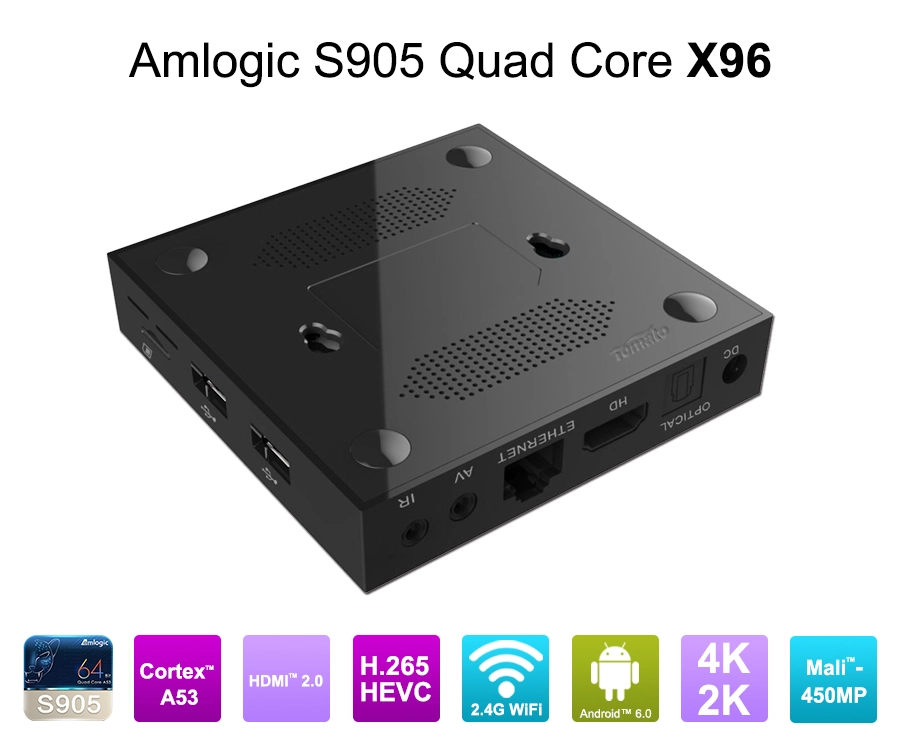
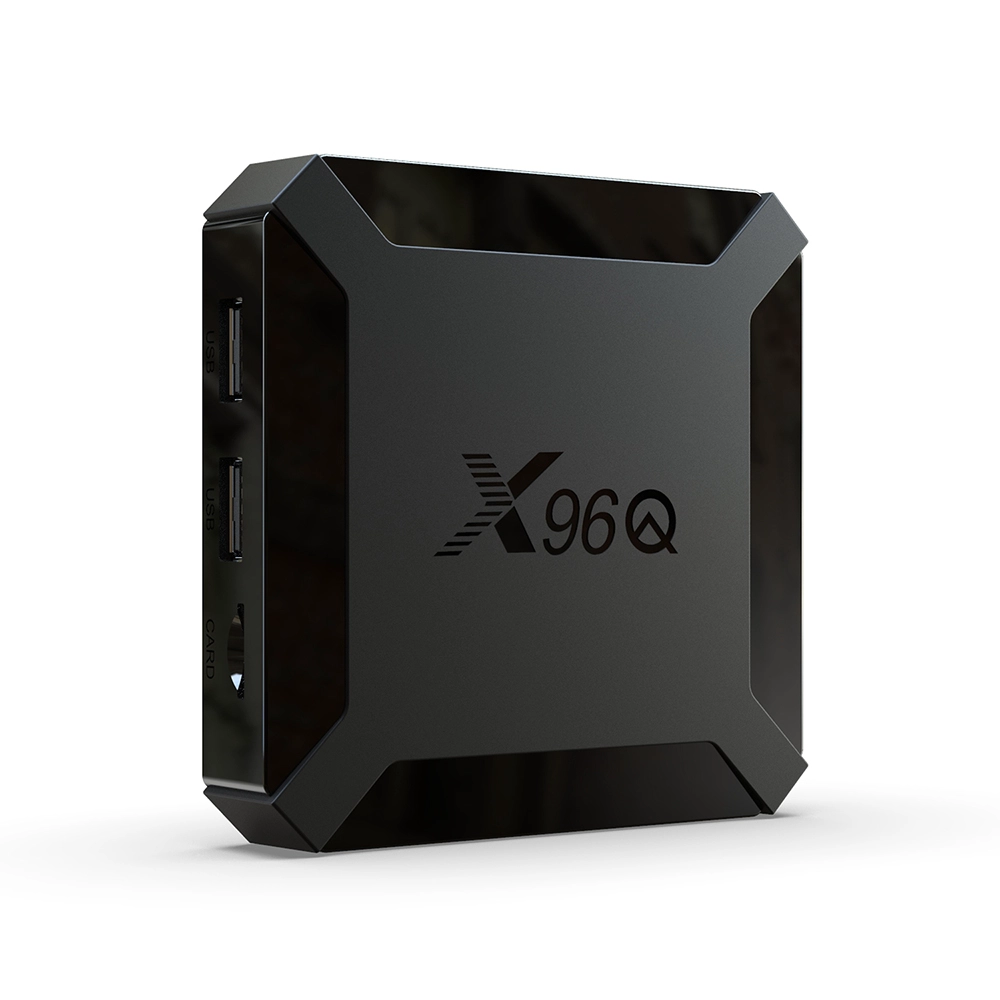
TV Box for Smart Home Automation and Edge Computing: Architecture, Integration, and OEM/ODM Solutions
A conventional TV Box is designed primarily for video decoding, network connectivity, and application execution. However, the increasing deployment of Matter-compatible devices, Wi-Fi 6 networks, intelligent sensors, and local AI applications is changing the hardware requirements of connected home systems.
The challenge is no longer simply delivering 4K or 8K video to a television. Device manufacturers and smart home solution providers need compact hardware capable of handling multiple workloads: multimedia playback, IoT communication, local data processing, device coordination, and secure cloud connectivity.
This creates a new development opportunity for the TV Box.
With the appropriate ARM-based SoC, memory configuration, communication interfaces, and firmware architecture, a TV Box can function as a smart home control terminal and an entry-level edge computing platform. For B2B manufacturers, this requires a different engineering approach from standard streaming hardware.
The key is to design the product around the actual application rather than simply repurpose an existing retail TV Box.
1. How a TV Box Becomes a Smart Home Automation Hub
A smart home automation hub connects different devices, collects information, executes control logic, and provides users with a centralized interface.
A customized Android TV Box can perform several of these functions within one compact hardware platform.
1.1 Hardware Architecture for Smart Home Connectivity
The SoC determines the processing capability, peripheral support, multimedia performance, and overall system architecture.
For smart home applications, selecting a processor based solely on CPU frequency is insufficient. Engineers must evaluate connectivity, memory bandwidth, hardware interfaces, power consumption, and long-term software support.
Important hardware considerations include:
-
ARM CPU architecture: Quad-core or octa-core processors can support Android applications, background services, device management, and multimedia workloads.
-
RAM capacity: 2GB–4GB may support relatively lightweight smart home interfaces, while 4GB–8GB can provide additional headroom for multitasking and more demanding applications.
-
Flash storage: 16GB–64GB eMMC configurations provide space for firmware, applications, local databases, and system logs.
-
Wireless connectivity: Dual-band Wi-Fi and Bluetooth support network access and communication with compatible peripherals.
-
Ethernet: A wired network connection can improve communication stability in fixed installations.
-
USB interfaces: USB ports can support external communication modules, storage devices, and selected industrial peripherals.
-
HDMI output: Provides a visual interface for smart home dashboards, control panels, and multimedia applications.
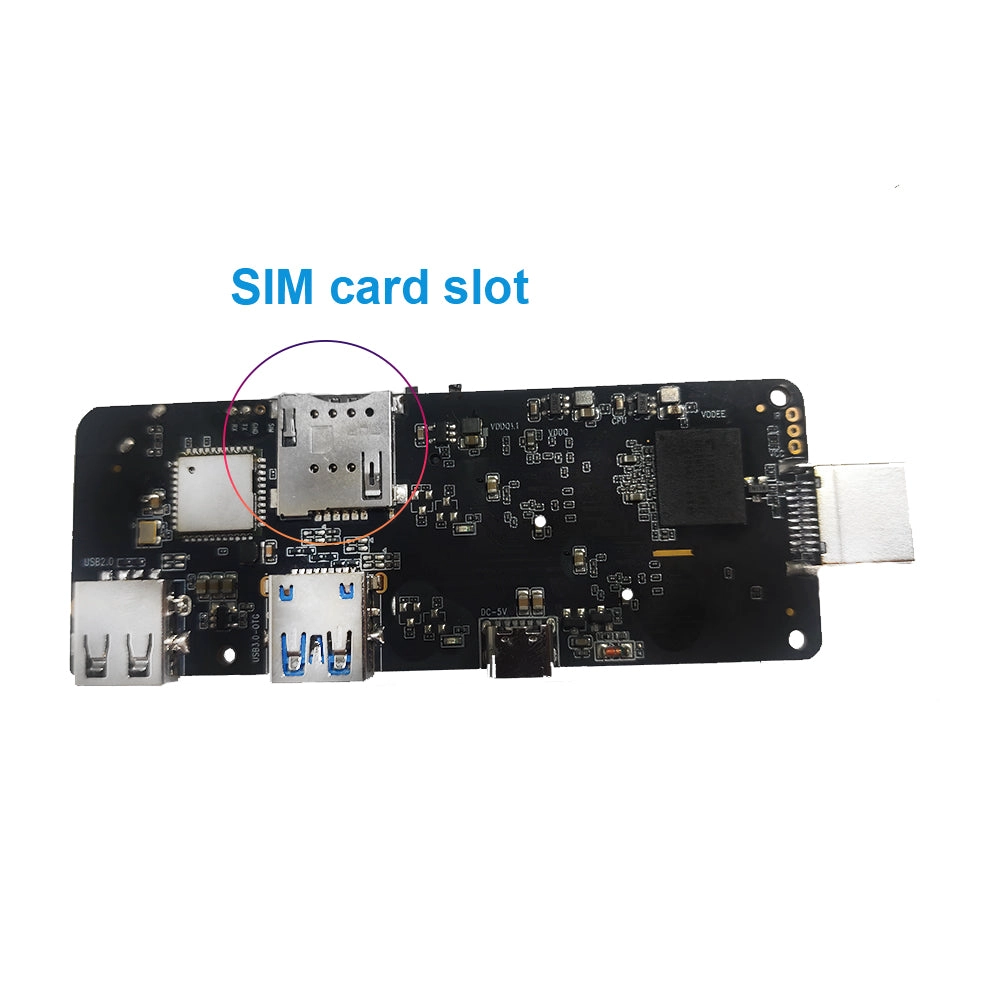
Additional connectivity may be required for Zigbee, Thread, RS485, or other protocols. These functions should not be assumed to exist in every Android TV Box. They may require external USB modules, dedicated communication chips, or customized PCBA designs.
1.2 Matter, Thread, Zigbee, and Bluetooth Integration
Smart home environments often contain devices from different manufacturers using different communication protocols.
Matter provides an application-layer standard designed to improve interoperability across supported smart home ecosystems. Thread provides an IP-based low-power mesh networking foundation, while Zigbee remains widely deployed in existing smart home installations.
A TV Box can participate in these environments through an appropriate communication architecture.
For example:
-
Matter applications can provide device commissioning and control.
-
Thread Border Router functionality requires compatible Thread radio hardware and supported software.
-
Zigbee devices can connect through a dedicated Zigbee coordinator or external module.
-
Bluetooth can support device provisioning and nearby peripheral communication.
-
Wi-Fi and Ethernet can connect the system to local networks and cloud platforms.
The important engineering distinction is between protocol support at the software level and actual hardware capability.
Installing an Android application does not automatically make a TV Box a Thread Border Router or Zigbee gateway. The required radio hardware, firmware stack, operating-system integration, and certification requirements must be considered during product development.
1.3 Custom UI/UX for Centralized Home Control
The user interface is another important component.
A standard Android TV launcher is optimized for entertainment applications. Smart home automation requires a different interaction model.
A customized interface can display:
-
Connected device status.
-
Lighting and temperature controls.
-
Security camera previews.
-
Energy consumption information.
-
Smart appliance management.
-
Automation schedules and scene controls.
-
Network and gateway status.
SZTomato supports custom UI/UX firmware development to help brands integrate their own application interfaces, boot animations, system navigation, and device-management functions.
For telecom operators and smart home solution providers, this creates an opportunity to deliver a branded control terminal rather than a generic streaming product.
2. Edge Computing: Moving Smart Home Processing Closer to Devices
Cloud computing remains important for remote access, centralized management, and large-scale data analysis. However, sending every device event to a remote server introduces network dependency, latency, and additional bandwidth consumption.
Edge computing addresses these limitations by processing selected workloads locally.
A TV Box with sufficient processing resources can act as an entry-level edge node for residential and small commercial environments.
2.1 Local Processing and Reduced Cloud Dependency
Consider a smart home with several IP cameras, environmental sensors, lighting controllers, and connected appliances.
Without local processing, many device events must travel through cloud services before triggering an action.
With local edge processing, selected automation rules can execute within the local network.
Examples include:
-
Activating lighting when a motion sensor detects movement.
-
Triggering an alarm when a configured security event occurs.
-
Monitoring temperature and controlling connected HVAC equipment.
-
Collecting energy consumption data from connected meters.
-
Managing local automation schedules during internet interruptions.
A TV Box can host lightweight applications, local databases, device-management services, and selected automation engines.
However, application compatibility, memory consumption, storage endurance, and background-service reliability must be validated before deployment.
2.2 AI Acceleration and Intelligent Edge Applications
Some advanced TV Box platforms integrate dedicated NPUs or GPU acceleration.
These processors can support selected AI workloads, depending on the available compute capacity and software framework.
Potential applications include:
| Application | Edge Computing Function |
|---|---|
| Smart surveillance | Local video analysis and event detection |
| Voice interaction | Local wake-word detection and selected speech processing |
| Occupancy monitoring | Sensor data analysis and activity detection |
| Energy management | Local consumption analysis and automation |
| Intelligent dashboards | Combining device information and AI-generated insights |
For example, a Rockchip RK3588-based platform integrates an octa-core CPU, Mali-G610 GPU, and an NPU rated at up to 6 TOPS under supported precision modes.
This processing architecture provides more flexibility for AIoT and multimedia applications than a basic streaming-oriented processor.
Nevertheless, TOPS alone does not determine real application performance. Model compatibility, memory bandwidth, inference framework support, thermal limits, and software optimization all influence actual throughput.
For brands developing AI-enabled smart home terminals, the SoC should be selected according to the target inference workload rather than marketing specifications.
2.3 Hybrid Cloud and Edge Architecture
A practical smart home architecture does not need to eliminate cloud computing.
Instead, local and cloud resources should handle different workloads.
Local TV Box responsibilities:
-
Device communication.
-
Real-time automation.
-
Local event processing.
-
Multimedia rendering.
-
Temporary data storage.
-
Local control interface.
Cloud platform responsibilities:
-
Remote device access.
-
User account management.
-
Cross-location synchronization.
-
Historical data analytics.
-
Centralized device administration.
-
OTA update distribution.
This hybrid architecture reduces unnecessary network traffic while retaining centralized management capabilities.
For service providers operating thousands of connected devices, the distinction is important. Local processing improves responsiveness, while cloud infrastructure simplifies fleet-wide management.
3. Engineering Challenges in Developing an Edge Computing TV Box
Turning a standard streaming device into a reliable smart home and edge computing platform requires modifications across hardware, firmware, and software integration.
The most common development problems are not related to basic video playback. They involve sustained workloads, peripheral compatibility, system stability, and long-term maintenance.
3.1 PCBA Layout and Hardware Customization
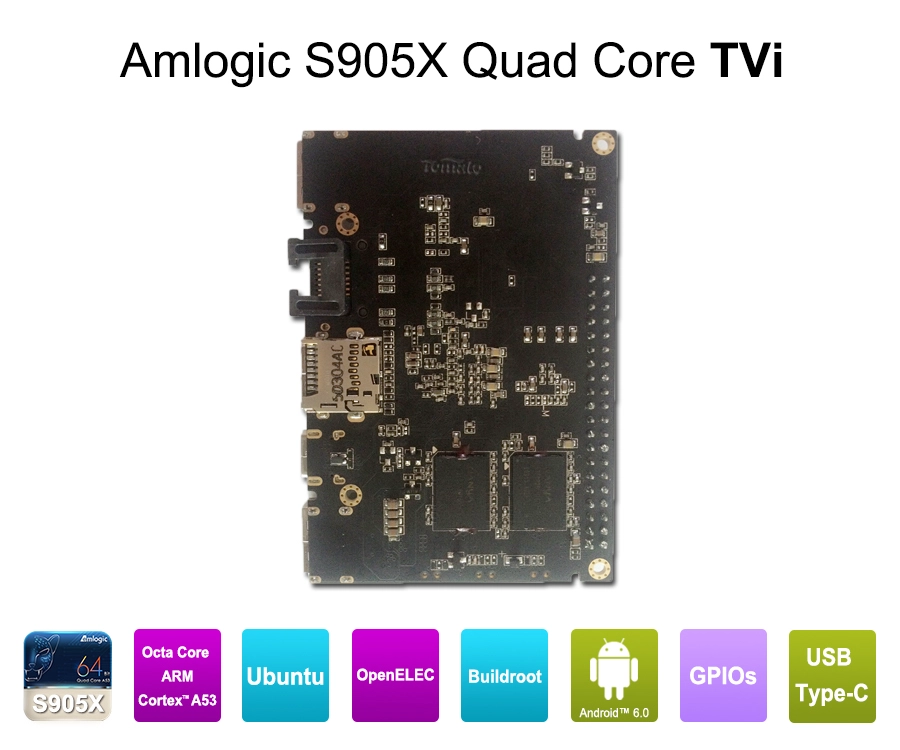
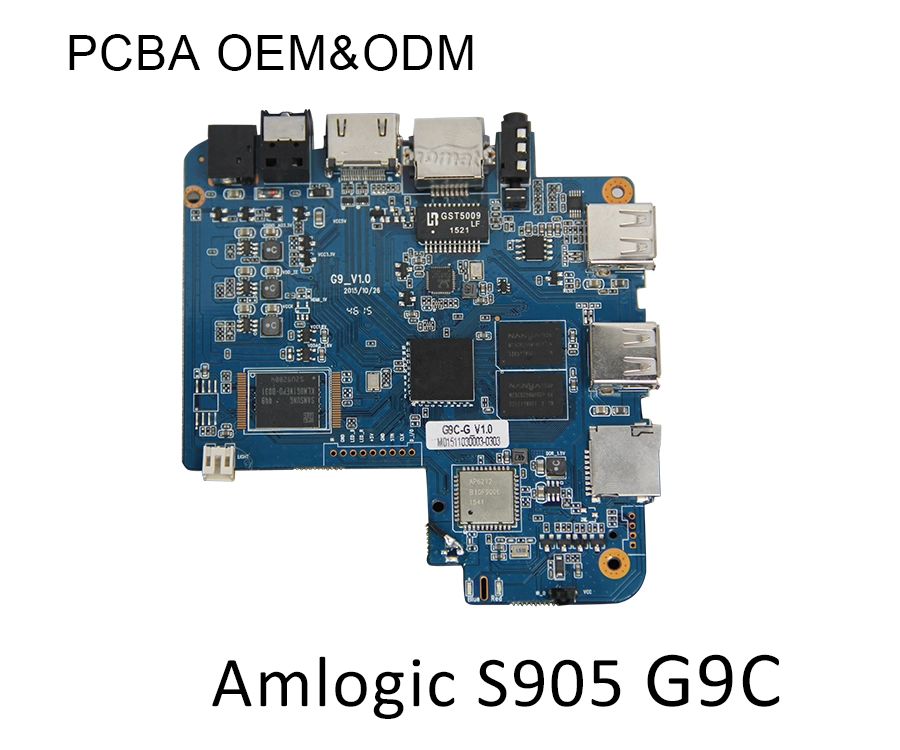
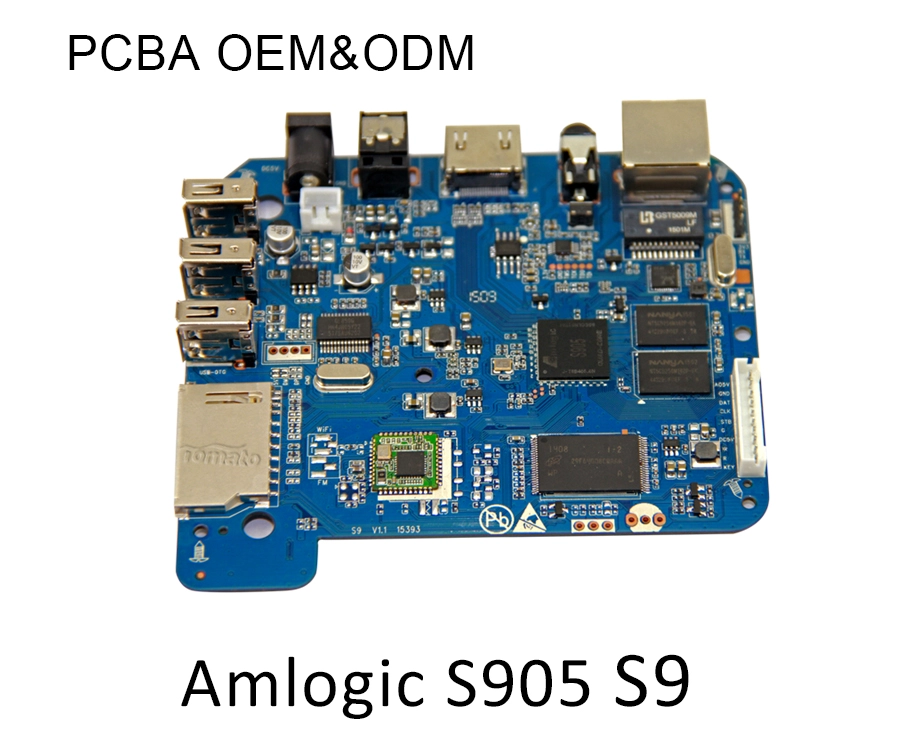
A reference PCBA design may be sufficient for a standard TV Box, but commercial smart home applications can require additional components and interfaces.
Depending on the application, customization may involve:
-
Adding USB or UART expansion interfaces.
-
Integrating Ethernet controllers or upgraded network components.
-
Supporting external Zigbee or Thread communication modules.
-
Modifying power circuits for additional peripherals.
-
Adjusting memory and eMMC configurations.
-
Optimizing PCB routing for signal integrity.
-
Improving EMI performance and power distribution.
HDMI signal integrity also matters when the device simultaneously operates as a control terminal and multimedia player.
For products supporting protected streaming content, HDCP compatibility and the associated display output chain must be validated.
SZTomato provides PCBA-level customization to align hardware configurations with specific application requirements.
This is particularly relevant for telecom operators, smart home brands, and system integrators that need interfaces or electrical configurations beyond standard reference designs.
3.2 Android and Linux Firmware Optimization
Hardware capability is only one part of the development process.
The operating system must support the required peripherals, application framework, device communication stack, and background processing functions.
For Android-based products, engineering work may include:
-
Android framework customization.
-
Linux kernel driver integration.
-
Hardware abstraction layer configuration.
-
USB and serial peripheral support.
-
System permission management.
-
Background service optimization.
-
Application compatibility testing.
-
Boot-time and memory optimization.
Linux-based TV Box platforms can provide greater flexibility for embedded gateways, lightweight automation services, and customized industrial applications.
Android is often preferable when the product requires a touchscreen or television-based interface, branded applications, multimedia services, and an established application ecosystem.
The correct operating system depends on the intended product architecture.
A dual-OS development strategy may also be appropriate when one hardware platform needs to support different deployment scenarios, provided the SoC BSP, bootloader, drivers, and peripheral compatibility support that configuration.
3.3 Thermal Management for Continuous Operation
A streaming device typically operates under intermittent workloads. An edge computing gateway may run background services continuously.
This difference changes the thermal design requirements.
Sustained CPU utilization, AI inference, video decoding, wireless communication, and external peripherals can increase internal temperatures.
Poor thermal management can lead to:
-
CPU frequency throttling.
-
Reduced AI inference performance.
-
System instability.
-
Premature component degradation.
-
Unexpected shutdowns under high-temperature conditions.
Thermal engineering should consider the enclosure, PCB layout, SoC power consumption, heat dissipation paths, and installation environment.
Possible solutions include:
-
Optimized aluminum heat sinks.
-
Thermal pads with appropriate conductivity.
-
Improved internal airflow.
-
Modified enclosure structures.
-
Low-noise active cooling where required.
-
Power management and workload scheduling.
SZTomato supports specialized cooling solutions for industrial and continuous-operation applications.
The objective is not simply to reduce peak temperature. It is to maintain stable performance under the actual operating conditions of the target installation.
3.4 OTA Updates and Long-Term Device Management
Smart home products are deployed across different buildings, networks, and geographic regions. Manual firmware maintenance becomes expensive as deployment volumes increase.
A reliable OTA update system should support:
-
Secure firmware package delivery.
-
Version control.
-
Update integrity verification.
-
Staged deployment.
-
Recovery mechanisms.
-
Update failure reporting.
-
Device identification and compatibility checks.
For commercial deployments, firmware updates should also account for hardware revisions and regional configurations.
SZTomato supports customized firmware and OTA-related development to help brands establish maintainable product platforms.
For system integrators, this reduces the operational burden of maintaining distributed smart home and edge computing installations.
4. TV Box Market Trends and OEM/ODM Development Opportunities
The TV Box market is gradually expanding beyond conventional entertainment hardware.
The convergence of multimedia, IoT connectivity, and edge processing creates opportunities for manufacturers that can deliver application-specific hardware and firmware.
4.1 From Streaming Devices to Smart Home Control Terminals
Smart home platforms increasingly require a common interface for entertainment and connected-device management.
A TV Box connected to a television can provide a centralized dashboard without requiring users to purchase a separate dedicated display terminal.
For telecom operators, this creates opportunities to combine IPTV services, home broadband, and smart home subscriptions within one hardware ecosystem.
For smart home brands, customized TV Box products can provide a branded control interface while supporting selected local automation functions.
4.2 From Standard Android Hardware to AIoT Edge Platforms
The growing availability of AI-capable ARM processors is expanding the range of workloads that compact devices can support.
However, not every application requires a high-performance AI processor.
A basic smart home gateway may need stable networking, low power consumption, and reliable protocol integration.
A more advanced AI edge terminal may require:
-
Higher CPU performance.
-
Dedicated NPU acceleration.
-
Larger RAM capacity.
-
Faster storage.
-
Multiple high-speed interfaces.
-
Enhanced thermal management.
The product configuration should follow the workload.
This application-driven approach prevents unnecessary hardware costs and avoids the common mistake of selecting a high-specification processor without a clear software deployment strategy.
4.3 Why OEM/ODM Customization Matters
For B2B buyers, the main challenge is often the gap between standard hardware specifications and actual project requirements.
A generic TV Box may offer sufficient video performance but lack the required communication interfaces, customized firmware, or continuous-operation capabilities.
OEM/ODM development addresses this gap through coordinated hardware and software engineering.
SZTomato's development capabilities cover several key areas:
| Engineering Area | Customization Capability | Business Value |
|---|---|---|
| Hardware | SoC, RAM, storage, interfaces, PCBA modification | Application-specific configurations |
| Firmware | Android/Linux optimization and system customization | Better software compatibility |
| UI/UX | Branded launchers and control interfaces | Consistent product identity |
| SDK/API | Integration with IoT platforms and third-party applications | Simplified system integration |
| Connectivity | Network and external communication modules | Broader device compatibility |
| Thermal design | Industrial cooling and enclosure optimization | Improved sustained operation |
| OTA | Customized update and maintenance systems | Easier fleet management |
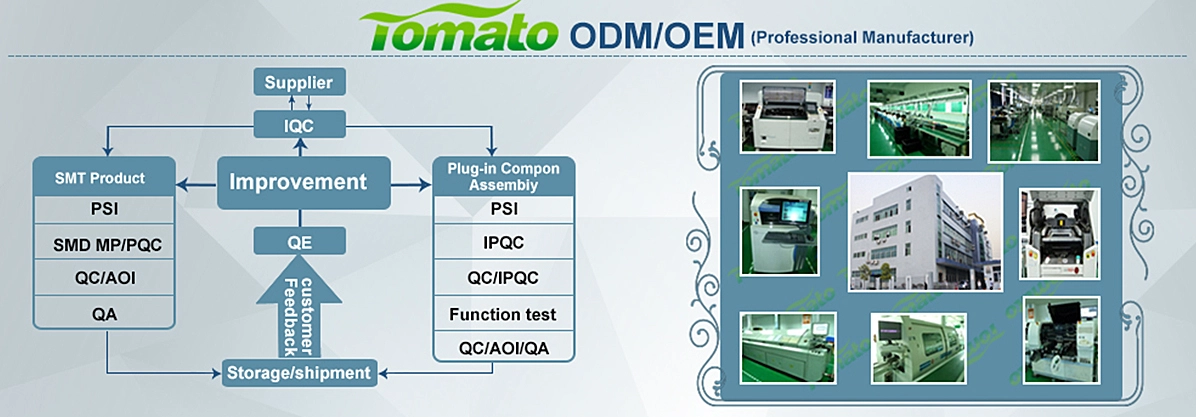
Established in 2011, SZTomato provides OEM/ODM development and manufacturing services for global brands, distributors, telecom operators, and system integrators.
Its engineering approach combines hardware configuration, PCBA development, firmware customization, and software integration rather than treating the TV Box as a standalone retail product.
For companies developing smart home automation terminals or compact edge computing devices, this integrated approach can shorten the gap between an initial product concept and a production-ready solution.
Conclusion: Build a TV Box Around the Smart Home Application
The next generation of TV Box products will be defined by more than video resolution, memory capacity, or processor frequency.
Smart home automation and edge computing require a coordinated architecture involving SoC selection, communication protocols, PCBA design, operating-system optimization, local processing, thermal management, and long-term firmware maintenance.
For B2B buyers, the critical decision is whether the hardware manufacturer can support the complete engineering requirements of the project.
SZTomato provides customized TV Box OEM/ODM solutions covering PCBA hardware modification, Android/Linux firmware development, SDK/API integration, branded UI/UX, and specialized thermal design.
Whether the objective is an Android-based smart home control terminal, an IoT gateway, an AI-enabled edge device, or a hybrid IPTV and home automation platform, the product should be engineered around its intended workload.
Contact SZTomato to discuss your TV Box OEM/ODM project. Share your target SoC, operating system, connectivity requirements, application architecture, and estimated production volume. Our engineering team can help evaluate the hardware configuration and customization scope required for your next smart home or edge computing product.
