
Best CPU Platforms for OTT TV Box in 2026: A B2B Buyer’s Guide
A 4K output specification does not guarantee a capable OTT TV Box. A device may support HDMI output at 4K resolution but lack hardware decoding for the required codec, sufficient memory bandwidth for demanding workloads, or the DRM and certification needed to run a commercial streaming service.
For product developers, these gaps can lead to playback failures, application incompatibility, thermal throttling, and costly redesigns after samples have already been approved.
The market's technical requirements continue to expand. AV1 decoding is increasingly relevant to bandwidth-efficient streaming, Wi-Fi 6 offers another option for congested wireless environments, and Android-based devices face growing expectations for secure updates and predictable software maintenance. At the same time, operators and brand owners must control bill-of-materials (BOM) costs and avoid paying for processing capacity their applications will never use.
The best CPU platform for an OTT TV Box in 2026 is therefore the one that balances media capabilities, software compatibility, hardware cost, and product lifecycle requirements. For OEM/ODM procurement, that decision should begin with the intended application and deployment model—not a processor ranking alone.
1. Which SoC Platforms Should B2B Buyers Evaluate in 2026?
The three major platform families worth evaluating for many Android-based streaming products are Amlogic, Rockchip, and Allwinner. Their suitability depends on the exact SoC, board design, firmware package, and commercial requirements. A chip manufacturer's reputation alone is not sufficient evidence of a product's capabilities.
Amlogic: A Strong Candidate for Streaming-Focused Devices
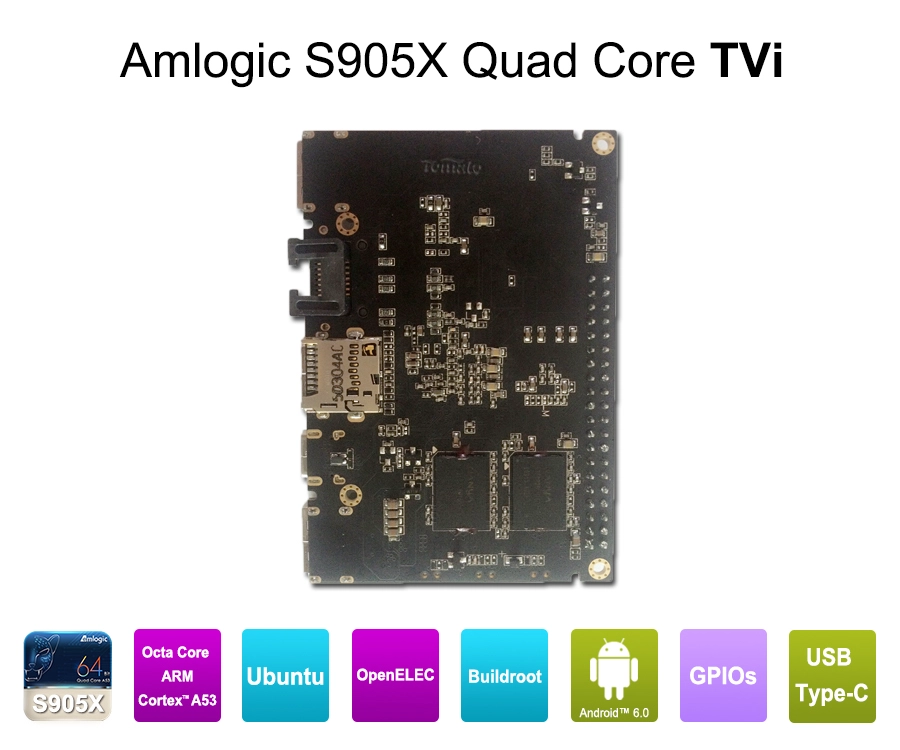
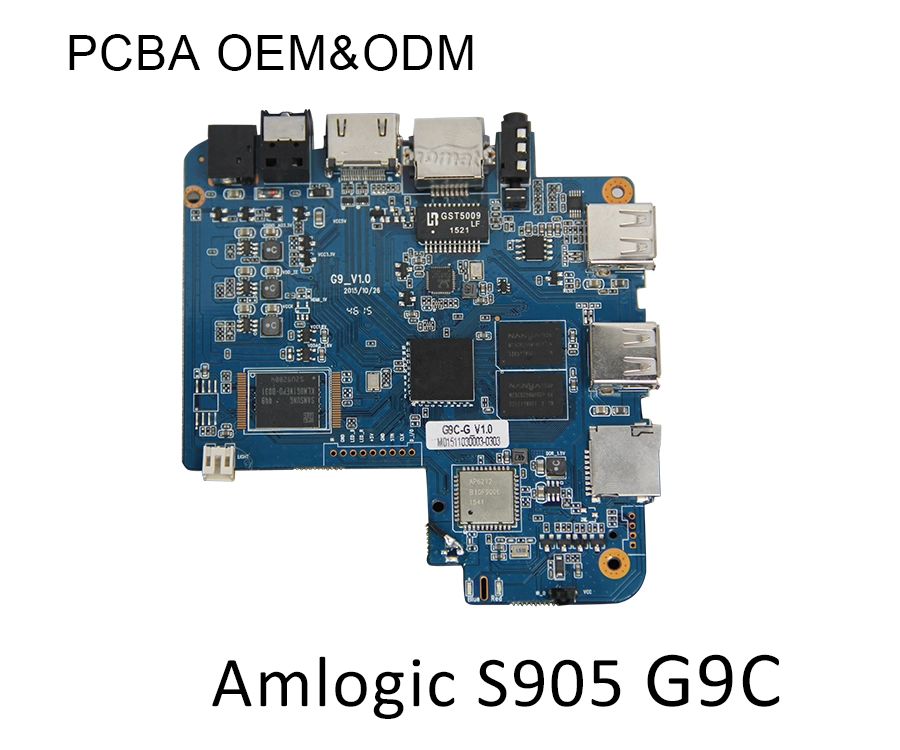
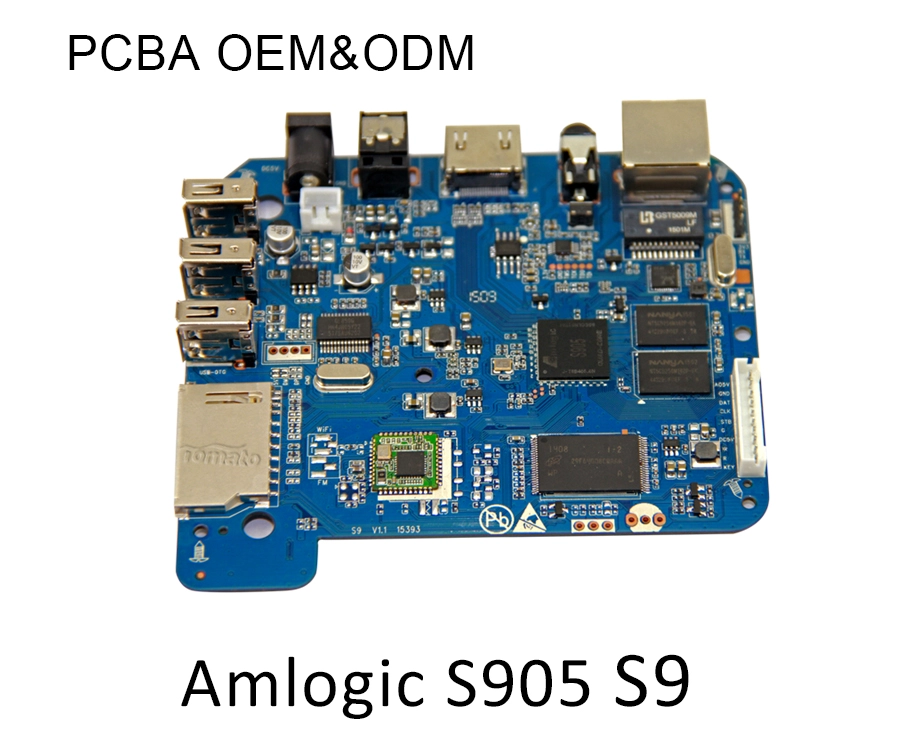
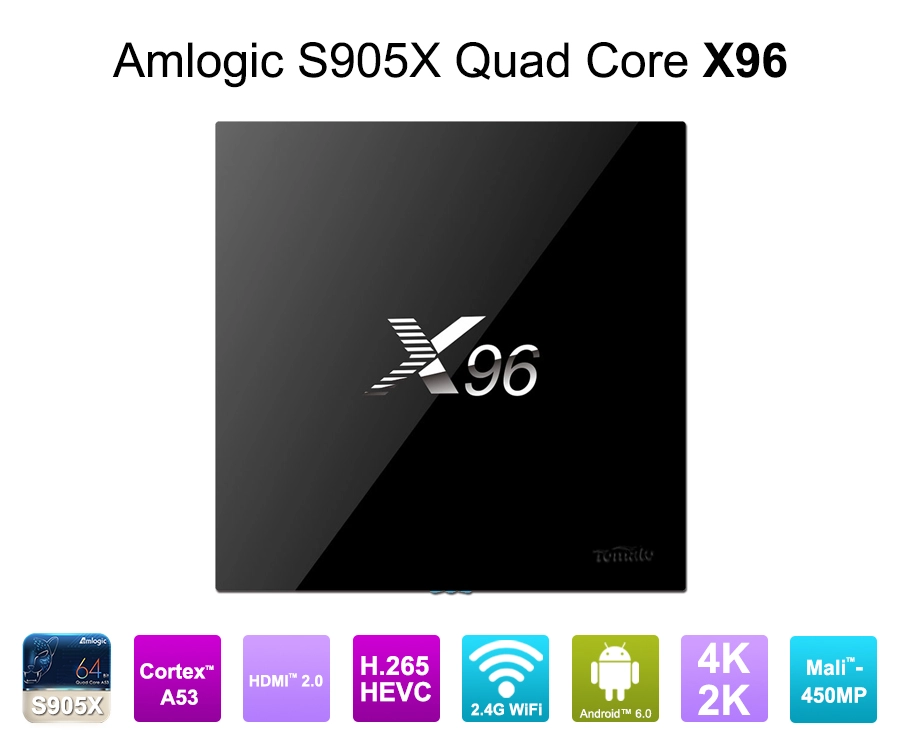
Amlogic is an important platform family to consider for OTT TV Boxes, Android TV devices, and multimedia players. Depending on the model, its SoCs can combine ARM CPU cores, hardware video decoding, GPU acceleration, display interfaces, and multimedia processing in a compact design.
For streaming-focused products, evaluate the following:
-
Hardware decoding for H.264, H.265/HEVC, VP9, and AV1 where required.
-
Supported resolution and frame rate for each codec.
-
HDR formats and HDMI output capabilities.
-
Android BSP availability and compatibility with the required applications.
-
DRM support, secure boot options, and the availability of necessary vendor security components.
-
Ethernet, Wi-Fi, Bluetooth, and peripheral interface options.
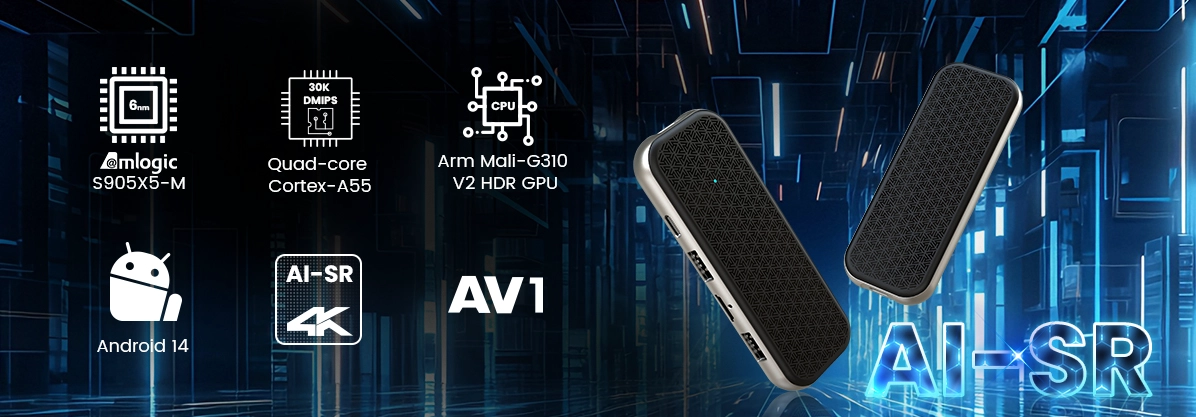
Amlogic S905X5M is one platform worth evaluating for compact, modern streaming products, subject to verification of its exact specifications and software support. Higher-capability platforms may be appropriate when a product requires more GPU resources, additional interfaces, or more demanding multimedia processing.
However, the latest processor is not automatically the best commercial choice. A midrange SoC with a stable software stack and adequate decoding performance can be more valuable than a more powerful chip with unresolved BSP issues or unnecessary hardware cost.
Rockchip: Flexibility for Customized Multimedia Products
Rockchip platforms are worth considering when an OTT TV Box requires a customized Android environment, additional interfaces, specialized peripherals, or a broader embedded multimedia workload.
Depending on the selected model, Rockchip SoCs can offer multi-core ARM processing, GPU acceleration, hardware video decoding, and support for external display or connectivity interfaces.
Rockchip RK3528 may be suitable for cost-conscious multimedia designs, while RK3566 and higher-capability platforms can be evaluated for products requiring different levels of processing and integration. These models should not be treated as interchangeable: their decoding capabilities, memory interfaces, display support, and software maturity must be checked individually.
Rockchip can be a practical option when the product specification extends beyond a conventional streaming box. However, buyers should verify Android BSP quality, peripheral driver availability, multimedia framework compatibility, and the vendor's ability to maintain the required kernel and security components.
Allwinner: Cost-Optimized Designs and Defined Workloads
Allwinner platforms can be attractive for price-sensitive streaming devices, IPTV receivers, and embedded multimedia applications where the hardware requirements are well defined.
The Allwinner H626 is an example of a platform that can be evaluated for Android-based TV Box designs. Its suitability depends on the required video formats, actual decoding performance, memory configuration, connectivity, and software implementation.
For any cost-optimized design, verify the exact hardware configuration rather than relying on a generic platform name. Confirm whether the required codec is supported by dedicated hardware, whether the vendor BSP exposes the capability correctly, and whether the device can maintain stable playback under the intended workload.
A lower BOM is only an advantage if it does not create additional engineering costs, higher failure rates, or unacceptable support requirements.
2. How to Compare OTT TV Box CPUs Beyond Core Counts
A CPU specification sheet describes only part of the device. The following comparison framework helps procurement managers distinguish between platforms that are genuinely suitable for their products.
Video Decoding and Display Output
Start with the required content formats. If the target service uses 4K AV1 streams, confirm that the specific SoC supports hardware AV1 decoding at the required resolution and frame rate. Do not infer AV1 support from H.265 or VP9 support.
Also distinguish three separate capabilities:
-
Video decoding: The ability to process a compressed video stream using hardware or software.
-
Display output: The resolution, refresh rate, color format, and HDR modes the device can send over HDMI.
-
Application and service compatibility: The ability to play the intended content through the required application, DRM system, and certification framework.
These capabilities overlap, but they are not equivalent. A device can have a 4K-capable HDMI interface without supporting every 4K codec or protected streaming service.
CPU, GPU, RAM, and Storage
The CPU handles application logic, background services, system tasks, and parts of the media pipeline. The GPU supports the interface, animations, and graphics workloads. Dedicated video engines perform supported decoding tasks without placing the entire burden on the CPU.
For an OTT TV Box, evaluate the complete configuration:
-
CPU architecture: Core count, architecture generation, sustained performance, and power behavior.
-
GPU: Graphics performance and compatibility with the intended Android interface and applications.
-
RAM: Capacity and bandwidth appropriate to the operating system and application stack.
-
Flash storage: Capacity for firmware, applications, logs, and OTA updates.
-
Memory configuration: Confirm that the selected RAM and storage options are supported by the exact board design.
More RAM does not compensate for missing hardware codec support, and a higher CPU clock does not guarantee smoother playback when the bottleneck is memory bandwidth, storage performance, networking, or software optimization.
Connectivity, Security, and Thermal Performance
For commercial streaming devices, networking and content protection deserve the same attention as CPU performance.
Gigabit Ethernet may be appropriate for operator installations that require predictable wired connectivity. Dual-band Wi-Fi or Wi-Fi 6 can improve the available connectivity options, but actual throughput depends on antennas, RF design, router compatibility, interference, and firmware.
HDCP support should match the intended HDMI and display requirements. Protected streaming services may additionally require approved DRM implementations, secure key provisioning, application certification, and licensing. These requirements must be validated with the relevant service provider.
Thermal performance also needs measurement. A compact enclosure with limited airflow may cause an otherwise capable SoC to reduce its clock speed during sustained workloads. Thermal testing should cover continuous video playback, high ambient temperatures where relevant, wireless activity, and the final production enclosure.
3. Which OTT TV Box CPU Platform Fits Each Business Model?
The most effective platform selection method is to map the intended product to a defined workload and commercial requirement.
Streaming-Only Consumer Products
For a basic OTT TV Box, prioritize reliable hardware decoding, application compatibility, adequate memory, stable Wi-Fi, and an acceptable BOM.
A midrange platform may deliver sufficient performance without the cost and power consumption of a more advanced SoC. Validate startup time, playback stability, application responsiveness, and behavior after network interruptions before approving the design.
Telecom Operators and IPTV Service Providers
Operator-managed products often require more than video playback. They may need IPTV middleware, remote provisioning, device authentication, multicast networking, centralized diagnostics, and long-term firmware maintenance.
For these projects, software support can be a deciding factor. A platform with a suitable BSP, stable drivers, documented interfaces, and a clear update strategy can reduce integration costs over the device lifecycle.
Procurement teams should also define who is responsible for maintaining middleware compatibility, security patches, and application updates after mass production.
Hospitality, Digital Signage, and Commercial Deployments
Commercial environments may require customized startup behavior, locked-down applications, scheduled operation, remote management, and operation inside cabinets or other restricted spaces.
In these cases, assess not only the CPU but also the availability of required I/O, the flexibility of the PCBA, thermal behavior, and the ability to customize firmware.
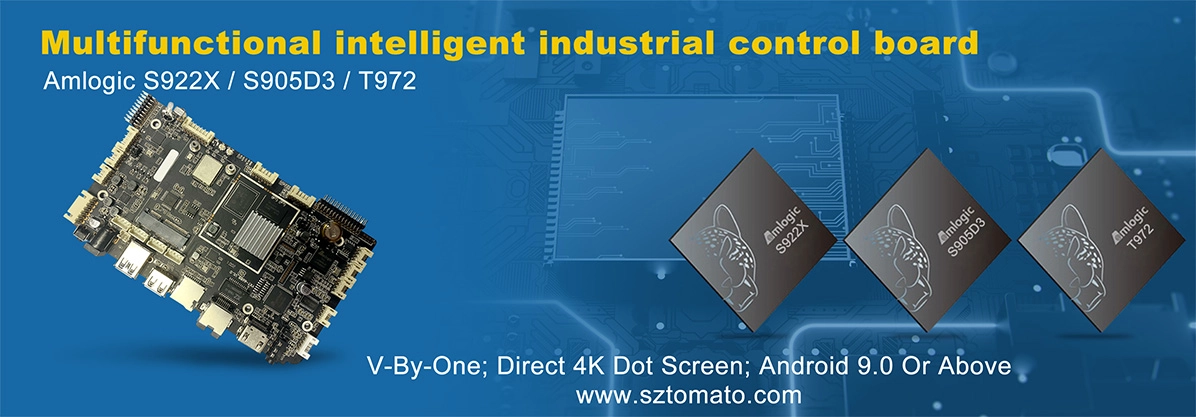
Rockchip or other embedded-oriented platforms may be worth evaluating when the design requires additional interfaces or system-level customization. The final decision should still be based on verified capabilities for the exact SoC and board.
4. How OEM/ODM Engineering Reduces Platform Selection Risk
Selecting a capable SoC is only the first step. A commercially successful OTT TV Box also needs a validated PCBA, compatible firmware, reliable thermal design, and a production process that can reproduce the approved configuration.
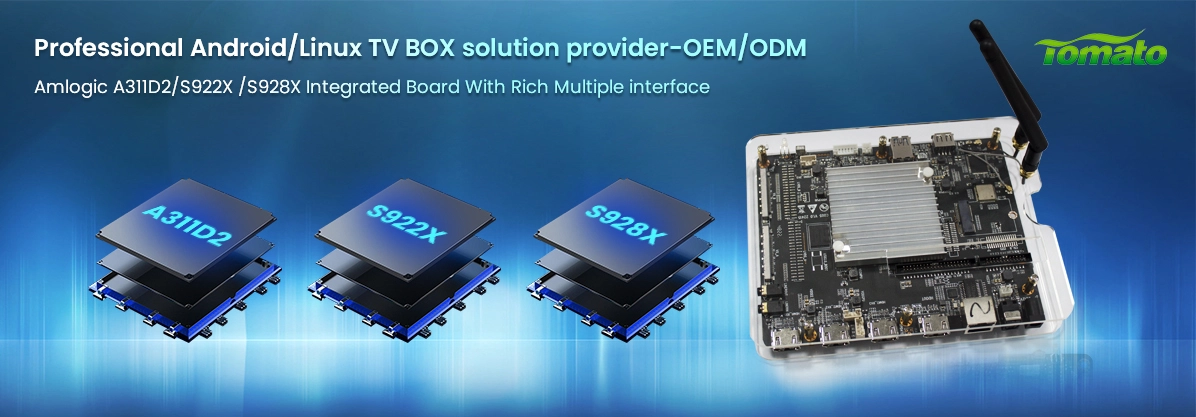
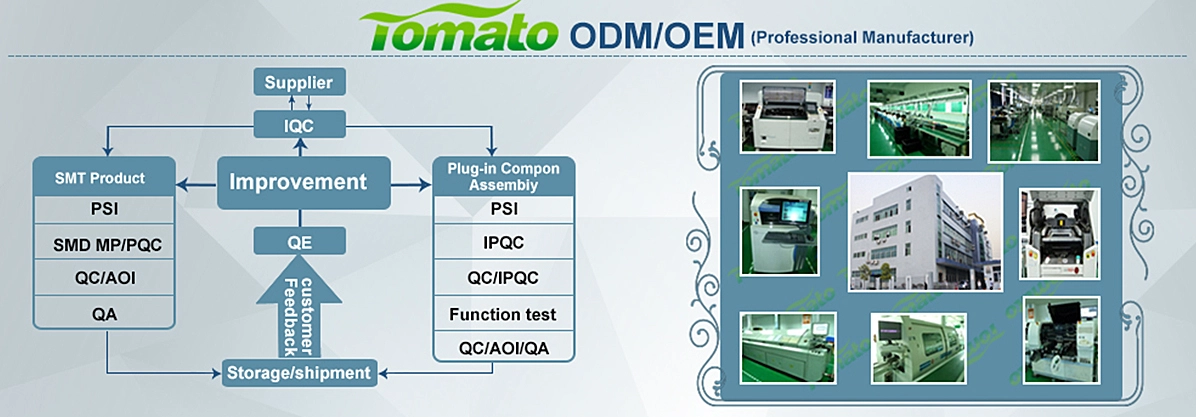
SZTomato supports B2B OEM/ODM projects involving Android TV Boxes, OTT streaming devices, and related multimedia hardware. Depending on the selected platform and project scope, engineering work can include:
PCBA Hardware Modification
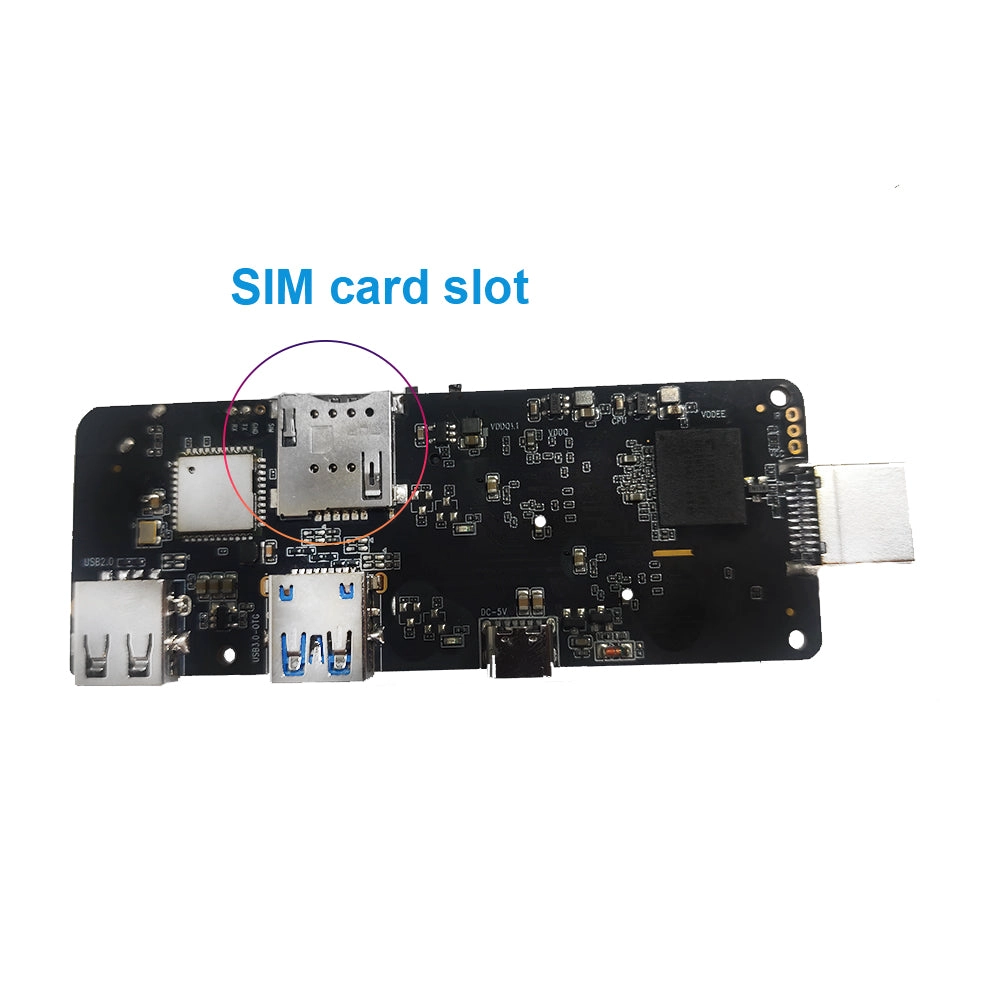
A reference board may not satisfy every project requirement. Customization can involve connector placement, power delivery, memory and storage configuration, network interfaces, GPIO allocation, antenna layout, and board dimensions.
Any PCBA modification should be assessed for signal integrity, RF performance, electromagnetic compatibility, thermal behavior, manufacturing yield, and certification impact. Changes should be validated on engineering samples before production release.
Custom Firmware and SDK/API Integration
Custom UI/UX firmware can provide branded startup screens, tailored launchers, controlled application access, and deployment-specific system behavior.
SDK/API integration can connect the device to IPTV middleware, provisioning systems, monitoring platforms, and approved third-party applications. The development scope should identify supported interfaces, authentication methods, error handling, and maintenance responsibilities.
Android BSP and Linux kernel optimization may also be necessary to address peripheral drivers, hardware acceleration, power management, and platform stability. The scope of these changes depends on vendor source availability and the selected SoC's support package.
OTA Update Systems and Lifecycle Management
A production-ready OTT TV Box should have a defined firmware maintenance plan. OTA systems can reduce servicing costs and help operators manage deployed devices, but they must be engineered for security and recovery.
The design should address signed update packages, integrity checks, authenticated delivery, staged rollouts, version compatibility, failure recovery, and rollback where supported.
Buyers should also agree on security patch responsibilities, the expected maintenance period, software version control, and procedures for handling defects discovered after deployment.
Thermal Engineering for Continuous Operation
For products installed in enclosed cabinets, hospitality systems, or other demanding environments, the thermal design must match the actual workload and ambient conditions.
SZTomato can evaluate specialized cooling solutions for industrial and commercial use, including heatsink selection, heat spreading, enclosure constraints, and component placement. The objective is to maintain stable performance rather than maximize short-duration benchmark results.
The full OEM/ODM process should connect these engineering decisions to sample testing, production acceptance criteria, and configuration control. That approach helps prevent the approved prototype from drifting away from the product eventually delivered at scale.
Conclusion: Choose the Right SoC, Not Simply the Newest One
The best CPU platform for an OTT TV Box in 2026 depends on the intended application, video formats, software stack, content-protection requirements, connectivity, thermal conditions, and target cost.
Amlogic is a strong candidate for streaming-focused designs; Rockchip deserves consideration for flexible multimedia and customized embedded applications; and Allwinner can be appropriate for well-defined, cost-sensitive products. These are starting points for evaluation, not universal rankings. Exact SoC specifications, BSP availability, DRM requirements, and lifecycle support should determine the final selection.
For B2B procurement managers, brand owners, IPTV operators, and system integrators, the objective is to qualify a complete platform that can move from engineering samples to reliable mass production.
SZTomato supports this process through OEM/ODM customization, PCBA hardware modification, custom firmware, SDK/API integration, and thermal design assessment.
Planning a new OTT TV Box for 2026? Share your target resolution, required codecs, operating system, streaming applications, connectivity, customization requirements, and expected order volume with SZTomato at www.sztomato.com. A clearly defined specification gives the engineering team a stronger basis for selecting the appropriate SoC and developing a production-ready solution.
