
What Is the Latest Set-Top Box (STB)? Technology, Chipsets, and OEM/ODM Trends
What Has Changed in the Latest Set-Top Box?
For Set-Top Box (STB) manufacturers and service providers, the central engineering challenge is no longer simply delivering 4K video. It is maintaining stable playback while handling modern codecs, conditional access, content protection, application compatibility, and continuous software updates across a deployed device fleet.
The shift toward AV1 video compression, more capable ARM-based system-on-chip (SoC) platforms, Wi-Fi 6 connectivity, and remotely managed Android or Linux systems is changing how operators specify their next-generation Set-Top Box (STB).
However, not every product marketed as a next-generation Set-Top Box (STB) offers the same capabilities. A device supporting 4K output may not support every 4K codec at the same frame rate. An Android-based box may lack the certification or DRM integration required by a particular streaming service. A powerful processor may also throttle under sustained workloads if the enclosure and thermal solution are poorly designed.
For B2B buyers, the latest Set-Top Box (STB) should therefore be evaluated as a complete hardware, software, security, and lifecycle platform—not just a processor specification.
1. Which Technologies Define a Modern Set-Top Box?
Advanced SoC Architecture and Video Decoding
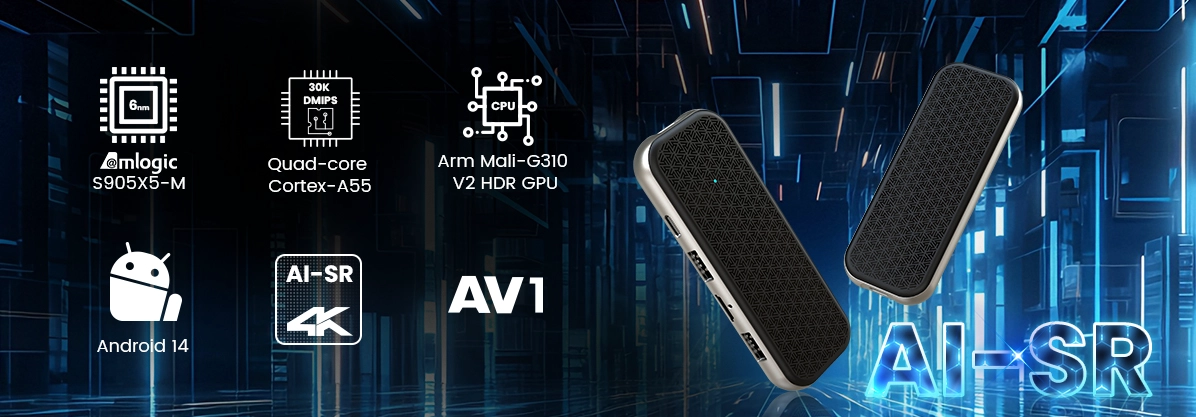
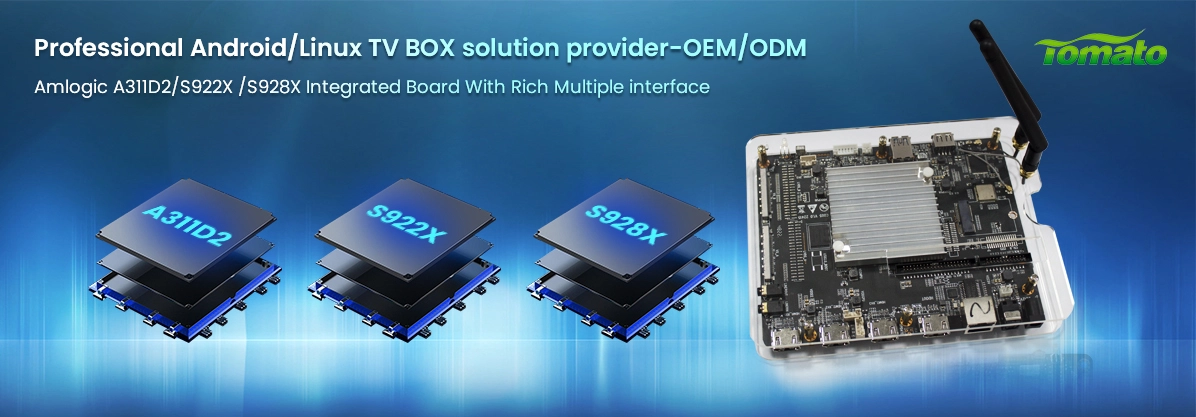
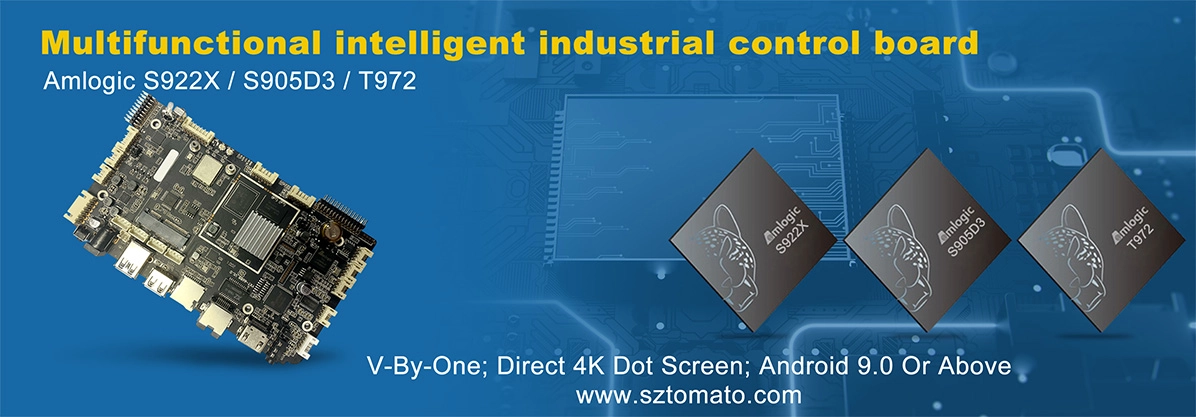
The SoC determines much of an Set-Top Box (STB)'s processing capability, codec support, peripheral integration, and power consumption. Modern platforms may combine multi-core ARM CPUs, dedicated video-decoding engines, GPU acceleration, and hardware security functions.
When evaluating a chipset, procurement teams should verify:
-
Video codec support: H.264, H.265/HEVC, VP9, and AV1, depending on the target platform.
-
Resolution and frame rate: Confirm actual decoding capability, such as 4K at 60 frames per second, rather than relying on HDMI output resolution alone.
-
HDR support: Check the supported HDR formats, output modes, display compatibility, and any required licensing.
-
Memory and storage: Size RAM and flash storage for the operating system, middleware, application stack, caching, and planned software updates.
-
Peripheral interfaces: Verify Ethernet, USB, HDMI, Wi-Fi, Bluetooth, UART, and other interfaces required by the deployment.
AV1 is particularly relevant to bandwidth-sensitive streaming services because its compression efficiency can help reduce delivery bandwidth at comparable visual quality. The actual benefit depends on the encoder, bitrate ladder, content, device implementation, and network conditions. Hardware AV1 decoding should be confirmed at the required resolution and frame rate.
A practical selection rule is to match the SoC to the service workload. A basic IPTV receiver does not necessarily need the same processing resources as an Android OTT box running multiple applications, a 4K multimedia player, or a commercial device with additional analytics and control functions.
Connectivity, HDMI, and Content Protection
Gigabit Ethernet can provide a predictable wired connection for operator-managed installations, while dual-band Wi-Fi or Wi-Fi 6 can improve connectivity options in homes, hospitality environments, and locations where cabling is difficult.
HDMI requirements deserve equal attention. Buyers should verify the supported HDMI version, output resolution, refresh rates, color formats, audio passthrough, and HDCP version against the intended television and content service.
HDCP protects eligible digital content over supported interfaces, but a compliant HDMI port alone does not guarantee access to a protected streaming service. DRM provisioning, application certification, service-specific approvals, and secure key management may also be required.
These dependencies should be resolved during product definition rather than after mass production. Otherwise, a device can pass basic hardware testing but fail service acceptance because its software or content-protection implementation does not meet the operator's requirements.
2. How to Select the Right Set-Top Box (STB) Platform for IPTV and OTT Projects
Android TV, AOSP Android, and Linux Are Not Interchangeable
Operating-system selection affects application compatibility, development effort, update management, certification, and long-term maintenance.
Android TV or Google TV-based platforms may be appropriate when a project requires a certified television experience, a compatible application ecosystem, or specific operator and streaming-service requirements. Certification and licensing must be confirmed for the exact product and intended market.
AOSP-based Android platforms provide greater flexibility for custom launchers, branded user interfaces, embedded applications, and controlled deployment environments. However, AOSP does not automatically include Google Mobile Services, Google certification, or approval for protected commercial streaming services.
Linux-based Set-Top Box (STB)s can suit focused IPTV receivers, embedded middleware systems, and deployments that prioritize a controlled software footprint. The platform must still be evaluated for driver availability, middleware support, security maintenance, and application requirements.
The right choice depends on the service architecture, not on which operating system appears most familiar.
Build the Specification Around the Deployment
Before requesting quotations, define the actual operating environment and acceptance criteria.
For a telecom operator, this may include multicast IPTV, IGMP behavior, VLAN configuration, remote provisioning, and middleware compatibility. An OTT-focused product may require application integration, DRM support, adaptive bitrate streaming, and reliable Wi-Fi performance. A hospitality deployment may prioritize centralized configuration, branded interfaces, remote diagnostics, and predictable operation across multiple display models.
A sound qualification process should include:
-
Define the service stack. Identify the IPTV middleware, OTT applications, authentication methods, DRM requirements, and management platform.
-
Select the SoC and memory configuration. Match processing resources and hardware decoding capabilities to the actual workload.
-
Validate interfaces and networking. Confirm HDMI/HDCP requirements, Ethernet performance, Wi-Fi compatibility, and required peripherals.
-
Test sustained operation. Measure playback stability, thermal behavior, boot time, recovery after network interruptions, and performance under realistic workloads.
-
Plan software maintenance. Establish update policies, security patch responsibilities, compatibility testing, and end-of-support expectations.
This process reduces the risk of selecting a device that looks competitive on paper but requires expensive engineering changes after deployment.
3. The Engineering Priorities Behind a Reliable Next-Generation Set-Top Box (STB)
PCBA Design and Thermal Management
A modern Set-Top Box (STB) is a compact electronic system in which PCB layout, power delivery, RF performance, memory routing, and enclosure design all influence reliability.
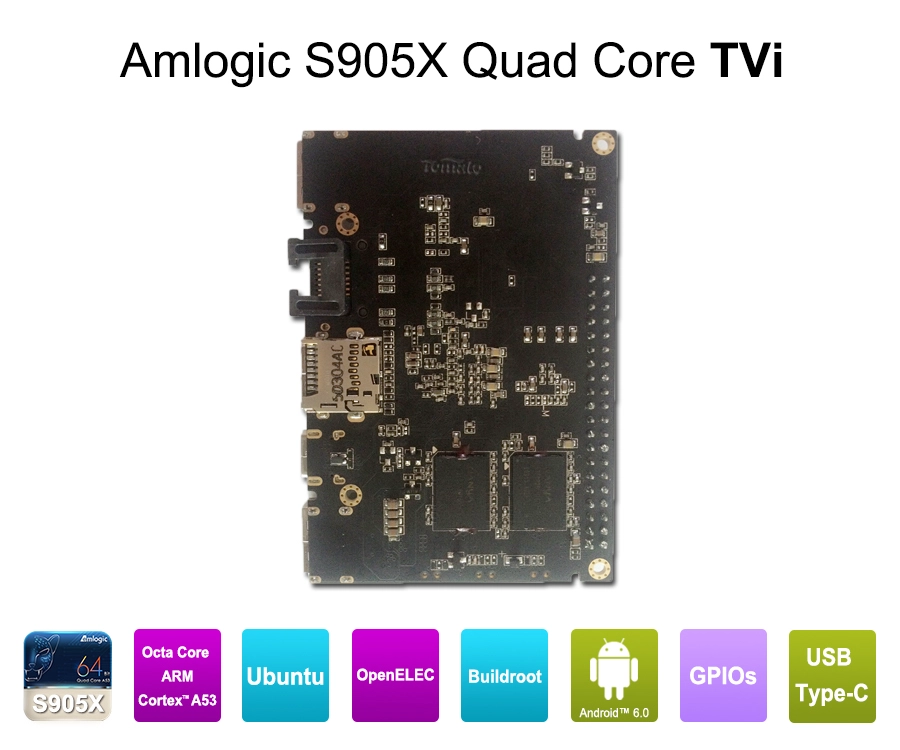
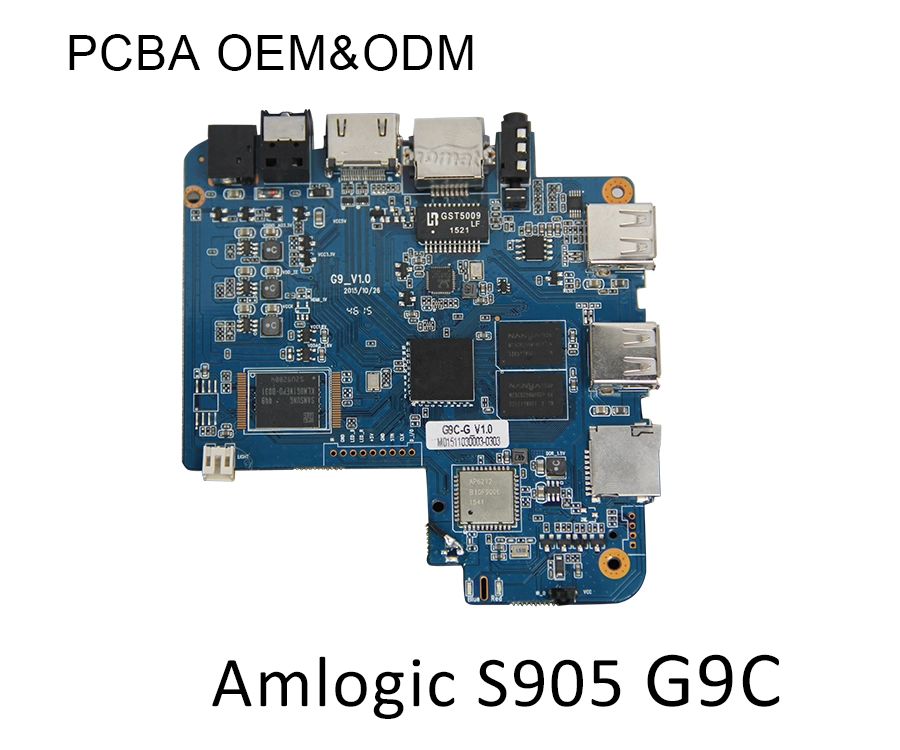
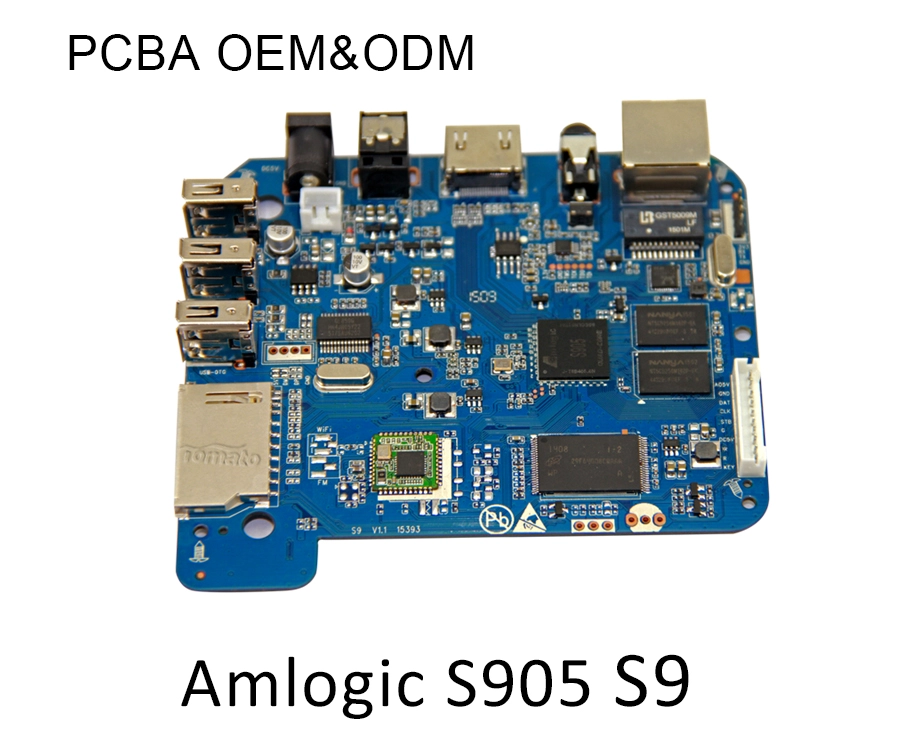
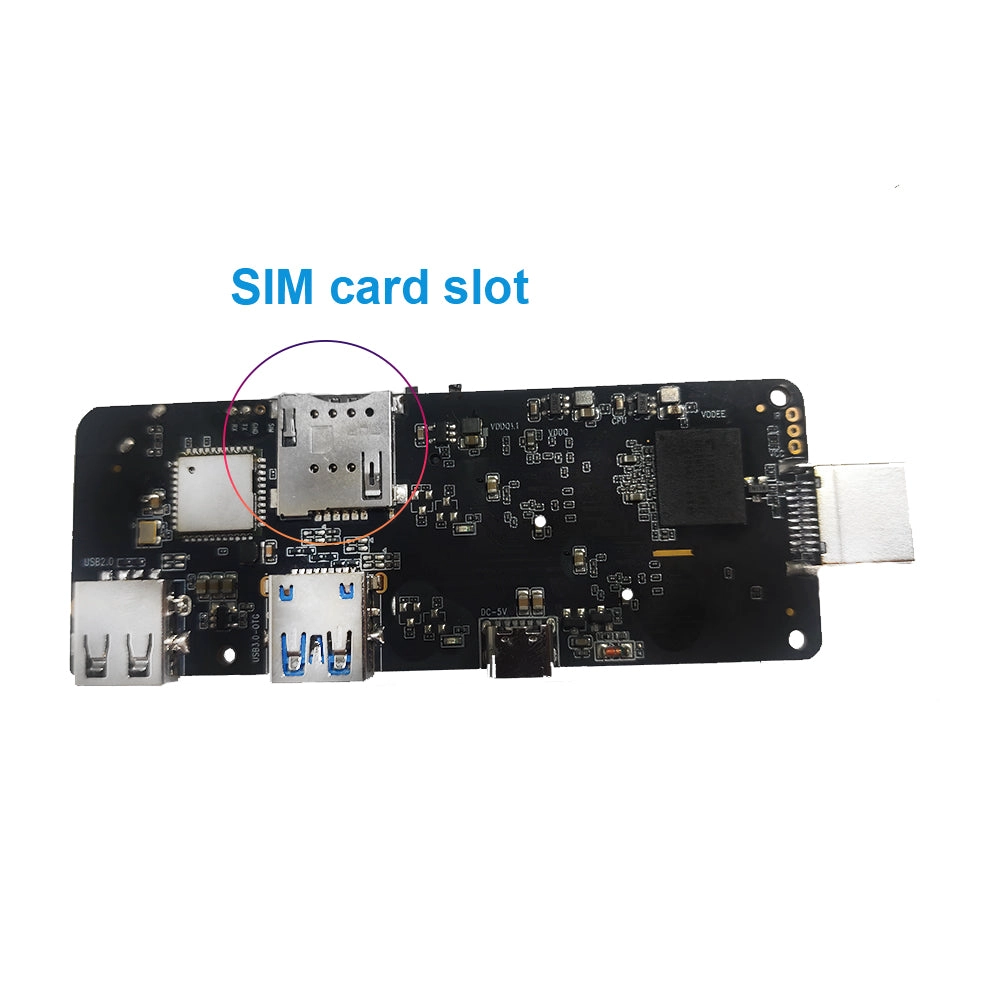
PCBA-level customization may be necessary when a standard reference design cannot meet a project's requirements. Changes can involve connector placement, power circuitry, Ethernet interfaces, wireless antenna arrangements, GPIO allocation, storage configuration, and board dimensions.
Such changes must be assessed against signal integrity, electromagnetic compatibility, manufacturing yield, and certification implications. Modifying a PCB without validating these dependencies can introduce instability that is difficult to reproduce in laboratory testing.
Thermal management is equally important. A chipset that performs well during a short benchmark may behave differently during continuous 4K playback, simultaneous network activity, or operation in a poorly ventilated cabinet.
Engineering teams should evaluate heat spreaders, heatsinks, enclosure materials, ventilation, component placement, and power profiles. For industrial or commercial installations, specialized cooling solutions may be appropriate where ambient temperature, operating duration, or enclosure constraints demand additional thermal control.
The objective is not to maximize benchmark scores. It is to maintain predictable performance throughout the intended operating range and product lifecycle.
Firmware Customization, SDK/API Integration, and OTA Updates
Firmware is a major differentiator between a generic retail box and an Set-Top Box (STB) designed for a service provider or commercial integrator.
Custom firmware can incorporate branded boot animations, tailored UI/UX, controlled application access, operator-specific settings, remote-management hooks, and system behavior aligned with a deployment's operational requirements.
SDK/API integration connects the Set-Top Box (STB) to middleware, provisioning systems, monitoring tools, and third-party applications. Before development begins, the parties should agree on API documentation, authentication, error handling, supported software versions, and responsibilities for maintaining third-party dependencies.
Linux and Android kernel optimization may also be necessary when a project requires specific peripheral drivers, power-management behavior, hardware acceleration, or platform-level stability improvements. These changes should be validated against the selected SoC's BSP, vendor support, and security update path.
OTA update systems are another essential part of fleet management. A production-ready approach should address:
-
Signed firmware images and integrity verification.
-
Secure delivery and authenticated update requests.
-
Staged rollouts and version control.
-
Failure recovery and rollback where supported.
-
Compatibility checks before installation.
-
Update logs, diagnostics, and remote troubleshooting.
A successful OTA strategy reduces the need for physical servicing, but only when update security, recovery behavior, and version compatibility are designed and tested properly.
For operators managing thousands of devices, these capabilities can be as important as the original hardware specification.
4. Why OEM/ODM Customization Matters for Set-Top Box (STB) Procurement
Off-the-shelf Set-Top Box (STB)s can shorten initial evaluation, but a standard model may not meet every operator's requirements for branding, connectivity, enclosure design, firmware behavior, or integration with existing systems.
An OEM/ODM partner should be able to explain which requirements can be achieved through configuration, which require firmware development, and which demand hardware modification.
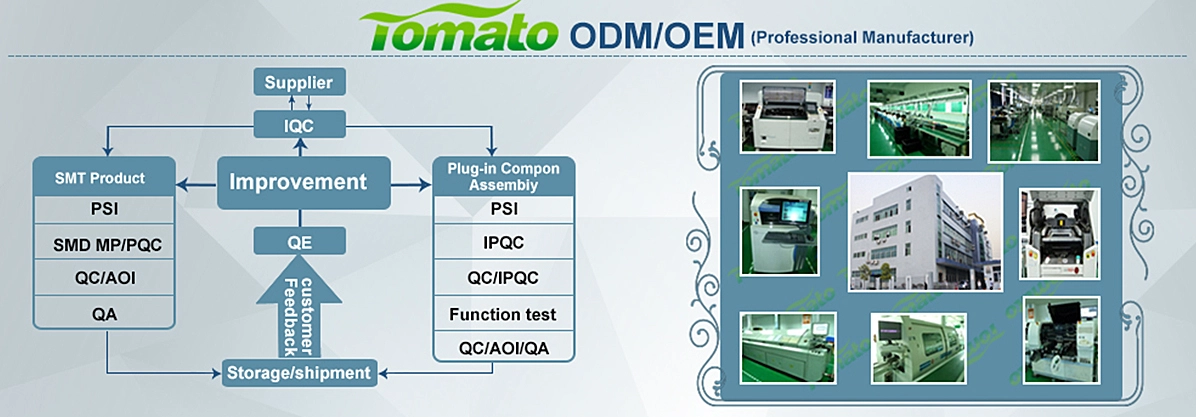
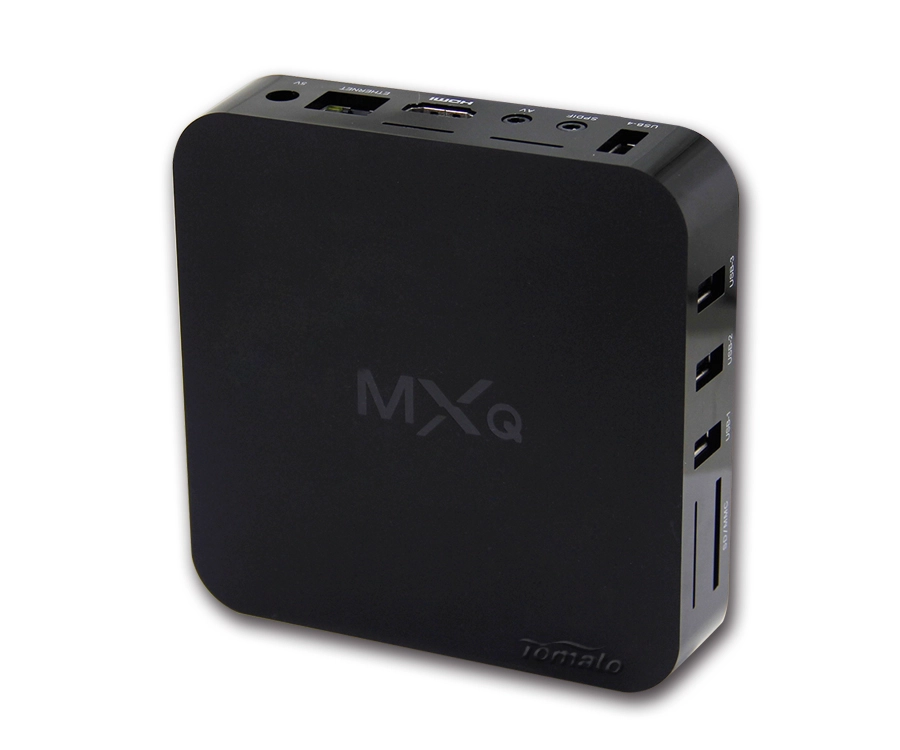
SZTomato supports B2B projects involving Android TV Boxes, streaming media players, and related set-top box platforms. Depending on the selected platform and project scope, customization can include:
-
PCBA hardware modification: Adapting board layouts, interfaces, memory configurations, and other hardware elements to project requirements.
-
Custom UI/UX firmware: Implementing branded interfaces, startup behavior, application arrangements, and deployment-specific system settings.
-
SDK/API integration: Connecting device software with IPTV middleware, remote-management systems, and approved third-party applications.
-
Kernel and BSP-level engineering: Evaluating driver requirements, hardware compatibility, and platform optimization within the capabilities of the selected chipset.
-
Specialized thermal design: Assessing cooling solutions for continuous-use, industrial, and commercial environments.
-
Production and quality planning: Defining sample validation, functional testing, configuration control, and manufacturing acceptance criteria.
Customization should begin with a documented requirement specification and a feasibility review. Not every chipset supports every feature, and some streaming applications require approvals that cannot be supplied by hardware customization alone.
For this reason, buyers should request a clear division of responsibilities covering hardware design, software development, third-party licensing, certification, testing, and ongoing maintenance.
Conclusion: Specify the Set-Top Box (STB) for Its Full Lifecycle
The latest Set-Top Box is best understood as a service-ready platform combining capable video decoding, appropriate connectivity, secure content handling, stable thermal performance, and maintainable software.
For procurement managers and system integrators, the most important decision is not simply which processor is newest. It is which combination of SoC, PCBA, firmware, middleware, and update infrastructure can meet the deployment's technical requirements at an acceptable total cost of ownership.
SZTomato works with B2B buyers to evaluate OEM/ODM requirements for custom Android TV Boxes and Set-Top Box (STB)-related products, from hardware adaptation and firmware customization to SDK/API integration and production planning.
If you are developing an IPTV receiver, an OTT streaming device, or a customized Set-Top Box (STB) for telecom, hospitality, or commercial deployment, prepare your target specifications, operating environment, software stack, and expected production volume before requesting a proposal. This gives the engineering team a practical basis for evaluating feasibility, defining a prototype, and planning a reliable path to mass production.
Discuss your Set-Top Box (STB) OEM/ODM project with SZTomato at www.sztomato.com.
