
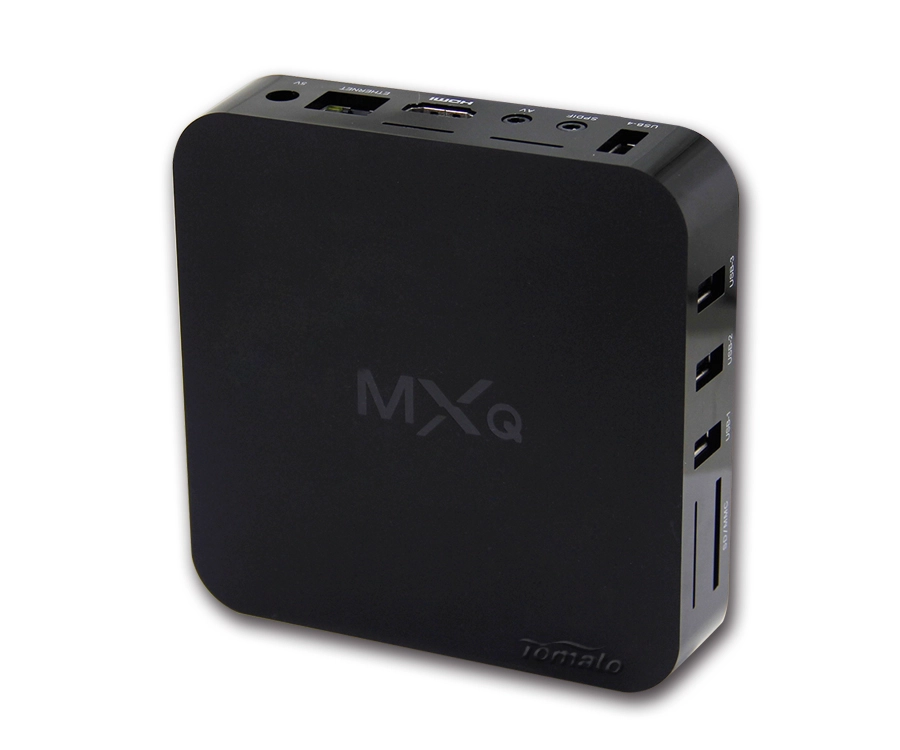
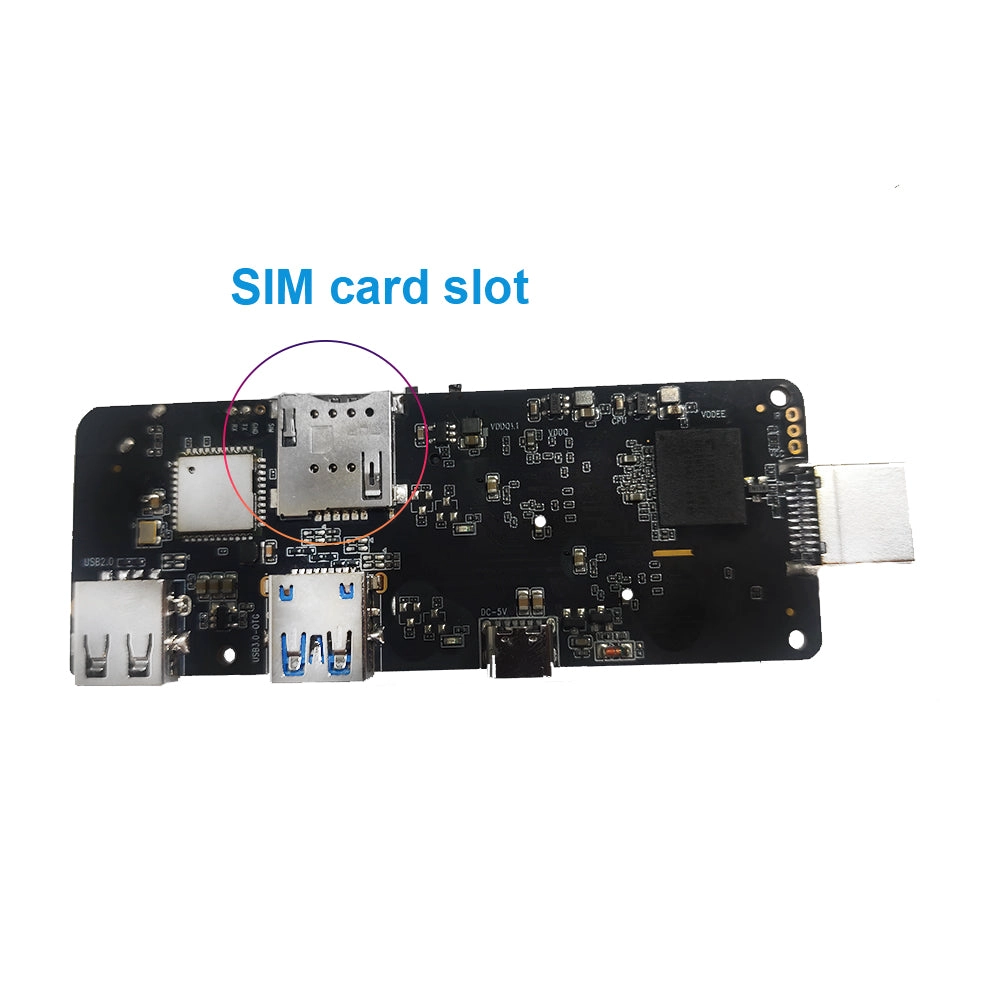
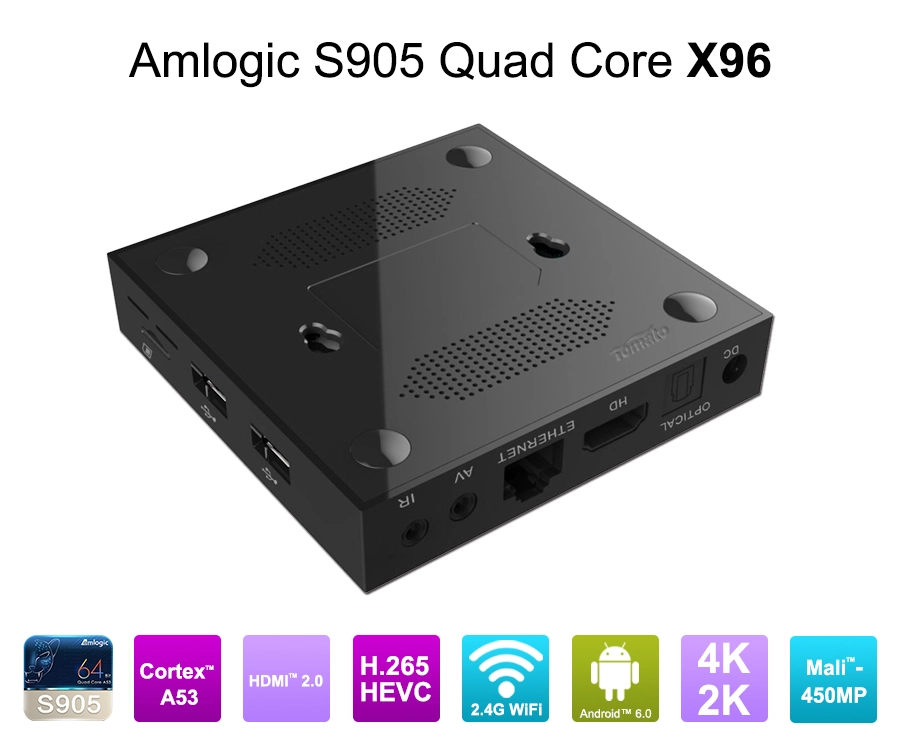
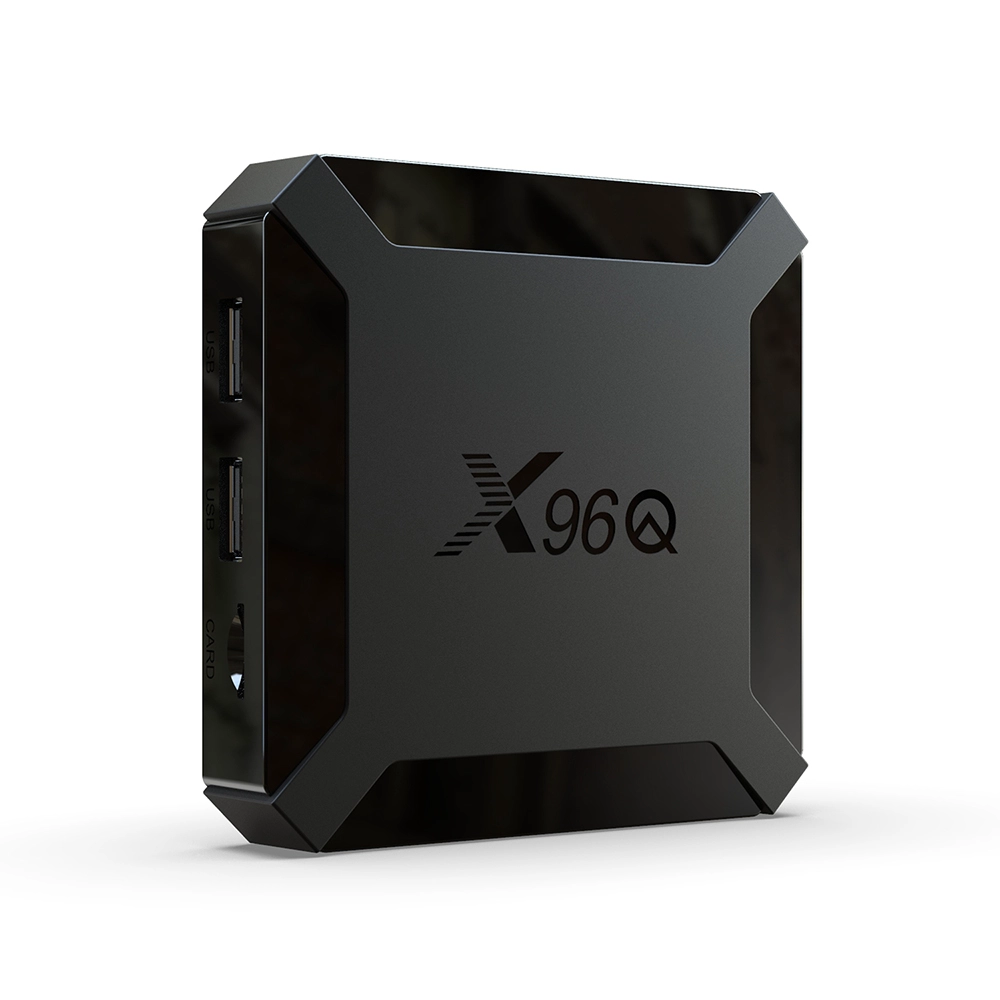
Can a Smart TV Box Be Customized for OEM Projects?
1. Why OEM Projects Require More Than a Customized Smart TV Box Enclosure
A standard Smart TV Box is designed around a relatively fixed hardware configuration and general-purpose firmware. That approach works for conventional retail distribution, but it often creates limitations for telecom operators, IPTV providers, digital signage integrators, and established electronics brands.
An OEM project has different requirements. The device must operate within a defined software ecosystem, communicate with existing infrastructure, support specific peripheral interfaces, and remain manageable throughout its deployment lifecycle.
Consider an IPTV operator deploying thousands of devices across multiple markets. The project may require:
-
A customized boot animation and branded Android launcher.
-
Integration with a proprietary IPTV middleware platform.
-
Remote device management and centralized OTA updates.
-
Ethernet interfaces for stable network connectivity.
-
HDMI output with appropriate HDCP protection.
-
Customized remote-control functions and peripheral support.
-
Firmware compatibility across different hardware revisions.
A standard retail configuration rarely addresses all these requirements without additional engineering.
The distinction is important: OEM customization changes how the product is engineered, deployed, and maintained. It is not simply private-label manufacturing.
Hardware platform selection comes first
The SoC determines much of the device's processing capability, multimedia performance, connectivity options, and software compatibility.
For example, an OEM project focused on 4K IPTV playback may prioritize hardware video decoding, memory bandwidth, network interfaces, and stable Android firmware. A commercial interactive display project may require additional USB interfaces, GPIO support, extended operating temperatures, and more sophisticated thermal management.
The correct SoC should therefore be selected according to the application rather than benchmark performance alone.
A practical OEM evaluation should consider:
-
CPU architecture and processing performance.
-
GPU capability and supported graphics APIs.
-
Hardware decoding for H.264, H.265, VP9, and AV1 where required.
-
RAM bandwidth and eMMC storage capacity.
-
HDMI specifications and HDCP requirements.
-
Ethernet, Wi-Fi, Bluetooth, USB, and expansion interfaces.
-
BSP availability and long-term software support.
SZTomato approaches Smart TV Box development from this hardware-software compatibility perspective, helping customers evaluate the platform before committing to tooling and mass production.
2. What Can Be Customized in a Smart TV Box OEM Project?
Smart TV Box customization generally involves four engineering layers: PCBA hardware, operating-system firmware, application integration, and industrial design.
The degree of customization depends on the project's technical requirements, development budget, target market, and expected production volume.
2.1 PCBA hardware modification and interface customization
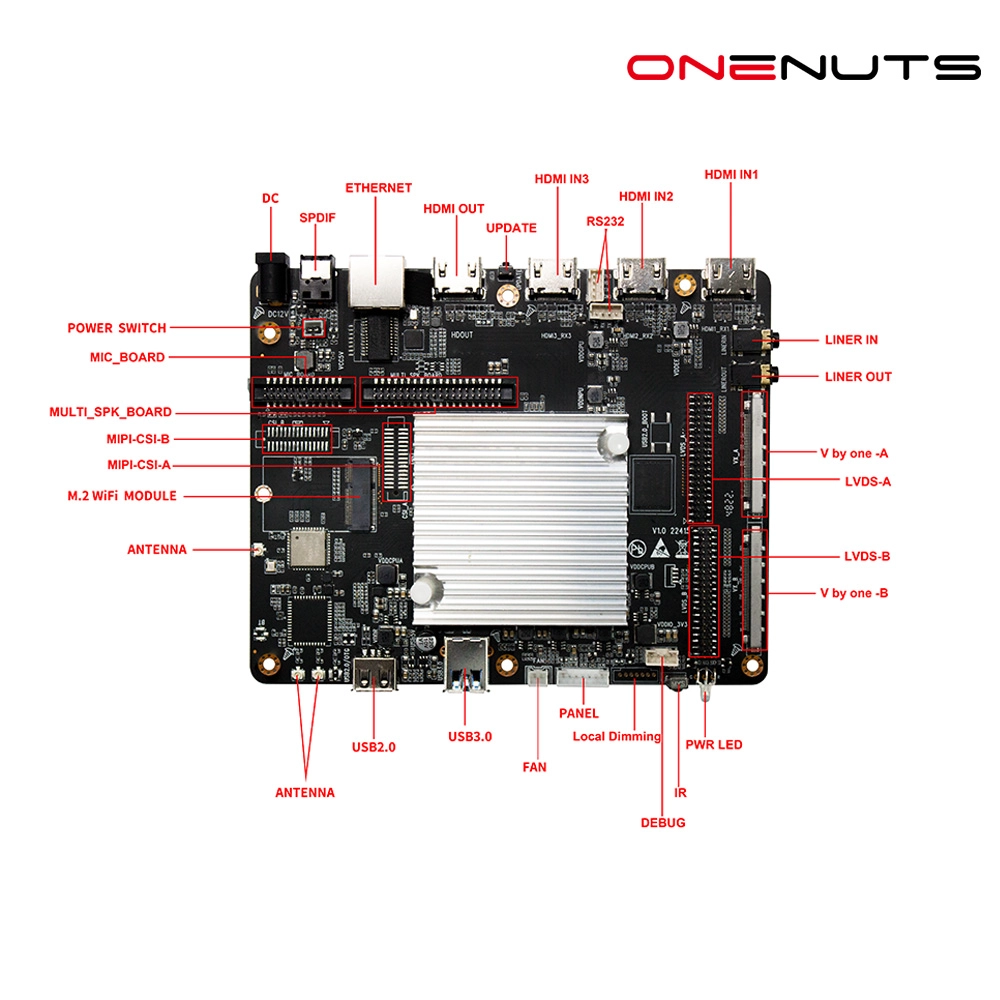
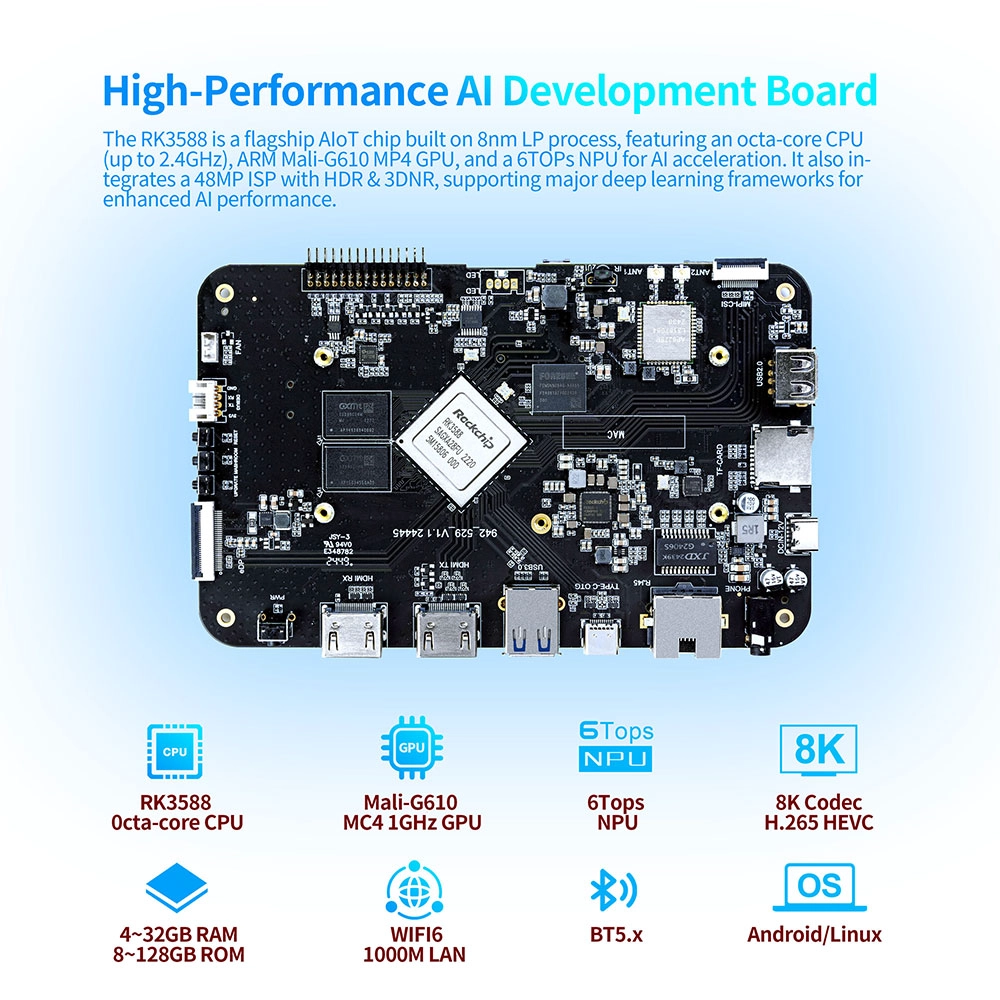
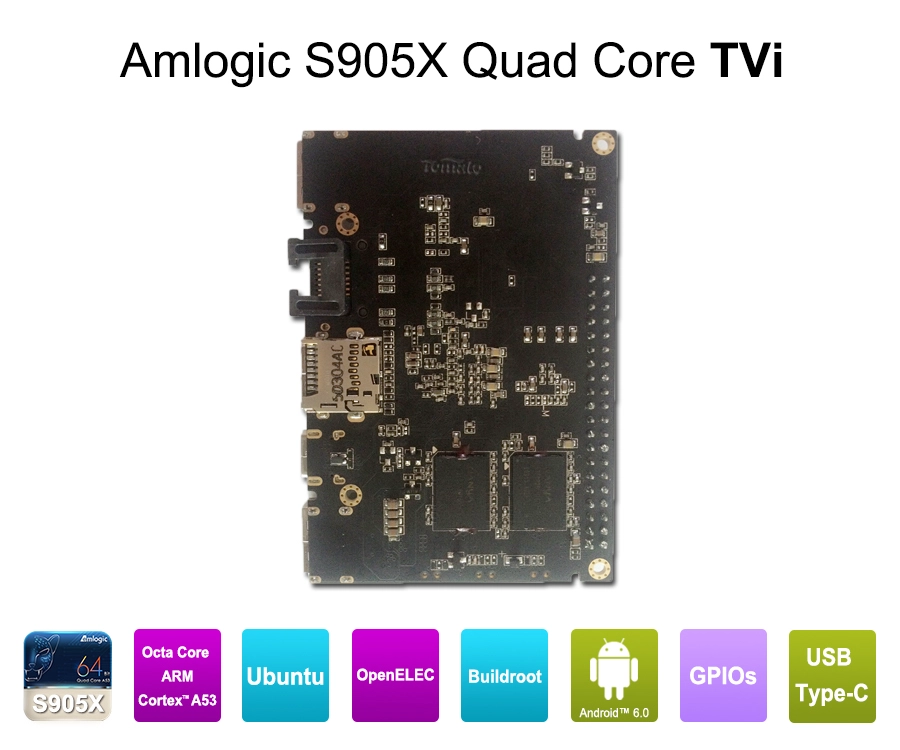
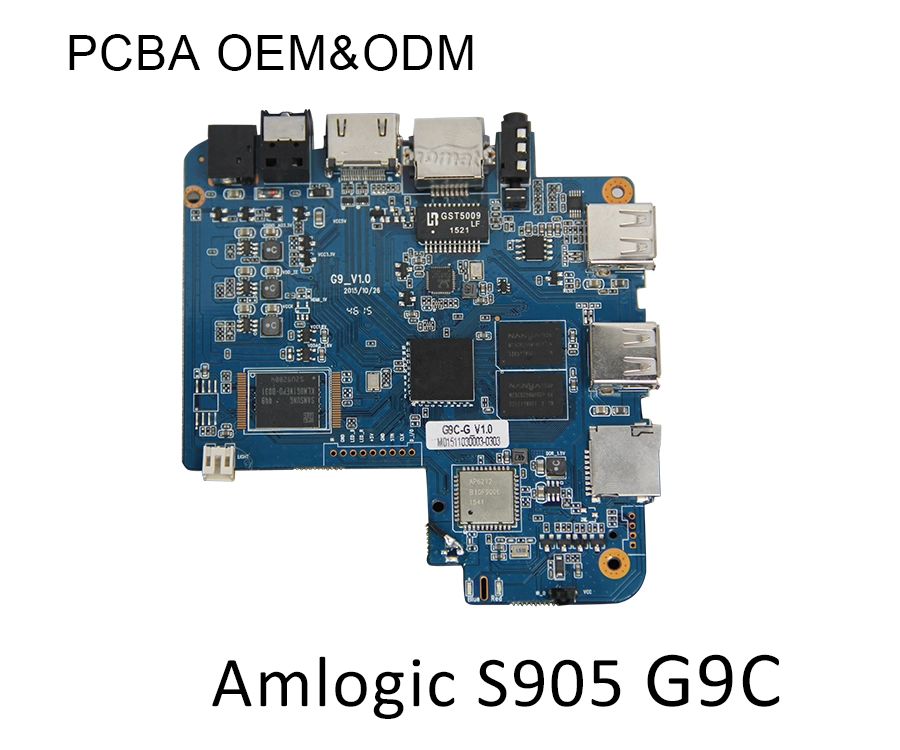
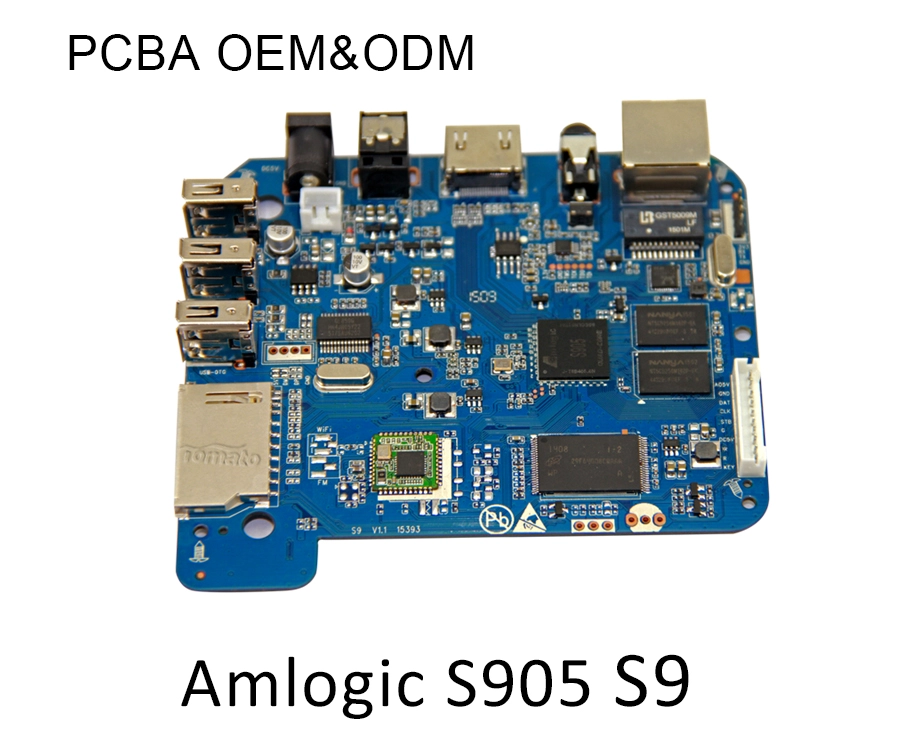
PCBA customization is necessary when the standard reference board cannot satisfy the project's electrical, mechanical, or interface requirements.
Typical modifications include:
-
PCB layout optimization: Adjust component placement, routing, power distribution, and signal integrity.
-
Memory and storage configuration: Select appropriate RAM and eMMC combinations according to application requirements.
-
Interface expansion: Configure HDMI, USB, Ethernet, UART, GPIO, MIPI, or other supported interfaces.
-
Wireless integration: Select Wi-Fi and Bluetooth modules according to regional requirements.
-
Power management: Optimize voltage regulation, power consumption, and standby behavior.
-
Peripheral compatibility: Support project-specific remote controls, sensors, external storage, and other devices.
For example, a commercial IPTV deployment may require Gigabit Ethernet, multiple USB ports, and a customized infrared receiver arrangement. These requirements can affect PCB dimensions, connector placement, power delivery, and enclosure design.
Hardware changes must also be checked against the SoC's pin multiplexing, reference design, BSP support, and electrical limitations.
A connector can physically fit on a board without being fully supported by the platform. OEM engineering must verify the complete hardware and software implementation.
2.2 Custom Android and Linux firmware development
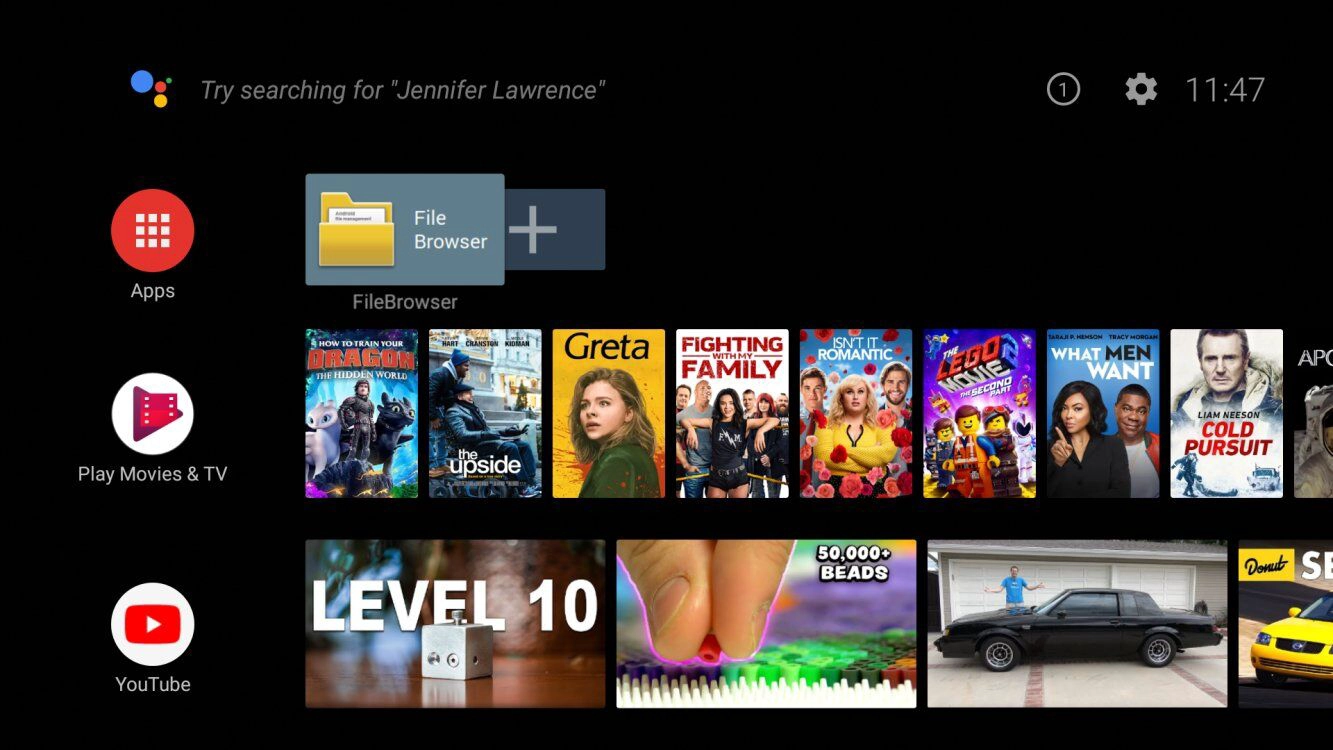
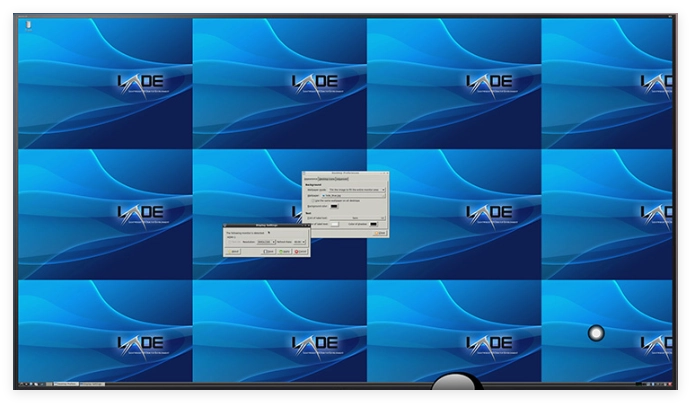
Firmware is one of the most important differentiation points in a customized Smart TV Box.
A device may use the same SoC as competing products but deliver a completely different user experience through its operating system, drivers, system applications, and firmware architecture.
SZTomato supports firmware-level customization covering several areas.
Boot and system customization
-
Brand-specific boot logos and animations.
-
Customized startup sequences.
-
Preinstalled applications.
-
Default system settings.
-
Language and regional configurations.
-
Application permissions and system behavior.
Android system optimization
Android firmware customization can involve modifying the Android BSP, device tree, system services, framework components, and hardware abstraction layers.
Depending on the SoC platform, engineering work may include:
-
Linux kernel configuration and optimization.
-
Device driver integration.
-
Wi-Fi and Bluetooth driver configuration.
-
HDMI output and audio pipeline optimization.
-
Memory allocation and system resource management.
-
Hardware acceleration and multimedia framework adjustments.
For projects using Linux, the same principle applies: kernel configuration, driver compatibility, bootloader integration, and system-service optimization must be aligned with the selected hardware.
OTA update infrastructure
A Smart TV Box deployed across multiple countries cannot depend on manual firmware installation for every software revision.
A properly designed OTA update system can support:
-
Remote firmware distribution.
-
Version control and update scheduling.
-
Incremental or full-package updates.
-
Update integrity verification.
-
Device-group management.
-
Recovery procedures after interrupted updates.
For operators managing thousands of devices, OTA reliability directly affects maintenance costs and operational continuity.
OTA architecture should also include rollback or recovery mechanisms where the platform supports them. An update that fails during installation must not leave a large deployment without a recovery path.
2.3 Custom UI/UX and SDK/API integration
For many OEM buyers, the application layer is where the commercial value of customization becomes most visible.
A telecom operator may want its IPTV platform to launch automatically after startup. A hospitality provider may need a customized welcome screen, multilingual interface, and centralized content configuration. A digital signage integrator may require a proprietary application to control scheduled playback.
These requirements involve more than installing an APK.
Typical integration work includes:
|
Customization area |
Engineering requirements |
|---|---|
|
Custom launcher |
Home-screen layout, navigation, branding |
|
IPTV middleware |
Middleware compatibility, authentication, content delivery |
|
SDK integration |
Platform SDK, hardware APIs, application interfaces |
|
API integration |
Device management, cloud services, third-party platforms |
|
Remote control |
Key mapping, infrared, Bluetooth, custom functions |
|
Device management |
Remote configuration, monitoring, application deployment |
SDK/API integration must account for operating-system versions, application permissions, system-level privileges, and hardware dependencies.
For example, an application requiring automatic startup, background services, or access to specific hardware functions may need system-level integration rather than ordinary application installation.
This is particularly relevant for large-scale B2B deployments where the Smart TV Box must operate as part of an existing service platform.
2.4 Enclosure, thermal design, and industrial reliability
Thermal management is frequently underestimated during OEM development.
A Smart TV Box used for occasional home entertainment has a different operating profile from a commercial device running applications continuously throughout the day.
High CPU utilization, video decoding, wireless transmission, and ambient temperature can all contribute to thermal stress.
SZTomato supports specialized cooling solutions for industrial applications, including:
-
Aluminum alloy enclosures.
-
Passive heat dissipation structures.
-
Optimized thermal interfaces.
-
Heat spreader and heatsink configurations.
-
Internal component placement optimization.
-
Cooling designs matched to sustained workloads.
Thermal validation should measure SoC temperature, memory temperature where relevant, power consumption, and performance under sustained workloads.
The objective is not simply to reduce the temperature reading. It is to prevent thermal throttling, maintain system stability, and support the intended operating environment.
A well-designed enclosure must also consider EMI, mechanical strength, connector accessibility, and production consistency.
3. How to Develop a Customized Smart TV Box: From Engineering Samples to Mass Production
A successful OEM project requires a controlled development process. Starting mass production before hardware, firmware, and application compatibility have been validated can result in expensive PCB revisions, software instability, and delayed delivery.
For B2B procurement managers, the following development workflow provides a practical framework.
Step 1: Define application requirements and technical specifications
Before selecting a Smart TV Box platform, the OEM buyer and manufacturer should establish the product's operating requirements.
The initial specification should cover:
|
Project requirement |
Questions to resolve |
|---|---|
|
Application scenario |
IPTV, OTT streaming, hospitality, education, or digital signage? |
|
SoC platform |
What processing and multimedia capabilities are required? |
|
Operating system |
Android, Linux, or a customized software environment? |
|
Memory |
What RAM and eMMC capacity will support the workload? |
|
Connectivity |
Ethernet, Wi-Fi, Bluetooth, USB, HDMI, or other interfaces? |
|
Software |
Custom launcher, middleware, SDK, API, or proprietary applications? |
|
Deployment |
Individual installation or centralized management of thousands of devices? |
|
Operating environment |
Indoor, industrial, continuous-operation, or temperature-sensitive installation? |
These requirements establish the engineering boundaries and help prevent unnecessary hardware costs.
Step 2: Hardware engineering and PCBA development
Once the specifications are confirmed, the engineering team evaluates the SoC reference design and determines whether the existing PCBA can be adapted or a new board layout is required.
The process may include:
-
SoC and peripheral component selection.
-
Schematic review and PCB layout development.
-
Power supply and signal integrity evaluation.
-
Interface configuration and hardware compatibility testing.
-
Prototype assembly and functional verification.
For projects involving customized interfaces or additional peripheral devices, early hardware validation is particularly important.
Step 3: Firmware development and system integration
Hardware and firmware development should proceed together rather than as isolated activities.
The firmware team configures the BSP, kernel, device drivers, system applications, and user interface according to the approved hardware design.
Typical validation activities include:
-
Cold boot and restart testing.
-
HDMI resolution and audio output verification.
-
Wi-Fi and Ethernet stability testing.
-
Application compatibility testing.
-
Video decoding and playback testing.
-
Standby and power-management testing.
-
OTA update and recovery testing.
-
Long-duration operation testing.
For streaming applications, the test plan should cover the actual content formats, network conditions, DRM requirements, and display configurations expected in deployment.
Step 4: Certification, reliability testing, and production validation
A working engineering sample does not automatically qualify as a production-ready commercial product.
OEM buyers should distinguish between basic hardware functionality and formal platform or regulatory certification.
Depending on the target market and application, the project may require:
-
CE and FCC regulatory compliance.
-
RoHS material compliance.
-
HDMI and HDCP-related compliance or licensing.
-
Wi-Fi and Bluetooth regulatory requirements.
-
Google certification where Google services or a certified Google TV experience are required.
-
Content-provider DRM and application authorization where applicable.
These requirements are not interchangeable. For example, supporting HDCP functionality does not automatically establish Netflix certification, Widevine provisioning, or Google certification.
The exact certification scope should be confirmed before finalizing the hardware and software architecture.
Production validation should also include PCBA inspection, functional testing, thermal testing, firmware version verification, and sample-based reliability evaluation.
Step 5: Mass production and lifecycle support
After engineering validation, the project moves into manufacturing.
A professional OEM manufacturing process should maintain consistent hardware revisions, firmware versions, component specifications, and quality-control procedures.
For long-term deployments, the manufacturer should also establish a clear process for:
-
Firmware maintenance and bug fixing.
-
Security updates.
-
OTA version management.
-
Component replacement and engineering change control.
-
Technical issue analysis.
-
Production continuity and spare-parts planning.
For an operator deploying 10,000 Smart TV Boxes, the ability to maintain consistent firmware and hardware configurations over several years can be more commercially important than a small difference in initial unit price.
4. Smart TV Box OEM Trends: What B2B Buyers Should Consider in 2026
Smart TV Box OEM requirements are shifting from basic multimedia playback toward connected, managed, and application-specific hardware platforms.
Several technical trends are influencing current project specifications.
4.1 AV1 and next-generation video decoding
Video codec support is becoming an important factor in SoC selection.
AV1 can improve compression efficiency compared with older codecs under suitable encoding and delivery conditions. However, its commercial value depends on content availability, streaming infrastructure, and hardware decoding support.
For OEM buyers, the relevant questions are:
-
Does the selected SoC support hardware AV1 decoding?
-
Which resolutions and frame rates are supported?
-
Can the firmware expose the required decoding capabilities?
-
Is the target streaming application compatible with the platform?
A chipset specification alone is insufficient. Actual performance must be verified through the complete hardware and software stack.
4.2 Android platform maintenance and security
OEM buyers increasingly need products that remain manageable after deployment.
A customized Smart TV Box should have a defined software maintenance strategy covering Android version compatibility, security patches, application updates, and OTA delivery.
Kernel and BSP maintenance are particularly important because hardware drivers, multimedia components, and system-level modifications can affect upgrade compatibility.
A manufacturer should be able to explain which software components are maintained, how firmware revisions are controlled, and how production devices receive updates.
4.3 Commercial and industrial deployment
Smart TV Box applications are expanding beyond residential entertainment.
Commercial projects may involve:
-
Hotel IPTV systems.
-
Hospital information and entertainment terminals.
-
Corporate meeting-room displays.
-
Educational multimedia systems.
-
Retail digital signage.
-
Hospitality self-service terminals.
-
Managed OTT and operator platforms.
These applications frequently require longer operating hours, customized interfaces, stable network connectivity, and centralized device management.
The hardware design should reflect the actual deployment conditions. A consumer-grade enclosure and thermal configuration should not automatically be assumed suitable for continuous commercial operation.
4.4 AI-enabled multimedia and edge computing
Another development direction is the integration of AI processing into multimedia hardware.
Depending on the SoC, an AI-capable Smart TV Box or related edge device may support local inference, image recognition, voice interaction, intelligent content analysis, or other application-specific functions.
However, an NPU specification measured in TOPS does not guarantee application performance.
OEM buyers should evaluate supported AI frameworks, model compatibility, memory capacity, inference precision, software drivers, and thermal limitations.
For projects requiring substantial local AI processing, an AI Box or dedicated edge computing platform may be more appropriate than a conventional Smart TV Box.
The right decision depends on the workload rather than the product category.
Choosing the Right Smart TV Box OEM Manufacturer
The success of a customized Smart TV Box depends on the manufacturer's ability to coordinate hardware engineering, firmware development, application integration, and production quality.
For B2B buyers, evaluating an OEM supplier solely by product catalogs or unit quotations is insufficient.
A more useful supplier assessment should examine the following capabilities:
|
Evaluation criteria |
What to look for |
|---|---|
|
Hardware engineering |
PCBA modification, schematic design, SoC selection |
|
Firmware development |
Android/Linux customization, BSP and kernel optimization |
|
Software integration |
SDK/API integration, middleware, custom UI/UX |
|
Thermal engineering |
Industrial cooling, enclosure optimization |
|
Manufacturing |
Prototype development, QC procedures, mass production |
|
Lifecycle support |
OTA maintenance, firmware upgrades, technical support |
Why Work with SZTomato?
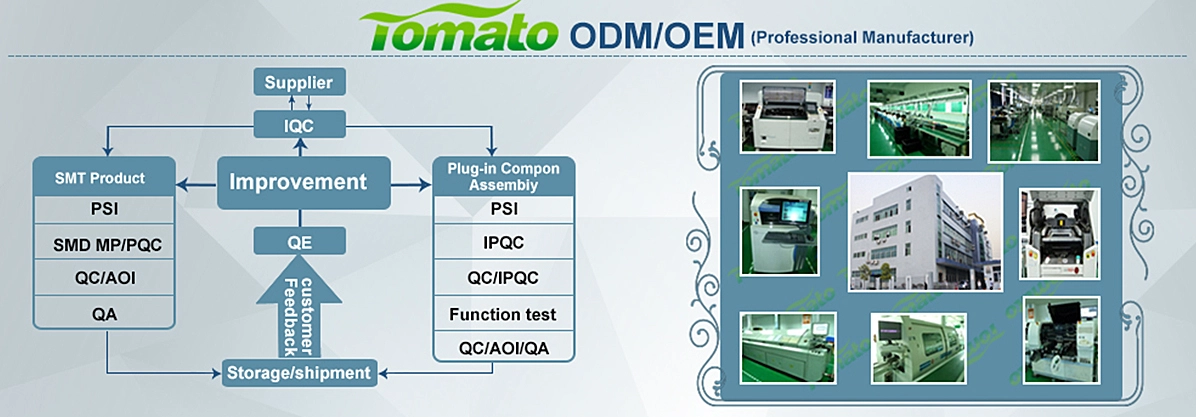
SZTomato (Shenzhen Tomato Technology Co., Ltd.) has been developing smart multimedia hardware solutions since 2011.
Rather than focusing exclusively on standard retail configurations, SZTomato provides OEM/ODM engineering services for brands, IPTV operators, distributors, telecom companies, and system integrators.
Its customization capabilities cover the complete product development process:
-
PCBA hardware modification: Hardware architecture adjustments, interface configuration, and board-level customization.
-
Firmware engineering: Customized Android/Linux firmware, boot sequences, system applications, and OTA update solutions.
-
SDK/API integration: Integration with IPTV middleware, proprietary applications, cloud platforms, and third-party software.
-
Custom UI/UX development: Branded launchers, customized navigation, and application-level user experiences.
-
Industrial thermal solutions: Specialized cooling configurations and enclosure optimization for demanding operating environments.
-
OEM/ODM manufacturing: Engineering samples, product customization, quality control, and volume production.
With hardware, PCBA, firmware, SDK, and UI/UX engineering capabilities, SZTomato helps customers develop Smart TV Box products aligned with their commercial requirements.
Planning a Customized Smart TV Box OEM Project?
Whether you are developing an IPTV set-top box, a branded Android streaming device, or a customized multimedia terminal, the first step is to establish the right hardware and software architecture.
Contact SZTomato with your target application, preferred SoC platform, operating system, interface requirements, and estimated order quantity.
Our engineering team can evaluate your requirements and discuss a suitable OEM/ODM development solution, from initial hardware configuration and firmware customization to production preparation.
Visit https://www.sztomato.com to discuss your Smart TV Box OEM/ODM project.
Editorial recommendation: This article should be published under the Smart TV Box category and internally linked to SZTomato's Android TV Box OEM/ODM manufacturing capabilities, firmware customization services, and relevant product pages. This creates a stronger relationship between informational search intent and commercial conversion intent.
