
Do I need a Set-Top Box (STB) for IPTV?
1. Does IPTV Require a Dedicated Set-Top Box?
The adoption of AV1 decoding, hardware-assisted HEVC playback, and newer Android and Linux platforms has changed how IPTV operators approach endpoint hardware. An IPTV service can run through an application without a dedicated receiver, provided the target device supports the required streaming protocols, codecs, DRM, and application environment.
The distinction is between accessing IPTV content and building a controlled IPTV deployment.
An IPTV service distributes television content over IP networks rather than relying exclusively on traditional terrestrial, satellite, or cable broadcast infrastructure. The receiving device must establish a network connection, communicate with the IPTV application or middleware, decode the video stream, and output audio and video to a display.
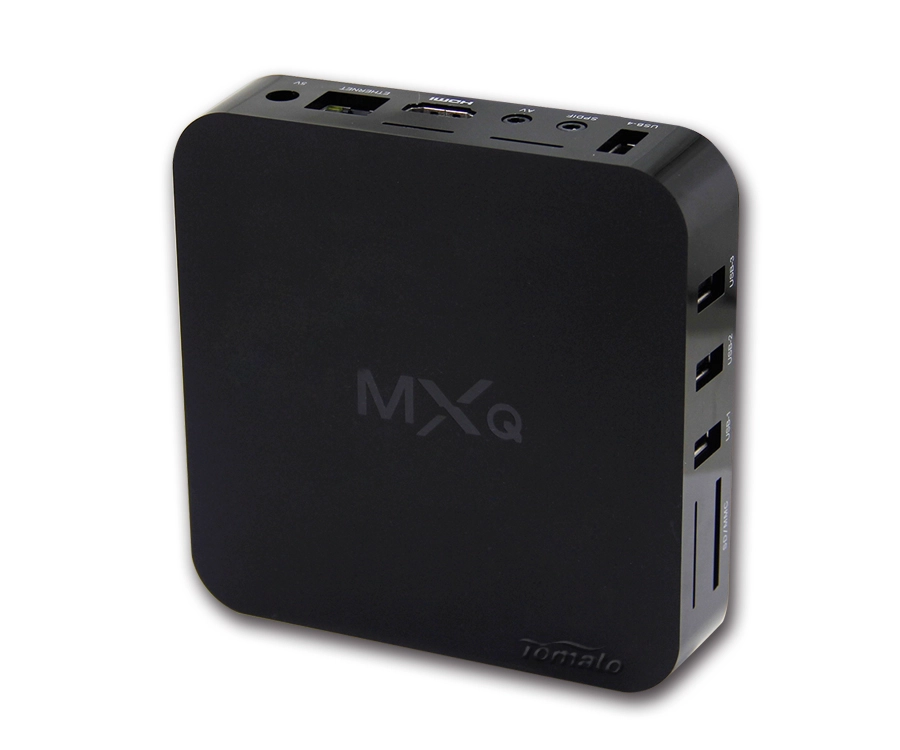
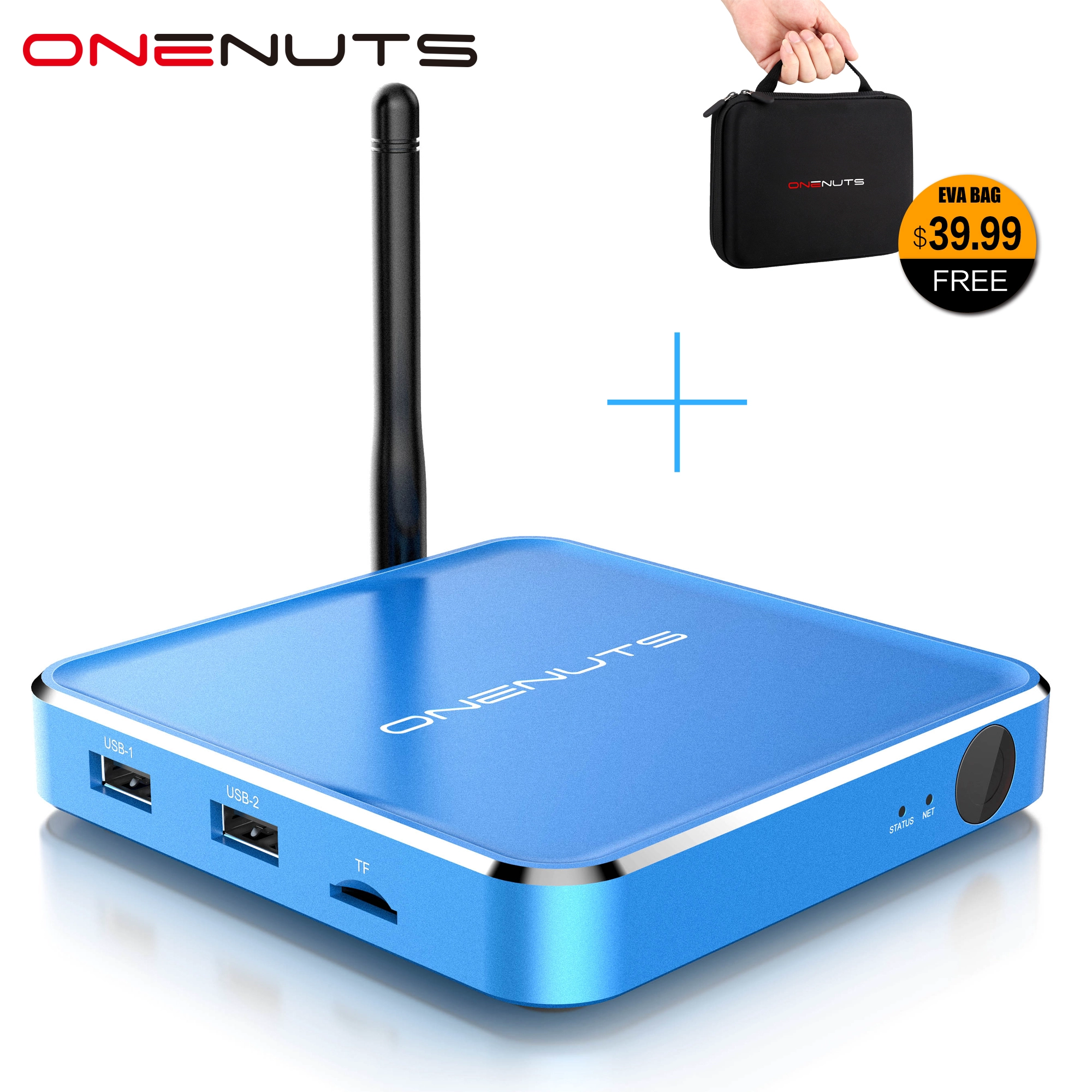
A dedicated Set-Top Box (STB) performs these functions through an integrated hardware and software platform.
When You Can Use IPTV Without an STB
A separate IPTV receiver may not be necessary in the following situations:
-
Smart TVs: The television has a compatible IPTV application and sufficient processing capability.
-
Android TV devices: An IPTV application can run directly on a compatible Android-based platform.
-
Smartphones and tablets: Mobile IPTV applications provide access through Wi-Fi or cellular networks.
-
PCs and laptops: Software players can receive and decode supported IPTV streams.
-
Existing streaming hardware: A compatible streaming player can function as an IPTV endpoint without requiring another device.
These options reduce additional hardware requirements. However, compatibility should never be assumed simply because a device supports internet streaming.
A consumer streaming device may lack the required DRM certification, conditional access integration, Ethernet interface, remote management capability, or customized firmware environment.
When a Dedicated IPTV Set-Top Box Is Necessary
For telecom operators, hospitality providers, IPTV service providers, and commercial system integrators, dedicated STB hardware offers several practical advantages.
|
Deployment requirement |
Why a dedicated STB helps |
|---|---|
|
Large-scale deployment |
Standardized hardware and firmware |
|
IPTV middleware |
Controlled SDK/API integration |
|
4K video playback |
Dedicated hardware decoding |
|
Content protection |
Compatible DRM and HDCP implementation |
|
Remote maintenance |
OTA updates and centralized management |
|
Commercial operation |
Customized interfaces and system restrictions |
|
Long-term supply |
Controlled hardware specifications and production planning |
For a household watching occasional IPTV streams, an existing Smart TV may be sufficient. For an operator deploying hundreds or thousands of terminals, a dedicated IPTV Set-Top Box provides a more predictable hardware environment.
The decision should be based on deployment requirements rather than the number of streaming applications a device supports.
2. How to Choose the Right IPTV Set-Top Box Hardware
An IPTV Set-Top Box is not simply a small computer connected to a television. Its SoC, memory configuration, network interfaces, decoding capabilities, and firmware architecture directly affect service reliability.
Choosing hardware based only on processor frequency or advertised 4K support can create problems after deployment.
SoC and Video Decoding Capability
The System-on-Chip (SoC) determines the processing resources available for video decoding, application execution, graphics rendering, and peripheral management.
For IPTV projects, procurement teams should evaluate:
-
AV1 and HEVC decoding: Important for modern streaming platforms and bandwidth-efficient video delivery.
-
H.264 decoding: Still relevant for existing IPTV infrastructure.
-
4K output: Verify the supported resolution, frame rate, and HDMI implementation.
-
HDR compatibility: Confirm the required HDR formats and display output chain.
-
CPU and GPU resources: Ensure sufficient performance for middleware, user interfaces, and background services.
-
Memory bandwidth: Consider its effect on high-resolution playback and multitasking.
A SoC that supports 4K decoding does not automatically guarantee stable 4K IPTV playback. The complete system must support the selected codec, streaming protocol, application, memory configuration, and output requirements.
For example, an operator deploying an AV1-based IPTV platform should verify hardware AV1 decoding at the intended resolution and frame rate. Software decoding on an underpowered CPU may result in dropped frames, excessive heat, or unstable playback.
Network Connectivity and PCBA Design
Network performance is another critical selection factor.
A dedicated IPTV STB should be evaluated against the actual network environment:
-
Gigabit Ethernet or 100 Mbps Ethernet, depending on bandwidth requirements.
-
Dual-band Wi-Fi for wireless deployments.
-
Stable network drivers and firmware.
-
USB connectivity for peripherals and service accessories.
-
Reliable power regulation under continuous operation.
PCBA layout also matters. Poor component placement, inadequate power filtering, and insufficient thermal separation can introduce instability that is difficult to diagnose through software testing alone.
For large deployments, the hardware should be validated under sustained streaming conditions rather than evaluated only through short-duration laboratory demonstrations.
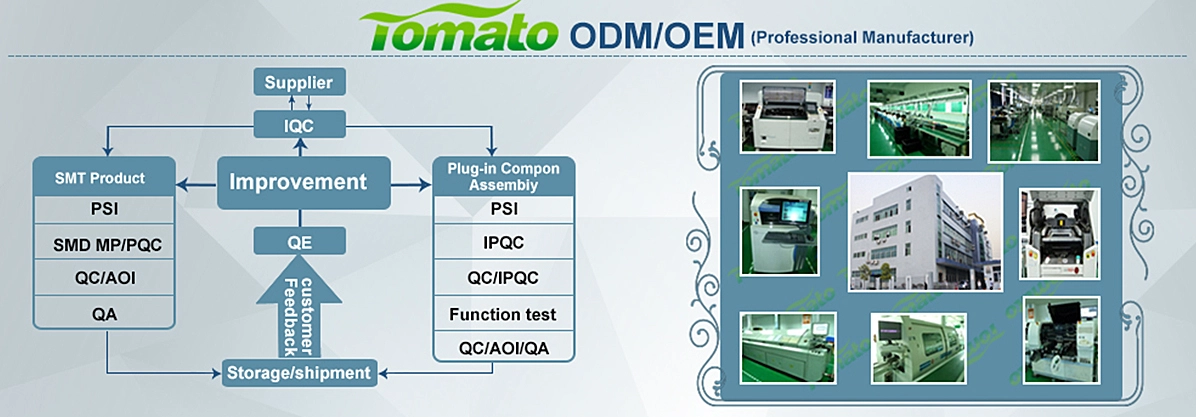
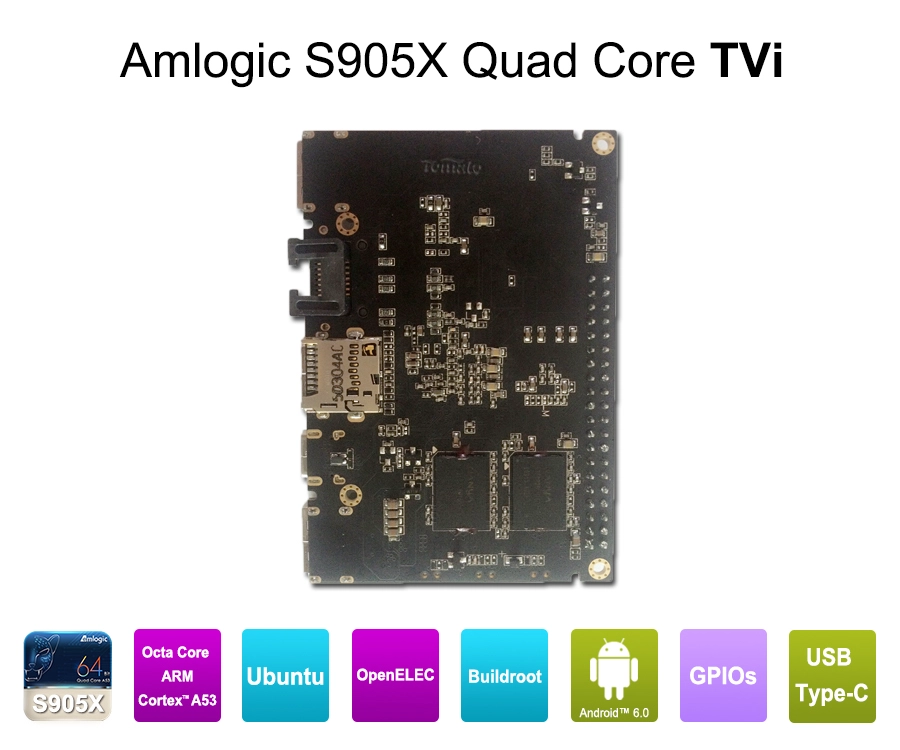
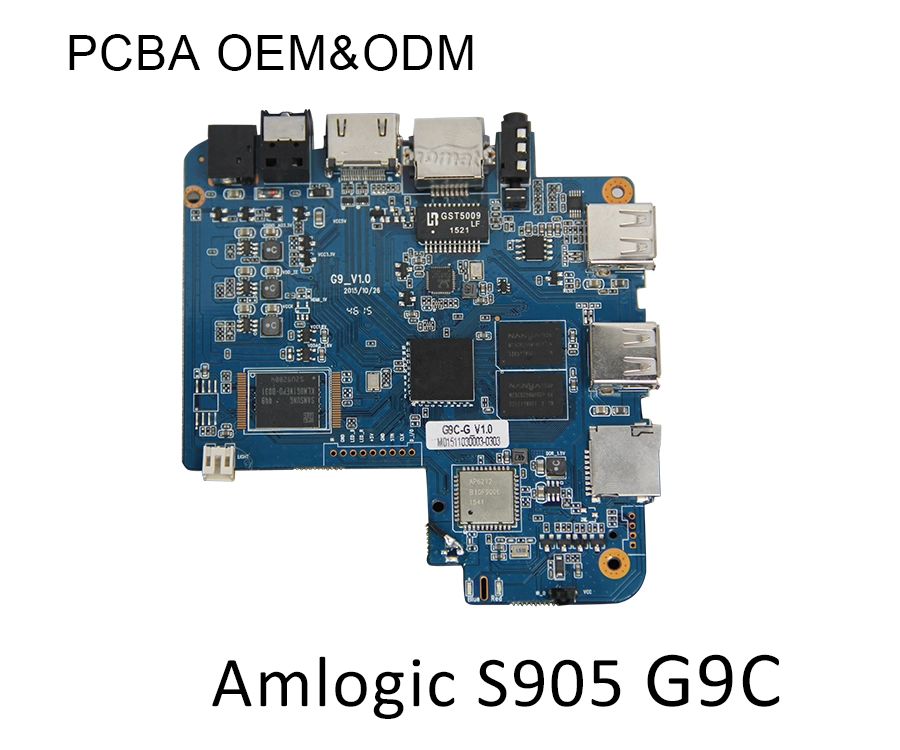
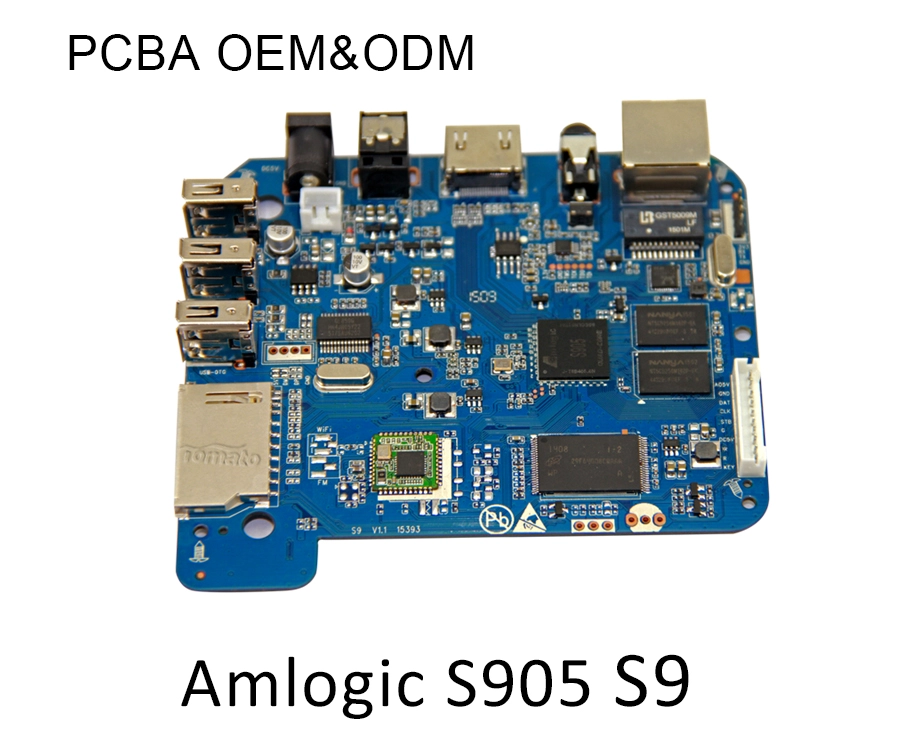
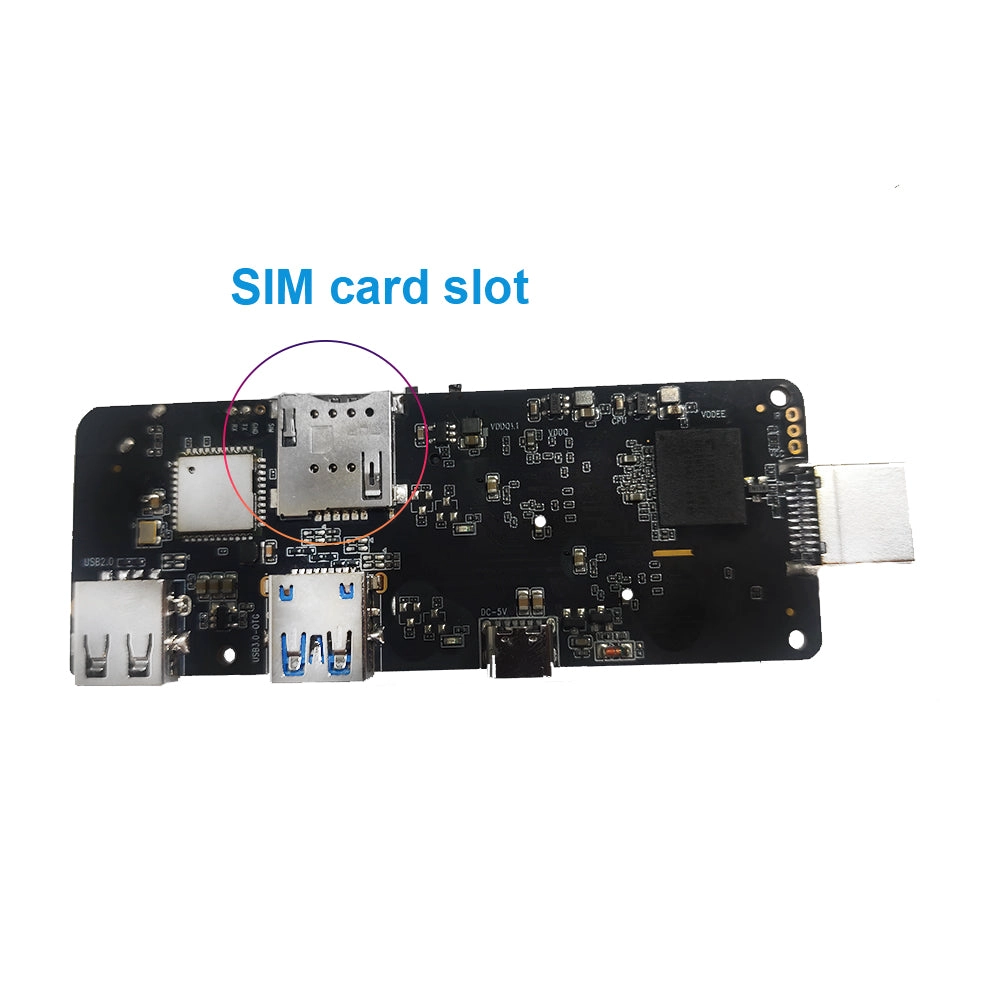
SZTomato supports OEM/ODM IPTV Set-Top Box development with PCBA hardware modification, interface configuration, component selection, and specialized cooling solutions for industrial applications.
This approach allows operators to specify hardware around their middleware, network infrastructure, installation environment, and lifecycle requirements.
3. Android vs. Linux IPTV STB: Which Platform Is Better?
The operating system is one of the most important decisions in IPTV hardware development. Android and Linux can both support IPTV applications, but they serve different deployment models.
The right choice depends on middleware compatibility, application requirements, security architecture, device management, and the operator's long-term maintenance strategy.
Android IPTV Set-Top Box
Android-based IPTV devices are suitable for operators that require application flexibility, graphical interfaces, and integration with third-party software.
Key advantages include:
-
Flexible application development and deployment.
-
SDK/API integration with IPTV middleware.
-
Custom launcher and user interface development.
-
Support for Android-based device management.
-
Integration with selected streaming applications and services.
-
OTA firmware updates and system-level customization.
Android is particularly useful when an IPTV operator needs a branded interface rather than a generic application launcher.
However, Android compatibility does not automatically mean Google certification, Google Play availability, or access to every commercial streaming service. Certification, DRM provisioning, and application licensing must be evaluated separately.
Linux IPTV Set-Top Box
Linux-based STBs are often appropriate for dedicated IPTV systems where resource efficiency, controlled software environments, and predictable system behavior take priority.
Typical advantages include:
-
Smaller software footprint.
-
Greater control over system services.
-
Custom kernel and driver development.
-
Direct integration with selected middleware platforms.
-
Reduced unnecessary background processes.
-
Greater flexibility for specialized embedded applications.
Linux is particularly attractive for operators using established IPTV middleware or developing purpose-built television terminals.
However, Linux development requires suitable BSP support, hardware drivers, application compatibility, and long-term maintenance resources.
Android vs. Linux: Technical Comparison
|
Evaluation criteria |
Android IPTV STB |
Linux IPTV STB |
|---|---|---|
|
Application ecosystem |
Broad |
Project-dependent |
|
Custom launcher/UI |
Flexible |
Fully customizable |
|
Middleware integration |
SDK/API integration |
Native or custom integration |
|
Kernel customization |
Platform-dependent |
Extensive control |
|
OTA updates |
Supported |
Supported through custom systems |
|
Resource requirements |
Generally higher |
Can be lower |
|
Commercial application compatibility |
Depends on certification and DRM |
Depends on application support |
|
Best application |
Branded IPTV and OTT terminals |
Dedicated embedded IPTV systems |
Which should an IPTV operator choose?
For operators requiring a branded multimedia platform with application flexibility, Android is often the more practical choice.
For dedicated IPTV terminals with tightly controlled software and middleware environments, Linux can provide a more efficient architecture.
The important point is that the operating system should be selected before finalizing the hardware design. Changing the platform late in development can affect the BSP, kernel drivers, memory allocation, application compatibility, and certification schedule.
Firmware Customization Is More Important Than the Operating System Label
A standard Android or Linux image rarely addresses every operator requirement.
A professional IPTV deployment may require:
-
Customized boot animation and launcher.
-
Pre-installed IPTV middleware and service applications.
-
Remote-control key mapping.
-
Restricted system settings and application permissions.
-
Ethernet and Wi-Fi configuration policies.
-
Automatic startup of the IPTV application.
-
OTA firmware update management.
-
Remote diagnostics and recovery mechanisms.
SZTomato supports custom UI/UX firmware development, Linux/Android system integration, and SDK/API customization for IPTV projects.
The objective is to deliver a terminal that behaves as part of the operator's service infrastructure rather than an independently configured consumer device.
4. IPTV Deployment: DRM, Middleware, OTA and Thermal Reliability
A Set-Top Box can have a capable SoC and sufficient memory yet still fail in a commercial IPTV deployment.
The reasons are often found outside the headline hardware specifications: content protection, middleware compatibility, firmware stability, and thermal management.
These areas deserve attention before production approval.
DRM and HDCP: Protecting Commercial Content
IPTV operators distributing licensed content must consider the complete content-protection chain.
Two technologies are particularly relevant:
Digital Rights Management (DRM)
DRM controls how protected digital content is accessed and played. Depending on the service, the platform may require Widevine or another approved DRM system.
The device must meet the service provider's security and certification requirements. Merely installing an IPTV application does not guarantee access to protected premium content.
High-bandwidth Digital Content Protection (HDCP)
HDCP protects digital audio and video content transmitted through supported interfaces such as HDMI.
For an IPTV STB, the HDMI output implementation, HDCP version, SoC support, firmware configuration, and display compatibility should be checked together.
A mismatch can cause playback restrictions, black screens, or reduced output capability.
For procurement managers, DRM and HDCP should be included in the project acceptance checklist rather than treated as optional specifications.
Middleware and SDK/API Integration
IPTV middleware connects the user-facing application with the operator's service infrastructure.
Depending on the architecture, the middleware may handle:
-
Live TV channel management.
-
Electronic Program Guide (EPG).
-
Video on Demand (VoD).
-
User authentication.
-
Subscription and entitlement management.
-
Playback session control.
-
Remote device management.
-
Application and firmware deployment.
The STB must communicate with this infrastructure reliably.
This is where SDK/API integration becomes important.
An IPTV operator may already have a middleware platform, proprietary backend, or established subscriber management system. Replacing that infrastructure simply because a hardware supplier offers a standard firmware image is rarely an efficient approach.
Instead, the hardware platform should be adapted to the existing software environment.
SZTomato supports project-specific SDK/API integration and firmware customization to help align the IPTV terminal with the operator's application and backend requirements.
OTA Updates and Long-Term Firmware Maintenance
Firmware maintenance is a major consideration when deploying IPTV devices at scale.
Manually updating every device is expensive and operationally inefficient.
A properly designed OTA (Over-the-Air) update system can support:
-
Remote firmware deployment.
-
Version control.
-
Scheduled updates.
-
Device-group management.
-
Update status monitoring.
-
Recovery procedures following failed updates.
-
Security patch distribution.
For commercial deployments, firmware updates should include package verification, compatibility testing, controlled rollout, and recovery planning.
A staged deployment is generally preferable to pushing a new firmware version to every active terminal simultaneously.
For example, an operator can validate a firmware release on a limited device group before expanding deployment to the wider installed base.
This reduces the risk of widespread service interruption caused by application incompatibility, driver changes, or kernel-level issues.
Thermal Design for Continuous IPTV Operation
Thermal performance is often underestimated during the procurement stage.
An IPTV STB installed in a ventilated living room operates under different conditions from a device installed behind a commercial display, inside a restricted cabinet, or in a hospitality equipment enclosure.
Sustained operation can expose weaknesses in:
-
SoC heat dissipation.
-
Power-management circuits.
-
PCB component placement.
-
Ventilation paths.
-
Enclosure material and geometry.
-
Ambient-temperature tolerance.
Excessive temperature can lead to CPU/GPU throttling, reduced decoding performance, system instability, and shortened component lifespan.
SZTomato can incorporate specialized cooling solutions and PCBA modifications for industrial and commercial IPTV applications.
Depending on the project, engineering adjustments may include improved thermal paths, optimized component placement, heat-spreading structures, and enclosure modifications.
The objective is not simply to reduce the temperature during a short benchmark. It is to maintain stable performance under the actual operating conditions expected throughout the device lifecycle.
5. How to Select an IPTV STB Manufacturer for OEM/ODM Projects
For IPTV operators and distributors, selecting an STB manufacturer involves more than comparing unit prices and processor specifications.
The supplier must be capable of translating service requirements into a production-ready hardware and software platform.
A reference design may be suitable for a basic consumer product, but commercial IPTV projects frequently require modifications to the PCBA, interfaces, firmware, enclosure, and system architecture.
Five Areas to Evaluate Before Selecting a Supplier
1. Hardware engineering capability
Check whether the manufacturer can modify the PCBA instead of simply assembling an existing reference design.
Important considerations include SoC selection, RAM and eMMC configurations, Ethernet interfaces, Wi-Fi modules, USB ports, HDMI implementation, and power management.
2. Firmware development capability
Ask whether the supplier can provide custom Android or Linux firmware, kernel optimization, BSP integration, boot configuration, and OTA update support.
A manufacturer that only installs standard firmware may struggle with proprietary IPTV middleware.
3. SDK/API integration
Confirm whether the engineering team can integrate your existing IPTV application, middleware, remote management platform, and backend services.
Request an integration plan before approving mass production.
4. Production quality and long-term supply
Evaluate component sourcing, PCBA inspection, functional testing, thermal validation, firmware version control, and production consistency.
For telecom operators and large distributors, long-term component availability and engineering support are equally important.
5. Customization and technical support
A reliable OEM/ODM partner should support product development beyond the initial shipment.
This includes hardware revisions, firmware maintenance, software compatibility adjustments, and technical troubleshooting throughout the product lifecycle.
Why Work with SZTomato?
SZTomato — Android TV Box and IPTV Set-Top Box OEM/ODM Manufacturer Since 2011
SZTomato provides integrated hardware and software customization for international B2B customers.
Its engineering and manufacturing capabilities cover:
-
PCBA hardware modification: Customized circuit design, component selection, interface configuration, and hardware optimization.
-
Android/Linux firmware engineering: Customized system images, kernel-level optimization, boot configuration, and system integration.
-
SDK/API integration: Integration with IPTV middleware, proprietary applications, and customer backend platforms.
-
Custom UI/UX development: Branded launchers, customized navigation, remote-control interaction, and application interfaces.
-
Industrial thermal solutions: Specialized cooling designs for continuous-operation and restricted-installation environments.
-
OEM/ODM manufacturing: Hardware customization, product branding, production testing, and ongoing technical support.
Rather than forcing every project into an existing reference design, SZTomato can evaluate the customer's application requirements and develop an appropriate hardware and firmware configuration.
For IPTV operators, this provides greater control over device compatibility, service integration, and product differentiation.
Conclusion: Do You Really Need a Set-Top Box for IPTV?
You do not necessarily need a dedicated Set-Top Box to watch IPTV. A compatible Smart TV, Android device, smartphone, or computer may already provide everything required for basic streaming.
However, the situation changes when IPTV becomes a commercial service.
Telecom operators, hospitality providers, IPTV distributors, and system integrators need more than a device that can open an IPTV application. They need predictable decoding performance, middleware compatibility, content protection, centralized firmware management, reliable networking, and long-term hardware support.
A dedicated IPTV Set-Top Box provides a controlled platform for meeting these requirements.
For B2B buyers, the most important decision is not simply whether to purchase an Android or Linux STB. It is whether the hardware manufacturer can customize the complete platform around the intended IPTV deployment.
Planning an IPTV Set-Top Box OEM/ODM project?
SZTomato works with IPTV operators, telecom companies, brand owners, distributors, and system integrators to develop customized Android and Linux IPTV hardware.
Share your target SoC, operating system, middleware requirements, video decoding specifications, connectivity requirements, and estimated order volume.
Our team can help evaluate the hardware architecture, PCBA configuration, firmware development, SDK/API integration, and production requirements for your project.
Visit SZTomato to discuss your IPTV Set-Top Box OEM/ODM requirements.
