
Internet TV Box OEM/ODM Full Guide
1. Internet TV Box Technology: Understanding the Hardware Architecture Before Manufacturing
The transition from H.265/HEVC to AV1 video delivery, combined with higher-resolution streaming and increasingly demanding application environments, is changing the hardware requirements of Internet TV Boxes.
A device that performs adequately for basic 1080p streaming may not meet the requirements of a commercial 4K platform, branded OTT service, or multi-application multimedia terminal.
For OEM/ODM buyers, the first decision should be the intended application and performance target. The SoC, memory, storage, networking, and PCB architecture should follow those requirements.
What Is an Internet TV Box?
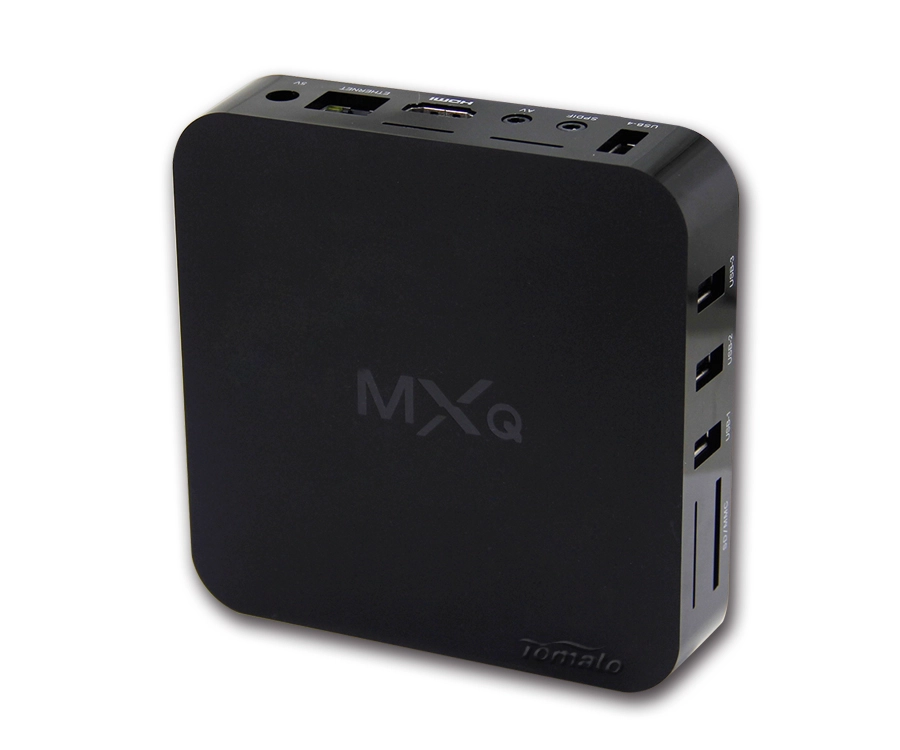
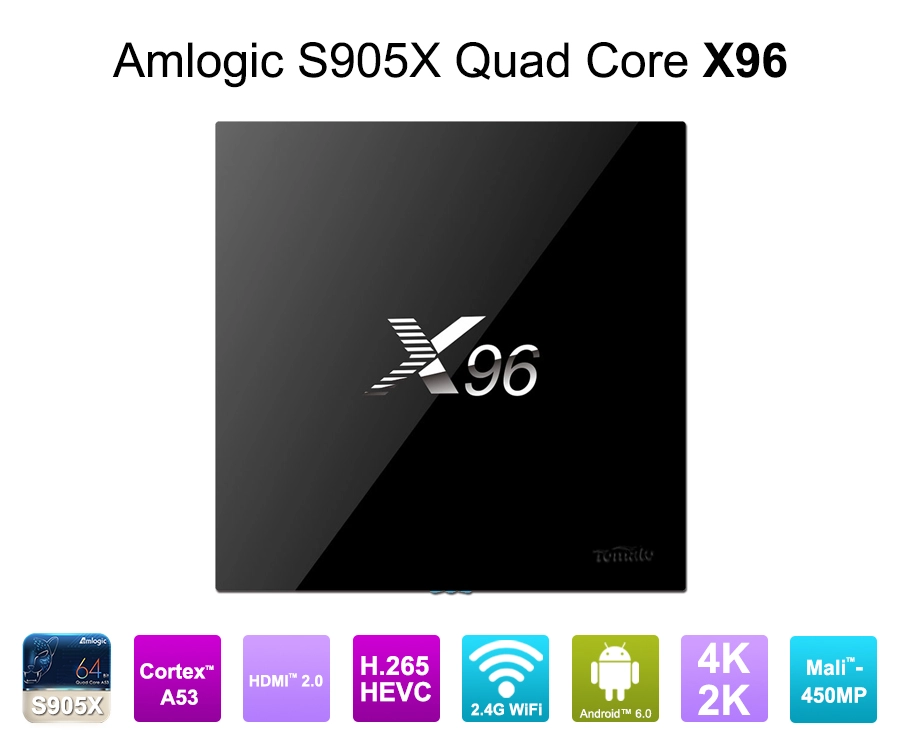
An Internet TV Box is a multimedia hardware device that connects a television or commercial display to internet-based entertainment and information services.
It typically integrates:
-
An ARM-based System-on-Chip (SoC).
-
RAM and eMMC or other onboard storage.
-
HDMI video and audio output.
-
Ethernet and Wi-Fi connectivity.
-
USB interfaces and optional peripheral connections.
-
Android or Linux operating systems.
-
Streaming applications, media players, and customized firmware.
Unlike a conventional television receiver that primarily depends on broadcast signals, an Internet TV Box retrieves content through IP networks.
Depending on its software and hardware configuration, it can support OTT streaming, IPTV applications, local media playback, digital content distribution, and customized multimedia services.
For B2B projects, the distinction between an ordinary consumer device and a commercial Internet TV Box lies in system integration, software control, deployment requirements, and product lifecycle management.
Selecting the Right SoC for an Internet TV Box
The processor determines much of the device's multimedia capability.
However, choosing a chipset based solely on CPU frequency is a common procurement mistake. Video decoding engines, GPU performance, memory bandwidth, peripheral interfaces, and software support are equally important.
The following table provides a practical framework for chipset evaluation.
|
SoC platform |
Typical positioning |
Key evaluation points |
|---|---|---|
|
Amlogic S905X series |
Mainstream streaming |
4K decoding, Android compatibility, power efficiency |
|
Amlogic S928X series |
Advanced multimedia |
8K video processing, interfaces, memory bandwidth |
|
Rockchip RK3566 |
Entry-level commercial multimedia |
Linux/Android support, industrial interfaces |
|
Rockchip RK3588 |
High-performance multimedia and AI |
Octa-core CPU, 8K processing, NPU capability |
|
Allwinner H626 |
Cost-sensitive 4K streaming |
Cortex-A55 architecture, Android compatibility |
|
Rockchip RK3528 |
Cost-effective multimedia |
Linux support, application requirements, decoding capability |
These platforms are not direct substitutes. The correct selection depends on the specific chip revision, available BSP, software support, memory configuration, and actual project requirements.
For example, an IPTV operator distributing standard 4K content may not need an advanced AI processor. An application involving multi-screen processing, computer vision, or edge computing may justify a higher-performance platform.
Video Decoding: H.264, HEVC and AV1
Video codec support should be specified before hardware procurement.
-
H.264/AVC: Widely deployed across existing streaming infrastructure.
-
H.265/HEVC: Supports efficient 4K video delivery at lower bitrates than older codecs under comparable conditions.
-
AV1: Offers improved compression efficiency and is increasingly relevant to modern streaming platforms.
-
VP9: Remains relevant to selected online video ecosystems.
Buyers should verify hardware decoding support rather than relying on generic operating-system compatibility.
A chipset advertised as supporting 4K playback does not necessarily support every codec at every frame rate, bit depth, or HDR format.
For an OEM project, the specification should clearly identify:
-
Supported codec profiles and levels.
-
Maximum decoding resolution and frame rate.
-
HDR format requirements.
-
HDMI output resolution and refresh rate.
-
Audio passthrough requirements.
-
DRM and content-protection requirements.
SZTomato can help evaluate SoC configurations and develop Internet TV Box hardware around the intended streaming applications and commercial deployment environment.
2. Internet TV Box OEM/ODM Customization: From PCBA Design to Product Differentiation
A standard reference design can reduce initial engineering costs, but it does not necessarily meet the requirements of a branded multimedia product.
OEM and ODM manufacturing offer different levels of control over the final device.
OEM vs. ODM: Which Manufacturing Model Should You Choose?
OEM (Original Equipment Manufacturing)
OEM is suitable for companies that already have a defined product specification or hardware design and need a manufacturing partner.
Typical requirements include:
-
Customer-defined hardware specifications.
-
Private-label branding.
-
Customized packaging.
-
Firmware installation.
-
Production testing and quality control.
-
Defined component and supplier requirements.
ODM (Original Design Manufacturing)
ODM is more suitable for buyers who need the manufacturer to participate in product engineering and development.
The manufacturer may provide:
-
SoC platform recommendations.
-
PCBA design and modification.
-
Hardware interface customization.
-
Enclosure and thermal design.
-
Android/Linux firmware development.
-
Customized UI/UX.
-
SDK/API integration.
For companies entering a new market, ODM can reduce the engineering burden of building an entire multimedia platform internally.
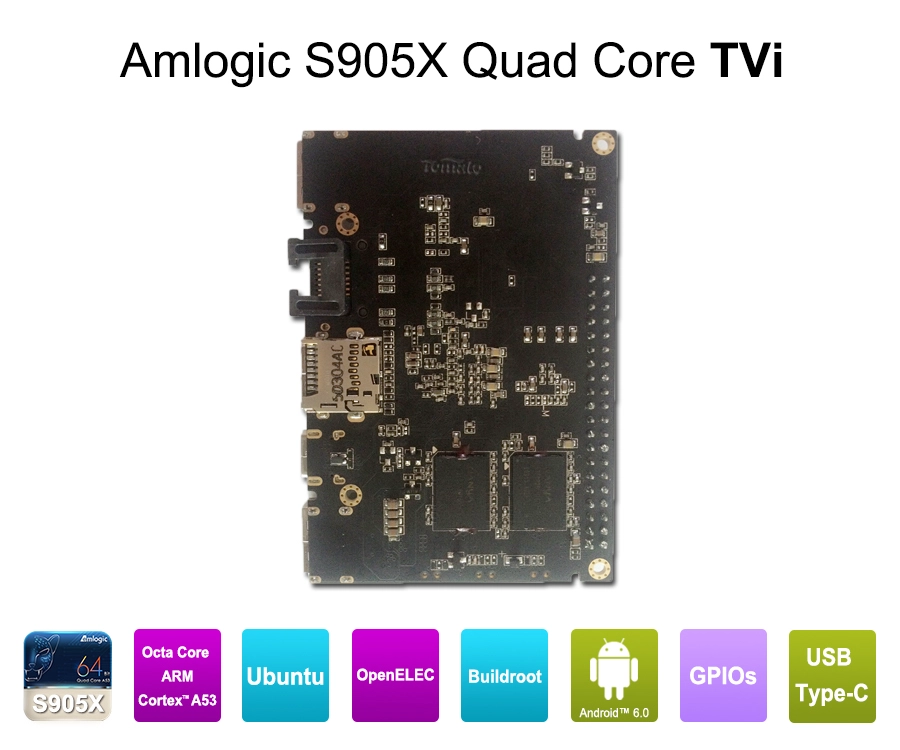
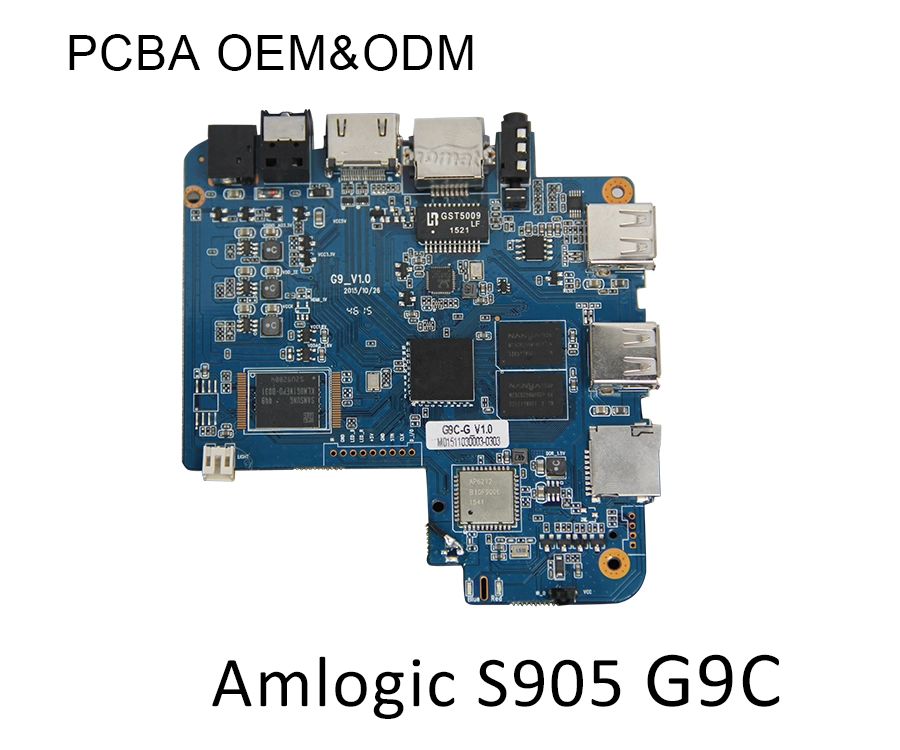
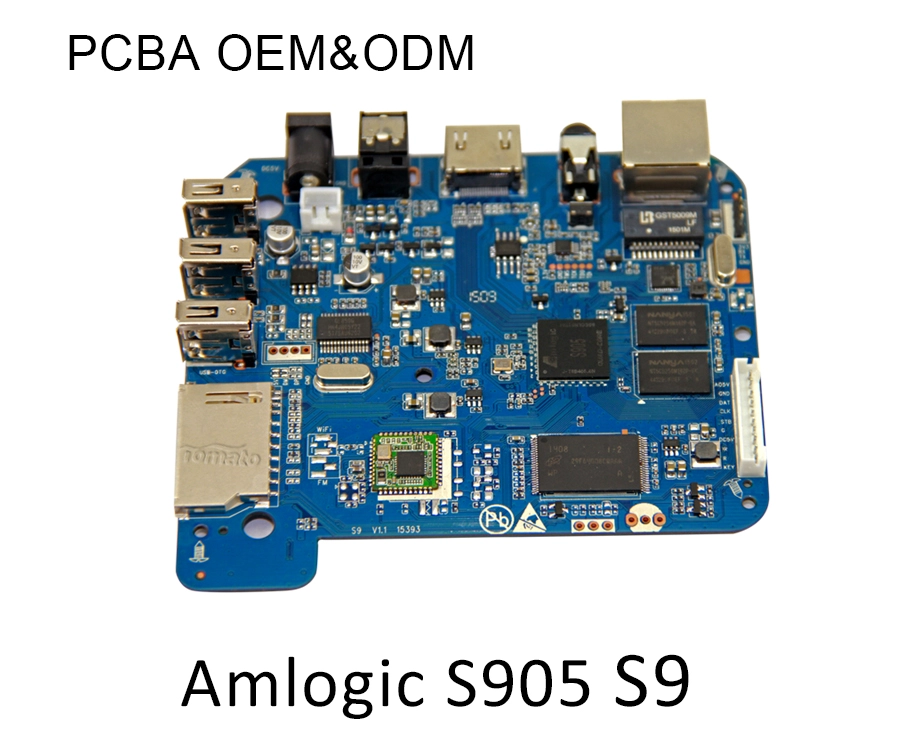
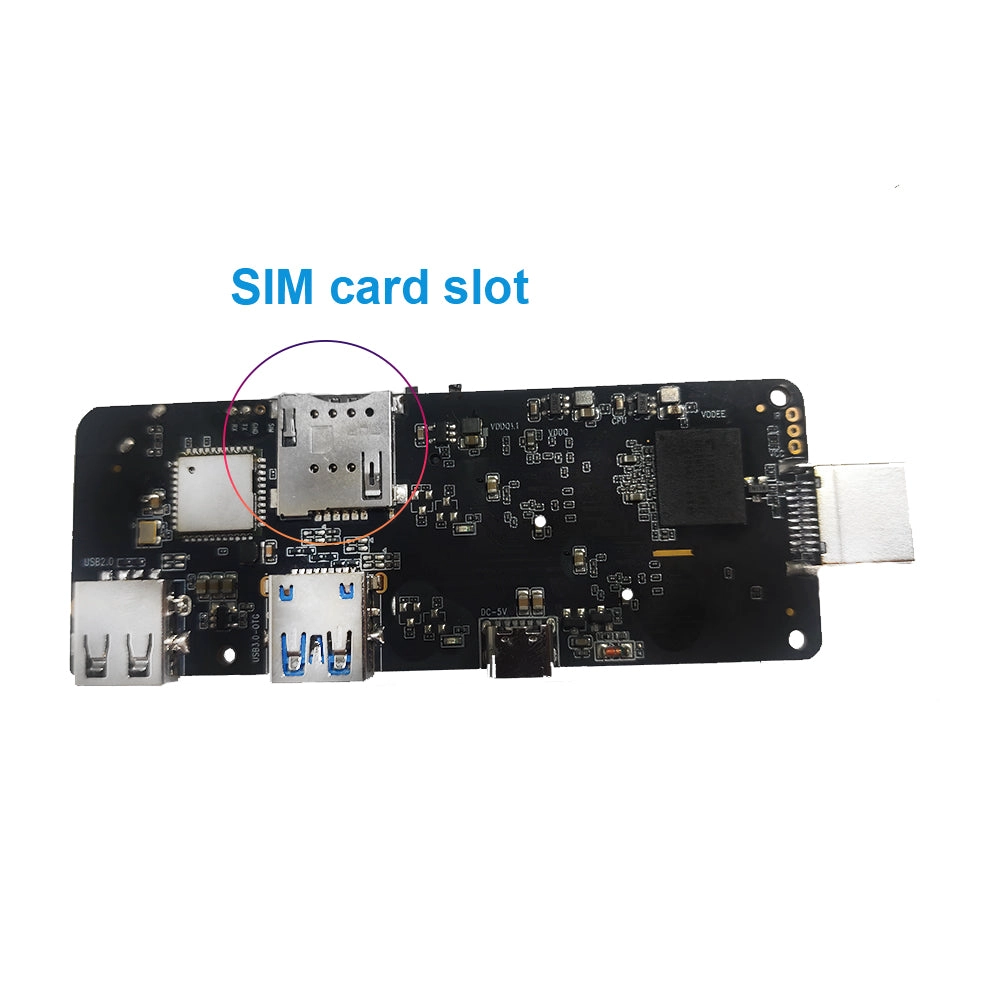
PCBA Hardware Modification: Why Reference Designs Are Not Always Enough
The PCBA is the foundation of an Internet TV Box.
A reference board may provide a functional starting point, but commercial requirements often demand modifications.
Examples include:
|
Hardware area |
Possible customization |
|---|---|
|
SoC |
Processor platform selection |
|
RAM |
Memory capacity and package configuration |
|
eMMC |
Storage capacity and performance |
|
Ethernet |
100 Mbps or Gigabit Ethernet |
|
Wi-Fi |
Module selection and antenna layout |
|
USB |
Port quantity and interface configuration |
|
HDMI |
Output implementation and HDCP requirements |
|
Power supply |
Voltage regulation and protection |
|
PCB layout |
Signal integrity, component placement and thermal optimization |
A common engineering challenge is balancing interface requirements, PCB dimensions, power consumption, and production cost.
For example, adding additional USB interfaces can affect PCB routing, power distribution, enclosure design, and electromagnetic compatibility.
Similarly, selecting a higher-performance SoC may require a revised thermal solution and different power-management components.
SZTomato supports PCBA hardware modification to adapt Internet TV Box designs to customer-specific deployment requirements.
This is particularly relevant to IPTV operators, commercial multimedia integrators, and brands that need more than a standard retail configuration.
Industrial Design and Specialized Cooling
Thermal design should be addressed during hardware development rather than after the first production sample.
Internet TV Boxes used in commercial installations may operate continuously for extended periods.
Typical installation environments include:
-
Hospitality equipment cabinets.
-
Commercial display enclosures.
-
Retail information systems.
-
IPTV distribution environments.
-
Restricted-ventilation installation spaces.
High SoC temperatures can trigger thermal throttling and reduce sustained processing performance.
An effective thermal design considers:
-
SoC thermal dissipation.
-
PCB copper distribution.
-
Heat-spreading structures.
-
Component placement.
-
Airflow and enclosure geometry.
-
Ambient operating temperature.
SZTomato can develop specialized cooling solutions and hardware modifications for projects requiring continuous operation or restricted installation conditions.
The objective is stable performance under actual operating conditions, not simply a favorable temperature reading during a short laboratory test.
Branding Beyond the Exterior
Product differentiation should extend beyond the logo and packaging.
A professional Internet TV Box OEM/ODM project can include:
-
Customized boot animation.
-
Branded launcher and home screen.
-
Customized application icons.
-
Remote-control key mapping.
-
Pre-installed applications.
-
System language configuration.
-
Restricted settings and permissions.
-
Customized device identification.
These details create a consistent user experience across an entire product portfolio.
For distributors and brand owners, this is an important distinction between purchasing generic hardware and developing a recognizable multimedia product.
3. Android and Linux Firmware Customization: Building a Stable Internet TV Box Platform
Hardware determines what an Internet TV Box can do. Firmware determines how reliably the device performs those functions.
A powerful SoC with poorly optimized firmware can produce slow application startup, unstable Wi-Fi, HDMI compatibility problems, memory leaks, and inconsistent OTA updates.
For OEM/ODM projects, firmware engineering should be treated as a core part of product development.
Android Internet TV Box: Application Flexibility and Ecosystem Integration
Android is a practical platform for Internet TV Boxes that require a broad application environment and customized multimedia interfaces.
Its advantages include:
-
Application development flexibility.
-
Custom launcher development.
-
SDK integration.
-
System-level configuration.
-
Remote management integration.
-
OTA firmware update capabilities.
-
Support for selected streaming and IPTV applications.
However, Android version selection should be based on the SoC's BSP availability and the maturity of its kernel, drivers, and multimedia framework.
A newer Android version is not automatically better if the underlying hardware platform lacks stable driver support.
OEM buyers should verify:
-
Android version and BSP availability.
-
Kernel and device-driver compatibility.
-
Hardware video decoding.
-
Wi-Fi and Ethernet stability.
-
HDMI and HDCP implementation.
-
Application compatibility.
-
OTA update architecture.
For commercial products, long-term software maintenance is often more important than having the newest Android version on the initial production sample.
Linux Internet TV Box: Embedded System Control
Linux is suitable for dedicated multimedia applications where system control, resource efficiency, and customized software architecture are priorities.
Potential advantages include:
-
Custom kernel configuration.
-
Direct driver integration.
-
Controlled background services.
-
Customized boot processes.
-
Embedded application development.
-
Integration with proprietary multimedia software.
Linux can be particularly useful for specialized IPTV receivers, embedded streaming devices, and industrial multimedia terminals.
However, Linux development requires appropriate BSP support, driver availability, middleware compatibility, and an engineering team capable of maintaining the platform.
SDK/API Integration with Existing Software Platforms
Many B2B buyers already operate an application ecosystem or backend service.
A hardware supplier should not assume that the customer will replace this infrastructure with a standard application.
Instead, the Internet TV Box should be designed to integrate with the customer's existing system.
Common integration requirements include:
-
IPTV middleware.
-
OTT applications.
-
Device authentication.
-
Content management systems.
-
Remote device management.
-
Application deployment.
-
User account management.
-
Playback and streaming control.
SZTomato supports SDK/API integration and firmware customization to align the device with customer-specific software requirements.
This allows the hardware platform to become part of an established service ecosystem.
OTA Update Systems and Firmware Lifecycle Management
OTA is essential for managing devices after they have entered the market.
A commercial Internet TV Box may remain deployed for several years. During this period, the operator may need to update applications, resolve compatibility issues, apply security patches, or improve system performance.
A reliable OTA architecture should include:
|
OTA function |
Engineering purpose |
|---|---|
|
Firmware version control |
Track deployed software releases |
|
Package verification |
Validate update integrity |
|
Remote deployment |
Reduce manual maintenance |
|
Staged rollout |
Limit the impact of faulty releases |
|
Update status reporting |
Monitor deployment progress |
|
Recovery mechanism |
Restore operation after failed updates |
|
Security maintenance |
Distribute approved patches |
For large-scale projects, updates should be tested on representative hardware configurations before mass deployment.
Kernel changes, Wi-Fi driver modifications, bootloader updates, and multimedia framework adjustments should undergo regression testing.
SZTomato can support customized firmware development and OTA-related integration according to project requirements.
4. Internet TV Box Manufacturing: Quality Control, Certification and Long-Term Supply
A successful Internet TV Box project is not complete when the engineering sample works.
The final product must maintain consistent performance across production batches and operate reliably in the customer's target market.
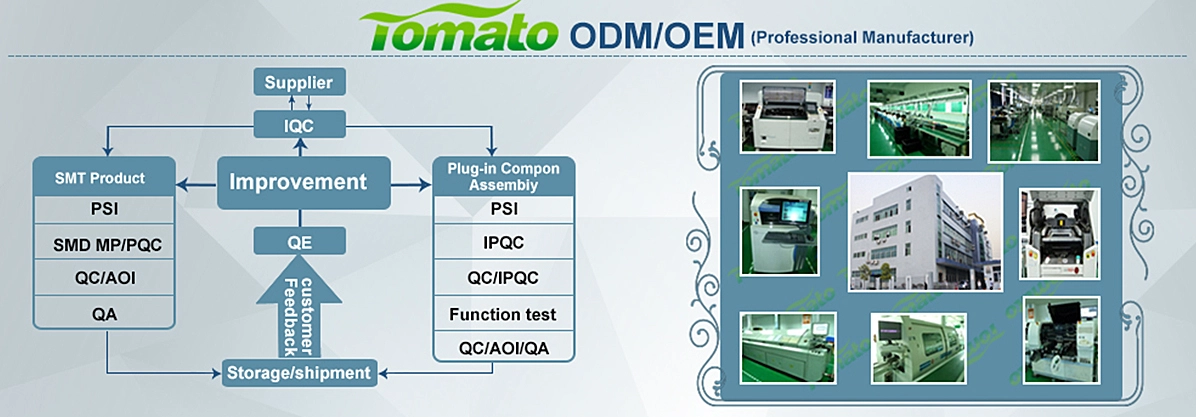
This requires a structured manufacturing and validation process.
Hardware and Software Quality Control
Quality control should cover the complete device rather than only the PCBA.
A practical validation process includes:
PCBA inspection
-
Component placement verification.
-
Soldering inspection.
-
Power circuit testing.
-
Interface electrical testing.
-
PCB revision control.
Functional testing
-
Boot and restart testing.
-
HDMI output verification.
-
Ethernet and Wi-Fi connectivity.
-
USB peripheral compatibility.
-
Remote-control operation.
-
Audio output verification.
Multimedia testing
-
H.264, H.265 and AV1 decoding where applicable.
-
Resolution and frame-rate verification.
-
Audio passthrough.
-
HDR compatibility.
-
Extended streaming tests.
Firmware testing
-
System stability.
-
Application compatibility.
-
OTA update verification.
-
Factory reset and recovery.
-
Memory and CPU resource utilization.
Thermal testing
-
Continuous video playback.
-
High-load CPU/GPU operation.
-
Temperature monitoring.
-
Thermal throttling assessment.
-
Enclosure heat dissipation.
These tests help identify issues before mass production.
HDCP, DRM and Market Compliance
Content protection is a critical consideration for commercial streaming devices.
HDCP protects digital audio and video signals transmitted through compatible interfaces such as HDMI.
DRM systems control access to protected content.
However, these technologies serve different purposes and should not be treated as interchangeable.
For an Internet TV Box intended for premium streaming services, buyers should verify:
-
SoC DRM capabilities.
-
Required DRM provisioning and certification.
-
HDMI HDCP implementation.
-
Secure video playback requirements.
-
Application and service authorization.
-
Target-market certification requirements.
A hardware specification claiming HDCP support does not automatically establish certification for every streaming platform.
Similarly, Android installation does not automatically provide Google certification or access to licensed applications.
B2B buyers should define these requirements before the engineering stage to avoid expensive redesigns.
From Prototype to Mass Production
A well-managed OEM/ODM project generally follows several development stages.
Internet TV Box OEM/ODM Development Workflow
-
Requirements and project evaluation
Define target markets, applications, SoC requirements, operating system, interfaces, and estimated production volume.
-
Hardware architecture and PCBA development
Confirm the chipset, memory, storage, connectivity, PCB layout, power architecture, and cooling design.
-
Prototype development
Produce engineering samples and verify hardware functionality.
-
Firmware and software integration
Develop the customized Android/Linux image, UI/UX, SDK/API integration, and OTA functions.
-
Engineering validation
Complete functional, multimedia, compatibility, thermal, and stability testing.
-
Pilot production and mass manufacturing
Validate production consistency, assembly processes, and quality-control procedures before scaling.
-
Post-production technical support
Maintain firmware versions, troubleshoot issues, and support future hardware or software revisions.
Why Choose SZTomato for Internet TV Box OEM/ODM Manufacturing?
SZTomato (Shenzhen Tomato Technology Co., Ltd.) has specialized in multimedia hardware development and manufacturing since 2011.
Its business focuses on customized Android TV Boxes, Smart TV Boxes, IPTV Set-Top Boxes, streaming media players, and related multimedia solutions.
The company's OEM/ODM capabilities cover several engineering layers:
|
Engineering capability |
Project value |
|---|---|
|
SoC platform evaluation |
Match processing capability with application requirements |
|
PCBA hardware modification |
Adapt circuit design and interfaces |
|
Android/Linux firmware |
Develop a project-specific software platform |
|
SDK/API integration |
Connect hardware with existing software ecosystems |
|
Custom UI/UX |
Deliver branded user experiences |
|
Thermal engineering |
Improve sustained operating stability |
|
Manufacturing and QC |
Support consistent production |
|
Technical maintenance |
Support product lifecycle requirements |
For brand owners and distributors, this integrated approach provides a route from hardware specifications to a differentiated finished product.
For telecom operators and system integrators, it offers greater flexibility when standard retail devices cannot satisfy deployment, integration, or management requirements.
Conclusion: Build an Internet TV Box Around Your Business Requirements
An Internet TV Box is not defined by its processor or operating system alone.
Its commercial value comes from the combination of SoC capability, PCBA architecture, memory configuration, connectivity, firmware stability, application integration, thermal design, and manufacturing quality.
For B2B buyers, the best product is not necessarily the device with the highest specifications. It is the platform that meets the required performance target while maintaining compatibility, manageable production costs, and long-term software support.
OEM/ODM customization allows companies to control these elements instead of adapting their business requirements to a generic reference design.
Developing a customized Internet TV Box for your brand or IPTV platform?
SZTomato works with international brand owners, IPTV operators, telecom companies, wholesalers, and system integrators to develop customized multimedia hardware.
Whether your project requires an Android Internet TV Box, a Linux-based streaming device, PCBA modification, customized firmware, SDK/API integration, or specialized industrial cooling, our engineering team can help evaluate the appropriate solution.
Contact SZTomato at www.sztomato.com to discuss your OEM/ODM requirements.
Provide your target SoC, operating system, RAM/eMMC configuration, video decoding requirements, connectivity interfaces, customization scope, and estimated order quantity to start a technical evaluation.
