
Does a TV Box Have Free Channels?
1. Does a TV Box Have Free Channels?
Yes. A TV Box can provide access to free television channels, but the number and type of available channels depend on its operating system, supported applications, geographic location, and content agreements.
A standard TV Box is primarily a hardware platform for running applications, decoding media, connecting to networks, and delivering audio and video to a display. Buying the hardware does not automatically include a licensed television package.
There are three main ways to watch free channels.
Free ad-supported streaming television (FAST)
FAST services provide live, scheduled channels over an internet connection. Unlike traditional subscription television, these services generally generate revenue through advertising.
Depending on the market and supported applications, viewers may find news, classic television shows, lifestyle programming, documentaries, entertainment, and selected sports coverage.
Google TV provides one example of this model. In August 2026, Google announced more than 300 free live channels and over 10,000 free on-demand movies and shows through Google TV Freeplay. The service is ad-supported, and this availability applies to Google TV devices in the United States. It should not be assumed that every Android TV Box offers the same catalog.
FAST services are attractive because they allow users to watch supported content without purchasing a conventional pay-TV package. However, some services require an account, compatible software, or particular device capabilities. Channel availability can also change.
Free channels through broadcaster and streaming apps
Some broadcasters and streaming platforms offer free live channels or selected programs through their own applications.
Depending on the service and region, examples include news channels and free streaming platforms such as Plex, Pluto TV, Tubi, and Haystack News. Google documents these services as possible sources of free live channels on compatible Android TV and Google TV devices.
The important distinction is that a compatible TV Box provides access to the service; it does not guarantee that every service will be available or that all content within an app will be free.
Free local channels through an antenna
Local broadcast television is another option, but it requires the correct reception hardware.
In the United States, an appropriate antenna can receive local over-the-air broadcasts without a monthly television subscription, provided the signals are available at the viewing location. The Federal Trade Commission also warns that an antenna does not unlock premium pay-TV channels.
A conventional HDMI streaming box does not necessarily contain an ATSC, DVB, or other broadcast-TV tuner. To use an antenna, the tuner must be built into the television, integrated into the receiving device, or supplied by a compatible external tuner.
This distinction matters when evaluating a Smart TV Box advertised as supporting free local channels. The buyer should confirm the tuner standard, hardware interfaces, driver support, and regional broadcast compatibility rather than relying on the product description alone.
2. How to Get Free Channels on a TV Box
Setting up free channels is relatively straightforward when the device and applications are compatible. A reliable installation starts with the service requirements, not with an arbitrary list of channel apps.
Step 1: Confirm the operating system and application compatibility
Check whether the TV Box runs Android TV, Google TV, standard Android, or a Linux-based platform. These environments do not necessarily offer the same application compatibility or user experience.
For an Android-based device, verify the availability of the required applications through their official distribution channels. Some streaming providers require specific operating-system versions, device certification, DRM capabilities, or other technical conditions.
Standard Android and certified Android TV devices should not be treated as interchangeable when planning a commercial deployment.
Step 2: Install legitimate free streaming applications
Choose services that explicitly offer free content in the intended market. Install the applications, complete any required account setup, and check the live-channel guide.
Before deployment, verify that the service supports the target resolution, audio formats, remote-control navigation, and playback environment.
A free channel catalog may include advertisements, regional restrictions, or a mixture of free and paid content. These limitations should be documented before the device is supplied to end users.
Step 3: Check the network and playback configuration
Free streaming still uses internet bandwidth. A weak Wi-Fi signal, congested network, unstable DNS configuration, or poorly optimized application can cause buffering and playback interruptions.
For business applications, wired Ethernet may be preferable where predictable connectivity is important. The required throughput depends on the stream bitrate, simultaneous users, and network conditions.
A TV Box with hardware decoding for codecs such as H.265 or AV1 may reduce processing demands when the selected content uses those formats. However, codec support does not automatically guarantee access to a service or eliminate network bottlenecks.
Step 4: Separate free access from premium subscriptions
A common source of confusion is the assumption that one installed application unlocks every television channel.
In practice, services may offer free live channels, free on-demand programs, paid upgrades, and premium channels under separate access conditions.
Before purchasing a TV Box, identify the channels that matter most and verify their availability individually. For business buyers, channel entitlements and content licensing should be confirmed with the relevant service providers.
3. Why Some TV Boxes Cannot Play Certain Free or Premium Channels
Channel availability is only one part of the viewing experience. The software and hardware must also meet the requirements of the streaming service.
DRM and HDCP compatibility
Some streaming platforms protect content using digital rights management (DRM). Android supports DRM frameworks, but the actual level of content protection depends on the underlying hardware and software implementation. Secure boot, protected media processing, and trusted output-protection mechanisms can all be relevant.
Two technologies require particular attention:
-
Widevine DRM: Helps authorized services protect and control the playback of digital media.
-
HDCP: Protects supported digital video output over interfaces such as HDMI when required by the content-protection policy.
A device may support 4K video decoding yet still fail to deliver a particular streaming service at its expected resolution because its DRM configuration, certification, or output-protection path does not meet that provider's requirements.
For procurement teams, the correct approach is to test the actual target applications and service requirements rather than relying on processor specifications or a generic claim of 4K support.
Firmware stability and application maintenance
An application can work during initial testing and fail after a service update. Changes in operating-system versions, APIs, certificates, network protocols, or application requirements can all affect compatibility.
A well-maintained TV Box therefore needs more than working factory firmware. Its engineering plan should address:
-
Android or Linux kernel compatibility and media-stack optimization.
-
Application and middleware integration.
-
OTA firmware updates and recovery procedures.
-
Security patches and long-term maintenance.
-
Reproducible playback tests across the intended channel lineup.
For IPTV operators and branded hardware suppliers, these requirements influence the product's lifetime operating cost. An inexpensive device with limited firmware maintenance may create more support work than a properly engineered platform.
Beware of unrealistic “all channels free forever” claims
Some products are marketed with extensive channel lists that appear to include premium sports, movie networks, and international pay-TV services without recurring fees.
A channel list alone does not establish that the content is authorized, permanently available, or technically supported. Unauthorized services can disappear without warning, and their applications may create security, privacy, or compliance risks.
Buyers should confirm the source of the content, the service's licensing arrangements, and the process for maintaining channel access. For commercial deployments, documented rights and a sustainable content-delivery model are more valuable than an unusually large but unverified channel count.
4. What B2B Buyers Should Consider When Developing a TV Box with Free Channels
For distributors, IPTV operators, telecom providers, hospitality technology suppliers, and system integrators, the real challenge is often not finding a box that plays a free channel. It is building a repeatable, supportable solution that works across the target market.
Match the hardware to the deployment
The chipset, memory, storage, network interfaces, and thermal design should reflect the workload.
For a basic free-streaming product, the priority may be stable 1080p or 4K playback, dependable Wi-Fi, responsive navigation, and sufficient storage for the selected applications.
An operator-grade device may require additional resources for middleware, electronic program guides (EPGs), remote management, application preloading, or simultaneous background services.
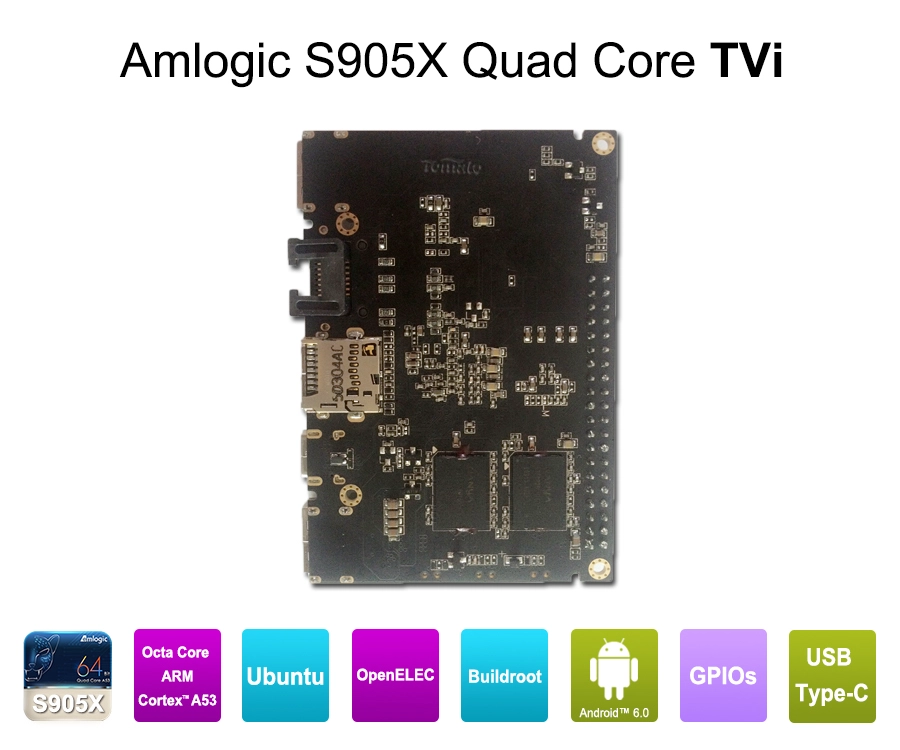
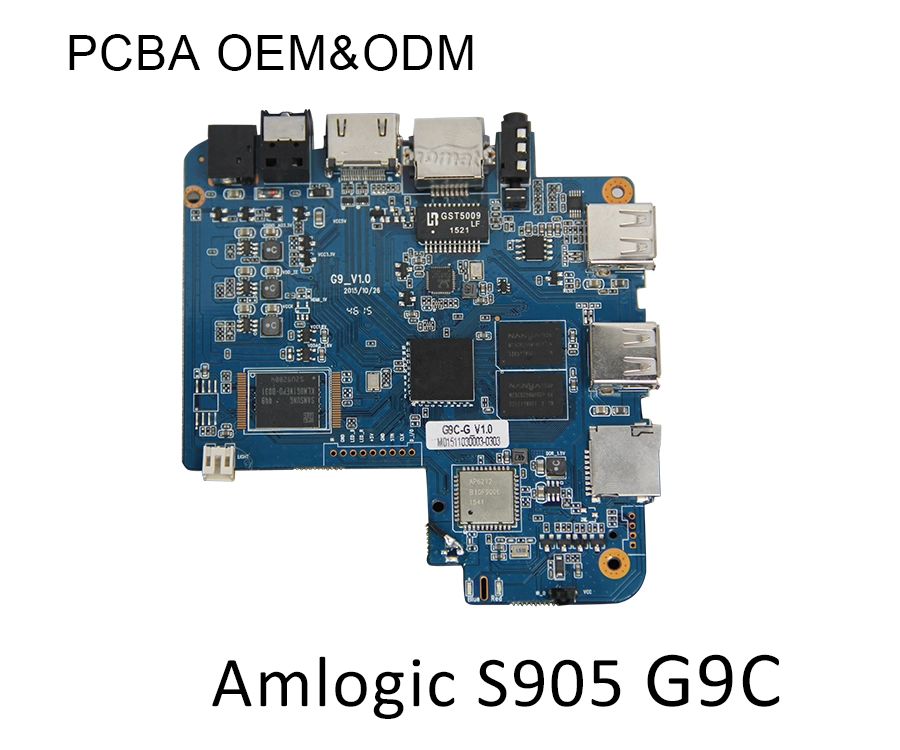
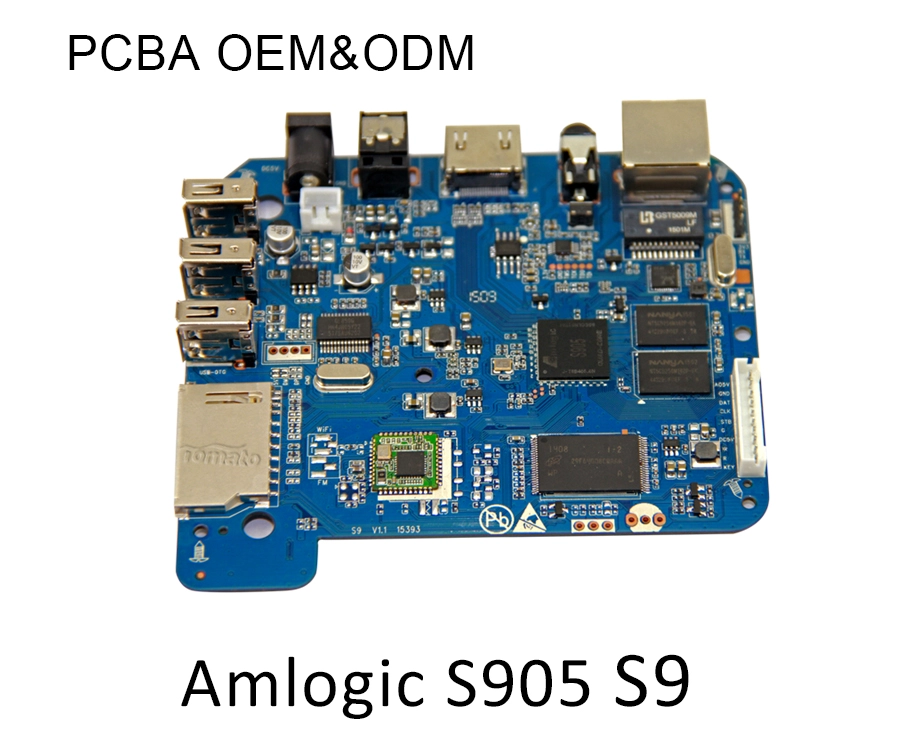
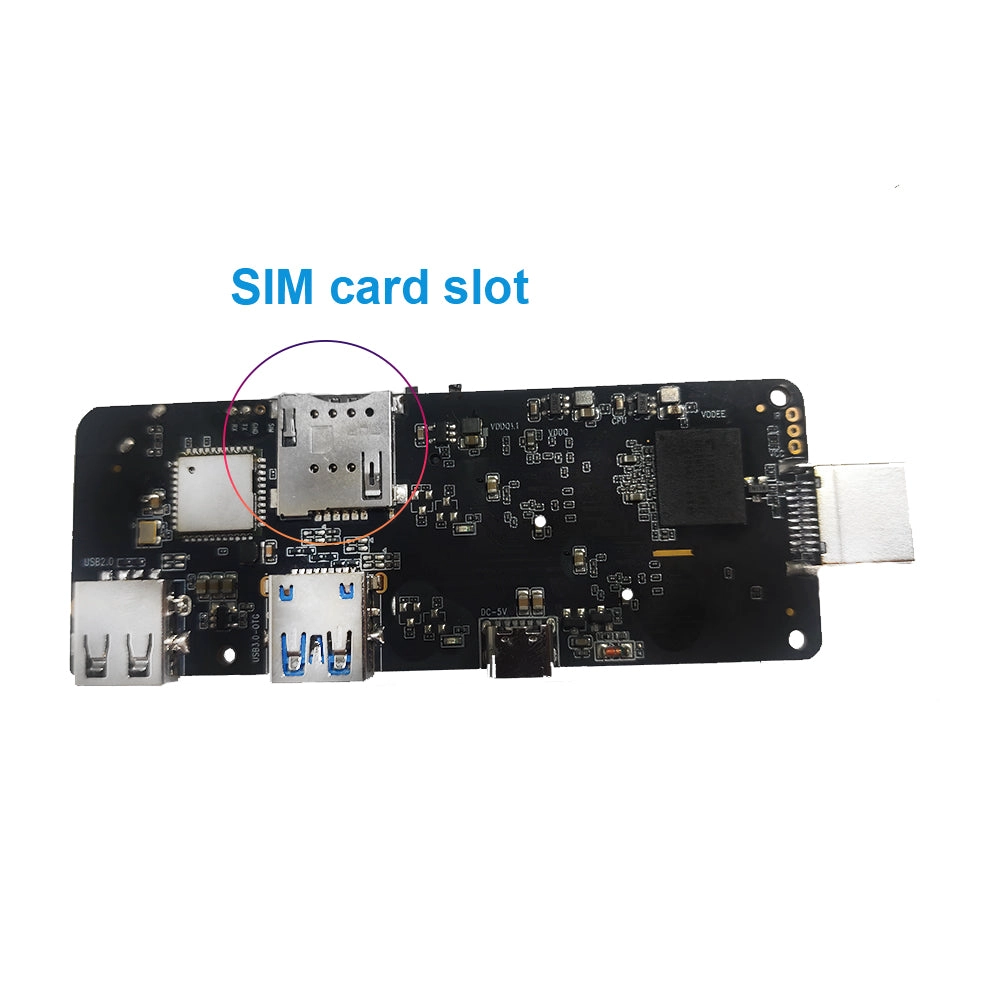
PCBA layout also matters. Power regulation, memory configuration, antenna placement, Ethernet design, USB connectivity, and thermal performance can influence reliability. When a project requires a different interface or operating environment, hardware changes should be assessed at the board level rather than treated as a cosmetic modification.
Integrate the software and user experience
A commercial TV Box may need a custom home screen, branded navigation, regional language options, preconfigured applications, or a channel guide connected to the operator's backend.
SDK/API integration can link the device to IPTV middleware, EPG data, entitlement systems, and remote device-management platforms, subject to the relevant provider's technical interfaces and authorization.
Custom UI/UX firmware can simplify installation and reduce support requests by presenting only the functions required by the target audience. OTA update systems can then maintain the firmware and applications across deployed devices, with appropriate staged rollout, error recovery, and compatibility testing.
These functions require coordination between the hardware platform, operating system, media framework, applications, and backend services. They cannot be guaranteed by adding a generic Android image to an otherwise unmodified board.
Design for continuous operation
Commercial installations may operate for extended periods in hospitality environments, retail displays, IPTV deployments, and digital signage systems.
In these situations, thermal management, stable power delivery, network recovery, and controlled firmware updates deserve attention alongside video specifications. Specialized cooling solutions may be appropriate where enclosure size, ambient temperature, processor loading, or installation conditions create thermal constraints.
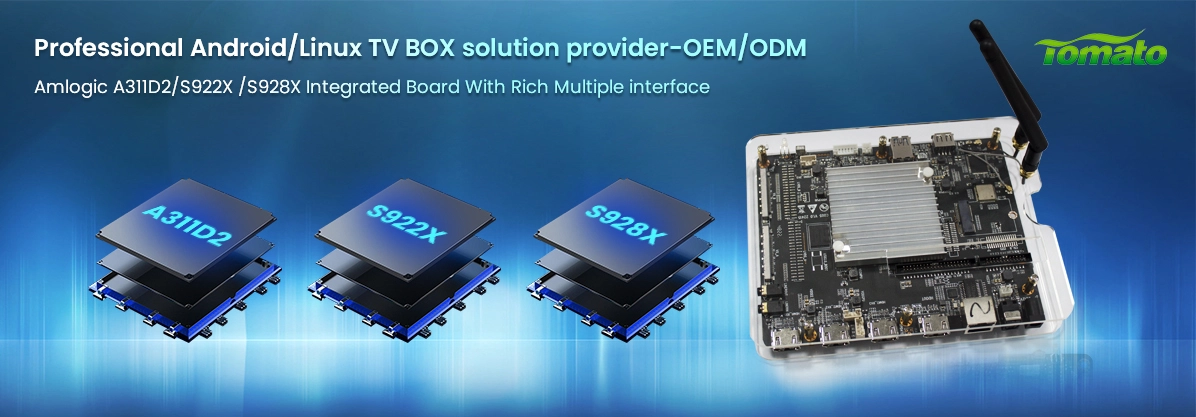
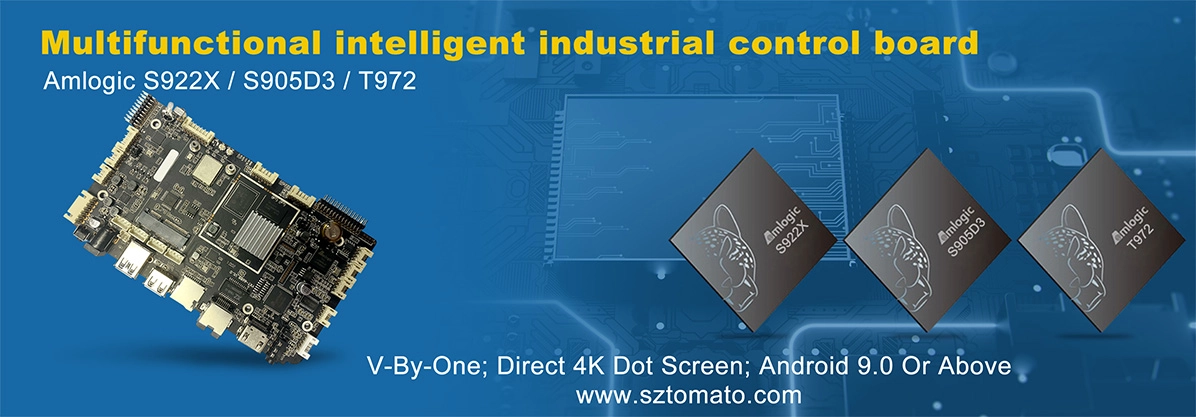
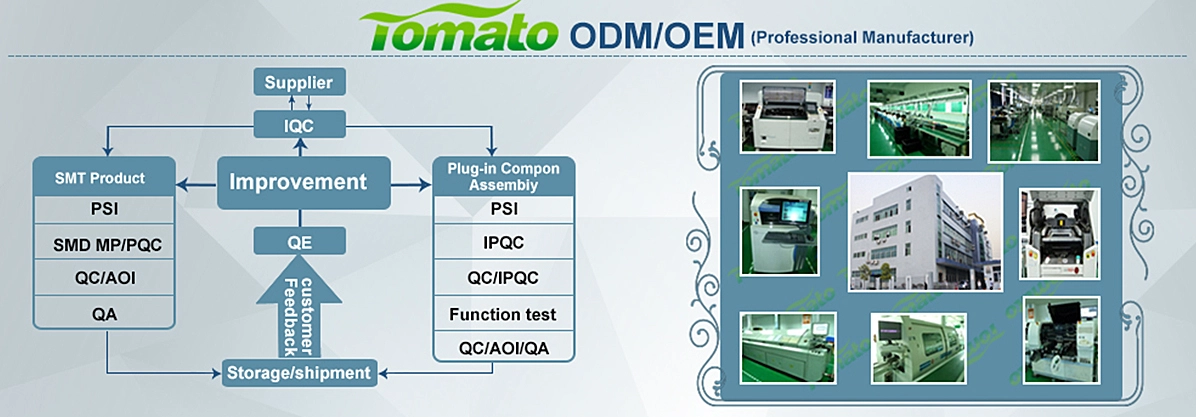
SZTomato supports OEM/ODM TV Box projects with PCBA hardware modification, SDK/API integration, customized UI/UX firmware, and specialized cooling solutions for industrial applications. The appropriate configuration depends on the required chipset, software stack, interfaces, operating conditions, and deployment scale.
A successful project should begin with a defined channel and application list, target-market requirements, and a test plan that covers playback stability, DRM and HDCP compatibility where applicable, OTA maintenance, and long-term support.
Conclusion: Free Channels Are a Platform Capability, Not a Hardware Guarantee
A TV Box can deliver free television through FAST services, broadcaster applications, and compatible broadcast-TV hardware. The actual experience depends on regional availability, application support, connectivity, content rights, and device capabilities. Free access also does not mean unlimited access to premium subscription channels.
For B2B buyers, the strongest product strategy is to treat free-channel functionality as part of a complete streaming solution. Hardware selection, PCBA engineering, middleware integration, firmware maintenance, content-protection compatibility, and thermal reliability should be evaluated together.
For procurement managers, IPTV operators, brand owners, and system integrators seeking a customized TV Box platform, SZTomato can support OEM/ODM development from hardware configuration and firmware engineering through software integration and deployment-specific optimization. Define the target services, regional requirements, interfaces, and lifecycle expectations first; then select a platform designed to meet them reliably.
