
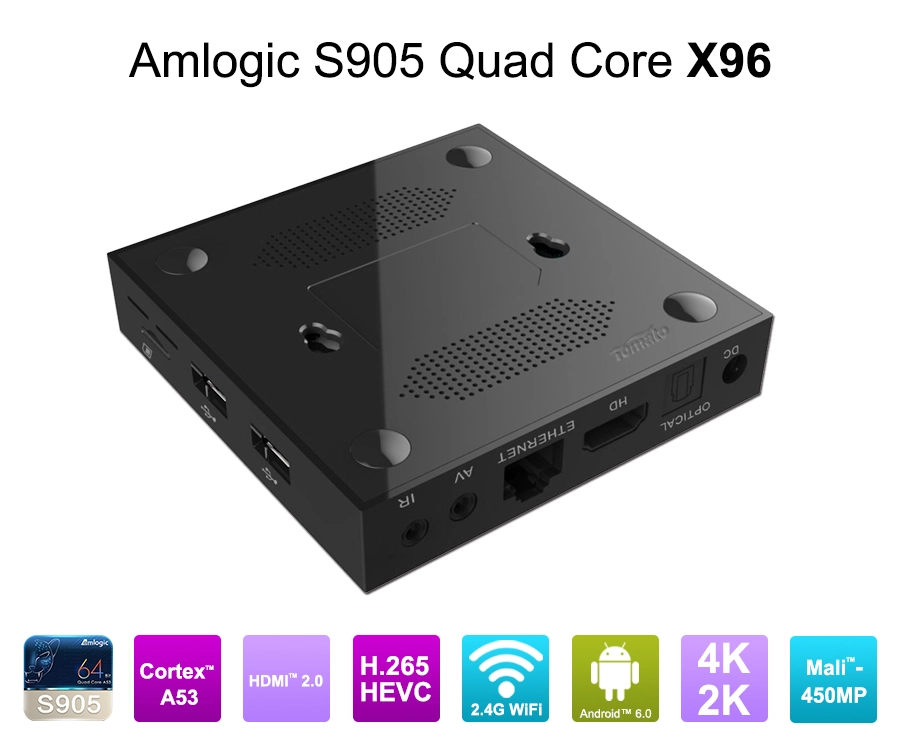
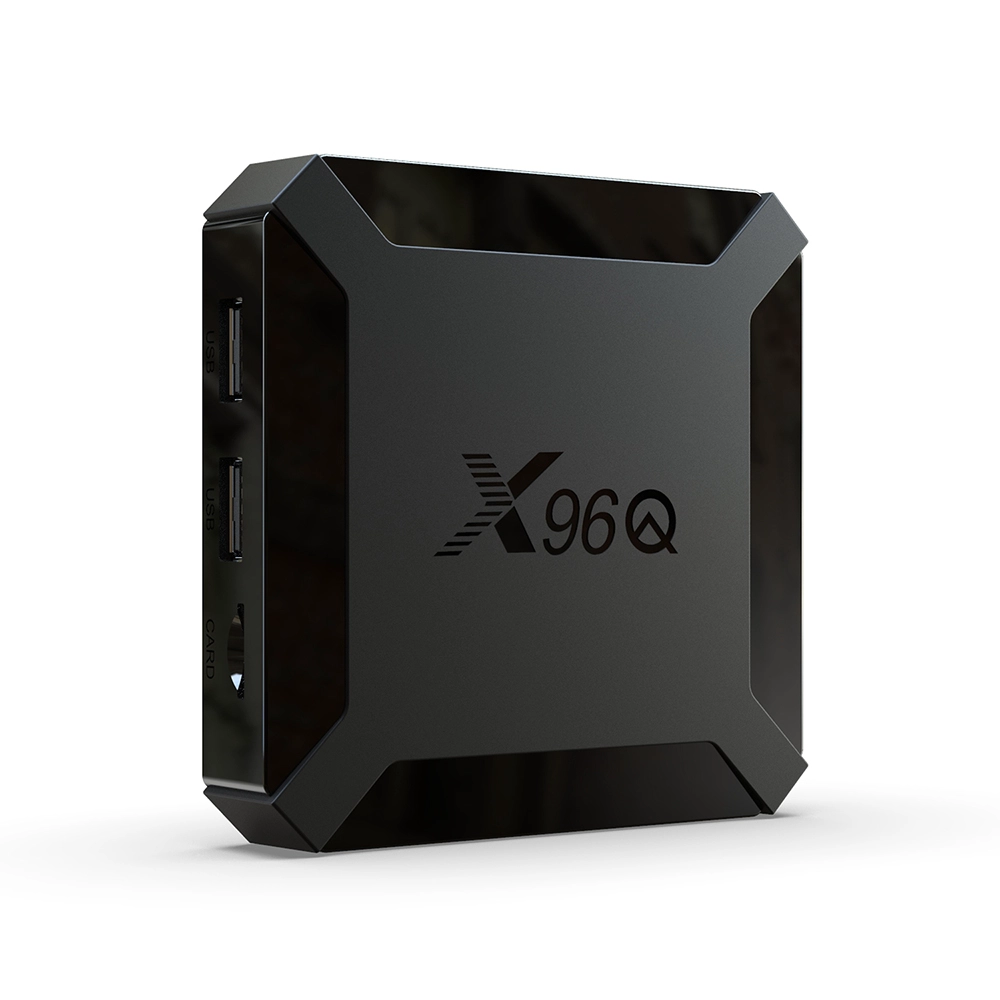
OEM/ODM Android TV Box Manufacturing: From Hardware Engineering to Production
The adoption of AV1 hardware decoding, more powerful AI-capable SoCs and newer Android platforms is changing the technical requirements for Android TV Box manufacturing. For product brands and telecommunications operators, purchasing a standard Android TV Box and adding a company logo is no longer sufficient for many commercial applications.
A hospitality IPTV terminal, a residential OTT streaming device and an enterprise multimedia player may all use Android, but their hardware architecture, software configuration and operating requirements are fundamentally different.
The real challenge for an OEM/ODM project is coordinating the entire development process: chipset selection, PCBA design, memory configuration, wireless connectivity, thermal management, firmware engineering, application integration and production quality control.
A poorly selected SoC can restrict future software upgrades. An inadequately designed PCB can create network instability or display compatibility problems. A generic firmware image can prevent an operator from deploying its own applications and managing thousands of devices remotely.
Successful Android TV Box manufacturing therefore requires engineering decisions at both the hardware and software levels.
For international electronics brands, IPTV operators, distributors and system integrators, working with an engineering-driven manufacturer makes it possible to develop a device around specific business requirements instead of adapting a commercial project to an existing retail product.
1. Android TV Box OEM/ODM Manufacturing Starts with Product Architecture
The first manufacturing decision should not be the product enclosure or logo. It should be the intended application and its technical requirements.
An Android TV Box designed for residential streaming has different requirements from one installed behind a commercial display, inside a hospitality entertainment system or within an industrial control cabinet.
Before selecting the processor, the OEM engineering team needs to establish a product specification covering performance, interfaces, operating system, network connectivity and expected operating conditions.
1.1 Define the Application Before Selecting the SoC
The System-on-Chip determines the basic capabilities of an Android TV Box. CPU architecture, GPU performance, video decoder, memory interface and peripheral controllers all influence the final product.
Different processor families serve different application requirements.
| SoC Platform | Typical Application | Key Technical Considerations |
|---|---|---|
| Amlogic S905X5M | Mainstream 4K Android TV Box | Cost, power consumption, 4K media processing |
| Amlogic S905X5 | Premium 4K streaming device | Newer codec support, AI processing |
| Amlogic S905Y5 | Compact streaming device | Low-power design and compact integration |
| Amlogic S928X-J | Premium 8K Android TV Box | 8K video decoding and HDMI output |
| Amlogic A311D2 | AI multimedia terminal | NPU, multimedia processing and I/O |
| Rockchip RK3566 | Commercial Android media player | Industrial interfaces and embedded applications |
| Rockchip RK3576 | Commercial AI multimedia device | Multi-display and AI processing |
| Rockchip RK3588 | High-performance AI Android Box | 8K processing, multiple displays and edge computing |
| Allwinner H728 | Multimedia Android device | 4K video processing and cost optimization |
The appropriate processor depends on actual application requirements, available BSP support and the complete hardware implementation.
For example, a 4K IPTV terminal does not necessarily need the computational resources of an RK3588 platform. Using a high-end processor where its additional capabilities are unnecessary can increase BOM cost, power consumption and thermal-design complexity.
Conversely, selecting an entry-level processor for a multi-display commercial system may create interface and performance limitations that cannot be corrected through firmware customization.
A professional Android TV Box manufacturer should evaluate the SoC against:
-
CPU and GPU processing requirements.
-
Hardware video decoding capabilities.
-
AV1, H.265 and other required codec support.
-
RAM type and maximum supported capacity.
-
eMMC or other storage configurations.
-
HDMI and display-interface capabilities.
-
Ethernet, Wi-Fi and Bluetooth requirements.
-
USB, PCIe, GPIO and serial interfaces.
-
Android and Linux BSP availability.
-
Long-term component availability.
The processor should be selected according to the product lifecycle, not simply its position in a performance comparison.
1.2 Choose the Correct Android Operating System
One important distinction in Android TV Box OEM development is the difference between AOSP-based Android, Android TV OS and other licensed or certified Android-based configurations.
These platforms should not be treated as interchangeable.
AOSP-based Android
Android Open Source Project provides the foundation for customized Android devices.
For many OEM applications, an AOSP-based system offers flexibility in launcher design, application deployment, system settings, hardware access and device-management functions.
Typical applications include:
-
Customized IPTV terminals.
-
Commercial Android media players.
-
Digital signage devices.
-
Industrial multimedia systems.
-
Kiosk and interactive display hardware.
Android TV OS
Android TV is designed around television-oriented applications, remote-control navigation and the television user experience.
Projects targeting official Android TV requirements must evaluate the applicable Google certification, compatibility and licensing conditions.
An Android launcher designed for a television does not automatically make an AOSP device an officially certified Android TV product.
Linux-based systems
Some industrial media-player and signage applications are better suited to Linux or Ubuntu.
Linux offers flexibility for embedded applications, customized drivers, hardware-control services and specialized multimedia pipelines.
The choice between Android and Linux should be determined by application compatibility, middleware requirements, software maintenance and the required certification route.
Google's Android Compatibility Definition Document defines compatibility requirements for Android implementations. Its compatibility program documentation also explains the relationship between AOSP, CTS testing and Google Mobile Services licensing.
1.3 Build a Product Specification and BOM
Once the application and processor have been selected, the engineering team should define a complete hardware specification.
A typical Android TV Box BOM includes:
| Component | Engineering Considerations |
|---|---|
| Main SoC | CPU, GPU, NPU and video decoder |
| RAM | DDR4, LPDDR4X or LPDDR5 configuration |
| Storage | eMMC or other supported storage |
| Wi-Fi/Bluetooth | Wireless module, antenna and RF layout |
| Ethernet | 10/100Mbps or Gigabit Ethernet |
| HDMI | Display resolution, HDR and HDCP |
| USB | USB 2.0, USB 3.0 and peripheral compatibility |
| Power supply | Input voltage, current and protection |
| PCB | Layer count, impedance and component placement |
| Enclosure | Plastic, aluminum or customized industrial housing |
| Cooling | Heatsink, thermal pad and enclosure heat dissipation |
BOM management also needs to account for component lifecycle.
For products intended for continuous commercial deployment, changing memory vendors or wireless modules between production batches can introduce unexpected performance differences.
A controlled BOM, approved component alternatives and engineering change procedures help maintain consistency throughout the product lifecycle.
2. PCBA Engineering, Enclosure Design and Thermal Optimization
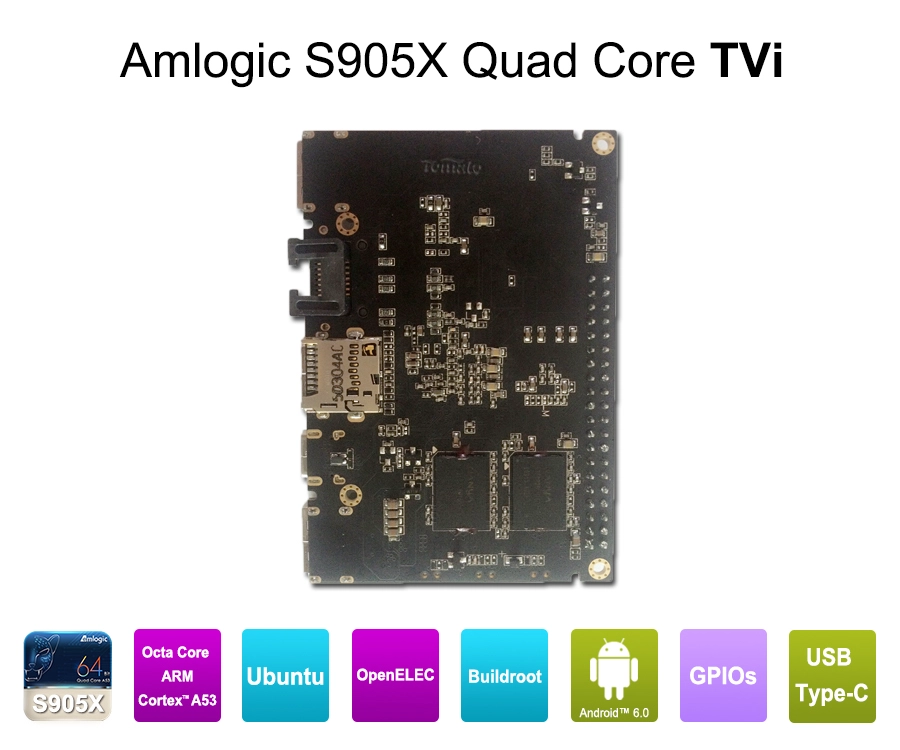
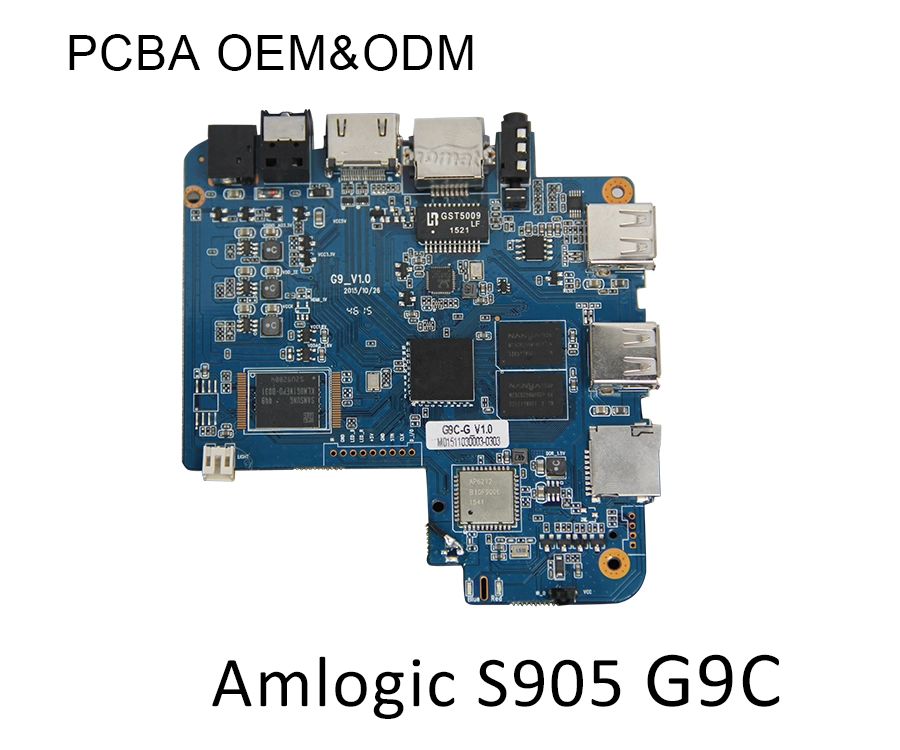
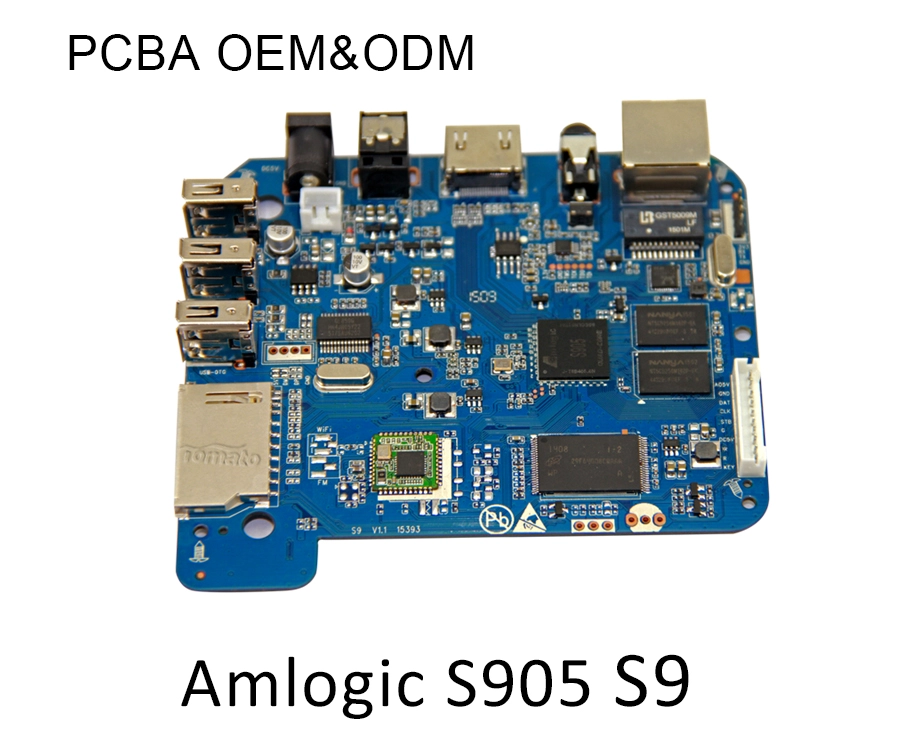
A reference Android TV Box board can accelerate initial development, but a commercial OEM product often requires modifications to its hardware architecture.
The PCBA must support the required interfaces, electrical performance, mechanical constraints and operating environment.
This is where the difference between simple private-label manufacturing and full ODM development becomes clear.
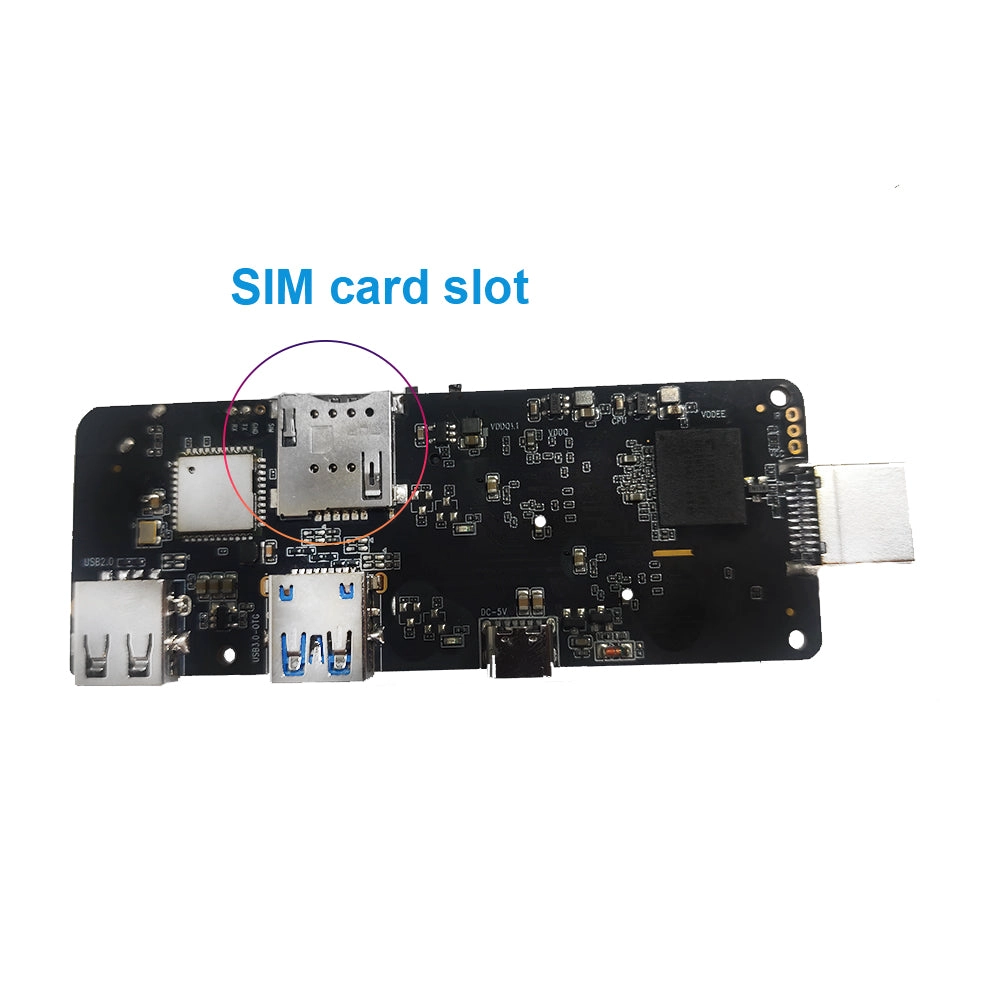
2.1 Custom PCBA Design and Hardware Modification
PCBA engineering begins with the circuit architecture and component configuration.
Depending on the application, customization may involve changes to the processor platform, RAM capacity, storage configuration, power circuits, peripheral controllers and PCB layout.
Typical hardware modifications include:
Memory and storage configuration
A basic streaming device may operate with 2GB RAM and 16GB eMMC, while a commercial application with several background services may require 4GB or 8GB RAM and larger storage.
These configurations must remain within the SoC's supported memory architecture and the limitations of its PCB design.
Interface expansion
Commercial Android TV Box projects frequently require connections beyond standard HDMI, USB and Ethernet.
Possible additions include:
-
RS232 and RS485.
-
GPIO interfaces.
-
Dual Ethernet.
-
PoE power modules.
-
HDMI input and output.
-
LTE connectivity.
-
M.2 expansion.
-
External antenna connectors.
-
Dedicated audio interfaces.
For example, a hospitality system may require RS232 communication to control external display equipment. A digital signage player may require PoE to simplify installation and eliminate individual power adapters.
These features must be considered during schematic development rather than added as an afterthought.
Power management
The power-management design must supply stable voltage to the SoC, RAM, storage and external interfaces.
Voltage regulators, PMIC selection, current ratings, transient response and protection circuits all affect reliability.
USB power loading and startup current also need to be evaluated under realistic operating conditions.
2.2 PCB Layout and Signal Integrity
A customized Android TV Box PCBA needs more than the correct components.
The PCB layout influences system stability, especially when high-speed interfaces are involved.
Critical design areas include:
-
DDR memory routing and timing.
-
HDMI differential-pair routing.
-
USB 3.0 signal integrity.
-
PCIe impedance control.
-
Ground-plane continuity.
-
Power distribution network design.
-
Electromagnetic interference control.
-
RF isolation and antenna placement.
High-speed interfaces require controlled impedance and carefully managed return paths.
Poor routing can create intermittent display failures, USB disconnections, memory instability or electromagnetic compatibility problems.
Wireless performance deserves equal attention.
The position of Wi-Fi antennas, shielding structures, metal enclosure components and other RF-sensitive circuits can affect connection stability.
A manufacturer with PCBA-level engineering capability can adapt the board to the enclosure and the intended installation environment instead of relying entirely on a standard reference design.
2.3 Enclosure Design and Thermal Management
The enclosure is not simply a cosmetic component.
It affects cooling, wireless performance, mechanical durability and installation flexibility.
Plastic housings can support compact consumer designs, while aluminum enclosures may provide additional structural strength and thermal dissipation.
For industrial and commercial applications, enclosure development should consider:
-
Mounting position and orientation.
-
Ventilation openings.
-
Surface temperature.
-
Thermal conductivity.
-
Dust exposure.
-
Cable routing.
-
EMI shielding.
-
Material strength.
-
Installation access.
Thermal management becomes particularly important when an Android TV Box operates continuously or performs demanding multimedia workloads.
High-bitrate video processing, AI inference and multiple application workloads can generate concentrated heat around the SoC, PMIC and memory.
A practical cooling design may combine:
-
An aluminum heatsink or heat spreader.
-
Properly selected thermal interface materials.
-
Adequate PCB copper area.
-
Enclosure-based heat dissipation.
-
Optimized internal airflow.
-
Active cooling where passive cooling is insufficient.
For 24/7 industrial deployment, thermal validation should include sustained workloads at the intended ambient operating temperature.
A short boot test cannot establish long-term thermal stability.
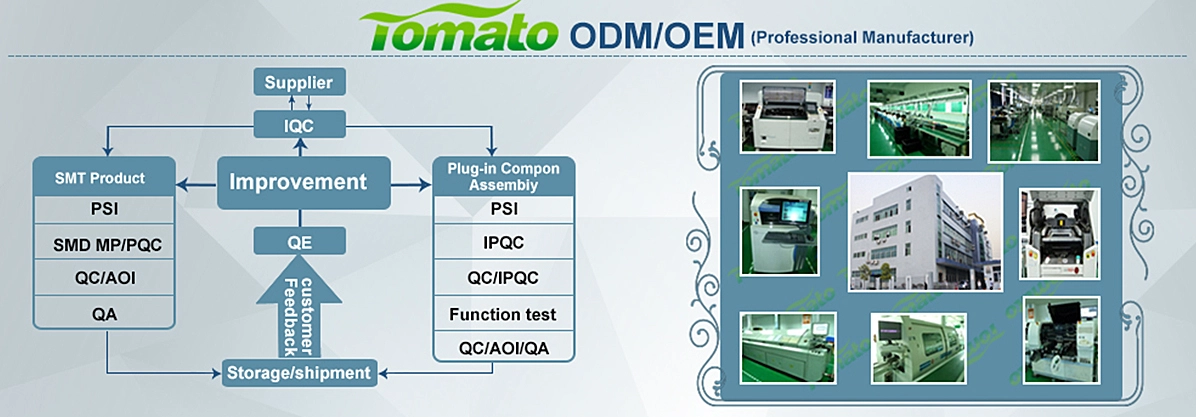
SZTomato incorporates hardware customization and thermal engineering into its OEM/ODM development services, including customized PCB layouts, interface expansion, enclosure tooling and heat-dissipation solutions.
3. Android Firmware Engineering, SDK/API Integration and OTA Management
A well-designed PCBA cannot compensate for an unsuitable firmware architecture.
The software layer determines how the Android TV Box communicates with its hardware, launches applications, processes video and interacts with external management systems.
For B2B applications, firmware customization often has a greater effect on the final product experience than cosmetic changes to the enclosure.
3.1 BSP Integration and Kernel-Level Optimization
The Board Support Package (BSP) connects the Android operating system to the underlying processor and hardware components.
It generally includes the bootloader, Linux kernel, device drivers, hardware abstraction layers and vendor-specific libraries.
A production-grade Android TV Box firmware image must properly integrate:
-
CPU frequency and power management.
-
Memory management.
-
GPU drivers.
-
Hardware video decoders.
-
Audio output.
-
HDMI display control.
-
Wi-Fi and Bluetooth.
-
Ethernet.
-
USB interfaces.
-
Remote-control input.
-
System recovery mechanisms.
For multimedia devices, hardware video decoding is particularly important.
The Android media framework must communicate with the SoC's hardware decoder through supported vendor components.
If the media pipeline falls back to software decoding for a format that should be hardware accelerated, CPU utilization can increase sharply, creating heat and playback instability.
Linux kernel optimization also matters when adapting Android to customized PCBA designs.
A hardware interface added during board development requires appropriate driver support, device-tree configuration and system-level integration.
This is why firmware development should run alongside hardware development rather than beginning only after the PCB is completed.
3.2 Custom UI/UX and System-Level Firmware
Standard Android interfaces are not suitable for every commercial deployment.
An IPTV operator may need its own television interface, while a hotel technology provider may require automatic application launch and restricted system settings.
A digital signage integrator may need a locked-down system that launches a CMS application immediately after boot.
OEM firmware customization can include:
Branding and startup
-
Custom boot logo.
-
Customized boot animation.
-
Branded launcher.
-
Default wallpaper and theme.
-
System application branding.
Application management
-
Preinstalled APK files.
-
Default application configuration.
-
Automatic application startup.
-
Custom application permissions.
-
System-level application management.
Device behavior
-
Automatic power-on behavior.
-
Kiosk mode.
-
Restricted system settings.
-
Display rotation.
-
Status bar customization.
-
Remote-control key mapping.
-
Watchdog and recovery configuration.
Commercial software integration
-
IPTV middleware.
-
OTT applications.
-
Digital signage CMS.
-
MDM platforms.
-
Remote monitoring applications.
-
Proprietary customer applications.
For Android Enterprise dedicated-device deployments, Google's documentation describes kiosk configurations that automatically launch designated applications and restrict access to other device functions.
Reference: Google Android Enterprise dedicated devices.
One important engineering consideration is the level of system access required.
Some changes can be implemented through an application or launcher. Others require changes to system partitions, framework components, permissions or vendor-level firmware.
The development quotation should distinguish these levels because they have different engineering costs, testing requirements and maintenance implications.
3.3 SDK/API Integration for Commercial Device Management
For a large IPTV or digital signage network, the ability to control devices remotely is a major operational requirement.
A customized Android TV Box can expose selected system functions through an SDK or API layer.
Depending on the project, integration may support:
-
Remote reboot.
-
Application installation and removal.
-
Device configuration.
-
Network management.
-
Display settings.
-
GPIO control.
-
Device status reporting.
-
System-log collection.
-
Software version reporting.
-
Scheduled operations.
An API interface should define authentication, permission levels, command handling, response formats and failure recovery.
For example, a signage CMS may need to query the current firmware version, application status and device temperature before scheduling a software upgrade.
These functions should be designed into the firmware architecture instead of relying on repeated manual configuration.
SDK/API integration is particularly useful for operators managing large device fleets across different regions.
3.4 OTA Update Systems and Firmware Security
A commercial Android TV Box should have a defined firmware update strategy before mass production.
Manual USB flashing may be sufficient for laboratory development, but it is inefficient for a network of thousands of deployed devices.
A private OTA system allows the operator to distribute firmware updates through its own infrastructure or an agreed cloud platform.
An enterprise-oriented OTA architecture should consider:
-
Firmware version control.
-
Encrypted transport.
-
Package signature verification.
-
Device authentication.
-
Staged rollout.
-
Device-group management.
-
Update scheduling.
-
Installation verification.
-
Error reporting.
-
Recovery procedures.
-
Rollback strategy.
Android's A/B update architecture maintains separate system slots so that a device can continue using a working system while preparing an update. Under supported configurations, an unsuccessful update can return the device to the previous bootable system.
Reference: Android A/B system updates.
However, A/B or Virtual A/B updates are not simply a server-side feature. They require compatible bootloader, partition, build-system and update-client implementation.
For OEM customers, the correct update architecture should be selected according to the SoC platform, Android version, storage capacity and deployment requirements.
SZTomato supports private OTA update arrangements, including cloud-based or customer-hosted server configurations, as well as customized firmware and system integration.
3.5 DRM, HDCP and Protected Content Compatibility
For OTT and premium IPTV applications, software compatibility must be considered alongside video decoding performance.
Hardware support for H.265 or AV1 does not automatically provide access to protected streaming content.
Depending on the service provider's requirements, an Android TV Box may need:
-
Widevine DRM support.
-
Hardware-backed security.
-
Secure boot.
-
Trusted execution environment support.
-
HDCP authentication.
-
Authorized DRM provisioning.
-
Application-specific certification.
The distinction between Widevine L1 and L3 is especially relevant to products that target premium streaming services.
However, selecting an SoC that supports hardware security does not automatically guarantee Widevine L1 provisioning or approval from a content provider.
These requirements must be validated with the relevant authorized platform partners.
HDCP compatibility should also be tested throughout the HDMI signal chain. The player, display and any intermediate AV equipment must support the required protection level for the applicable content.
For an OEM project, DRM and content-protection requirements should be established during product definition, not after mass production.
4. Android TV Box Manufacturing: Prototyping, Testing and Mass Production
Once the hardware and firmware architecture is established, the project moves into engineering validation and manufacturing preparation.
The transition from a functioning sample to a stable production device is one of the most important stages of OEM/ODM development.
A sample that works on an engineering desk does not automatically qualify for commercial deployment.
4.1 Prototype Development and Engineering Validation
The prototype stage confirms that the selected hardware architecture can meet the product requirements.
A typical OEM/ODM development process includes:
Step 1: Requirements and SoC evaluation
Confirm the product application, operating system, video requirements, interfaces, network configuration and expected operating conditions.
Step 2: Schematic and PCBA development
Prepare the hardware design, component selection, PCB layout and power architecture.
Step 3: Prototype assembly
Produce initial boards and integrate the selected enclosure, power supply, memory and peripheral modules.
Step 4: BSP and firmware integration
Bring up the operating system, hardware drivers, multimedia functions and initial software configuration.
Step 5: Engineering validation
Check the hardware interfaces, boot behavior, system stability, network performance, video playback and thermal characteristics.
Step 6: Design refinement
Correct problems identified during testing and prepare the design for a more controlled validation build.
For established platforms, the manufacturer may use an existing reference PCBA to accelerate initial evaluation. Full ODM projects may require new schematic development, PCB layout and enclosure tooling.
4.2 EVT, DVT and PVT: Three Important Manufacturing Stages
Professional electronics manufacturing commonly uses three validation stages before mass production.
| Stage | Main Objective | Key Validation Items |
|---|---|---|
| EVT – Engineering Validation Test | Verify the engineering design | SoC functionality, PCBA, interfaces, firmware and basic thermal performance |
| DVT – Design Validation Test | Verify the finalized product design | Enclosure, sustained operation, EMI/EMC, temperature and compatibility |
| PVT – Production Validation Test | Verify the manufacturing process | Assembly consistency, test procedures, yield and production readiness |
EVT: Engineering Validation Test
EVT verifies that the initial engineering design functions as intended.
For an Android TV Box, this includes processor initialization, RAM detection, storage access, HDMI output, wireless connectivity and basic Android operation.
DVT: Design Validation Test
DVT evaluates whether the finalized hardware and enclosure satisfy the design requirements.
Testing should include sustained video playback, network stability, power-cycle testing, thermal behavior, remote-control functionality and compatibility with target displays.
Where applicable, regulatory pre-compliance testing should also be performed before final certification.
PVT: Production Validation Test
PVT evaluates whether the manufacturing process can repeatedly produce units that meet the approved product specification.
It should verify production assembly, programming, functional testing, quality records and packaging procedures.
This staged process helps identify engineering and manufacturing problems before they affect a large production order.
4.3 Production Quality Control
Android TV Box manufacturing involves several processes that require consistent quality management.
Incoming material inspection
Critical components such as the SoC, RAM, eMMC, wireless modules, power-management ICs and connectors should be checked against the approved BOM.
SMT and PCBA inspection
Production inspection may include solder-paste inspection, automated optical inspection, X-ray inspection for relevant hidden solder joints and PCBA electrical testing.
The inspection plan should reflect the PCB design, component package types and identified manufacturing risks.
Firmware programming
Each device should receive the approved firmware version and the required device configuration.
For fleet-managed products, production may also involve assigning device identifiers, network addresses, serial numbers or provisioning information.
Functional testing
A production test procedure should verify:
-
Power-on and boot behavior.
-
HDMI output.
-
Ethernet connectivity.
-
Wi-Fi and Bluetooth.
-
USB interfaces.
-
Audio output.
-
Remote-control operation.
-
Application launch.
-
Firmware version.
-
Recovery behavior where applicable.
Burn-in and reliability checks
The manufacturer should define an appropriate burn-in strategy based on the product application and target reliability requirements.
For commercial 24/7 Android TV Box deployments, sustained operation testing is more informative than a brief startup inspection.
Final inspection and packaging
The finished product should be checked for housing defects, port alignment, labeling, accessories, remote control, power adapter and packaging configuration.
4.4 Supply Chain and Mass Production Management
A production-ready design must also be commercially sustainable.
For B2B procurement managers, the cost of an Android TV Box is only one part of the total purchasing decision.
Component availability, production capacity, delivery planning, after-sales support and firmware maintenance all affect the total cost of ownership.
A capable manufacturer should provide:
-
An approved and controlled BOM.
-
Component alternative management.
-
Production scheduling.
-
Firmware version traceability.
-
Batch-level quality records.
-
Defined inspection standards.
-
Engineering change management.
-
Packaging and branding customization.
-
Spare-parts and after-sales arrangements.
Changes to critical components should be evaluated before implementation.
For example, replacing a memory module with another supplier's component may affect timing, power consumption, system stability or firmware compatibility.
Engineering approval should therefore be required for changes that could influence product performance.
4.5 How to Evaluate an Android TV Box OEM/ODM Manufacturer
Not every supplier advertising OEM or ODM services has the same engineering capabilities.
Some factories primarily provide branding, packaging and application preinstallation. Others can modify the PCBA, develop firmware and manage the complete product lifecycle.
For an international B2B buyer, the following comparison provides a useful supplier-evaluation framework.
| Evaluation Area | Basic Private-Label Supplier | Engineering-Driven OEM/ODM Manufacturer |
|---|---|---|
| SoC selection | Existing product options | Application-based platform evaluation |
| Hardware design | Fixed reference PCBA | Schematic and PCBA modification |
| Memory configuration | Limited standard options | Project-specific RAM/eMMC configurations |
| Interface design | Standard ports | Customized I/O architecture |
| Enclosure | Existing housing | Custom ID/MD and tooling |
| Firmware | Logo and boot animation | System-level firmware engineering |
| SDK/API | Limited or unavailable | Project-specific integration |
| OTA | Standard vendor updates | Private or customer-hosted OTA architecture |
| Thermal design | Standard heatsink | Customized thermal solutions |
| Production | Standard assembly | Engineering validation and controlled production |
The most important question is whether the manufacturer can take responsibility for the technical integration between hardware, firmware and production.
A supplier that can print a logo but cannot modify the kernel or hardware design may be suitable for a simple branding project. It may not be appropriate for a commercial product requiring custom interfaces, operator middleware or long-term OTA management.
SZTomato: Android TV Box OEM/ODM Engineering from PCBA to Production
Shenzhen Tomato Technology Co., Ltd. has specialized in Android TV Box, Smart TV Box, IPTV set-top box and multimedia hardware development since 2011.
Its OEM/ODM approach focuses on the integration of hardware engineering, firmware customization and production support.
Rather than limiting customization to logos and packaging, SZTomato supports projects that require changes to the underlying hardware and software architecture.
PCBA and Hardware Customization
SZTomato supports SoC platform selection and PCBA modifications for different product applications.
Its platform portfolio includes Amlogic, Rockchip and Allwinner processors, depending on project requirements.
Hardware customization can cover:
-
Processor and memory configurations.
-
RAM and eMMC capacity.
-
Customized PCB layout.
-
Ethernet and wireless connectivity.
-
RS232 and RS485.
-
GPIO and peripheral interfaces.
-
PoE and LTE integration.
-
HDMI input and output configurations.
-
Mechanical and enclosure design.
Custom Firmware and UI/UX Engineering
SZTomato provides firmware customization across supported AOSP, Android TV OS and Linux-based platforms, subject to the relevant platform and certification requirements.
Services include custom boot logos, boot animations, application preinstallation, custom launchers, kiosk functions, system configuration and application management.
For operator and commercial deployments, firmware can be adapted to the customer's business applications rather than relying entirely on a generic consumer interface.
SDK/API and OTA Integration
Projects requiring remote device management can include SDK/API integration, MDM support, application management and customized OTA infrastructure.
Private OTA arrangements can support centralized firmware deployment, version management and maintenance of deployed devices.
Thermal Engineering and Industrial Applications
SZTomato also supports customized thermal solutions and enclosure engineering for commercial applications requiring extended operating periods.
Cooling structures, PCB layouts and housing configurations can be evaluated according to the processor, power consumption and environmental requirements.
These engineering capabilities are particularly relevant to IPTV operators, hospitality technology providers, digital signage integrators and commercial multimedia brands.
For additional product and engineering information, visit the SZTomato Android TV Box product and OEM/ODM page.
Conclusion: Build an Android TV Box Around Your Product Requirements
Successful Android TV Box manufacturing is the result of coordinated engineering decisions across the entire development process.
The right SoC provides the required processing and multimedia capabilities. A properly designed PCBA delivers the necessary interfaces and electrical stability. Thermal engineering protects sustained performance, while customized firmware connects the hardware to the customer's applications and management infrastructure.
The manufacturing process then transforms the validated design into a repeatable commercial product through controlled BOM management, engineering validation, production testing and quality assurance.
For B2B procurement managers, brand owners, IPTV operators and system integrators, choosing an OEM/ODM partner should therefore involve more than comparing product prices.
The manufacturer's ability to modify hardware, optimize Android and Linux firmware, integrate SDK/API functions, implement OTA management and support production is equally important.
Looking for an experienced Android TV Box OEM/ODM manufacturer?
SZTomato supports customized Android TV Box development from SoC selection and PCBA modification to firmware engineering, thermal optimization and mass production.
Whether your project requires a cost-effective 4K IPTV terminal, a premium 8K streaming device, a customized commercial Android media player or an industrial multimedia platform, SZTomato can help align the hardware architecture with your software and deployment requirements.
Contact the SZTomato engineering team at www.sztomato.com to discuss your product specifications, customization requirements and next OEM/ODM development project.
