
Smart TV Box OEM/ODM Solutions: Custom Hardware, Firmware, and IPTV Integration
The transition to AV1 video decoding, higher-resolution streaming, and more sophisticated IPTV services is changing the engineering requirements of commercial Smart TV Box products. A device designed around an entry-level SoC and standard Android firmware may handle basic streaming, but it can become a bottleneck when operators introduce customized applications, multiple middleware interfaces, remote device management, or continuous 4K playback.
For B2B buyers, the challenge is not simply finding a Smart TV Box with sufficient CPU performance. It is developing a hardware and software platform that can support a specific business model throughout its commercial lifecycle.
An IPTV operator may prioritize middleware compatibility, secure content delivery, and centralized firmware management. A telecom brand may require customized boot animations, restricted system access, and operator-specific applications. A digital signage integrator may need industrial-grade thermal management, extended operating hours, and customized I/O interfaces.
These requirements demand an OEM/ODM development approach rather than a standard retail product.
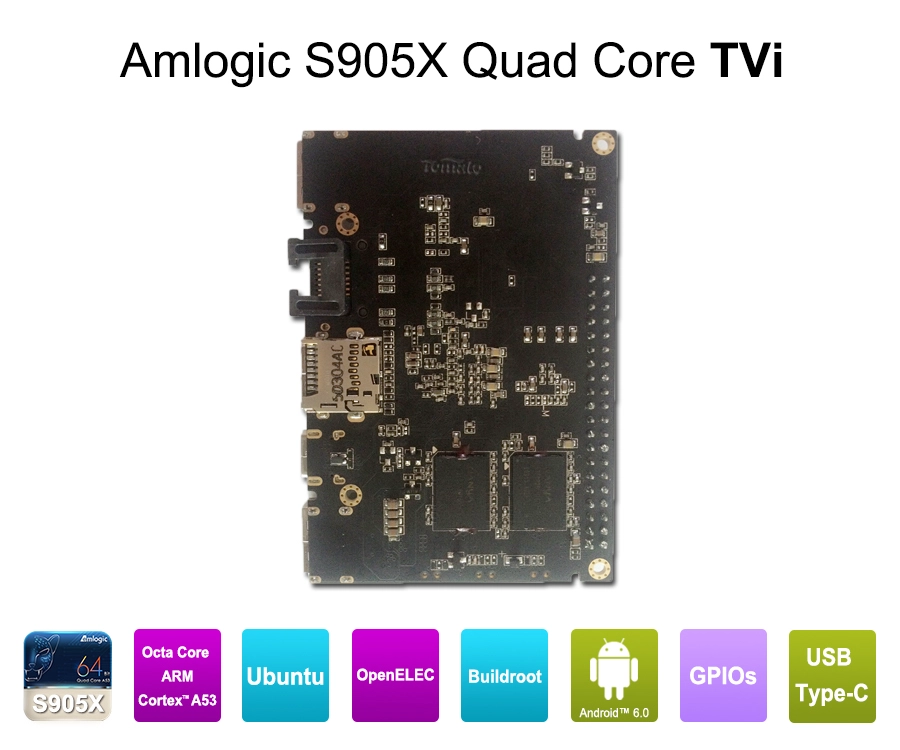
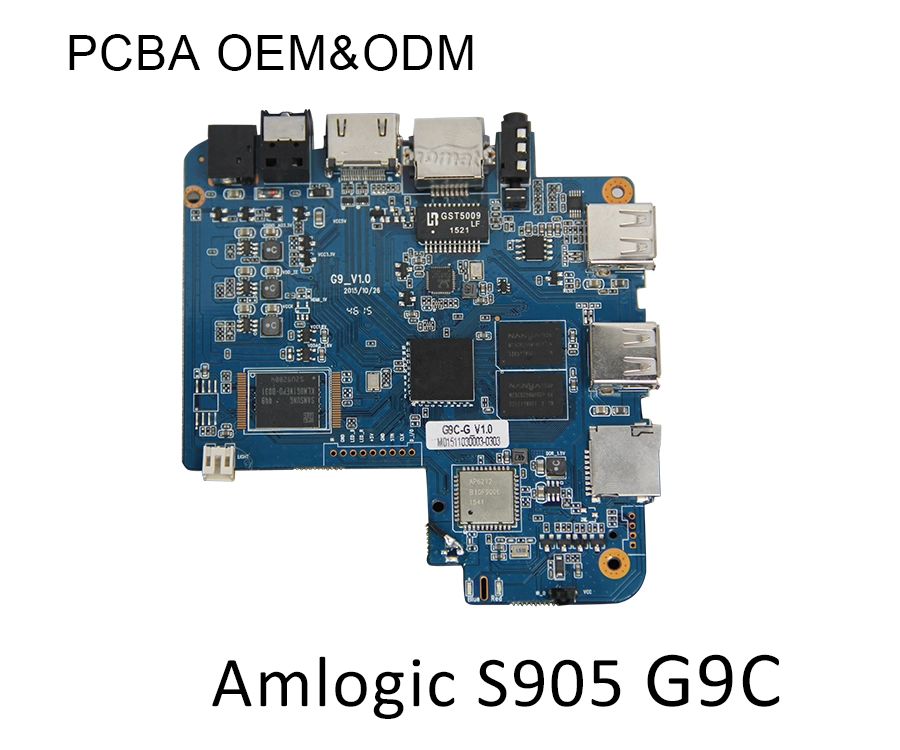
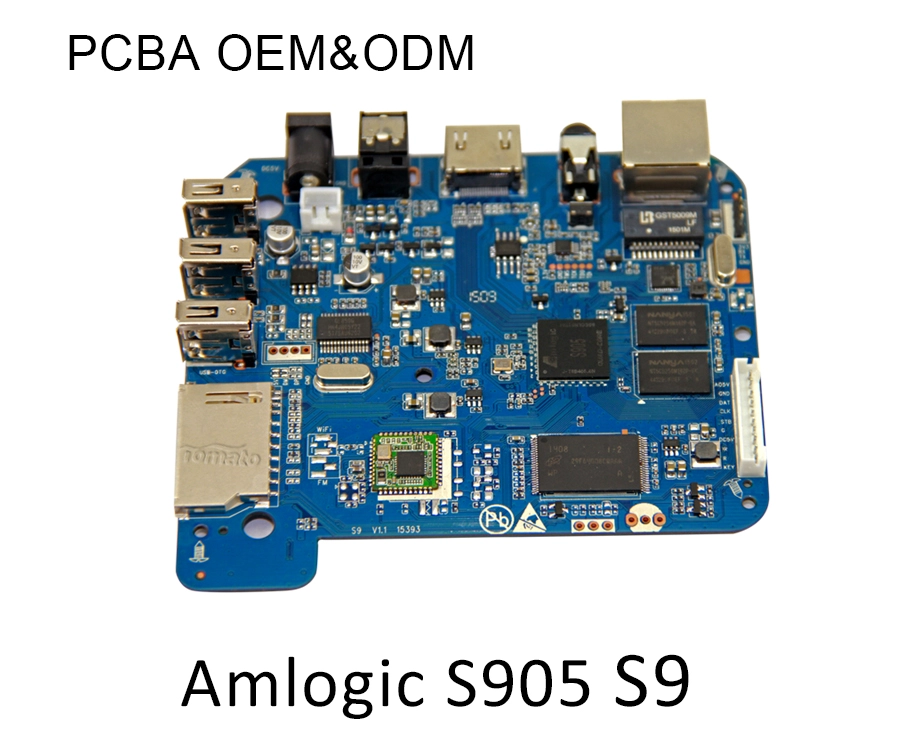
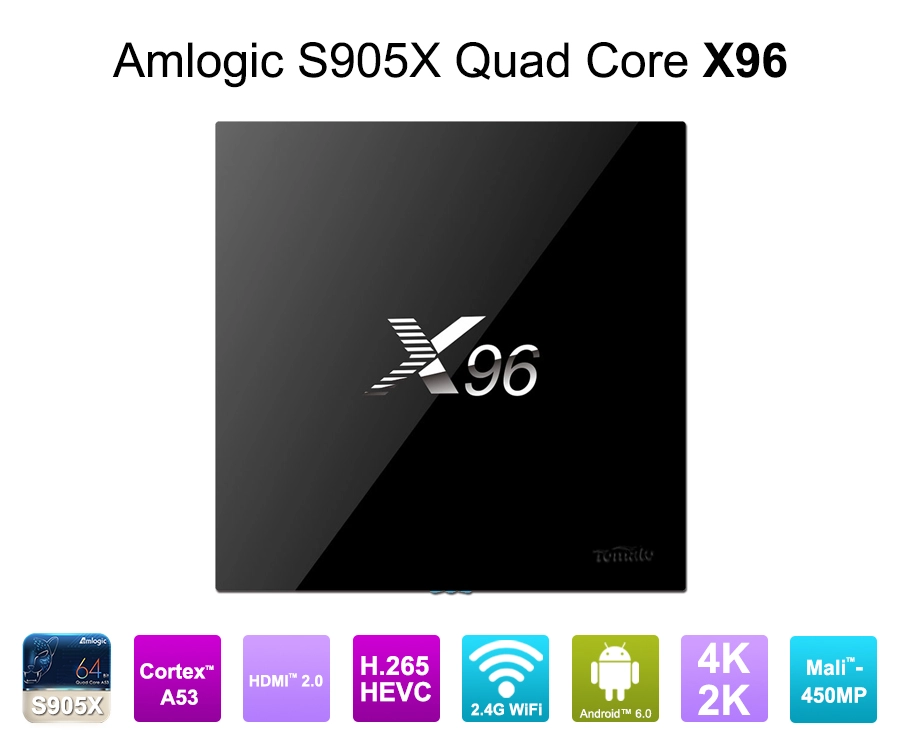
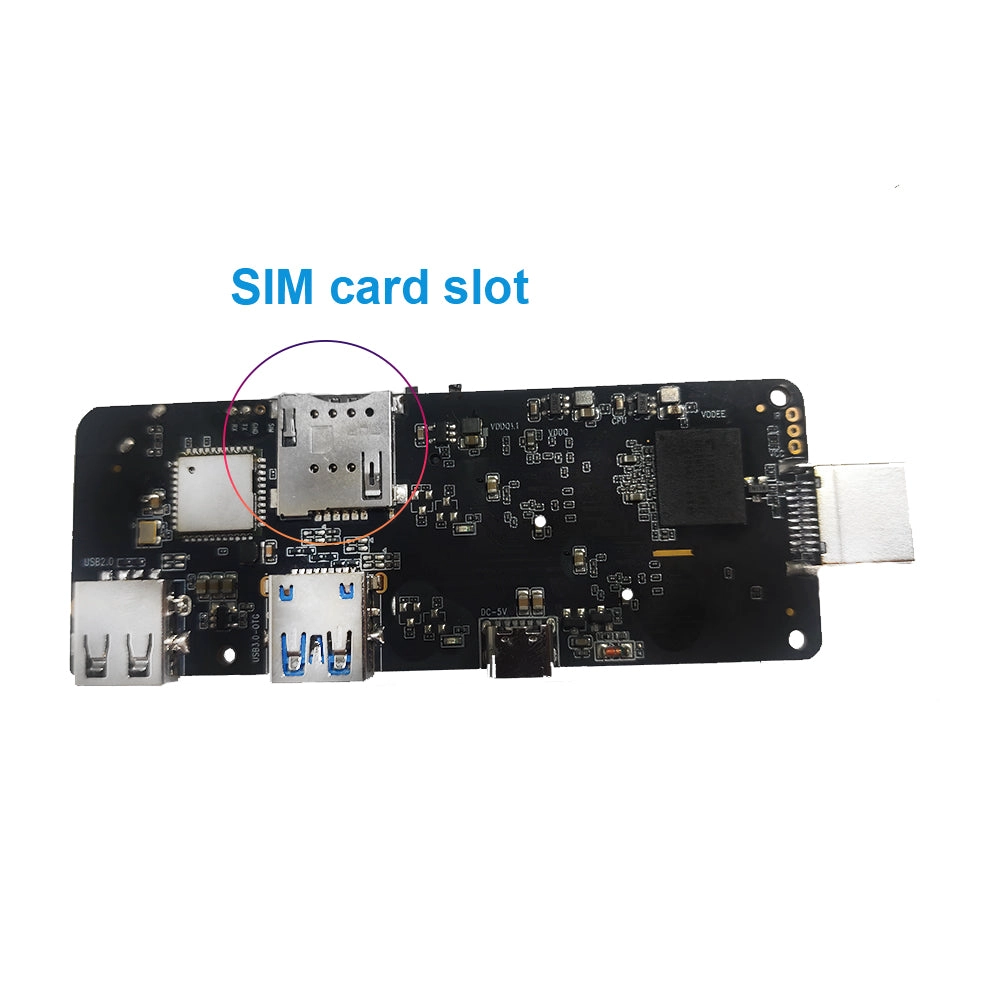
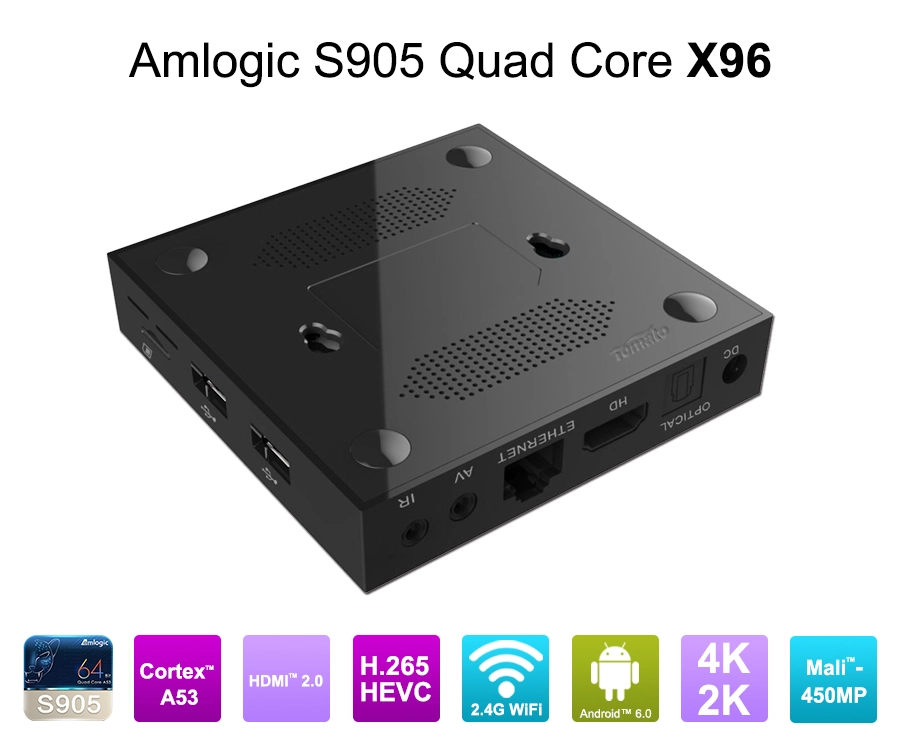
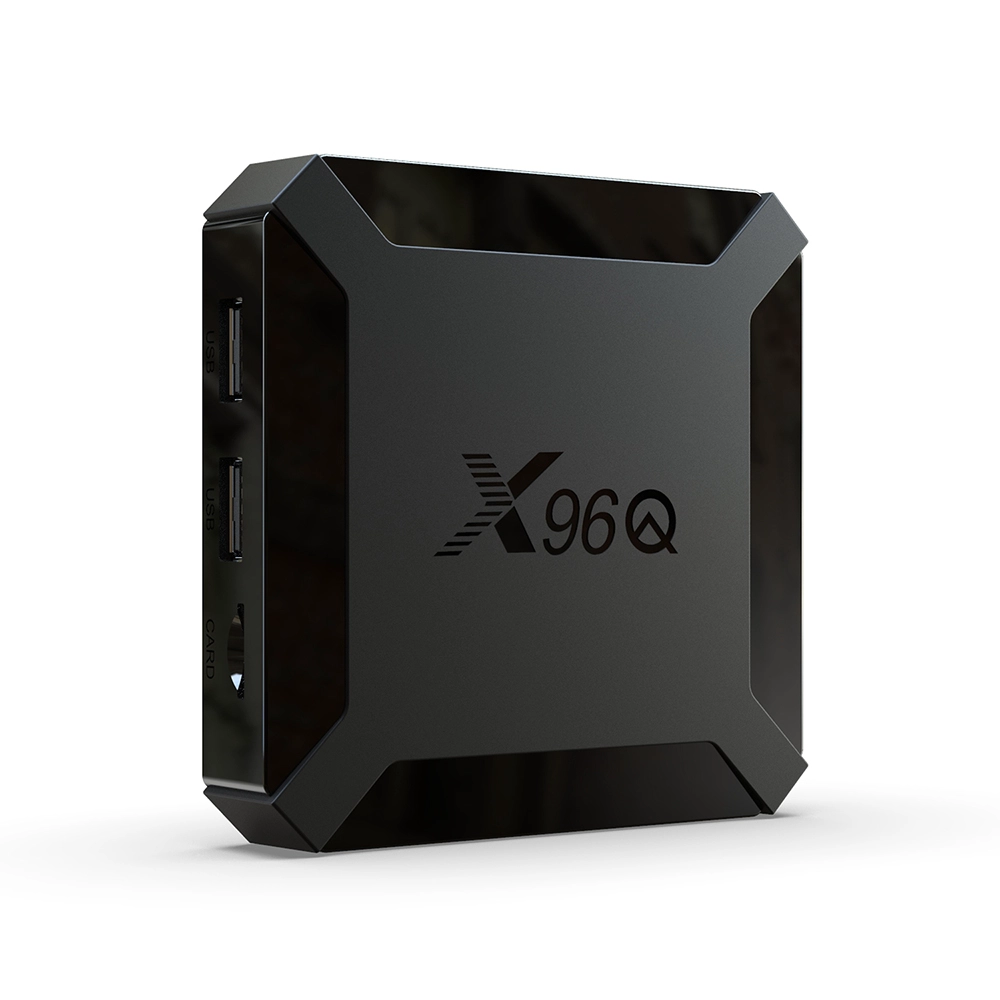
SZTomato provides Smart TV Box customization covering PCBA hardware modification, Android firmware development, SDK/API integration, UI/UX customization, and production engineering. The objective is to align the device architecture with the customer's actual deployment requirements before mass production begins.
1. Smart TV Box Hardware Customization: From SoC Selection to PCBA Engineering
Hardware architecture determines the performance ceiling, interface compatibility, and production cost of a Smart TV Box. Choosing a processor based solely on its advertised core count or benchmark score is insufficient for commercial projects.
The correct configuration depends on video decoding requirements, application workloads, connectivity, memory bandwidth, peripheral interfaces, and expected operating conditions.
1.1 Selecting the Right SoC for Commercial Applications
The System-on-Chip (SoC) integrates the CPU, GPU, video processing engine, memory controller, and other functional components. Its capabilities directly affect application responsiveness, streaming compatibility, and multimedia performance.
For OEM projects, three hardware considerations deserve particular attention.
CPU and GPU architecture
ARM Cortex-A55-based platforms remain relevant for cost-sensitive IPTV terminals and mainstream streaming devices. More demanding applications may require higher-performance Cortex-A76 or comparable CPU architectures, particularly when running multiple applications, processing complex interfaces, or supporting additional local computing workloads.
GPU capability also matters. Customized Android interfaces, 3D graphics, interactive advertising, and application rendering place different demands on the graphics subsystem.
Video decoding capabilities
A commercial Smart TV Box should be evaluated against the actual codec and resolution requirements of the target content ecosystem.
Important specifications include:
-
H.264 and H.265 hardware decoding.
-
AV1 hardware decoding where supported by the selected SoC.
-
VP9 video decoding.
-
4K UHD and, where required, 8K video processing.
-
HDR format compatibility, including HDR10 and other supported formats.
-
HDMI output resolution and refresh-rate support.
AV1 adoption is particularly relevant to operators looking to optimize streaming bandwidth. However, AV1 support must be verified at the hardware decoder, Android media framework, and application levels. A processor specification alone does not guarantee end-to-end compatibility.
Memory and storage configuration
RAM and eMMC capacity should reflect the expected application environment.
A basic IPTV terminal may operate with a relatively modest memory configuration. A device supporting multiple applications, customized launchers, background services, and local caching requires additional resources.
SZTomato supports memory and storage configuration according to project requirements, helping customers avoid both unnecessary hardware costs and performance limitations.
1.2 PCBA Modification for Application-Specific Requirements
A standard reference design is a useful starting point, but it rarely satisfies every commercial deployment requirement.
PCBA engineering allows manufacturers to modify the board architecture around the actual application.
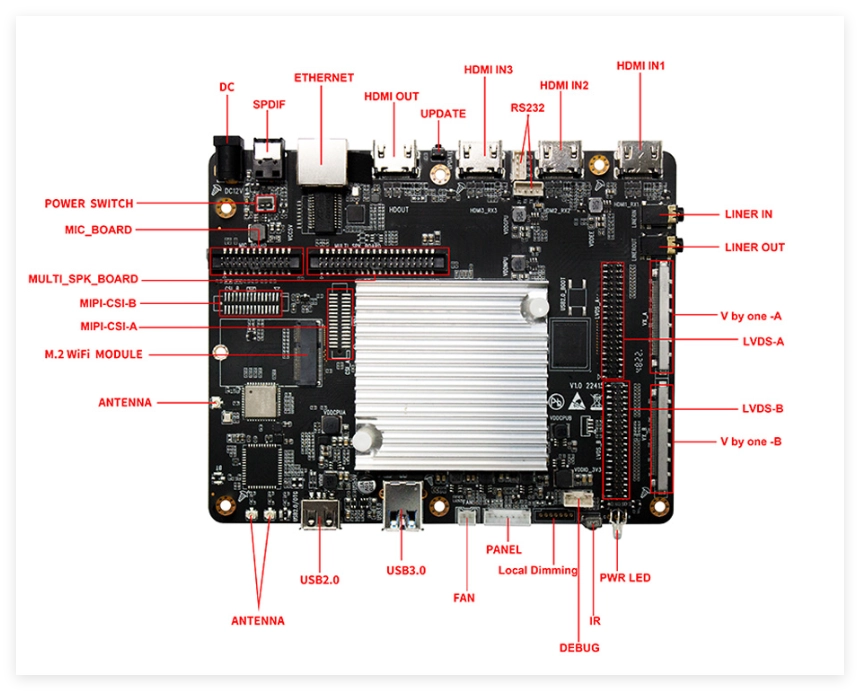
Typical customization areas include:
|
Engineering area |
Customization objectives |
|---|---|
|
PCB layout |
Component placement, signal routing, and board optimization |
|
Power management |
Voltage regulation, power stability, and consumption control |
|
Connectivity |
Ethernet, Wi-Fi, Bluetooth, USB, and additional interfaces |
|
Display output |
HDMI configuration and supported display interfaces |
|
Memory architecture |
RAM and eMMC capacity selection |
|
Peripheral interfaces |
UART, GPIO, and other application-specific connections |
|
Thermal design |
Heat dissipation and operating-temperature management |
Signal integrity is particularly important when designing high-speed interfaces. HDMI, USB, Ethernet, and high-speed memory circuits require careful PCB routing, impedance control, and power integrity considerations.
A poorly optimized PCBA can introduce intermittent connection failures, unstable video output, or system crashes that are difficult to diagnose after deployment.
SZTomato supports PCBA hardware modification and engineering customization to address these requirements before production validation.
1.3 Thermal Management for Continuous Commercial Operation
Thermal performance is often underestimated during Smart TV Box procurement.
A device operating for several hours per day in a residential environment faces different conditions from one installed inside a commercial enclosure, digital signage cabinet, or industrial equipment rack.
High SoC temperatures can trigger thermal throttling, reducing CPU and GPU performance. Prolonged exposure to excessive temperatures can also affect component reliability.
Depending on the enclosure and operating environment, thermal engineering may involve:
-
Optimized PCB component placement.
-
Aluminum heat sinks and thermal pads.
-
Improved internal airflow.
-
Enclosure structure modifications.
-
Low-power component selection.
-
Temperature monitoring and thermal protection.
For industrial and commercial projects, SZTomato can develop specialized cooling solutions based on the device's power consumption, enclosure dimensions, and expected operating conditions.
The objective is stable performance under the intended operating environment, not simply achieving a low temperature during laboratory testing.
2. Custom Android Firmware and SDK/API Integration
Hardware determines what a Smart TV Box can potentially achieve. Firmware determines how effectively that hardware performs within the customer's ecosystem.
For IPTV operators, telecom brands, and system integrators, firmware customization is often a more important differentiator than enclosure design.
A standard Android image may include unnecessary applications, generic navigation, unrestricted system settings, or background services that conflict with the operator's software environment.
A commercial OEM solution needs a firmware architecture designed around the deployment scenario.
2.1 Android System Customization and Kernel Optimization
Android firmware customization can involve several layers:
Bootloader and startup configuration
The startup sequence can be customized to display the customer's brand identity, launch a designated application, or initialize required system services.
Android framework and system applications
Manufacturers can configure preinstalled applications, system permissions, default settings, navigation behavior, and application-launch policies.
Linux/Android kernel optimization
The Linux kernel forms the foundation of Android device operation. Kernel-level engineering may involve device drivers, hardware resource management, power management, and peripheral compatibility.
For projects using additional hardware interfaces, driver configuration is particularly important.
System resource optimization
Background services, memory allocation, startup processes, and application behavior can be adjusted to improve responsiveness and reduce unnecessary resource consumption.
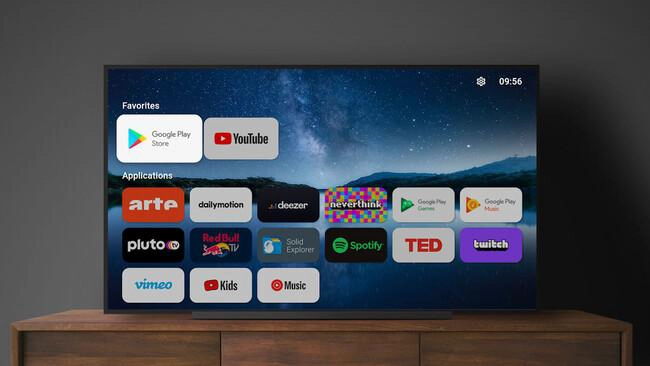
SZTomato supports customized Android firmware and UI/UX development, allowing customers to create a consistent software experience across their branded Smart TV Box product lines.
2.2 Custom UI/UX and Branded User Experience
The launcher is the first interface users encounter. For an operator-branded Smart TV Box, it should reflect the service provider's business identity and application structure.
Common customization requirements include:
-
Company logo and boot animation.
-
Customized home screen and launcher.
-
Operator-specific application layout.
-
Default language and regional settings.
-
Application installation and removal policies.
-
Restricted access to Android system settings.
-
Customized remote-control key mapping.
-
Branded system menus and visual elements.
For IPTV operators, the home screen can prioritize live television, video-on-demand, catch-up TV, and subscription management.
For digital signage applications, the interface may be simplified to launch a dedicated content management application automatically.
The important distinction is that UI customization should be integrated with system behavior. A visually customized launcher without appropriate permission management, startup configuration, and application compatibility does not constitute a complete commercial firmware solution.
2.3 SDK/API Integration for Existing Software Ecosystems
Many B2B customers already operate an IPTV middleware platform, OTT application, device management system, or proprietary content service.
Replacing the existing software infrastructure is often unnecessary and commercially inefficient.
SDK/API integration allows the Smart TV Box to communicate with the customer's existing systems.
Typical integration requirements include:
|
Integration component |
Commercial function |
|---|---|
|
IPTV middleware |
Connects the device to operator service platforms |
|
Application SDK |
Supports application-level hardware and system interaction |
|
Device management API |
Enables centralized device monitoring and administration |
|
OTA API |
Coordinates firmware distribution and updates |
|
Authentication API |
Supports user and device authorization |
|
Content APIs |
Connects applications with VOD and streaming services |
Integration should address authentication, API compatibility, error handling, device identification, and software version management.
For example, an IPTV operator may require every Smart TV Box to register with its middleware server during initial activation. The device then retrieves the appropriate configuration, application permissions, and service information.
SZTomato can support SDK/API integration and firmware-level modifications to align the hardware platform with the customer's software architecture.
3. IPTV Integration, Content Security, and OTA Device Management
IPTV integration is not simply installing an application on an Android device.
A commercial IPTV deployment typically involves several interconnected components: the client application, middleware platform, authentication service, content delivery infrastructure, network environment, and device management system.
A Smart TV Box that cannot communicate reliably with these systems creates operational problems even when its hardware specifications appear sufficient.
3.1 IPTV Middleware and Streaming Compatibility
The middleware platform manages communication between the user-facing application and the operator's backend services.
Depending on the deployment, the integration may include:
-
Live TV channel lists.
-
Electronic Program Guide (EPG).
-
Video-on-Demand (VOD).
-
Catch-up TV and time-shift services.
-
User authentication.
-
Subscription and entitlement management.
-
Playback status and application diagnostics.
-
Remote configuration.
The Smart TV Box must support the communication protocols and application requirements specified by the IPTV provider.
For example, an operator using an existing middleware platform may require a customized Android client with predefined server addresses, automatic device registration, and operator-specific navigation.
Another project may require integration with a proprietary application and an external device management platform.
These requirements should be identified during the engineering phase rather than after the hardware has entered mass production.
3.2 HDCP, DRM, and Secure Content Delivery
Content protection is a critical consideration for commercial streaming products.
HDCP (High-bandwidth Digital Content Protection) protects supported digital video and audio transmission over interfaces such as HDMI.
DRM (Digital Rights Management) controls access to protected content through mechanisms such as license acquisition, device authorization, and secure media playback.
These technologies serve different purposes and should not be treated as interchangeable.
A Smart TV Box intended for protected premium content may need to satisfy several requirements:
-
Compatible HDCP implementation for supported HDMI outputs.
-
Required DRM framework and license integration.
-
Secure key provisioning.
-
Trusted execution or secure hardware capabilities where required.
-
Compliance with the content provider's certification and authorization process.
It is important to distinguish hardware capability from certification status. Supporting a processor or Android version does not automatically make a device certified for Netflix, Google TV, Widevine security levels, or other protected services.
The relevant licenses, approved configurations, and certification procedures must be verified for each target platform.
SZTomato can assist customers with hardware and firmware configuration for their intended content ecosystem, subject to the licensing and certification requirements of the relevant providers.
3.3 OTA Updates and Long-Term Firmware Maintenance
Firmware maintenance becomes increasingly important when hundreds or thousands of Smart TV Box devices are deployed across different locations.
Manually updating each unit is inefficient and increases operational costs.
An Over-the-Air (OTA) update system allows operators to distribute firmware packages remotely.
A properly designed OTA architecture should consider:
Firmware version control
Each device should report its current firmware version and hardware configuration. This allows operators to identify outdated devices and distribute compatible update packages.
Update verification
Firmware packages should undergo integrity checks and appropriate signature verification before installation.
Staged deployment
New firmware can be distributed to a controlled group of devices before a wider rollout. This helps identify compatibility issues without affecting the entire installed base.
Recovery mechanisms
Update failure, power interruption, or incompatible firmware can leave devices unable to boot. Depending on the hardware architecture, recovery partitions, dual-system arrangements, or other recovery mechanisms may be required.
Remote diagnostics
System logs, application status, network information, and firmware versions can help technical teams investigate field problems.
For telecom operators and IPTV service providers, OTA infrastructure is not an optional convenience. It is part of the total cost of ownership and long-term device lifecycle strategy.
SZTomato supports firmware customization and OTA-related integration according to the customer's system architecture and deployment requirements.
4. Smart TV Box OEM/ODM Manufacturing: From Prototype to Mass Production
A technically capable prototype does not automatically translate into a reliable mass-produced Smart TV Box.
OEM/ODM development must connect product specifications, engineering validation, supply-chain management, and production quality control.
For procurement managers, understanding this process helps reduce project risks and avoid costly redesigns.
4.1 OEM vs. ODM: Choosing the Right Development Model
OEM and ODM represent different approaches to product development.
|
Project requirement |
OEM solution |
ODM solution |
|---|---|---|
|
Existing product design |
Customer provides specifications or design requirements |
Manufacturer provides an existing platform |
|
Hardware customization |
Based on customer requirements |
Modified from an established design |
|
Firmware development |
Customer-specific firmware requirements |
Manufacturer-supported customization |
|
Branding |
Customer branding |
Customer branding |
|
Development investment |
Depends on customization scope |
Often lower for platform-based projects |
|
Time to market |
Depends on engineering complexity |
Potentially shorter using an existing platform |
OEM is suitable when the customer has a defined technical specification.
For example, a telecom operator may require a specific SoC, customized PCBA, additional interfaces, proprietary firmware, and compatibility with an existing IPTV middleware system.
ODM is suitable when the customer wants to develop a branded product using an existing hardware platform.
An established Smart TV Box platform can be adapted through memory configuration, enclosure design, firmware customization, and application integration.
SZTomato supports both development models, with the engineering scope determined by the customer's technical and commercial requirements.
4.2 Engineering Validation Before Mass Production
A structured validation process should cover the entire device rather than testing individual components in isolation.
Important validation areas include:
|
Test category |
Validation focus |
|---|---|
|
Hardware functionality |
CPU, GPU, RAM, eMMC, and peripheral operation |
|
Video performance |
Resolution, codec compatibility, HDR, and playback stability |
|
Network connectivity |
Ethernet, Wi-Fi, Bluetooth, and network recovery |
|
HDMI compatibility |
Display output, EDID, and supported HDCP configurations |
|
Thermal testing |
Temperature behavior under sustained workloads |
|
Firmware testing |
Startup, application compatibility, and system stability |
|
OTA testing |
Package verification, installation, and recovery |
|
Production QC |
Assembly consistency and functional inspection |
For commercial deployments, testing should reflect the actual operating scenario.
A device intended for continuous digital signage operation should undergo sustained-load testing. An IPTV terminal should be tested against the target middleware, network environment, and playback application.
This is more useful than relying exclusively on generic laboratory benchmarks.
4.3 Building a Scalable and Maintainable Product Platform
The long-term value of a Smart TV Box OEM/ODM project depends on more than its initial purchase price.
Procurement teams should evaluate:
-
Availability and lifecycle of the selected SoC.
-
Memory and storage supply-chain stability.
-
Firmware maintenance arrangements.
-
OTA update capabilities.
-
Hardware revision management.
-
Application and middleware compatibility.
-
Spare parts and technical support.
-
Consistency between production batches.
A modular product architecture can also simplify future upgrades.
For example, a manufacturer may develop a shared PCBA platform with different memory configurations, enclosure options, and firmware packages for multiple customer segments.
This approach can reduce engineering duplication while allowing different brands to maintain distinct product positioning.
SZTomato combines hardware customization, PCBA engineering, firmware development, SDK/API integration, and manufacturing support to help customers build Smart TV Box product platforms for long-term commercial deployment.
Conclusion: Develop a Smart TV Box Around Your Business Requirements
A successful Smart TV Box OEM/ODM project starts with the right engineering decisions.
The SoC must match the intended workload. The PCBA must support the required interfaces and power architecture. Firmware must integrate with the customer's applications and operating environment. IPTV middleware, content protection, and OTA management must be considered before commercial deployment.
Choosing a manufacturer based only on unit price or standard hardware specifications can create additional costs during integration, deployment, and after-sales maintenance.
For B2B procurement managers, telecom operators, IPTV service providers, brand owners, and system integrators, the more effective approach is to evaluate the manufacturer's ability to deliver an integrated hardware and software solution.
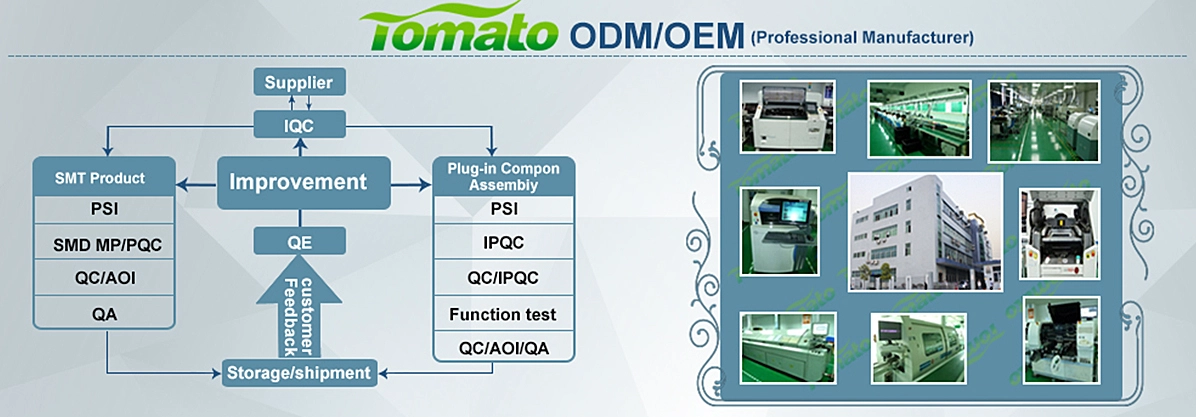
SZTomato has specialized in multimedia hardware manufacturing and OEM/ODM development since 2011. Our capabilities cover:
-
Smart TV Box hardware and PCBA customization.
-
SoC, RAM, and storage configuration.
-
Custom Android firmware and UI/UX development.
-
Linux/Android kernel and driver-level optimization.
-
IPTV middleware and SDK/API integration.
-
OTA update and device management integration.
-
Specialized thermal solutions for commercial and industrial applications.
-
OEM/ODM manufacturing and production quality control.
Whether you are developing a new IPTV terminal, launching an operator-branded Smart TV Box, or upgrading an existing streaming hardware platform, SZTomato can support your project from engineering evaluation to production.
Contact SZTomato to discuss your Smart TV Box OEM/ODM requirements. Share your target SoC, memory configuration, operating system, IPTV middleware, interface requirements, and estimated production volume. Our engineering team can evaluate the technical feasibility and recommend a suitable hardware and firmware architecture.
