
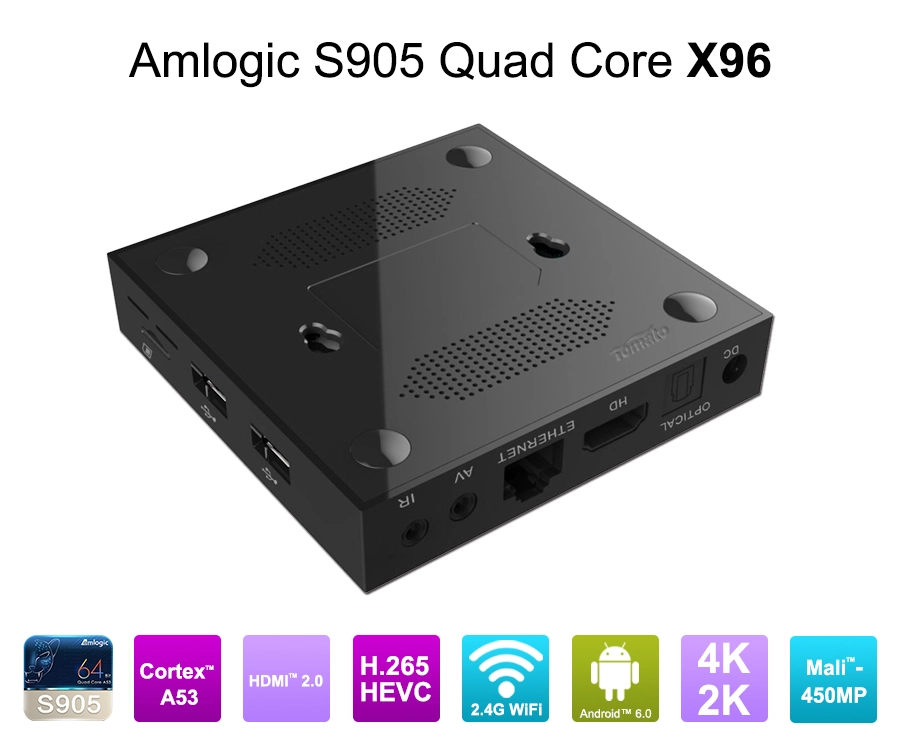
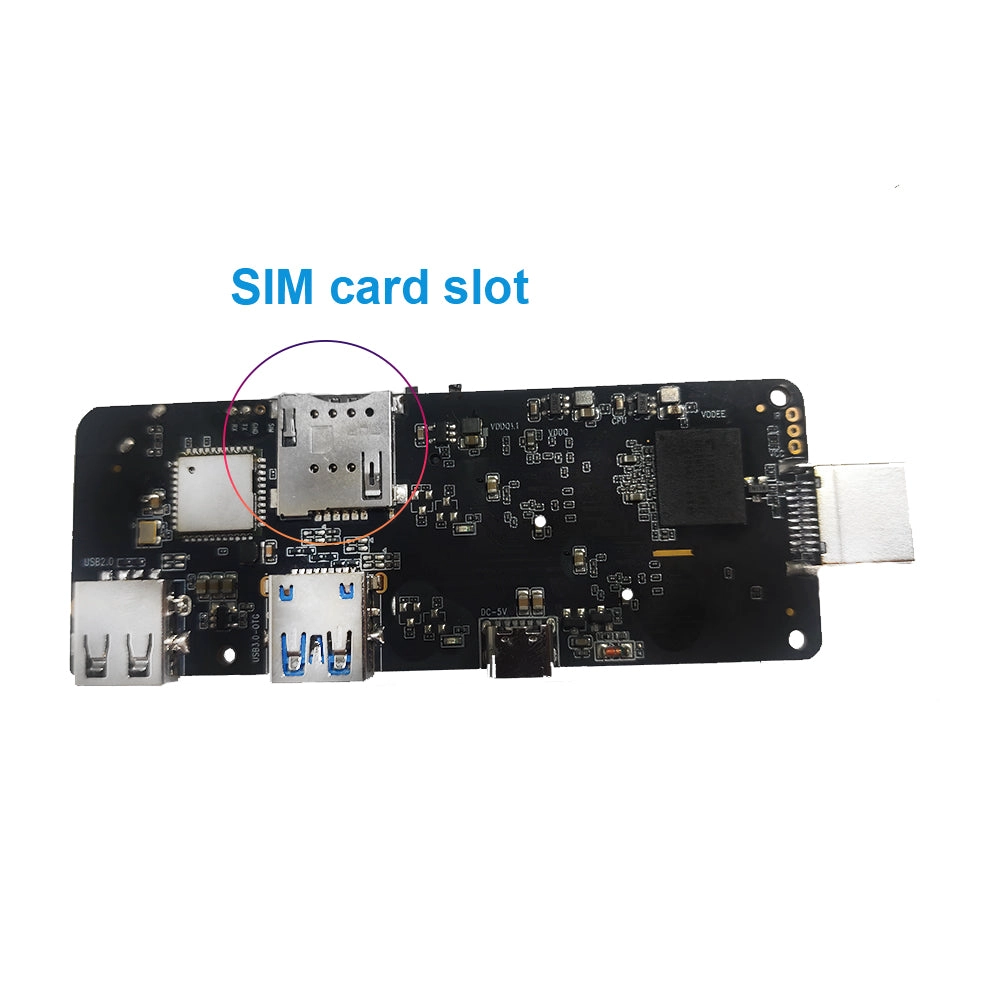
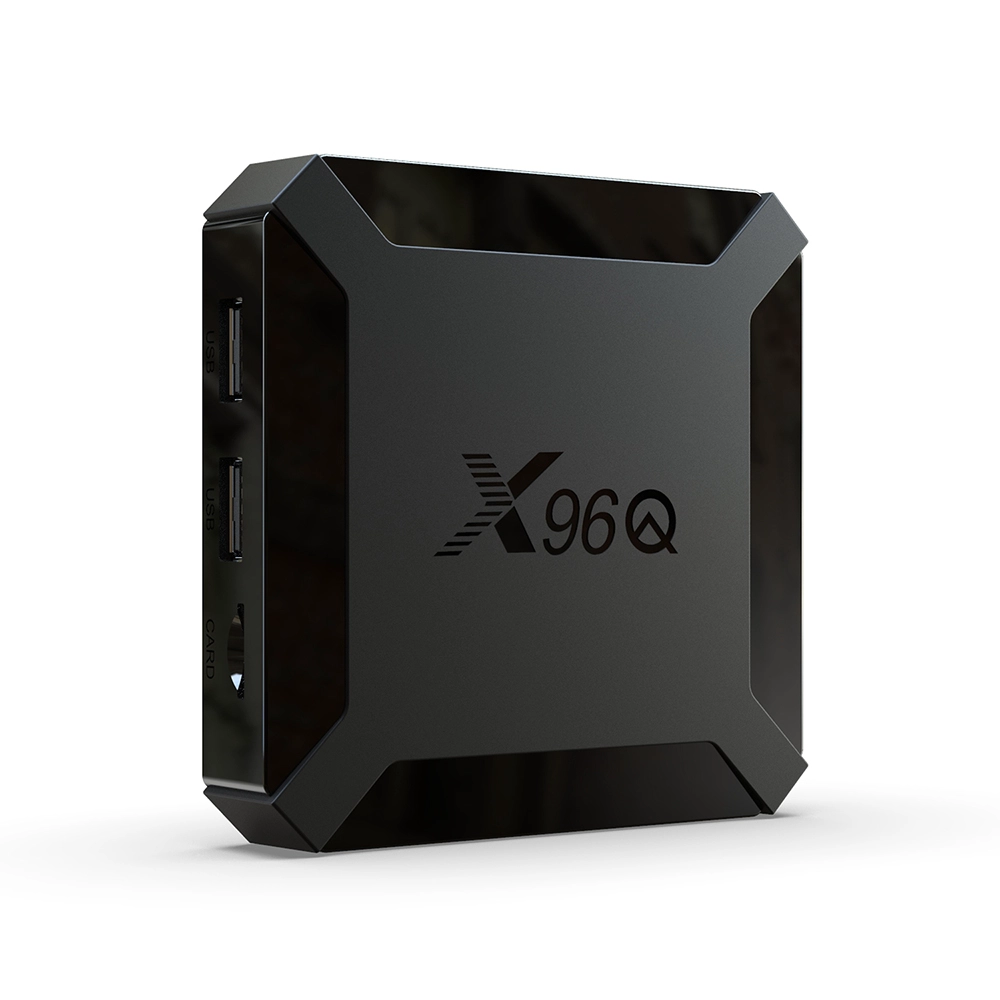
What Is the Latest Internet TV Box?
The transition from H.265 to AV1 hardware decoding, combined with the introduction of more efficient 6nm System-on-Chip (SoC) architectures, is changing the design requirements of modern Internet TV Boxes. For manufacturers and telecom operators, the challenge is no longer simply delivering 4K video. It is building a stable streaming platform that supports multiple content services, secure video delivery, consistent network performance, and long-term firmware maintenance.
In 2026, the latest Internet TV Box platforms increasingly combine quad-core ARM processors, dedicated video processing units, AI-assisted image enhancement, Wi-Fi 6 connectivity, and Android-based software environments. Higher-performance platforms also support 8K media processing, advanced interfaces, and edge computing workloads.
However, the most advanced specification sheet does not automatically translate into the best commercial product. Chipset selection, PCBA engineering, thermal design, DRM implementation, and software compatibility determine whether a device can perform reliably after deployment.
For B2B buyers, the right approach is to evaluate the complete hardware and software architecture rather than purchasing based on processor frequency or advertised RAM capacity.
1. What Defines the Latest Internet TV Box in 2026?
The latest Internet TV Box represents a combination of four major technological developments: advanced SoC architecture, efficient video decoding, intelligent image processing, and improved wireless connectivity.
1.1 Next-Generation SoC Architecture
The SoC is the central component of an Internet TV Box. It integrates the CPU, GPU, video processing engine, memory controllers, and other functional modules into a single platform.
Several chipset families are particularly relevant to commercial Internet TV Box development in 2026.
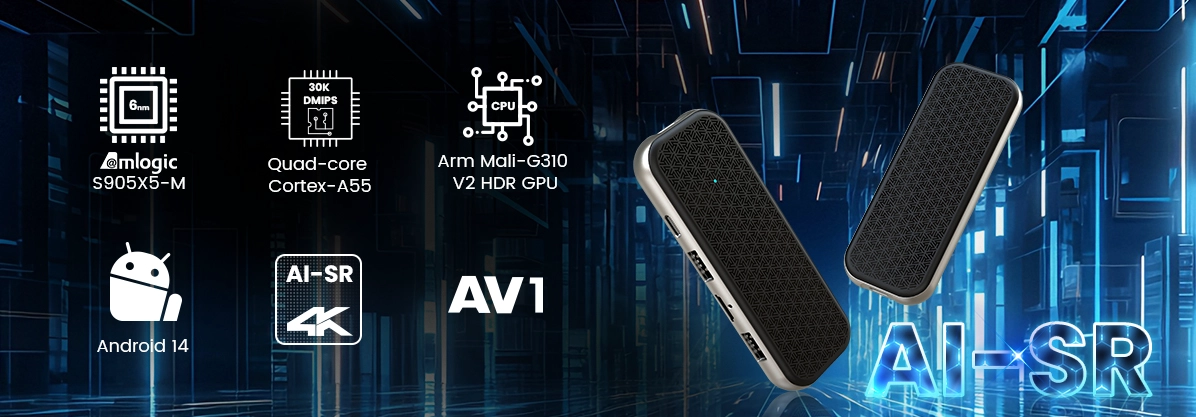
Amlogic S905X5 Series
The Amlogic S905X5 family represents an important direction for mainstream 4K streaming hardware.
Its key characteristics include:
-
Efficient ARM-based processing architecture.
-
Dedicated hardware video decoding.
-
Support for modern AV1, H.265, and VP9 video formats, depending on the specific chipset and implementation.
-
AI-assisted image enhancement capabilities on supported platforms.
-
Modern graphics processing and multimedia interfaces.
-
Integration opportunities for Android-based streaming systems.
The S905X5M is particularly relevant for compact 4K Internet TV Box products targeting IPTV operators, hospitality applications, and consumer streaming services.
For manufacturers developing branded streaming hardware, this platform offers a practical balance between processing capability, power consumption, and product cost.
Rockchip RK3588
For applications requiring more than conventional streaming, the Rockchip RK3588 provides a significantly higher computing ceiling.
Its architecture includes:
-
4× ARM Cortex-A76 cores.
-
4× ARM Cortex-A55 cores.
-
Mali-G610 MC4 GPU.
-
Up to 6 TOPS of NPU computing performance.
-
Advanced multimedia processing, including 8K-class video capabilities.
-
Multiple high-speed expansion and connectivity options.
Unlike entry-level streaming chipsets, RK3588 can support demanding workloads such as multi-display management, intelligent video processing, AI-assisted content analysis, and edge computing.
It is suitable for premium Internet TV Box designs, AI streaming devices, and commercial multimedia terminals.
Allwinner H626 and Other Cost-Optimized Platforms
Not every deployment requires a high-performance processor.
Allwinner H626 provides a cost-conscious alternative for standard 4K streaming applications. Its quad-core ARM Cortex-A55 architecture can support Android-based multimedia products where application complexity, video requirements, and budget are controlled.
For high-volume projects, the engineering objective is to avoid unnecessary processing capacity while maintaining sufficient performance for the intended application.
1.2 Internet TV Box Chipset Comparison
| Technical Parameter | Amlogic S905X5M | Rockchip RK3588 | Allwinner H626 |
|---|---|---|---|
| CPU | Quad-core Cortex-A55 | 4×A76 + 4×A55 | Quad-core Cortex-A53 |
| GPU | ARM G310 V2 | Mali-G610 MC4 | Mali-G31-class graphics |
| AI Processing | Platform-dependent AI enhancement | 6 TOPS NPU | No comparable dedicated NPU |
| Video Application | 4K streaming | Advanced 4K/8K processing | Cost-effective 4K |
| AV1 | Hardware decoding | Platform-supported decoding | Verify exact implementation |
| Typical OS | Android | Android/Linux | Android |
| Primary Application | OTT/IPTV | AI multimedia and advanced streaming | Entry-level IPTV |
Note: These are platform-level comparisons, not guaranteed specifications for every finished product. Memory configurations, supported codecs, output resolutions, interfaces, and operating systems must be verified against the specific SoC revision, SDK, and product design.
The best chipset depends on the intended deployment. An IPTV operator distributing 4K channels does not necessarily need an RK3588 platform. Conversely, a digital signage integrator running multiple displays and local AI applications should not select an entry-level streaming chipset simply to reduce the initial hardware cost.
1.3 AV1 Decoding and AI Image Enhancement
AV1 is becoming an important requirement for modern Internet TV Box platforms.
Compared with older video compression technologies, AV1 can deliver improved compression efficiency under suitable encoding conditions. This helps streaming providers reduce bandwidth requirements while maintaining visual quality.
However, AV1 support must be evaluated at the hardware level.
A processor specification mentioning AV1 does not guarantee that every application can use hardware decoding. The operating system, multimedia framework, decoder implementation, and streaming application must work together.
For B2B procurement, the following items deserve verification:
-
AV1 hardware decoding at the required resolution and frame rate.
-
H.265/HEVC and VP9 compatibility.
-
HDR10 and HDR10+ support where required.
-
Hardware acceleration through the appropriate Android or Linux multimedia framework.
-
Stable playback under sustained network and thermal loads.
AI Super Resolution (AI-SR) is another development worth considering. Supported platforms can use image-processing algorithms to improve the perceived quality of lower-resolution content on 4K displays.
This feature is particularly useful for IPTV operators managing mixed-resolution content libraries.
2. Essential Technologies to Evaluate Before Choosing an Internet TV Box
A modern Internet TV Box must operate as an integrated multimedia system. The chipset alone cannot guarantee stable playback, secure content delivery, or reliable connectivity.
2.1 4K and 8K Video Processing
Resolution is one of the first specifications buyers examine, but it should never be evaluated in isolation.
A 4K Internet TV Box should be assessed against:
-
3840 × 2160 output resolution.
-
60fps playback where supported.
-
AV1, H.265, and VP9 hardware decoding.
-
HDR10, HDR10+, or other required HDR formats.
-
HDMI output compatibility.
-
Consistent frame delivery during extended playback.
For 8K applications, the requirements become more demanding. Buyers should verify the actual decoding profile, supported frame rate, HDMI output capability, memory bandwidth, and display compatibility.
There is an important distinction between 8K video decoding and 8K display output. A chipset may decode an 8K video stream without supporting the required 8K output interface or frame rate.
A supplier should therefore provide a complete video-processing specification rather than relying on an isolated 8K marketing claim.
2.2 Connectivity: Wi-Fi 6, Ethernet, and Bluetooth
Network performance directly affects the quality of Internet-based video services.
A modern Internet TV Box should support connectivity options appropriate for its deployment environment.
Wi-Fi 6
Wi-Fi 6 (802.11ax) provides improved network efficiency, particularly in environments with multiple connected devices.
It is suitable for:
-
Hotels and hospitality streaming.
-
Residential IPTV.
-
Shared wireless networks.
-
Commercial multimedia installations.
Actual performance depends on antenna design, RF layout, wireless module selection, router compatibility, and environmental interference.
Gigabit Ethernet
For IPTV operators and commercial installations, wired networking remains the preferred option when consistent bandwidth and low interference are important.
A Gigabit Ethernet interface is particularly useful for high-bitrate 4K media, local network streaming, and managed IPTV environments.
Bluetooth
Bluetooth connectivity supports wireless remote controls, keyboards, headphones, and other peripherals.
The final specification should identify the Bluetooth version and supported profiles rather than simply stating that Bluetooth is available.
2.3 DRM, HDCP, and Secure Streaming
For commercial streaming products, content protection is a critical engineering requirement.
A device may decode 4K video successfully but still fail to deliver premium streaming services because its DRM configuration or certification does not meet the service provider's requirements.
Three areas require particular attention:
Widevine DRM
Widevine is widely used in streaming ecosystems to protect premium video content. The required security level depends on the content provider and service agreement.
Hardware capability alone does not establish Widevine L1 certification.
HDCP
High-bandwidth Digital Content Protection (HDCP) protects digital content transmitted through interfaces such as HDMI.
The required HDCP version must match the content provider, source device, display, and applicable service requirements.
Secure Boot and Firmware Integrity
Commercial deployments should also consider secure boot, firmware signing, protected key storage, and controlled system updates.
These features help reduce unauthorized firmware modification and improve device lifecycle management.
For B2B projects, DRM compatibility should be confirmed early in development. It is not a feature that can always be added through a simple firmware update after mass production.
2.4 Android TV, Android AOSP, and Linux Compatibility
The operating system determines application compatibility, user experience, device management, and maintenance requirements.
The main choices are:
-
Android TV OS / Google TV: Suitable for projects requiring the corresponding certified ecosystem, supported Google services, and compatible streaming applications.
-
Android AOSP: Suitable for customized IPTV terminals, private applications, branded launchers, and controlled commercial environments.
-
Linux: Suitable for specialized multimedia applications, embedded systems, and projects requiring a lightweight, controlled software stack.
These platforms are not interchangeable.
Google TV branding, Google Play access, Google certification, and premium streaming service authorization require the appropriate approvals. An Android-based device should not be represented as Google-certified simply because it runs Android.
For operators managing thousands of devices, the software architecture should also support:
-
Remote firmware updates.
-
OTA update management.
-
Automatic application startup.
-
Custom launcher interfaces.
-
Remote device monitoring.
-
Kiosk mode and application restrictions.
-
API and SDK integration.
-
Recovery and firmware rollback mechanisms.
A properly designed OTA system can reduce maintenance costs by allowing software updates to be distributed without physically accessing deployed devices.
3. How to Select the Right Internet TV Box for Commercial Applications
The best Internet TV Box is determined by the workload, not by the highest available hardware configuration.
A practical procurement process should begin with application requirements and then translate those requirements into chipset, memory, interface, and software specifications.
3.1 Match the Hardware Platform to the Deployment
| Application | Recommended Platform Direction | Important Requirements |
|---|---|---|
| Residential IPTV | S905X5M-class | 4K AV1, stable Wi-Fi, HDMI |
| Hotel IPTV | S905X5 / S905X5M-class | Custom UI, OTA, remote management |
| Telecom Operator STB | Operator-qualified SoC | DRM, security, network integration |
| Commercial 4K Signage | S905X5 or higher | Continuous playback, Ethernet, kiosk mode |
| Advanced Multimedia Terminal | RK3588 | High-performance GPU, multiple interfaces |
| AI Streaming and Edge Computing | RK3588-class | NPU, AI SDK, memory bandwidth |
These are starting points for product planning rather than universal prescriptions. The final architecture should be validated against application software, video workload, operating environment, and commercial requirements.
3.2 Memory and Storage Configuration
RAM and storage influence application responsiveness, background services, caching, and software maintenance.
Typical commercial configurations include:
-
2GB RAM with 16GB eMMC for basic IPTV applications.
-
4GB RAM with 32GB or 64GB eMMC for more demanding Android environments.
-
8GB RAM or higher for advanced multimedia and AI applications, depending on the selected SoC.
For operator-grade products, eMMC is generally preferable to low-cost removable storage for the system partition.
The memory configuration should also account for the operating system, pre-installed applications, OTA update packages, log files, and available storage after firmware installation.
Choosing excessive memory increases BOM cost without necessarily improving the user experience. A properly optimized firmware image can often deliver better results than simply increasing RAM.
3.3 PCBA Design and Thermal Management
One of the most underestimated aspects of Internet TV Box manufacturing is PCBA engineering.
Two products using the same SoC can produce different results because of differences in PCB layout, component quality, power delivery, antenna placement, and thermal design.
Important engineering considerations include:
Power Management
The power supply and voltage regulation circuits must provide stable operating conditions under peak CPU, GPU, memory, and wireless workloads.
Poor power design can cause random reboots, system instability, and peripheral failures.
PCB Layout and Signal Integrity
High-speed interfaces such as HDMI, USB 3.0, and Ethernet require careful PCB routing and signal-integrity validation.
RF layout and antenna positioning also influence wireless performance.
Thermal Design
Continuous streaming, AI image processing, and commercial signage workloads can generate substantial heat.
An appropriate thermal solution may include:
-
Optimized heatsink structures.
-
Thermal interface materials.
-
Improved PCB thermal paths.
-
Ventilation and enclosure optimization.
-
Specialized cooling solutions for industrial environments.
For devices operating continuously in hotels, retail locations, transport facilities, or industrial installations, thermal validation should include extended operating tests under realistic ambient conditions.
A low-cost enclosure that performs well during a short laboratory demonstration may not be suitable for 24/7 commercial operation.
3.4 Firmware Customization and Long-Term Maintenance
Hardware determines the available computing resources. Firmware determines how effectively those resources are used.
A commercial Internet TV Box may require custom boot animations, branded launcher interfaces, pre-installed applications, automatic startup, application restrictions, and remote management.
Linux and Android kernel optimization can also improve boot performance, peripheral compatibility, memory utilization, and overall system stability.
For IPTV operators, SDK/API integration is particularly important because the device may need to communicate with proprietary middleware, subscriber management systems, content delivery platforms, or remote device-management servers.
An effective firmware development plan should define:
-
Operating system and kernel requirements.
-
Required hardware drivers and peripheral interfaces.
-
Application and middleware integration.
-
Custom UI/UX and system-level modifications.
-
OTA update and recovery mechanisms.
-
Compatibility testing and long-term maintenance responsibilities.
These requirements should be agreed upon before mass production to avoid expensive changes after deployment.
4. Internet TV Box OEM/ODM: What Should B2B Buyers Expect from a Manufacturer?
For brand owners, telecom operators, wholesalers, and system integrators, selecting a manufacturer involves more than finding an available hardware model.
The supplier must be capable of translating application requirements into a stable, manufacturable, and maintainable product.
4.1 OEM Customization: Building on an Existing Hardware Platform
OEM customization is suitable when the existing hardware architecture already meets the project's technical requirements.
Common customization options include:
-
Customer-specific logo and product branding.
-
Custom boot logo and boot animation.
-
Customized Android launcher and UI/UX.
-
Pre-installed applications.
-
Custom packaging and accessories.
-
Memory and storage configuration.
-
Wireless module and interface options.
This approach can shorten development time and reduce initial engineering costs.
4.2 ODM Development: Custom PCBA and Hardware Engineering
ODM development is more appropriate when standard products cannot meet the project's functional or physical requirements.
Possible engineering modifications include:
-
Custom PCBA layout and circuit design.
-
SoC platform selection and hardware adaptation.
-
Additional USB, HDMI, Ethernet, or other interfaces.
-
Custom wireless and antenna configurations.
-
Power management optimization.
-
Specialized cooling solutions.
-
Enclosure and mechanical structure development.
For industrial multimedia applications, custom hardware should be evaluated against operating temperature, continuous workload, installation conditions, and expected product lifecycle.
4.3 Why Firmware Engineering Matters
A customized Internet TV Box must integrate correctly with the customer's software ecosystem.
SZTomato supports firmware-level customization across Android AOSP, Android TV OS, and Linux/Ubuntu platforms, subject to platform and licensing requirements.
Engineering services can include:
-
Custom UI/UX and launcher development.
-
Android system and Linux kernel adaptation.
-
SDK/API integration.
-
Application auto-start and kiosk functionality.
-
Custom OTA server configuration.
-
MDM and TR-069 integration.
-
Device management and system-level optimization.
For telecom operators, these capabilities help establish a consistent device experience across a managed hardware fleet.
For digital signage integrators, they provide more control over content playback, application execution, display orientation, and remote maintenance.
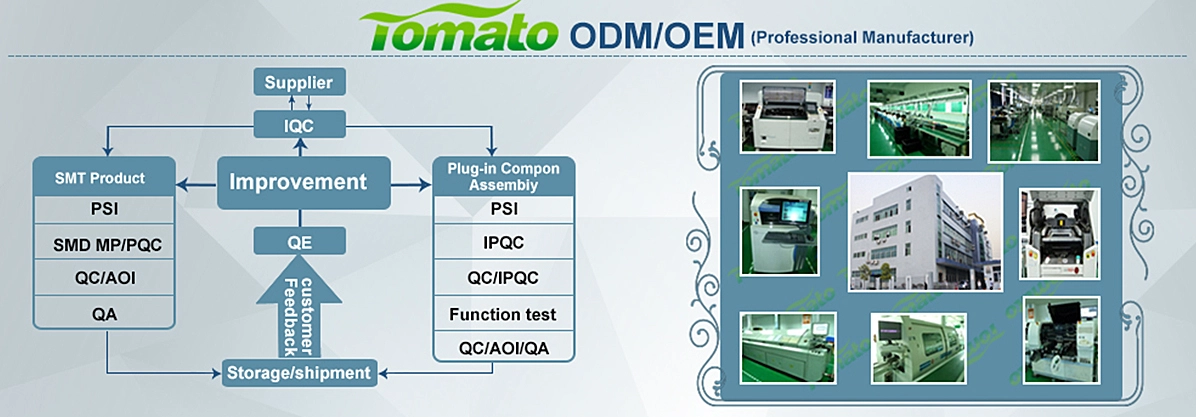
4.4 Manufacturing, Quality Control, and Project Validation
A professional OEM/ODM process should include more than sample approval.
A typical development and manufacturing workflow involves:
-
Requirement Analysis: Define SoC, memory, codecs, interfaces, operating system, and application requirements.
-
Engineering Evaluation: Confirm chipset suitability, PCBA design, power consumption, and thermal conditions.
-
Prototype Development: Build samples for hardware and firmware evaluation.
-
System Validation: Test video playback, network stability, DRM compatibility, peripheral operation, and OTA functionality.
-
Pilot Production: Validate manufacturing consistency and identify potential assembly issues.
-
Mass Production: Implement production testing, quality inspection, and traceability.
-
After-Sales Engineering: Provide firmware maintenance and technical support according to the project agreement.
The objective is to minimize hardware and software discrepancies between the approved sample and the mass-produced device.
For large-volume projects, production testing should include repeatable checks for HDMI output, Ethernet, Wi-Fi, Bluetooth, memory, storage, power consumption, and firmware integrity.
Conclusion: Choosing the Latest Internet TV Box Is an Engineering Decision
The latest Internet TV Box in 2026 is defined by the combination of efficient SoC architecture, AV1 hardware decoding, advanced video processing, reliable connectivity, secure content delivery, and maintainable software.
For mainstream 4K streaming and IPTV applications, Amlogic S905X5 and S905X5M platforms provide practical development options. For more demanding multimedia processing, 8K-class applications, and AI workloads, Rockchip RK3588 offers a higher-performance architecture.
However, selecting the right chipset is only the first step. PCBA quality, thermal management, firmware optimization, DRM compatibility, and OTA infrastructure ultimately determine whether a product can meet commercial deployment requirements.
SZTomato: Your Internet TV Box OEM/ODM Manufacturing Partner
Established in 2011, SZTomato is a Shenzhen-based manufacturer specializing in Android TV Box, Smart TV Box, IPTV Set Top Box, Streaming Media Player, Digital Signage, and AI multimedia hardware.
SZTomato supports B2B customers with integrated hardware and software development capabilities, including PCBA modification, SoC platform selection, custom firmware, SDK/API integration, UI/UX customization, and specialized cooling solutions for industrial applications.
Whether you are developing a branded 4K Internet TV Box, an operator-specific IPTV terminal, or a high-performance AI multimedia device, our engineering team can help translate your product requirements into a manufacturable solution.
Contact SZTomato to discuss your Internet TV Box OEM/ODM project, evaluate chipset options, and develop a customized hardware and firmware solution for your target market.
