
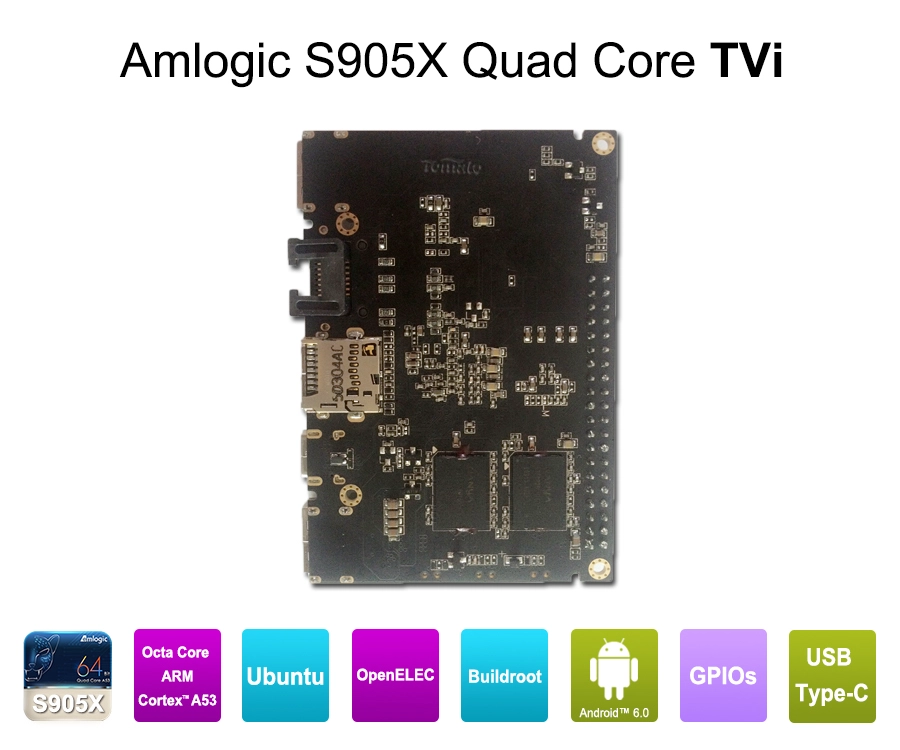
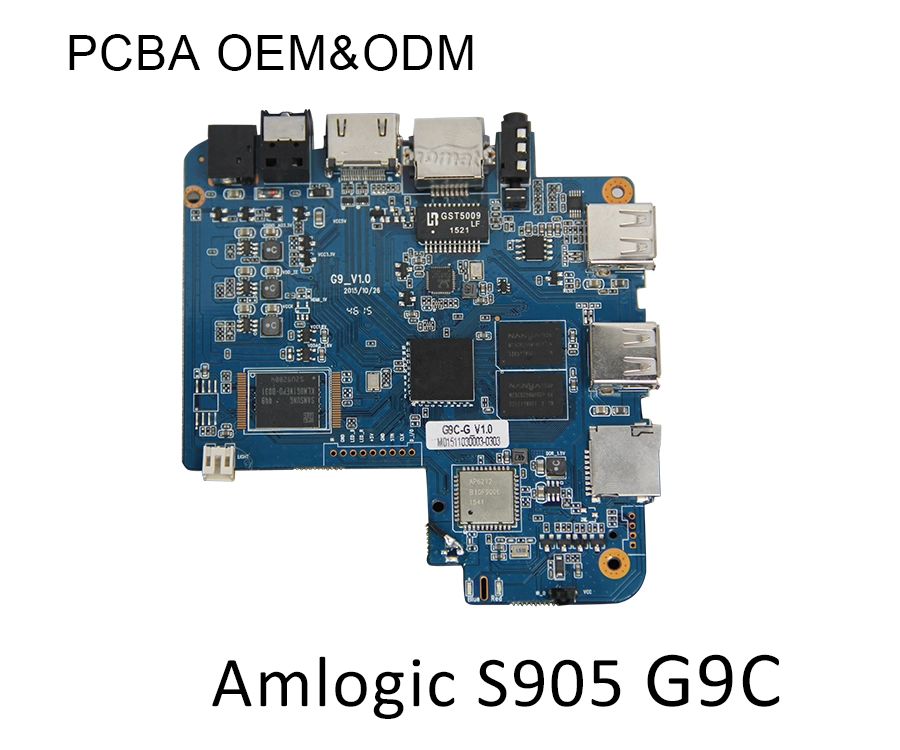
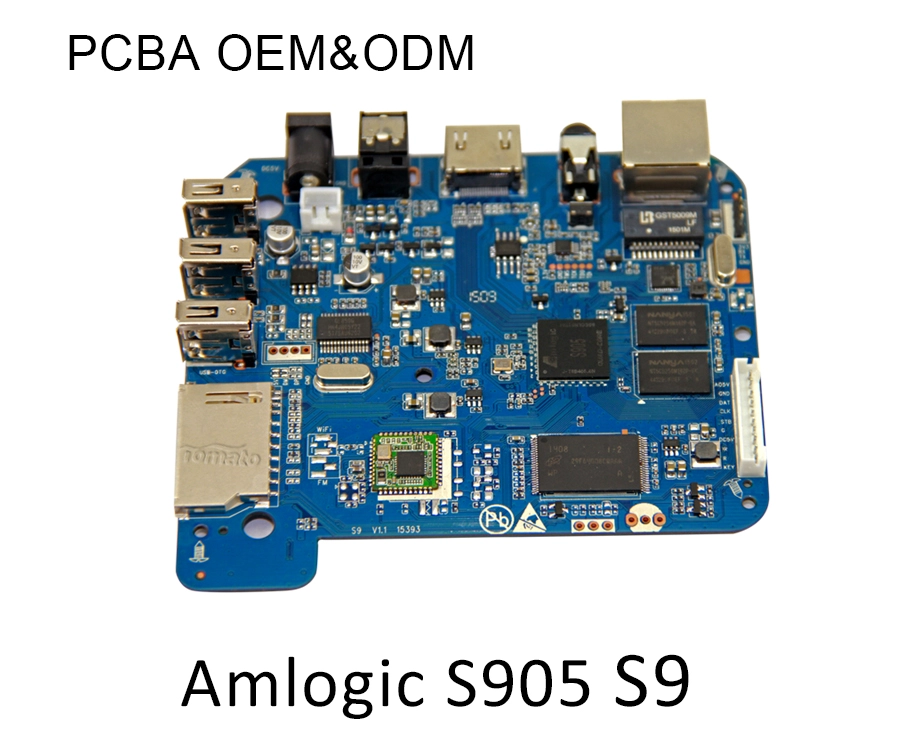
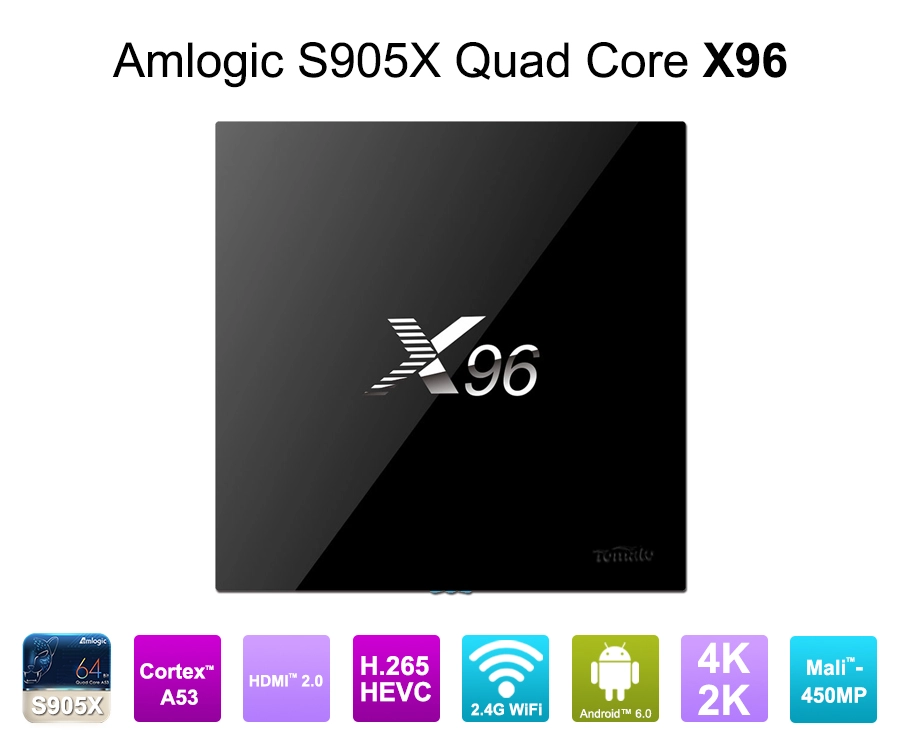
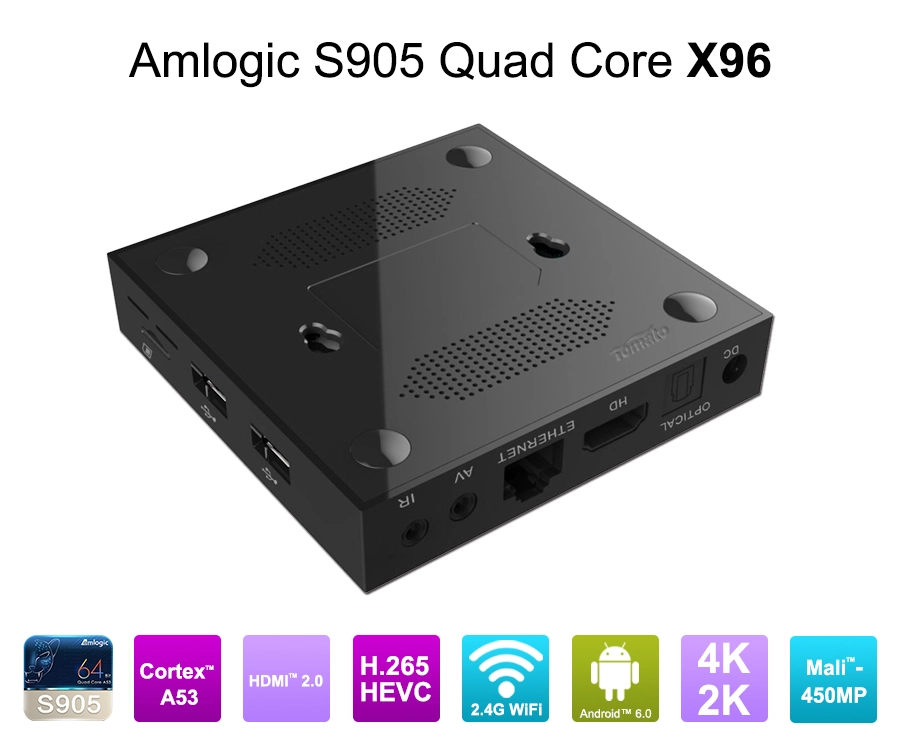
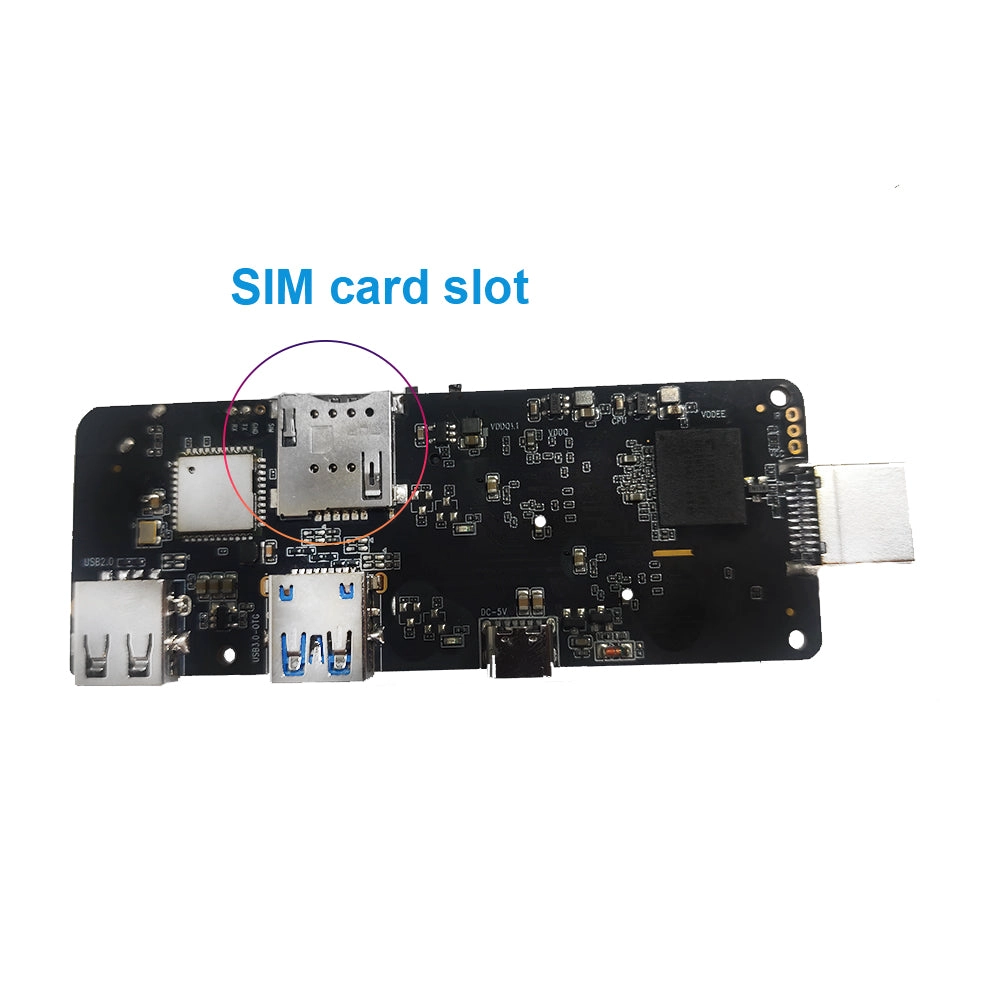
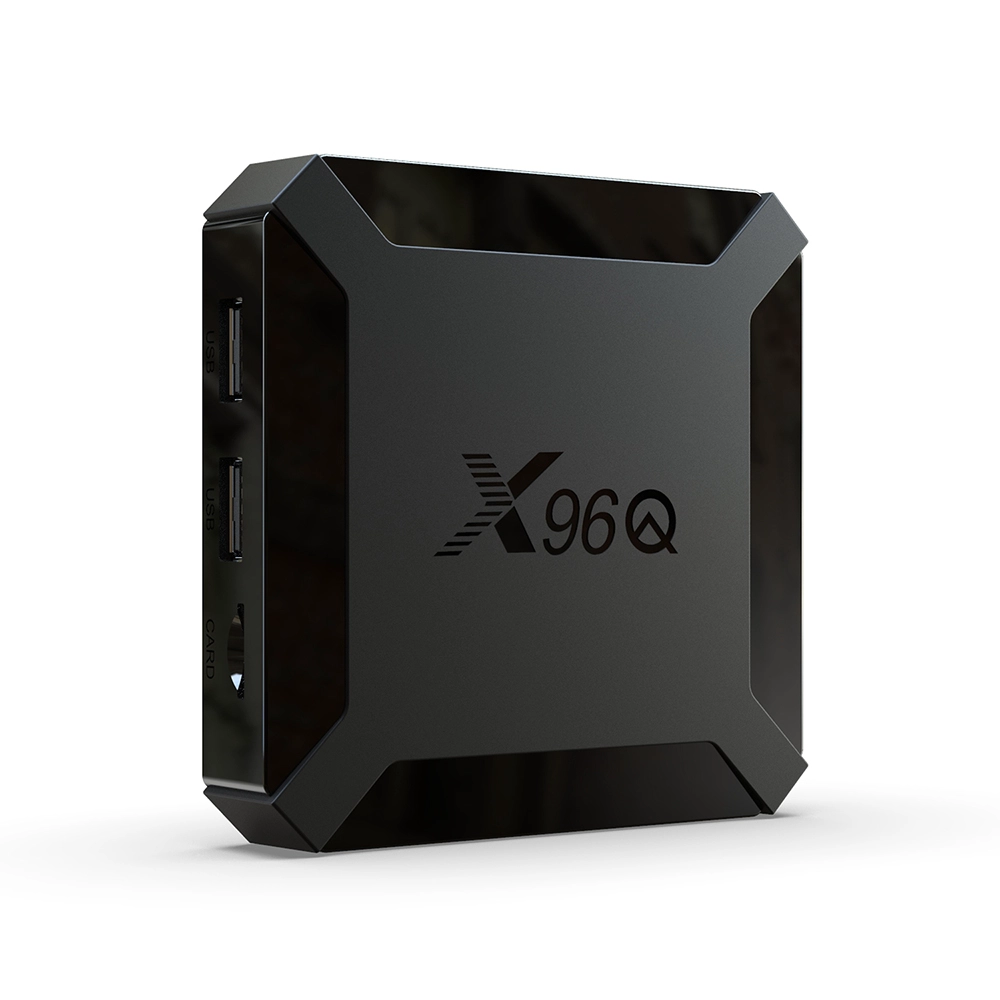
What is the spec of OTT TV Box?
The transition to AV1 video decoding, higher-efficiency ARM processors, and increasingly demanding streaming applications has changed the specifications required for a competitive OTT TV Box. For streaming platform operators and hardware brands, the challenge is not simply supporting 4K video. A commercially viable device must maintain stable playback, meet content protection requirements, support the required applications, and remain manageable throughout its service life.
An OTT TV Box combines a System-on-Chip (SoC), memory, storage, video processing hardware, network interfaces, and an operating system into a dedicated streaming platform. Each component affects the performance, compatibility, manufacturing cost, and reliability of the finished product.
For B2B buyers, selecting the correct specification requires understanding how these components work together. A high-performance processor cannot compensate for poor RF design, insufficient memory bandwidth, unstable firmware, or inadequate thermal management.
This guide examines the essential OTT TV Box specifications, recommended hardware configurations, and engineering considerations for OEM/ODM development.
1. What Are the Essential Hardware Specifications of an OTT TV Box?
The hardware architecture determines what an OTT TV Box can process, which applications it can run, and how reliably it performs under continuous streaming workloads.
For most commercial applications, the primary components are the SoC, RAM, internal storage, video decoder, graphics processor, network interfaces, and HDMI output.
1.1 Processor (SoC): The Foundation of OTT TV Box Performance
The System-on-Chip is the central component of an OTT TV Box. It integrates the CPU, GPU, video processing unit, memory controller, and other functional modules.
The choice of SoC should reflect the intended application rather than processor frequency alone.
Several platforms are relevant to OTT hardware development.
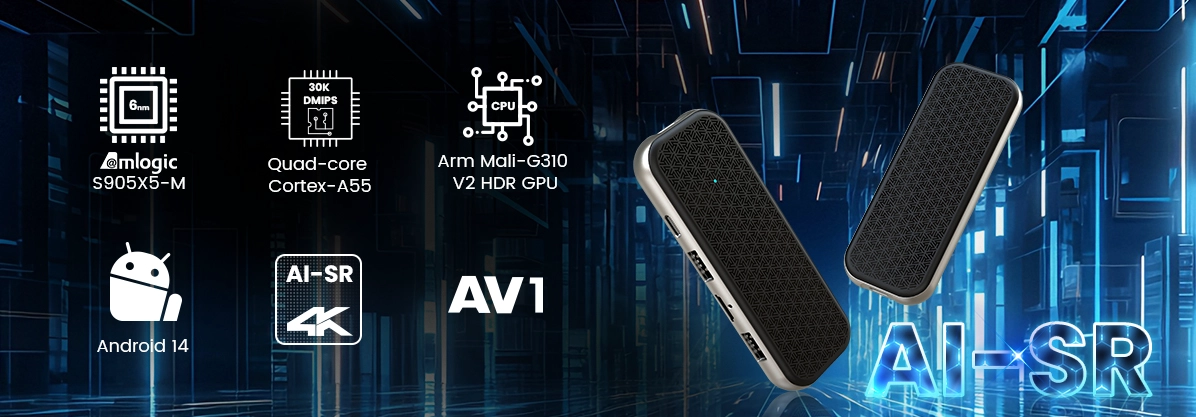
Amlogic S905X5 and S905X5M
The Amlogic S905X5 family is relevant to modern 4K streaming product development.
Key evaluation areas include:
-
ARM-based CPU architecture.
-
Dedicated video decoding hardware.
-
AV1, H.265/HEVC, and VP9 support, subject to the specific chipset implementation.
-
GPU acceleration for Android applications.
-
Modern multimedia processing capabilities.
-
Support for customized Android-based software platforms.
S905X5M is particularly suitable for evaluating compact 4K OTT TV Box designs targeting streaming providers, IPTV operators, and hospitality applications.
Before selecting a specific variant, manufacturers should verify supported codec profiles, maximum decoding resolution, HDMI output capabilities, memory interfaces, and SDK availability.
Rockchip RK3588
The Rockchip RK3588 is a higher-performance option for advanced multimedia and AI applications.
Its principal hardware specifications include:
-
CPU: 4× ARM Cortex-A76 + 4× ARM Cortex-A55.
-
GPU: ARM Mali-G610 MC4.
-
NPU: Up to 6 TOPS INT8.
-
Memory: LPDDR4, LPDDR4X, or LPDDR5, depending on implementation.
-
Storage: eMMC 5.1 and additional high-speed storage interfaces.
-
Video decoding: 8K-class H.265 and VP9, with AV1 decoding up to 4K@60fps.
-
Video encoding: H.264/H.265 up to 8K@30fps.
-
Display interfaces: HDMI 2.1 and other high-speed display interfaces.
RK3588 is appropriate when an OTT TV Box must handle more demanding workloads, such as advanced graphics, multiple displays, AI-assisted video processing, or integration with edge computing applications.
It offers considerably more processing capacity than a typical entry-level streaming platform, but also requires more careful power and thermal engineering.
Allwinner H626
For cost-sensitive streaming products, Allwinner H626 offers another hardware direction.
Its architecture includes a quad-core ARM Cortex-A55 CPU, 4K@60Hz HDMI output capabilities, hardware multimedia processing, and support for Android 14-based software implementations.
It is worth evaluating for high-volume OTT and IPTV products where the application workload does not justify a premium SoC.
The final product specification should also consider its available Ethernet, wireless, memory, and storage configurations.
1.2 RAM: How Much Memory Does an OTT TV Box Need?
RAM directly affects application responsiveness, multitasking, system stability, and background service operation.
The appropriate configuration depends on the operating system and application workload.
| RAM Configuration | Recommended Application | Engineering Consideration |
|---|---|---|
| 1GB | Highly restricted embedded applications | Limited multitasking capacity |
| 2GB | Basic OTT and IPTV applications | Suitable for controlled software environments |
| 4GB | Mainstream Android streaming products | Better application and background-service capacity |
| 8GB | Advanced multimedia applications | Suitable for demanding software workloads |
| 16GB or higher | AI and edge computing applications | Requires corresponding SoC and memory support |
For mainstream Android OTT TV Box products, 2GB or 4GB RAM is a practical starting point.
A 4GB configuration provides more flexibility for application installation, launcher customization, background services, and future software updates.
However, increasing RAM does not automatically improve streaming quality. Video decoding is primarily handled by dedicated hardware, while application performance also depends on CPU architecture, storage speed, memory bandwidth, and firmware optimization.
1.3 Internal Storage: eMMC or NAND Flash?
Storage determines how the system image, applications, cached content, and update packages are maintained.
Common configurations include:
-
8GB eMMC: Basic embedded streaming applications.
-
16GB eMMC: Standard OTT and IPTV applications.
-
32GB eMMC: Multiple applications and expanded system functionality.
-
64GB eMMC: Advanced applications and additional local storage requirements.
-
128GB eMMC or higher: Specialized multimedia and commercial applications, subject to platform support.
For commercial OTT products, eMMC is generally a suitable choice for the system storage environment.
Buyers should evaluate storage endurance, sequential read/write performance, controller quality, and available space after firmware installation.
A device with insufficient storage may encounter OTA update failures or application installation limitations even when its processor and RAM are adequate.
1.4 GPU and Video Decoder Specifications
The GPU handles graphical rendering, application interfaces, animations, and supported graphics workloads.
The dedicated video processing unit (VPU) handles supported video decoding and encoding operations.
An OTT TV Box intended for 4K streaming should be evaluated against the following requirements:
| Video Parameter | Recommended Evaluation |
|---|---|
| Maximum resolution | 4K UHD (3840 × 2160) |
| Frame rate | Up to 60fps where supported |
| AV1 | Hardware decoding |
| H.265/HEVC | Main and Main10 profile support as required |
| VP9 | Profile and level compatibility |
| H.264/AVC | Hardware decoding |
| HDR | HDR10, HDR10+, HLG, as required |
| HDMI | HDMI 2.0 or higher, depending on output requirements |
For advanced multimedia projects, 8K decoding may be necessary.
However, buyers must distinguish between video decoding and display output. A processor capable of decoding 8K video does not necessarily support 8K output through every available interface.
The complete video pipeline must be validated, including the decoder, memory bandwidth, display controller, HDMI transmitter, firmware, and target display.
2. Connectivity, HDMI, DRM, and Operating System Specifications
A technically capable OTT TV Box still requires reliable connectivity, secure content delivery, and software compatibility.
These factors are particularly important for streaming service providers distributing premium content or managing large device fleets.
2.1 Wi-Fi, Ethernet, and Bluetooth
Network interfaces determine how an OTT TV Box connects to streaming servers, local networks, remote controls, and external peripherals.
Wi-Fi 5 and Wi-Fi 6
Wi-Fi 5 (802.11ac) remains suitable for many standard streaming deployments.
Wi-Fi 6 (802.11ax) offers improved network efficiency and better handling of environments with multiple connected devices.
For commercial applications, Wi-Fi 6 is worth considering in:
-
Hotels and serviced apartments.
-
Residential streaming environments.
-
Shared wireless networks.
-
Commercial display installations.
Actual throughput depends on antenna design, RF circuit layout, wireless module selection, router compatibility, and environmental interference.
Ethernet
Wired Ethernet is often preferable for operator-managed OTT deployments.
Common options include:
-
10/100Mbps Ethernet.
-
Gigabit Ethernet.
For high-bitrate 4K content, Gigabit Ethernet provides additional network capacity and flexibility.
However, the actual Ethernet controller, PHY, PCB routing, and network driver must be evaluated. A product should not be advertised as Gigabit Ethernet simply because the SoC supports a Gigabit MAC.
Bluetooth
Bluetooth supports wireless remote controls, keyboards, headphones, and other peripherals.
Bluetooth 5.x is a practical specification direction for modern streaming products, subject to the wireless module and software implementation.
2.2 HDMI Output and HDCP Protection
HDMI is the primary digital video and audio interface for most OTT TV Boxes.
For mainstream 4K streaming, HDMI 2.0 is commonly sufficient for 4K@60Hz output under the supported color and bandwidth configurations.
HDMI 2.1 may be required for higher-bandwidth display applications, advanced interfaces, or specific product requirements.
HDCP is equally important.
High-bandwidth Digital Content Protection (HDCP) protects digital content transmitted between the OTT TV Box and the display.
Relevant implementation considerations include:
-
HDCP 1.4 compatibility.
-
HDCP 2.2 support for protected 4K content where required.
-
Compatible HDMI transmitter and receiver components.
-
Correct key provisioning.
-
Firmware integration and authentication testing.
The required HDCP version depends on the content service, output resolution, display equipment, and licensing conditions.
A device supporting 4K HDMI output does not automatically qualify for every premium streaming service.
2.3 DRM and OTT Platform Compatibility
Digital Rights Management (DRM) is a core requirement for commercial OTT hardware.
Streaming platforms use DRM systems to control access to protected video content.
Widevine is widely used across Android streaming ecosystems.
Its security level is particularly important:
-
Widevine L3: Software-based content protection.
-
Widevine L1: Hardware-backed security architecture, subject to implementation and certification requirements.
A chipset's security capabilities alone do not guarantee Widevine L1 certification.
The complete implementation may involve:
-
Trusted Execution Environment (TEE).
-
Secure boot.
-
Secure key storage.
-
Hardware-backed cryptographic functions.
-
DRM provisioning.
-
Device certification and service authorization.
Netflix, Prime Video, and other premium streaming platforms may impose additional device approval and certification requirements.
B2B buyers should confirm these requirements before finalizing the hardware architecture. Retrofitting secure DRM capabilities after the PCBA and firmware architecture have been completed can be difficult or commercially impractical.
2.4 Android TV, Android AOSP, and Linux
The operating system determines application compatibility, user experience, software customization, and maintenance requirements.
Android TV OS / Google TV
Suitable for products requiring the corresponding certified Google ecosystem and compatible streaming applications.
Google certification, Google Play access, and Google TV branding must be obtained through the applicable approval process.
Android AOSP
Suitable for branded OTT devices, private streaming platforms, IPTV middleware, customized launchers, and operator-controlled application environments.
AOSP provides flexibility for system-level customization and application integration.
Linux
Suitable for embedded streaming systems, specialized multimedia platforms, and projects requiring a controlled software environment.
The appropriate choice depends on the application ecosystem, middleware, licensing requirements, and expected product lifecycle.
For commercial deployment, buyers should also verify:
-
Android version and security patch strategy.
-
Linux kernel version and driver support.
-
OTA update functionality.
-
Application compatibility.
-
Recovery and factory reset mechanisms.
-
Remote management capabilities.
3. Recommended OTT TV Box Specifications for Different Applications
There is no universal specification that fits every OTT TV Box project.
An entry-level streaming terminal, a premium OTT device, and an AI-enabled commercial multimedia platform have different hardware requirements.
The following configurations provide practical starting points for OEM/ODM product planning.
3.1 Standard 4K OTT TV Box
A standard 4K OTT TV Box is designed for streaming providers, IPTV services, hospitality applications, and branded multimedia products.
| Component | Recommended Configuration |
|---|---|
| SoC | Amlogic S905X5M-class |
| CPU | Quad-core ARM architecture, according to SoC |
| RAM | 2GB / 4GB |
| Storage | 16GB / 32GB eMMC |
| Video | 4K@60Hz-class decoding |
| Codecs | AV1, H.265, VP9, H.264 |
| Wi-Fi | Wi-Fi 5 / Wi-Fi 6 |
| Ethernet | 10/100Mbps or Gigabit |
| Bluetooth | Optional Bluetooth 5.x |
| HDMI | HDMI 2.0-class output |
| OS | Android-based platform |
| DRM | According to service requirements |
| Application | OTT, IPTV, streaming services |
This configuration is suitable for projects where stable 4K playback, application compatibility, and manufacturing cost are the main priorities.
3.2 Premium OTT TV Box
Premium products require additional processing resources and more flexible hardware configurations.
| Component | Recommended Configuration |
|---|---|
| SoC | Higher-performance Amlogic or Rockchip platform |
| RAM | 4GB / 8GB |
| Storage | 32GB / 64GB eMMC |
| Video | Advanced 4K or 8K-class processing |
| Codecs | AV1, H.265, VP9, H.264 |
| Wi-Fi | Wi-Fi 6 |
| Ethernet | Gigabit Ethernet |
| Bluetooth | Bluetooth 5.x |
| HDMI | According to output requirements |
| OS | Android TV / Android AOSP |
| DRM | Required platform certification |
| Application | Premium OTT, IPTV, multimedia services |
This category is appropriate for brands that require more application flexibility, advanced video processing, and higher-end connectivity.
3.3 High-Performance OTT and AI Multimedia Box
For applications extending beyond conventional streaming, an RK3588-based architecture provides greater processing capacity.
| Component | Recommended Configuration |
|---|---|
| SoC | Rockchip RK3588 |
| CPU | 4× Cortex-A76 + 4× Cortex-A55 |
| GPU | Mali-G610 MC4 |
| NPU | Up to 6 TOPS INT8 |
| RAM | 8GB / 16GB, subject to design |
| Storage | 32GB / 64GB / 128GB eMMC |
| Video | Advanced 4K/8K-class processing |
| Connectivity | Gigabit Ethernet, Wi-Fi 6 options |
| USB | USB 3.0 and other supported interfaces |
| Display | HDMI 2.1-class interface |
| OS | Android / Linux |
| Application | AI streaming, multi-display, advanced multimedia, edge computing |
This architecture is suitable for projects combining OTT streaming with AI inference, digital signage, local video analysis, and advanced multimedia applications.
It is not necessary for every OTT TV Box. Its additional processing capacity should be justified by the application workload.
3.4 Which Specifications Should B2B Buyers Prioritize?
When comparing supplier quotations, procurement teams should distinguish between essential requirements and optional features.
| Priority | Specification | Reason |
|---|---|---|
| Critical | SoC and hardware decoder | Determines processing and codec capabilities |
| Critical | DRM and certification | Determines premium content compatibility |
| Critical | RAM and eMMC | Affects application and system operation |
| Critical | HDMI and HDCP | Determines protected video output |
| High | Wi-Fi and Ethernet | Affects streaming stability |
| High | Android/Linux firmware | Determines software compatibility |
| High | OTA update system | Reduces long-term maintenance costs |
| High | Thermal management | Supports sustained operation |
| Optional | AI acceleration | Depends on application requirements |
| Optional | Additional USB interfaces | Depends on peripherals |
| Optional | Custom enclosure | Depends on branding and installation |
A well-balanced specification is usually more commercially valuable than an unnecessarily expensive hardware configuration.
4. OTT TV Box OEM/ODM Customization: Hardware, Firmware, and Manufacturing
Standard OTT TV Box specifications provide a starting point, but many commercial projects require modifications to match proprietary applications, installation environments, and service platforms.
For brand owners, telecom operators, IPTV providers, and system integrators, OEM/ODM engineering is often the difference between a generic streaming device and a product designed for a specific deployment.
4.1 Custom PCBA Design and Hardware Modification
PCBA engineering determines how effectively the selected SoC and peripheral components operate together.
A customized OTT TV Box may require:
-
Alternative SoC platform selection.
-
Custom PCB layout.
-
Memory and storage configuration changes.
-
Additional USB and Ethernet interfaces.
-
Wi-Fi module and antenna optimization.
-
Power management modifications.
-
HDMI circuit optimization.
-
Industrial temperature component selection.
Signal integrity is particularly important for high-speed interfaces.
HDMI, USB 3.0, and high-speed memory circuits require appropriate impedance control, routing, grounding, and electromagnetic compatibility considerations.
Wireless performance also depends on RF layout, antenna positioning, shielding, and enclosure materials.
SZTomato supports PCBA hardware modification and platform customization according to project requirements, helping customers adapt existing designs or develop application-specific hardware.
4.2 Custom Android Firmware and Linux Kernel Optimization
Firmware determines how the hardware behaves in the customer's application environment.
For OTT operators, a standard Android interface may not provide sufficient control over branding, application access, content services, or remote management.
Typical customization requirements include:
-
Custom boot logo and animation.
-
Branded launcher and UI/UX.
-
Pre-installed streaming applications.
-
Application auto-start.
-
Kiosk mode and application restrictions.
-
System-level configuration.
-
Peripheral driver adaptation.
-
Linux/Android kernel optimization.
-
Custom OTA update systems.
Kernel optimization can improve driver compatibility, peripheral stability, boot performance, and resource utilization.
The exact scope depends on the SoC vendor's BSP, available source code, kernel version, and licensing conditions.
4.3 SDK/API Integration for OTT Service Providers
OTT devices often need to communicate with external software platforms.
For example, a streaming operator may require integration with:
-
OTT middleware.
-
IPTV management platforms.
-
Subscriber management systems.
-
Content delivery networks.
-
Electronic program guides.
-
Remote device management servers.
-
Customer-specific application APIs.
SDK/API integration allows the device firmware and applications to communicate with these systems.
For large deployments, remote device management can simplify configuration changes, application updates, device monitoring, and troubleshooting.
SZTomato supports SDK/API integration and customized firmware development to help customers adapt the hardware platform to their software ecosystem.
4.4 Thermal Design for Continuous Commercial Operation
Thermal management should not be treated as an enclosure design detail.
An OTT TV Box running continuous 4K playback, background applications, wireless networking, and system services generates heat across the SoC, power circuits, memory, and other components.
In commercial installations, sustained temperature can affect performance and component reliability.
Engineering considerations include:
-
SoC heatsink design.
-
Thermal interface materials.
-
PCB heat dissipation.
-
Enclosure airflow.
-
Power circuit temperature.
-
Component operating-temperature ratings.
-
Sustained-load testing.
For industrial and commercial multimedia applications, specialized cooling solutions may be necessary.
SZTomato can evaluate thermal structures and cooling configurations according to the operating environment, enclosure design, and workload.
4.5 OTT TV Box Manufacturing and Quality Control
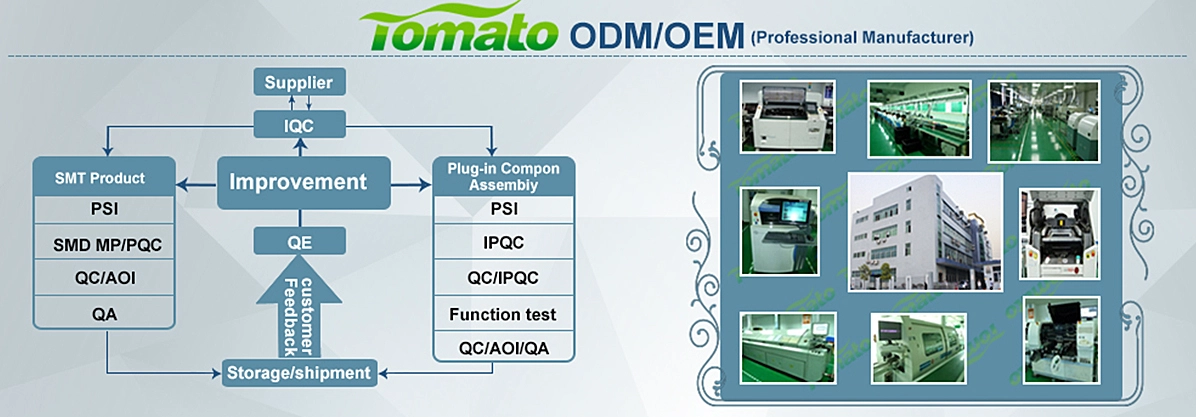
A reliable OEM/ODM project requires a controlled process from engineering evaluation to mass production.
A professional development workflow should include:
Stage 1: Technical Requirement Analysis
Define the SoC, RAM, storage, video codecs, HDMI, DRM, network interfaces, operating system, and application requirements.
Stage 2: Hardware Engineering
Evaluate the PCBA design, power architecture, RF performance, thermal requirements, and peripheral interfaces.
Stage 3: Firmware Development
Implement the required Android or Linux environment, custom UI/UX, SDK/API integration, and OTA functionality.
Stage 4: Prototype Validation
Test video decoding, network performance, application compatibility, DRM, HDCP, peripheral operation, and continuous playback.
Stage 5: Pilot Production
Verify assembly consistency, firmware loading, component quality, and production test procedures.
Stage 6: Mass Production and Lifecycle Support
Implement quality inspection, functional testing, firmware control, traceability, and agreed after-sales engineering support.
For B2B buyers, the objective is to ensure that mass-produced devices maintain the same functional characteristics as the approved engineering samples.
Conclusion: The Right OTT TV Box Specification Starts with the Application
The specification of an OTT TV Box is a combination of processing performance, video decoding, memory, storage, network connectivity, content protection, and software architecture.
For standard 4K streaming applications, an appropriately configured Amlogic platform with 2GB or 4GB RAM, 16GB or 32GB eMMC, AV1 hardware decoding, and suitable network interfaces can provide a balanced solution.
For advanced multimedia and AI applications, Rockchip RK3588 offers significantly greater CPU, GPU, NPU, and interface capabilities.
However, chipset selection alone does not determine product quality. PCBA layout, RF engineering, thermal management, DRM integration, firmware optimization, and OTA infrastructure all contribute to long-term performance.
SZTomato: Your OTT TV Box OEM/ODM Manufacturing Partner
Established in 2011, SZTomato is a Shenzhen-based manufacturer specializing in Android TV Box, Smart TV Box, OTT TV Box, IPTV Set Top Box, Streaming Media Player, Digital Signage, and AI multimedia hardware.
Our OEM/ODM capabilities cover the complete product development process, including:
-
SoC platform selection and hardware engineering.
-
PCBA modification and customized circuit design.
-
Android and Linux firmware customization.
-
Custom UI/UX and launcher development.
-
SDK/API and IPTV middleware integration.
-
OTA update and remote management solutions.
-
Specialized thermal and cooling design.
-
Prototype development and mass production.
Whether you are a streaming service provider developing a branded OTT TV Box, a telecom operator deploying managed streaming terminals, or a system integrator building a customized multimedia platform, SZTomato can help translate your technical requirements into a manufacturable product.
Contact SZTomato to discuss your OTT TV Box specifications, evaluate suitable SoC platforms, and develop an OEM/ODM solution tailored to your application, budget, and target market.
