
What Is the Latest Smart TV Box? Technology, Chipsets, and OEM/ODM Trends
1. What Defines the Latest Smart TV Box Technology?
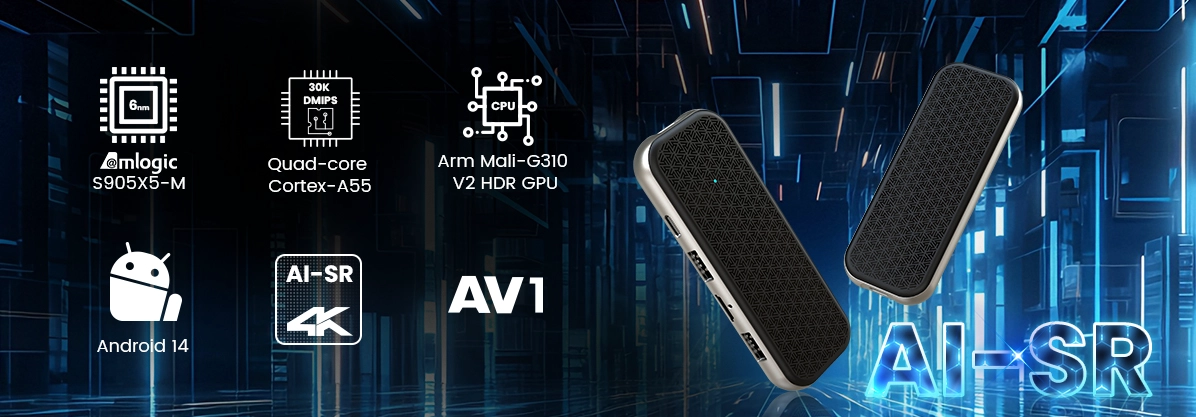
The transition from H.265 to AV1 video decoding, combined with the introduction of newer semiconductor platforms, is changing the hardware requirements of Smart TV Box products.
For manufacturers, supporting 4K resolution is no longer a sufficient competitive advantage. Buyers increasingly evaluate decoding efficiency, memory bandwidth, wireless connectivity, operating system compatibility, and long-term firmware maintenance.
Several technologies now determine whether a Smart TV Box platform is suitable for commercial deployment.
AV1 and Advanced Video Decoding
AV1 has become an important consideration in modern streaming hardware because it can deliver efficient video compression while maintaining visual quality.
A competitive Smart TV Box platform should evaluate:
-
AV1 hardware decoding for supported resolutions and frame rates.
-
H.265/HEVC and VP9 decoding compatibility.
-
H.264 decoding for legacy streaming applications.
-
HDR10 and other supported HDR formats.
-
HDMI output compatibility and HDCP content protection.
-
Hardware-level video processing and memory bandwidth.
Hardware decoding is particularly important for continuous streaming applications. Software-based decoding can increase CPU utilization, power consumption, and thermal output.
For B2B projects, chipset selection should therefore be based on the actual codec profile, resolution, frame rate, and content protection requirements rather than the advertised maximum resolution alone.
Android Platform and System Optimization
The operating system is another major factor in Smart TV Box performance.
Newer Android versions provide updated security frameworks, application compatibility, and system-level improvements. However, a newer Android version does not automatically guarantee better performance.
The underlying implementation matters.
A production-ready Smart TV Box requires:
-
Linux kernel and Android framework optimization.
-
Hardware abstraction layer (HAL) integration.
-
GPU and video decoder driver compatibility.
-
Memory management and background process optimization.
-
Secure boot and system integrity protection.
-
OTA update infrastructure.
-
Customized launcher and UI/UX development.
For branded products, firmware customization is especially important.
A customized interface can provide a consistent brand experience, simplify application access, and support operator-specific services. SZTomato supports custom UI/UX firmware development, system configuration, and SDK/API integration for OEM/ODM Smart TV Box projects.
2. Which Chipsets Should Buyers Consider for the Latest Smart TV Box?
The System-on-Chip (SoC) determines much of a Smart TV Box's processing capability, multimedia performance, connectivity options, and hardware expansion potential.
There is no universally best chipset. The correct choice depends on the target application, operating system, production budget, and expected product lifecycle.
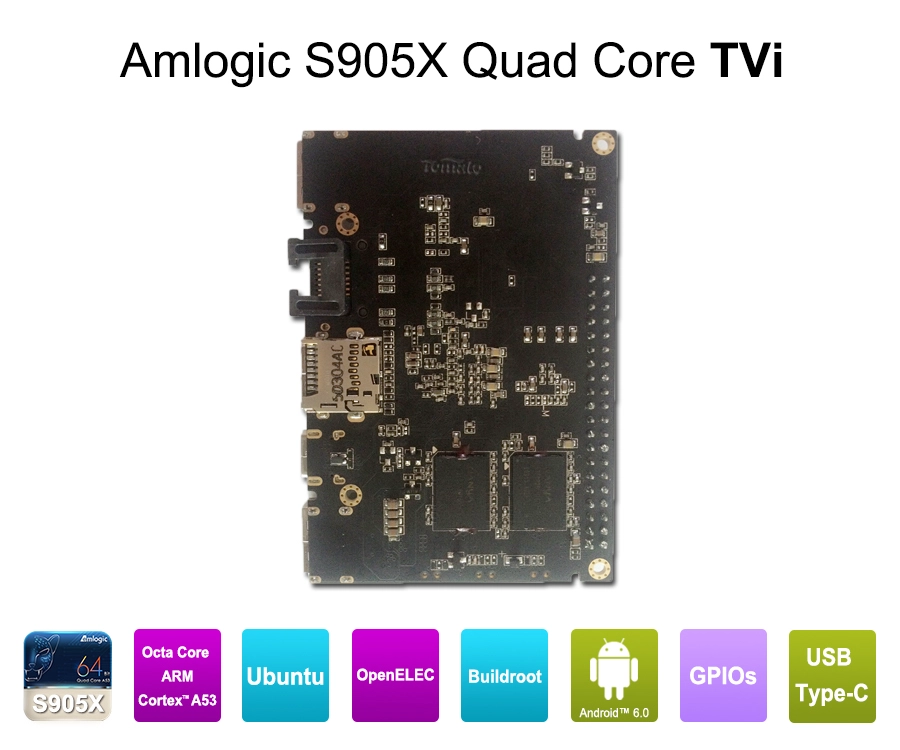
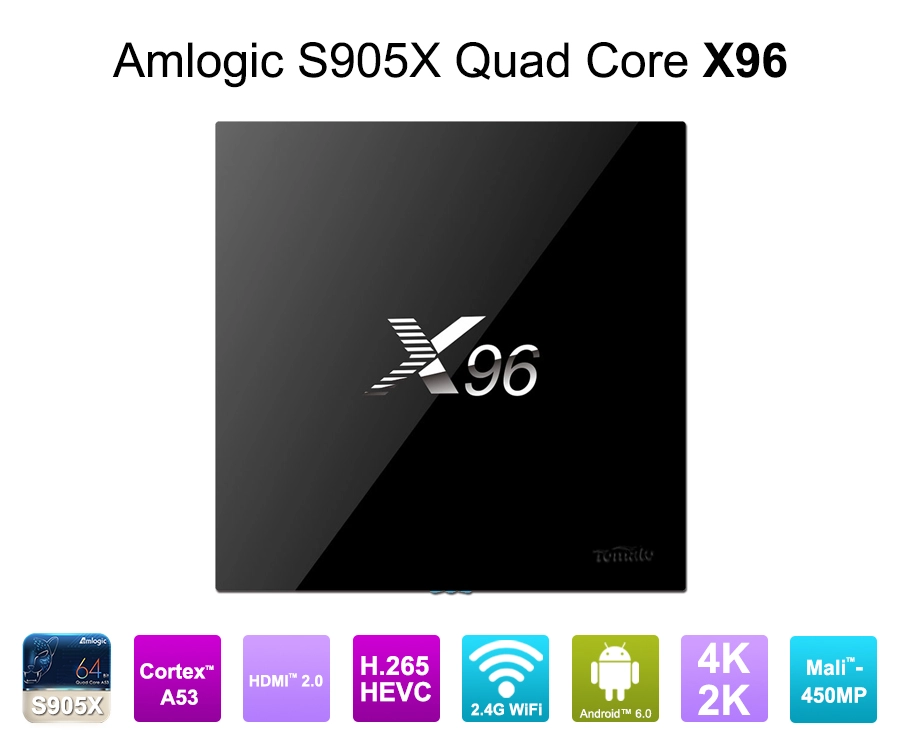
Amlogic: Mainstream Streaming and OTT Applications
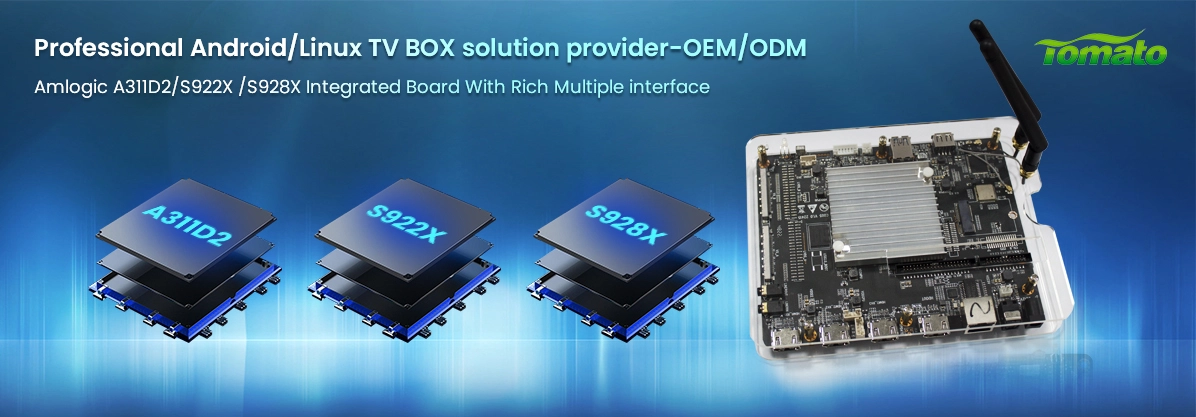
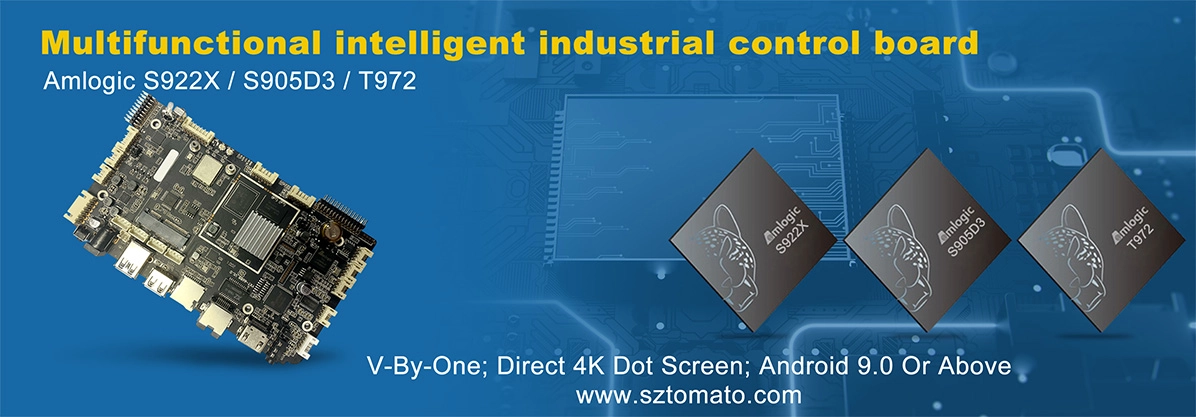
Amlogic remains an important platform supplier for Android-based streaming devices.
Amlogic platforms are commonly evaluated for:
-
4K and advanced video decoding.
-
Android multimedia framework compatibility.
-
HDMI and audio subsystem integration.
-
OTT and IPTV application requirements.
-
Wireless connectivity integration.
For telecom operators and streaming brands, chipset selection should include a review of firmware availability, DRM requirements, certification pathways, and long-term BSP support.
Rockchip: Performance and Hardware Customization
Rockchip provides SoC platforms used across multimedia devices, industrial computing, and AI-enabled hardware.
The RK3566, RK3588, and newer platform generations serve different performance and application requirements.
For example:
-
RK3566: Suitable for selected 4K multimedia, embedded Android, and commercial display applications.
-
RK3588: Designed for higher-performance computing, advanced multimedia processing, and edge AI applications.
-
Newer Rockchip platforms: Should be evaluated according to CPU architecture, NPU capability, memory bandwidth, multimedia support, and BSP maturity.
The RK3588 is particularly relevant to projects requiring more than conventional streaming. Its octa-core CPU architecture, Mali-G610 GPU, and up to 6 TOPS NPU performance make it suitable for selected AI multimedia and edge-computing applications.
However, these capabilities should not be confused with the requirements of a standard residential Smart TV Box. A higher-performance SoC can increase BOM cost, thermal requirements, and software integration complexity.
Allwinner: Cost-Optimized Multimedia Platforms
Allwinner provides another chipset option for cost-sensitive Smart TV Box and IPTV projects.
The H-series platforms are commonly considered for mainstream multimedia hardware.
For example, the H626 platform uses a quad-core ARM Cortex-A55 CPU architecture and can be evaluated for Android-based 4K streaming and IPTV applications, depending on the complete hardware and software implementation.
Its potential advantages include:
-
Cost-conscious hardware configurations.
-
Mainstream multimedia functionality.
-
Flexible memory and storage configurations.
-
Suitability for selected high-volume OEM projects.
Smart TV Box Chipset Selection Framework
|
Evaluation factor |
Mainstream streaming |
Commercial / advanced |
|---|---|---|
|
CPU |
Quad-core ARM |
Higher-performance multi-core |
|
Video |
4K decoding |
Advanced 4K / selected 8K |
|
GPU |
Mainstream graphics |
Higher-performance graphics |
|
AI acceleration |
Usually optional |
Relevant to AI applications |
|
Memory |
2GB–4GB configurations |
4GB–16GB or project-dependent |
|
Connectivity |
Wi-Fi 5 / Wi-Fi 6 |
Wi-Fi 6 / Ethernet options |
|
Application |
OTT / IPTV |
Commercial multimedia / AI |
The memory figures above are illustrative configuration ranges, not fixed chipset specifications.
The most effective purchasing decision is to match SoC capability with the actual application instead of paying for processing resources that the product will never use.
3. How to Design a Reliable Smart TV Box for Long-Term Deployment
A high-performance chipset cannot compensate for poor PCBA engineering, inadequate thermal management, or unstable firmware.
In commercial deployments, hardware reliability directly affects maintenance costs, customer satisfaction, and the total cost of ownership.
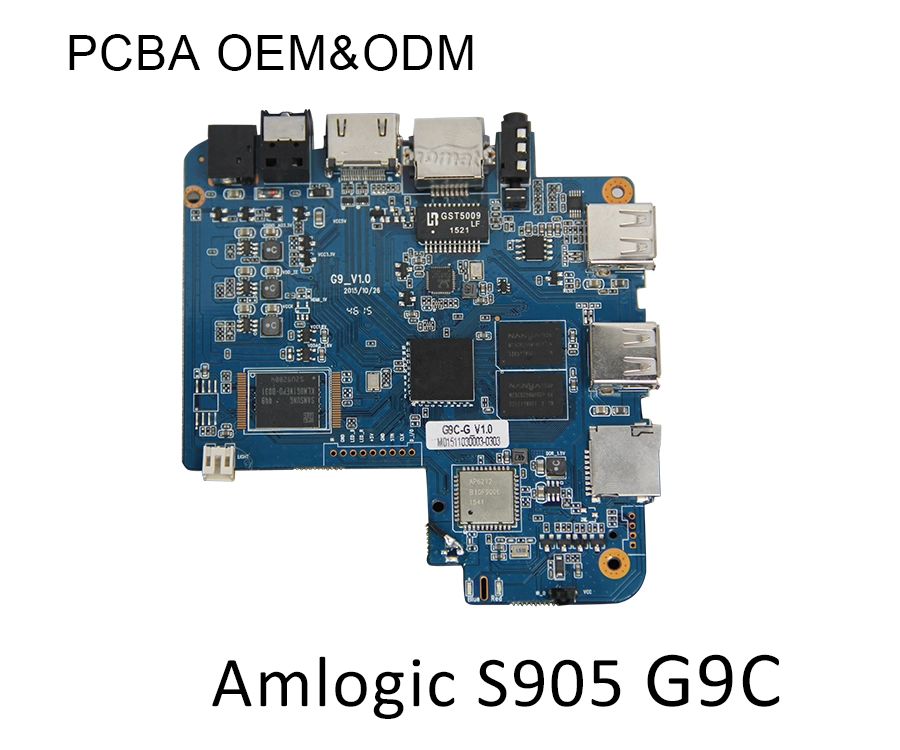
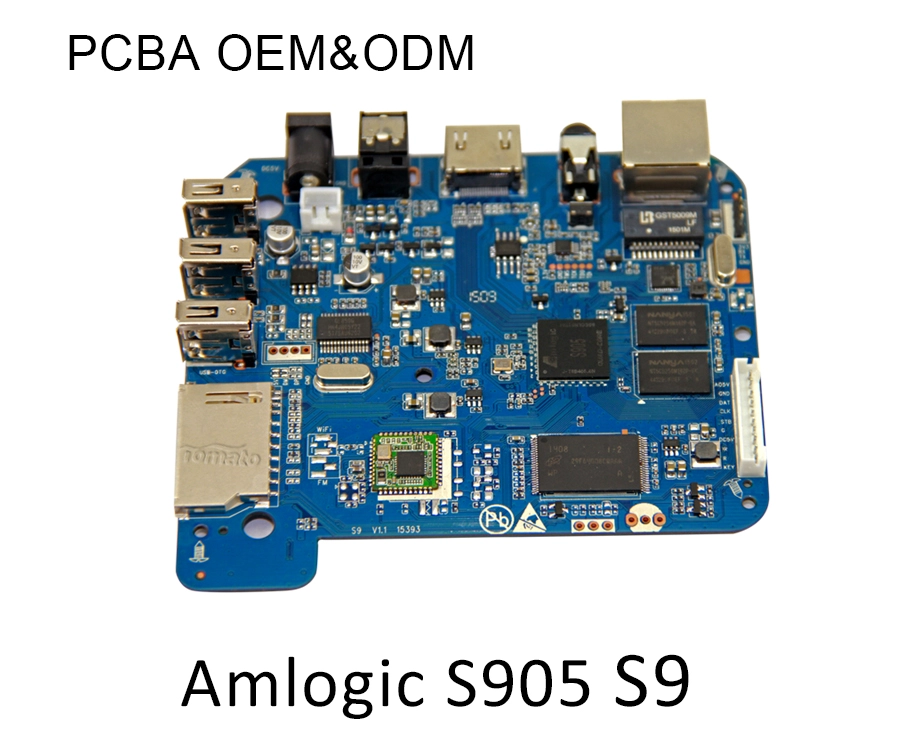
PCBA Design and Hardware Engineering
The PCBA layout influences signal integrity, power stability, thermal distribution, and overall product reliability.
Several areas require attention during hardware development:
Power management
The power supply circuit must support the current requirements of the CPU, memory, wireless module, and connected peripherals.
Poor power design can cause random reboots, USB instability, and system crashes under heavy workloads.
High-speed signal integrity
HDMI, USB 3.0, Ethernet, and high-speed memory interfaces require appropriate PCB routing and impedance control.
HDMI output stability also depends on connector quality, circuit design, signal integrity, and compatibility testing.
Memory and storage configuration
LPDDR4, LPDDR4X, LPDDR5, eMMC, and other supported memory technologies should be selected according to the SoC reference design and project requirements.
Insufficient memory can affect application responsiveness and multitasking performance, while inappropriate storage selection can reduce system responsiveness and update reliability.
Interface customization
Different projects may require additional USB ports, Ethernet interfaces, GPIO, serial communication, or specialized expansion interfaces.
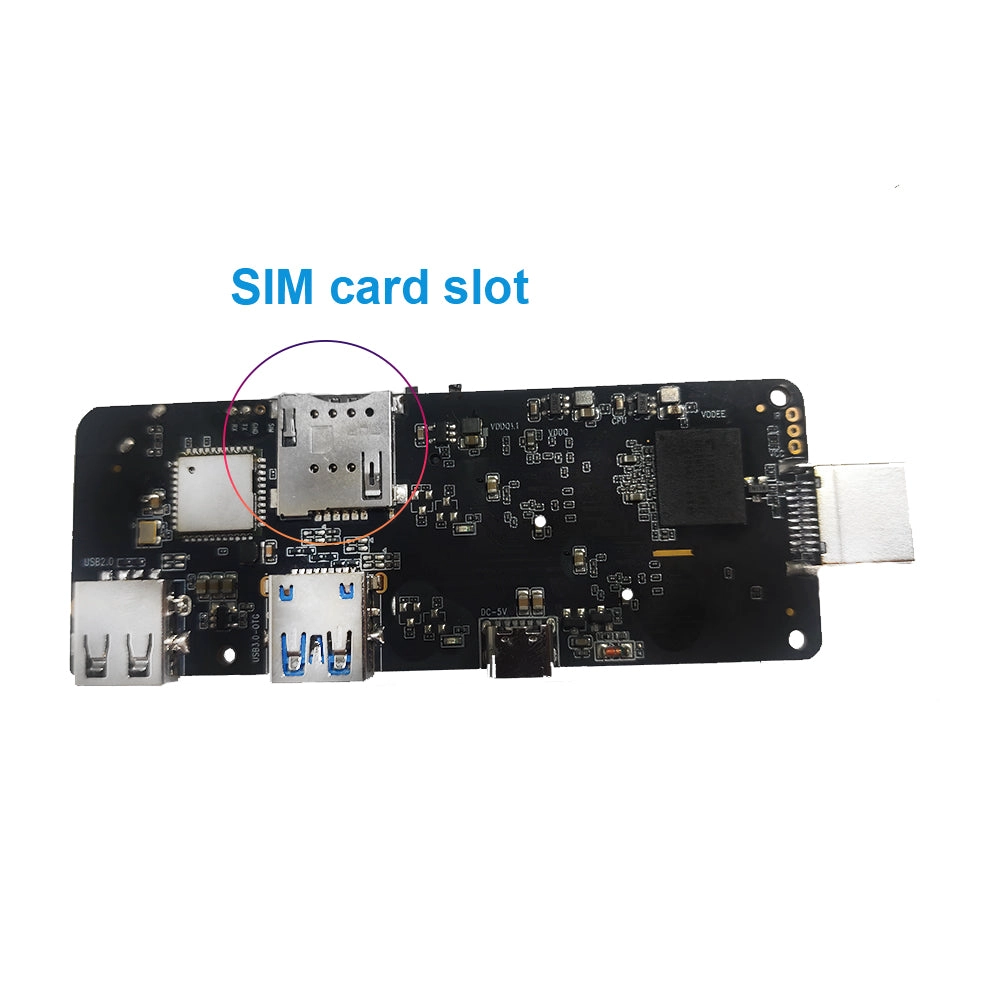
SZTomato supports PCBA hardware modification to accommodate project-specific interfaces, component selection, and circuit design requirements.
Thermal Management for Continuous Operation
Thermal design is frequently underestimated during Smart TV Box development.
A device that performs well during short laboratory tests may experience instability when deployed continuously in enclosed cabinets, digital signage systems, or commercial environments.
Key thermal considerations include:
-
SoC heat dissipation and heatsink selection.
-
PCB copper distribution and thermal conduction.
-
Enclosure material and internal airflow.
-
Component temperature under sustained workloads.
-
Power consumption during simultaneous decoding and wireless operation.
For industrial and commercial applications, SZTomato can develop specialized cooling solutions based on the device's operating environment.
Depending on the project, this may involve customized heatsinks, improved thermal interfaces, enclosure modifications, and optimized internal component placement.
The objective is not simply to reduce peak temperature. It is to maintain stable performance throughout extended operating cycles.
Firmware Stability, OTA Updates, and Security
Firmware engineering is equally important.
An OEM Smart TV Box must support more than initial boot-up and application installation. It needs a maintainable software architecture that allows the product owner to manage devices after deployment.
A robust firmware development process should address:
-
Android BSP and Linux kernel adaptation.
-
Peripheral driver integration.
-
Wi-Fi, Bluetooth, Ethernet, and HDMI validation.
-
Application compatibility testing.
-
Secure boot and system partition protection.
-
OTA update mechanisms and firmware rollback strategies.
-
Recovery procedures for failed updates.
HDCP encryption is another important consideration for streaming projects. Its implementation and licensing requirements must be evaluated according to the SoC, HDMI subsystem, content provider, and target application.
Similarly, Google certification, Widevine DRM, and other content protection requirements should be treated as separate technical and commercial workstreams. An Android-based device does not automatically qualify as a Google-certified or premium-content-certified product.
SZTomato supports customized firmware development, SDK/API integration, and application-level configuration to help B2B customers align the software environment with their business requirements.
4. Smart TV Box OEM/ODM Trends: What B2B Buyers Should Prepare For
The Smart TV Box manufacturing market is moving beyond standard hardware assembly.
Brand owners, IPTV operators, distributors, and system integrators increasingly require products designed around specific application environments.
Three developments are particularly important.
Trend 1: From Standard Reference Designs to Customized PCBA
Reference designs remain useful for reducing initial development costs. However, a standard board cannot always satisfy specialized project requirements.
Common customization requests include:
-
Additional Ethernet or USB interfaces.
-
Different wireless modules and antenna configurations.
-
Customized memory and eMMC capacities.
-
Modified HDMI and audio circuit configurations.
-
Special power input requirements.
-
Dedicated GPIO and industrial communication interfaces.
For procurement managers, the important question is whether a manufacturer can modify the underlying hardware rather than simply change the enclosure, logo, and packaging.
SZTomato provides PCBA-level customization for OEM/ODM projects requiring hardware adjustments beyond standard configurations.
Trend 2: Software Customization Becomes a Competitive Advantage
Hardware specifications are increasingly easy to compare. Software differentiation is harder to replicate.
A branded Smart TV Box may require a customized launcher, preinstalled applications, remote-control mapping, boot animation, device management functions, and integration with proprietary backend systems.
SDK/API integration can also connect the device to:
-
IPTV middleware.
-
Video-on-demand platforms.
-
Content management systems.
-
Remote device management platforms.
-
Enterprise application ecosystems.
-
Customized advertising and streaming services.
This is particularly relevant to telecom operators and system integrators managing large device fleets.
A properly designed OTA update system can reduce maintenance requirements and simplify firmware deployment across multiple device configurations.
Trend 3: Convergence of Streaming, Commercial Display, and Edge Computing
The boundary between traditional streaming devices and commercial multimedia hardware is becoming less distinct.
Some projects now require a Smart TV Box to perform multiple functions, including:
-
4K multimedia playback.
-
IPTV and OTT content delivery.
-
Digital signage playback.
-
Remote content management.
-
AI-assisted video analytics.
-
Local application processing.
Not every application requires an AI processor. However, projects involving computer vision, intelligent advertising, or edge inference may benefit from more powerful SoCs with dedicated NPU resources.
This creates opportunities for manufacturers capable of developing multiple hardware configurations around different processor platforms.
For B2B buyers, a scalable product architecture can reduce future redevelopment costs when moving from standard streaming products to commercial or AI-enabled applications.
5. How to Choose the Right Smart TV Box Manufacturer
Selecting a manufacturing partner should involve more than comparing unit prices and chipset specifications.
For OEM/ODM procurement, the manufacturer's engineering capabilities directly influence product differentiation, production consistency, and long-term technical support.
Before placing a development order, evaluate the following areas:
|
Assessment area |
What B2B buyers should verify |
|---|---|
|
SoC selection |
Ability to recommend suitable chipsets |
|
Hardware engineering |
PCBA modification and circuit development |
|
Firmware |
Android/Linux adaptation and optimization |
|
SDK/API |
Third-party platform integration |
|
Thermal design |
Cooling solutions for continuous operation |
|
Quality control |
Component inspection and production testing |
|
OTA support |
Firmware maintenance and update strategy |
|
Customization |
Logo, enclosure, interfaces, UI/UX, and packaging |
|
Project support |
Engineering communication and after-sales assistance |
A reliable OEM/ODM manufacturer should be able to explain why a particular chipset, memory configuration, PCB design, and firmware architecture is suitable for the intended deployment.
It should also identify technical limitations before mass production rather than relying on specification sheets to resolve engineering questions.
Why Work with SZTomato?
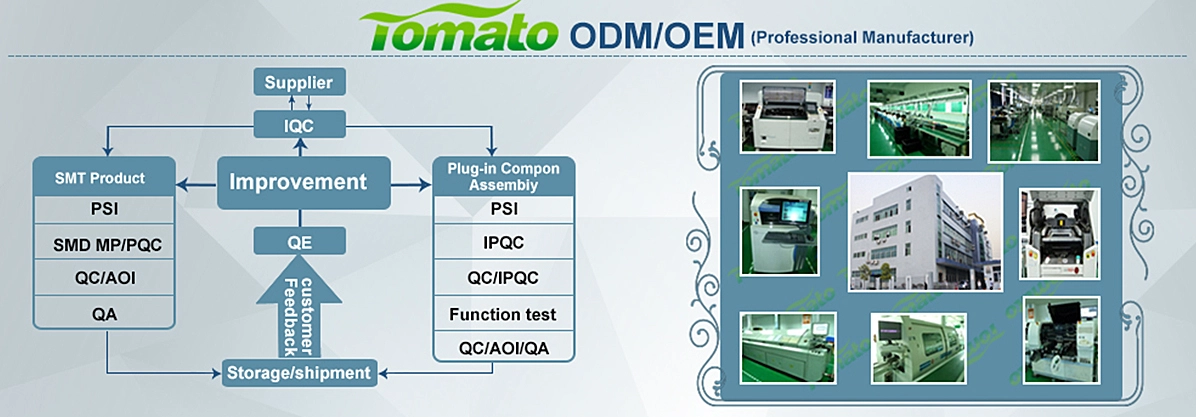
Established in 2011, SZTomato is a Shenzhen-based manufacturer specializing in Android TV Box, Smart TV Box, IPTV Set-Top Box, Streaming Media Player, Digital Signage, and AI multimedia hardware.
Its OEM/ODM capabilities extend across multiple engineering layers:
-
Hardware engineering: PCBA modification, component selection, and customized circuit configurations.
-
Firmware development: Android/Linux system adaptation, customized UI/UX, and firmware optimization.
-
SDK/API integration: Connectivity with IPTV platforms, enterprise applications, and third-party software ecosystems.
-
Thermal engineering: Specialized cooling solutions for industrial and continuous-operation environments.
-
Product customization: Hardware configurations, wireless connectivity, interfaces, enclosure design, and branding.
-
Manufacturing support: Quality control, production coordination, and long-term technical assistance.
Rather than treating every project as a standard TV Box assembly order, SZTomato approaches OEM/ODM development as an integrated hardware and software engineering process.
Conclusion: The Latest Smart TV Box Is an Engineering Decision, Not Just a Chipset Choice
The next generation of Smart TV Box products will be shaped by improvements in SoC architecture, AV1 decoding, wireless connectivity, Android platform development, and hardware integration.
However, the latest chipset does not necessarily produce the best commercial product.
A successful OEM project requires the right balance between processing performance, PCBA design, memory configuration, thermal management, firmware stability, and application compatibility.
For procurement managers, brand owners, IPTV operators, and system integrators, choosing a manufacturer with genuine hardware and software engineering capabilities is essential to building a differentiated product with a sustainable lifecycle.
Planning a customized Smart TV Box project?
SZTomato provides OEM/ODM manufacturing and engineering support, from chipset selection and PCBA modification to firmware customization, SDK/API integration, and mass production.
Visit www.sztomato.com to discuss your hardware specifications, software requirements, and product development objectives with the SZTomato engineering team.
