


What are the connectivity options for an OTT TV Box?
What Are the Connectivity Options for an OTT TV Box? An Enterprise Engineering Analysis
In large-scale commercial video streaming—whether an internet service provider (ISP) introducing a managed OTT TV box fleet or a system integrator building a multi-node hospitality IPTV network—system failure rarely stems from raw CPU compute limitations. Instead, the primary point of failure is network link degradation.
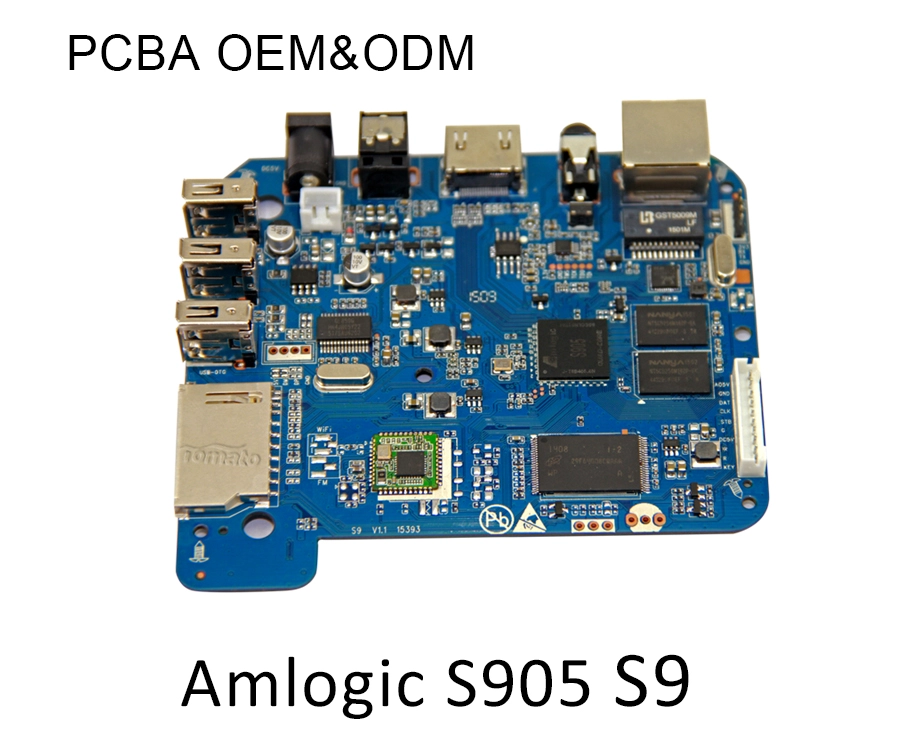
With the industry shifting toward high-bitrate 4K and 8K AV1 encoded content streams to maximize bandwidth efficiency, the data ingestion interface of the OTT TV box faces significant strain. A consumer-grade streaming stick utilizing basic internal PCB trace antennas and standard 100M Ethernet interfaces cannot handle dense, high-interference RF environments or saturated local subnets. For enterprise deployments, evaluating an OTT gateway requires a deep look into physical and wireless I/O design, component-level printed circuit board assembly (PCBA) modifications, and low-level kernel driver optimizations.
1. Next-Generation Wireless Layers: Implementing Wi-Fi 6/6E/7 with 2T2R MIMO
In dense commercial environments, such as high-rise apartment complexes or multi-room hotels, RF congestion in the 2.4 GHz and 5 GHz bands is the leading cause of packet loss and buffer delays. Moving past older Wi-Fi 5 (802.11ac) technology is a baseline requirement for high-availability setups.
The 6 GHz Mandate (Wi-Fi 6E & 7)
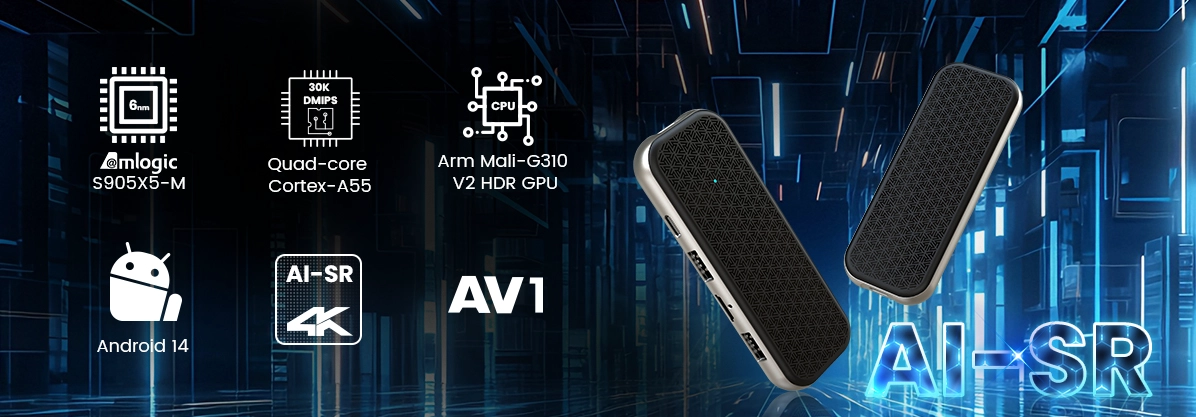
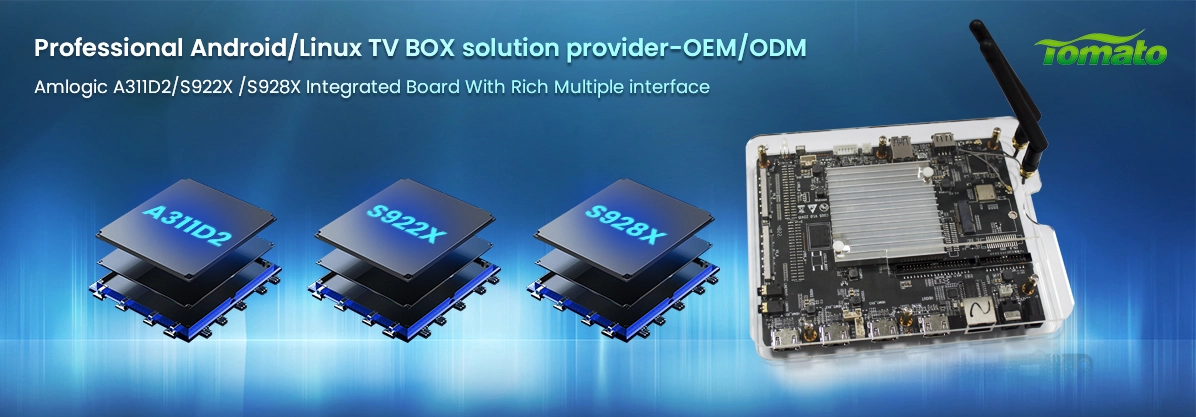
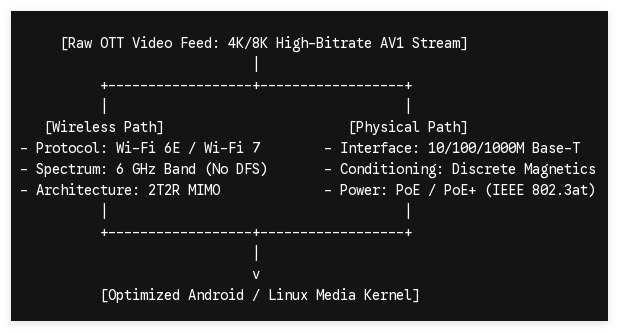
Modern premium SoCs, such as the Amlogic S928X or next-generation S905X5, feature native support for Wi-Fi 6E and Wi-Fi 7 chipsets via high-speed PCIe interfaces. By utilizing the 6 GHz spectrum, these modules bypass the crowded overlapping channels of legacy bands. This grants the OTT TV box access to wide, continuous 160 MHz channels that are completely free from the Dynamic Frequency Selection (DFS) radar-detection delays common to corporate networks.
Hardware-Level RF Isolation and Antenna Design
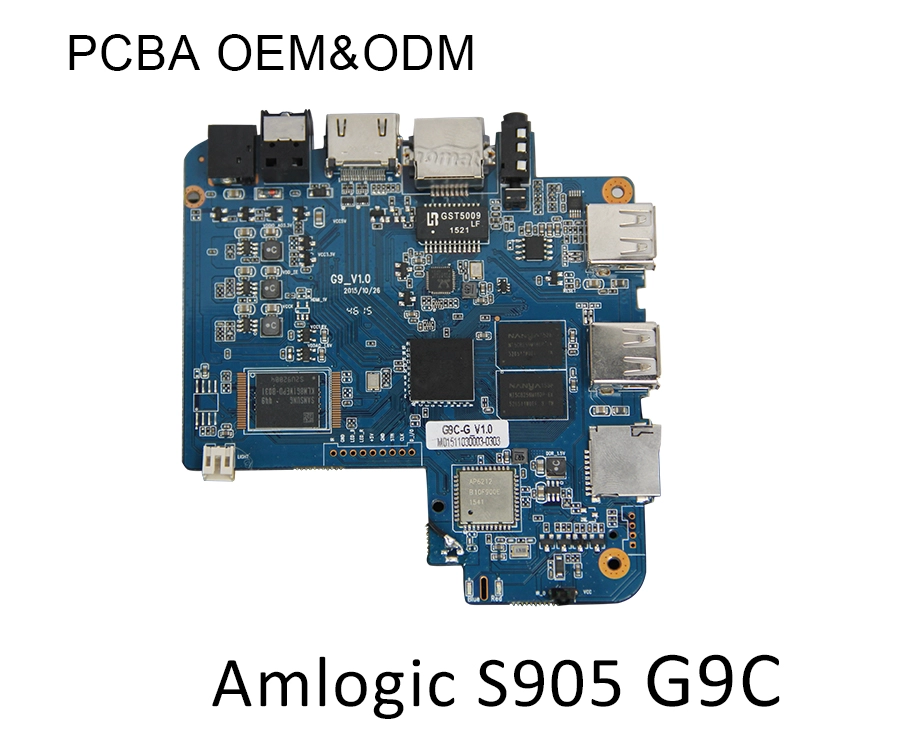
At SZTomato, our engineering team modifies the physical PCBA layout to prevent internal EMI (electromagnetic interference):
-
RF Shielding: Metal shield cans are placed directly over the Wi-Fi/Bluetooth combo IC to isolate high-frequency clock signals from the main memory bus and PMIC.
-
2T2R MIMO Subsystems: Instead of fragile internal trace antennas, we implement independent dual-transmit, dual-receive (2T2R) paths. For challenging physical layouts, the housing is customized to mount external, high-gain dipole antennas via secure RP-SMA connectors, maintaining stable signal lock even down to -75dBm.
2. Hardwired Infrastructure: Gigabit Ethernet and Power over Ethernet (PoE) Integration
While wireless options provide installation flexibility, mission-critical operations like stadium signage or hospital patient terminals require physical line connections.
True Gigabit Line Conditioning
Many low-cost retail boxes feature a 10/100M Fast Ethernet configuration that caps real-world throughput under 95 Mbps—insufficient for peak multi-layered video rendering. Our custom enterprise hardware revisions modify the network subsystem to feature true 10/100/1000M Base-T Gigabit Ethernet. The layout incorporates discrete magnetic transformation blocks directly behind the RJ45 port to protect against ESD (electrostatic discharge) and signal reflections along extended copper lines.
Single-Cable Deployments via PoE
To lower installation costs in commercial environments without nearby AC outlets, the PCBA can be modified to integrate an active Power over Ethernet (PoE or PoE+) module compliant with IEEE 802.3af/at standards. This modification allows a single Cat5e/Cat6 cable to carry both the high-speed data stream and up to 25W of safe, low-voltage DC power over a 100-meter run.
3. Peripheral and AV Interfaces: Securing High-Fidelity Data Pipelines
The connectivity ecosystem of an enterprise OTT TV box extends beyond the network interface; it must also manage data pipelines directly to connected displays and local peripherals.
-
HDMI 2.1a Architecture: Utilizing full-bandwidth HDMI 2.1a ensures the device can transmit 4K resolution at 60Hz or 120Hz (and up to 8K at 60Hz on flagships like the S928X) with deep color tracking. This infrastructure supports critical enterprise features like Auto Low Latency Mode (ALLM) and Enhanced Audio Return Channel (eARC).
-
Cryptographic Pipeline Enforcement: To stream premium global channels legally, our low-level firmware architecture ensures proper handshake implementation of hardware-based Widevine L1 or PlayReady Digital Rights Management (DRM) along with enforced HDCP 2.2/2.3 keys over the physical display connection.
-
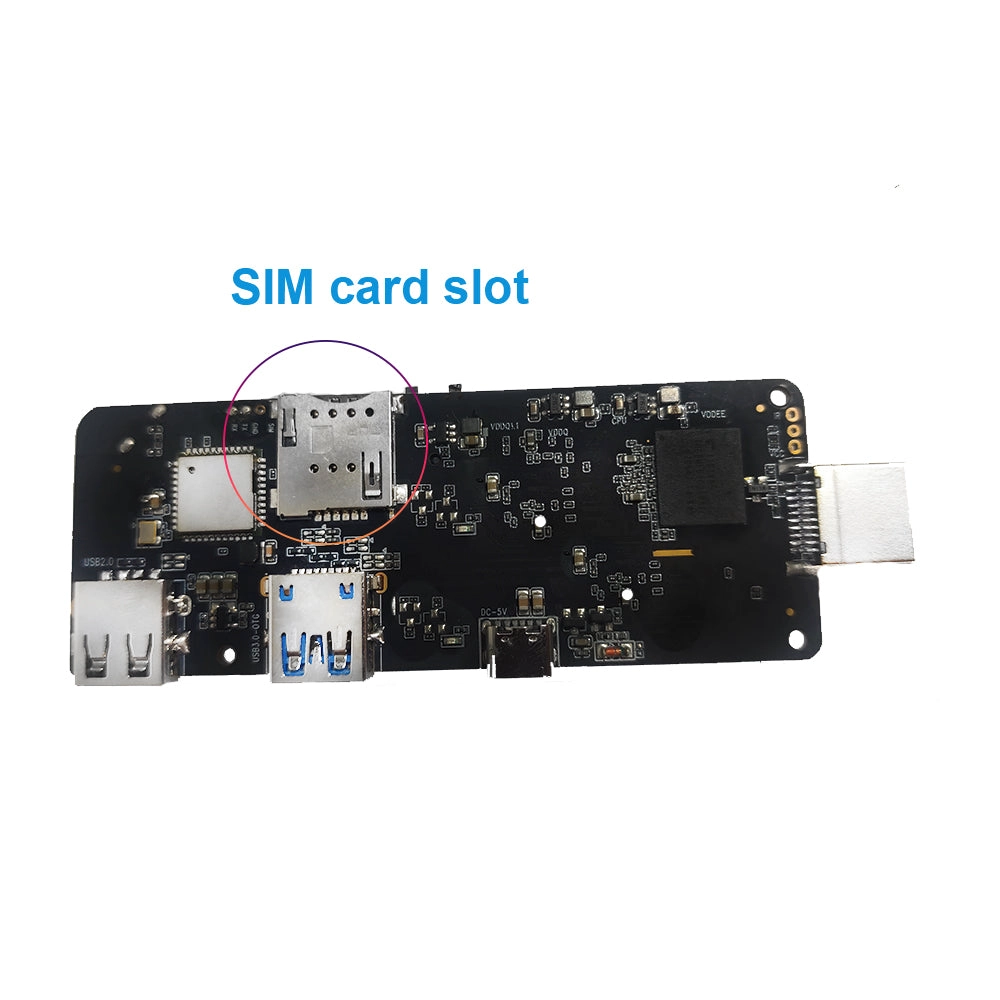
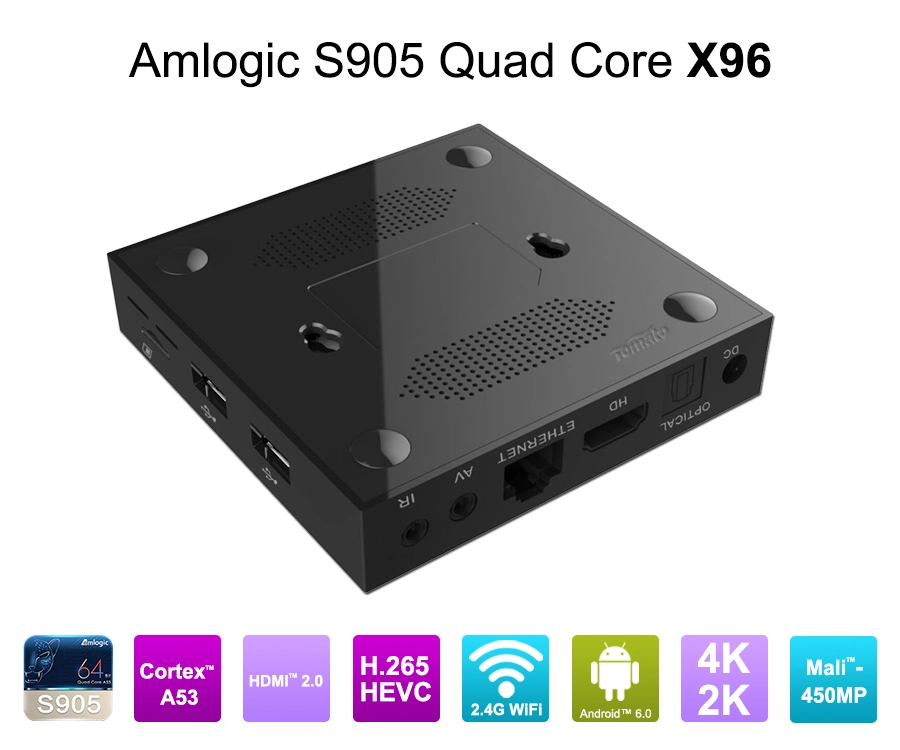
Industrial I/O Extensions: For specialized integrations, we modify reference layouts to replace standard consumer ports with commercial interfaces, such as dedicated hardware RS-232 / UART serial ports for automated panel control, optical S/PDIF paths for external sound array routing, and isolated USB 3.0 lines for local high-speed flash content backup.
4. Software Optimization: Tuning Drivers at the OS Kernel Level
High-performance physical ports are ineffective if the operating system introduces software processing bottlenecks. Standard consumer Android packages run generic network stacks that consume excessive CPU resources when managing sustained high-volume data packets.
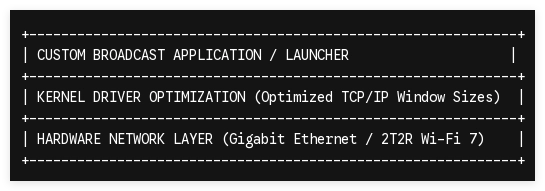
Our software engineering framework optimizes the underlying AOSP (Android Open Source Project) or Linux kernel directly:
-
Network Stack Tuning: We adjust the network stack parameters to modify core TCP/IP window sizes and UDP buffer allocations, preventing packet drops during high-bitrate live video bursts.
-
Custom Peripheral SDK Extensions: We build custom system API hooks into the root firmware, allowing operators to trigger silent, automated application updates via an enterprise Over-The-Air (OTA) platform, or remotely toggle display configurations without requiring physical user intervention.
Summary: Designing a Scalable OTT TV box Connectivity Strategy
The configuration of an enterprise OTT TV box must match the physical demands of its deployment environment. Relying on off-the-shelf consumer devices with limited connectivity options exposes networks to unnecessary maintenance costs and downtime.
Optimize Your Fleet Connectivity Architecture
If you are planning an enterprise-grade IPTV, OTT TV box, or digital signage deployment and require stable, purpose-built hardware, contact SZTomato today. Our engineering team provides comprehensive OEM/ODM services, including specialized PCBA layout design, Wi-Fi 6E/7 integration, and low-level kernel driver tuning.
Contact our technical sales team to request an engineering consultation, coordinate hardware evaluations, and review a custom component proposal.
