What is the TV Box device on TV?
What is the TV Box Device on TV? Enterprise Hardware Architecture & OEM Customization Guide
Broadcasters and OTT service providers are rapidly phasing out legacy MPEG-2/H.264 infrastructure in favor of AV1 hardware decoding and dynamic HDR pipeline delivery. In commercial AV environments, plugging an off-the-shelf consumer streaming stick into a commercial display creates immediate operational bottlenecks: thermal throttling, unmanaged application updates, and a complete lack of low-level peripheral control.
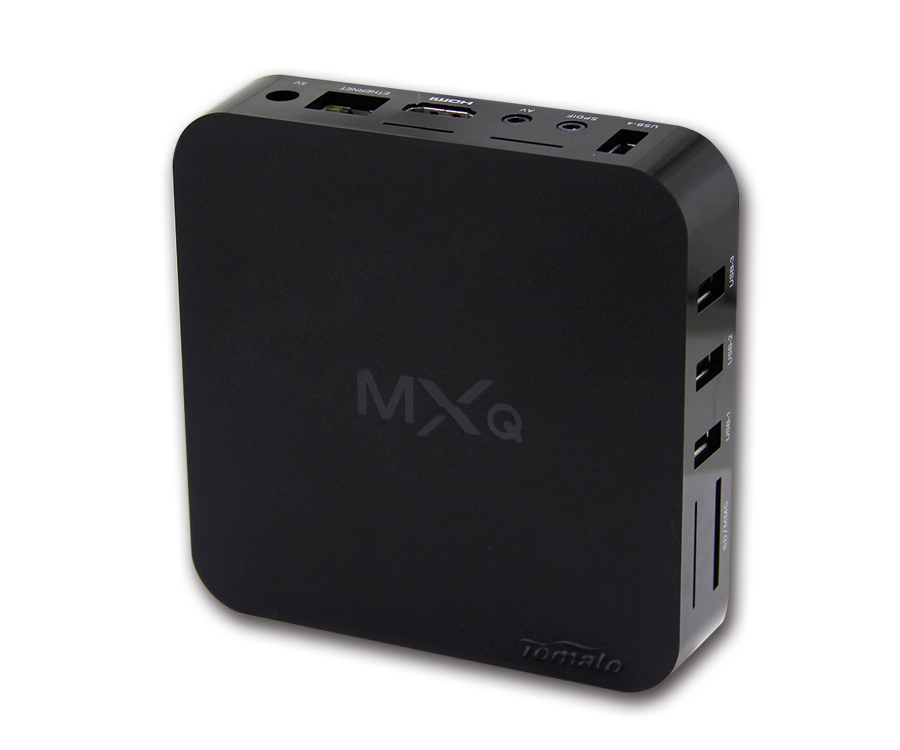
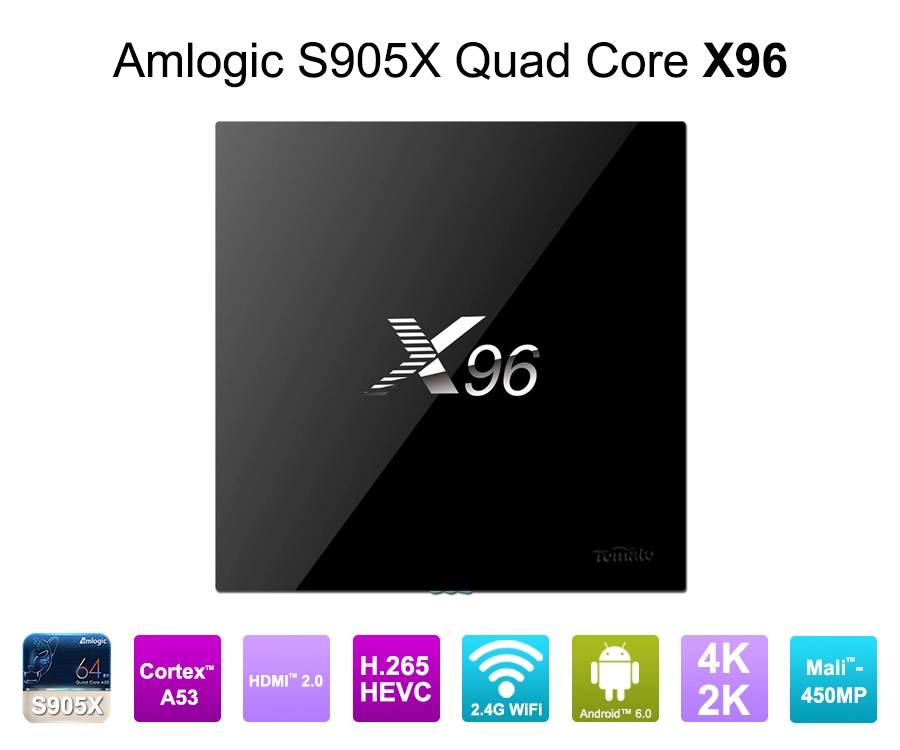
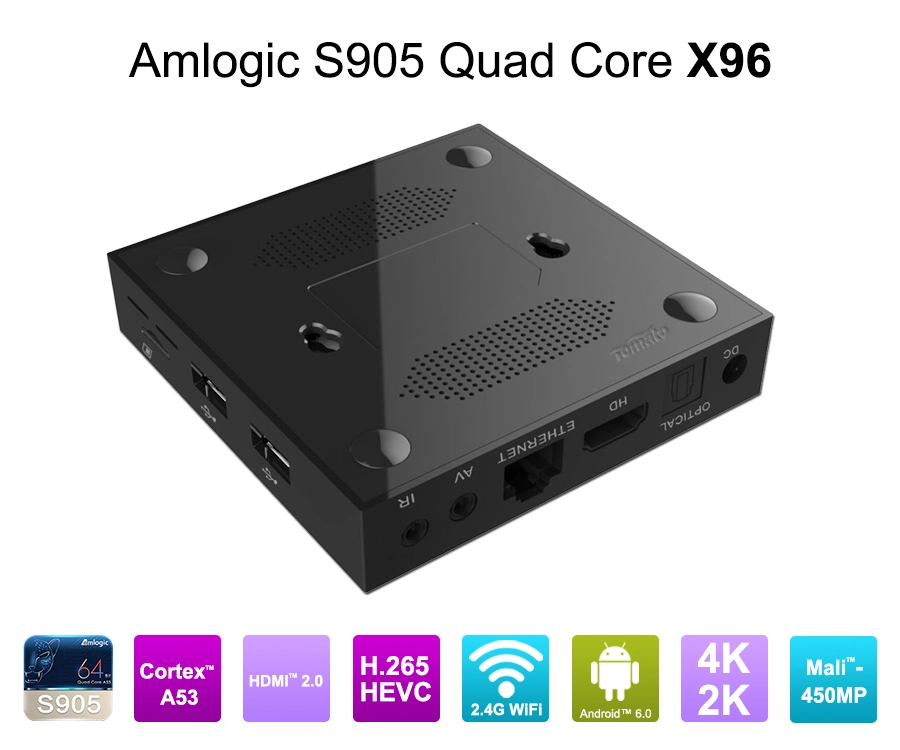
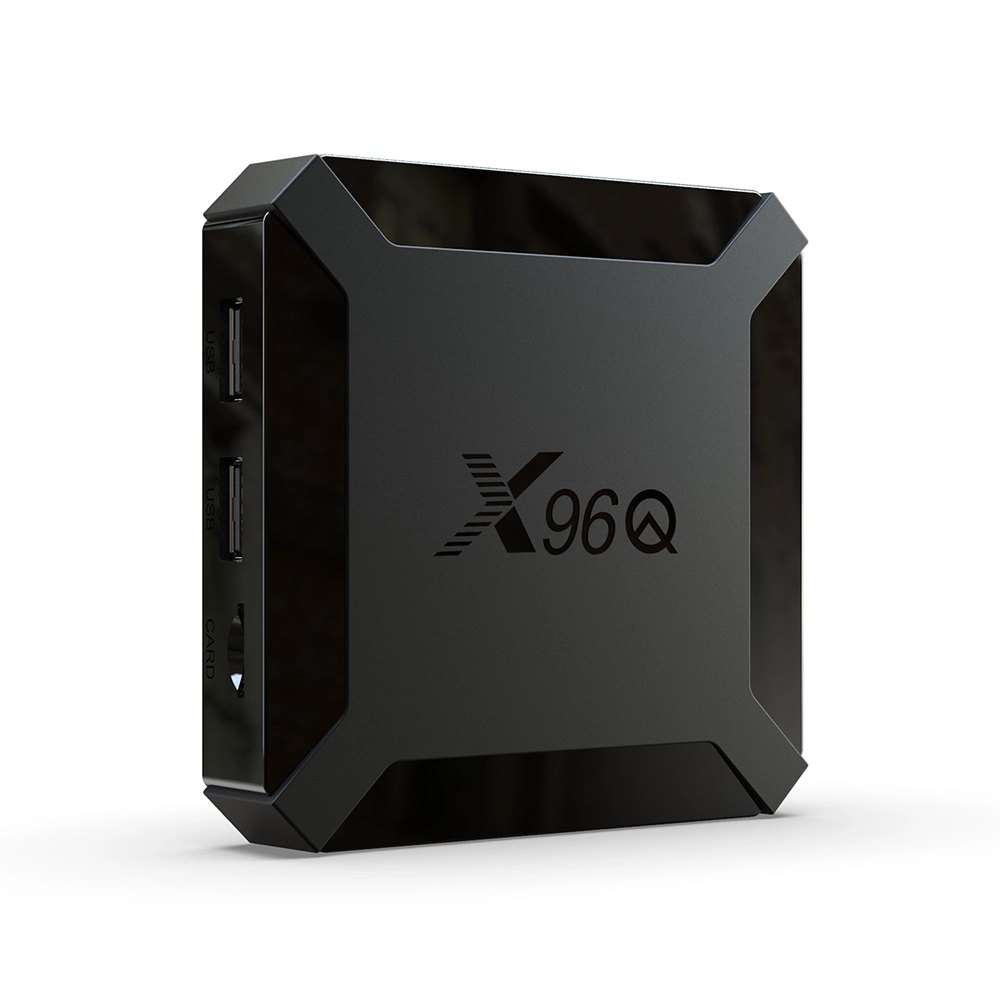
At its core, a TV Box is a dedicated, small-form-factor compute node that bridges IP network streams and display panels via HDMI, DisplayPort, or LVDS interfaces. Unlike locked-down consumer streaming hardware, enterprise-grade Android TV Box platforms operate as open, highly customizable embedded systems capable of driving digital signage, interactive kiosks, hospitality IP systems, and edge computing networks.
1. Internal Hardware Architecture: Beyond the Consumer Shell
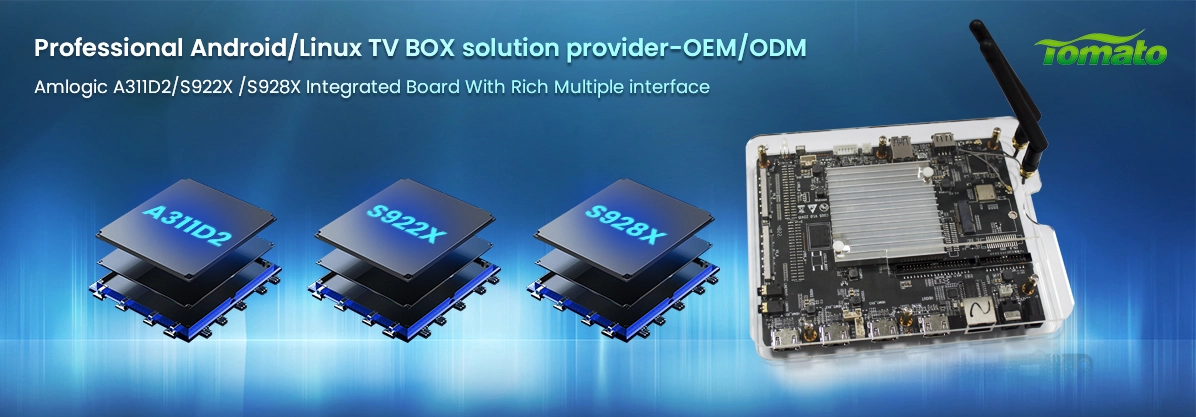
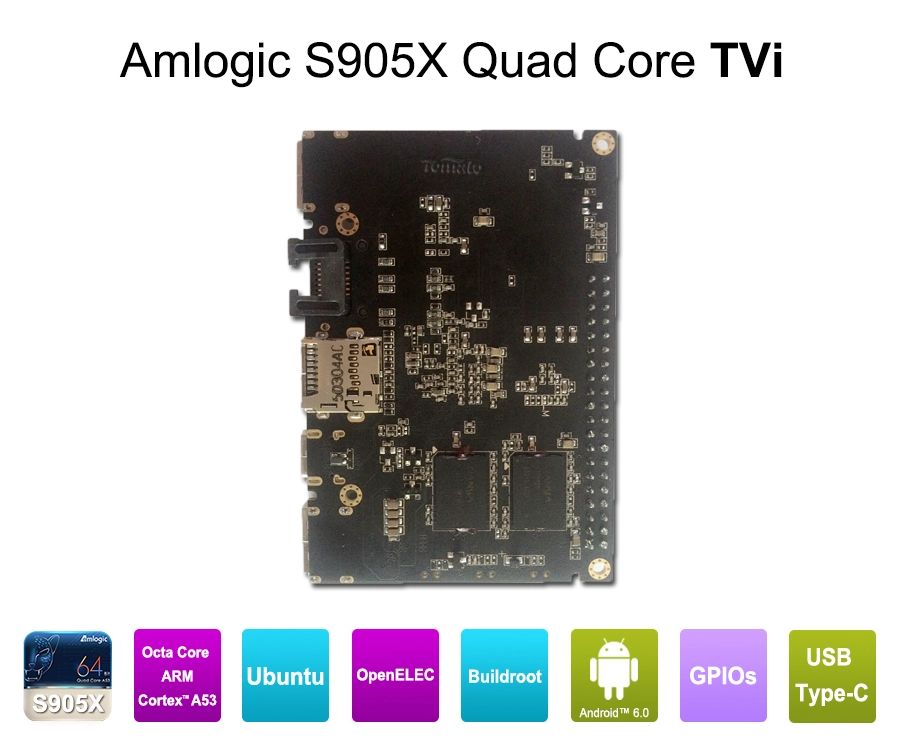
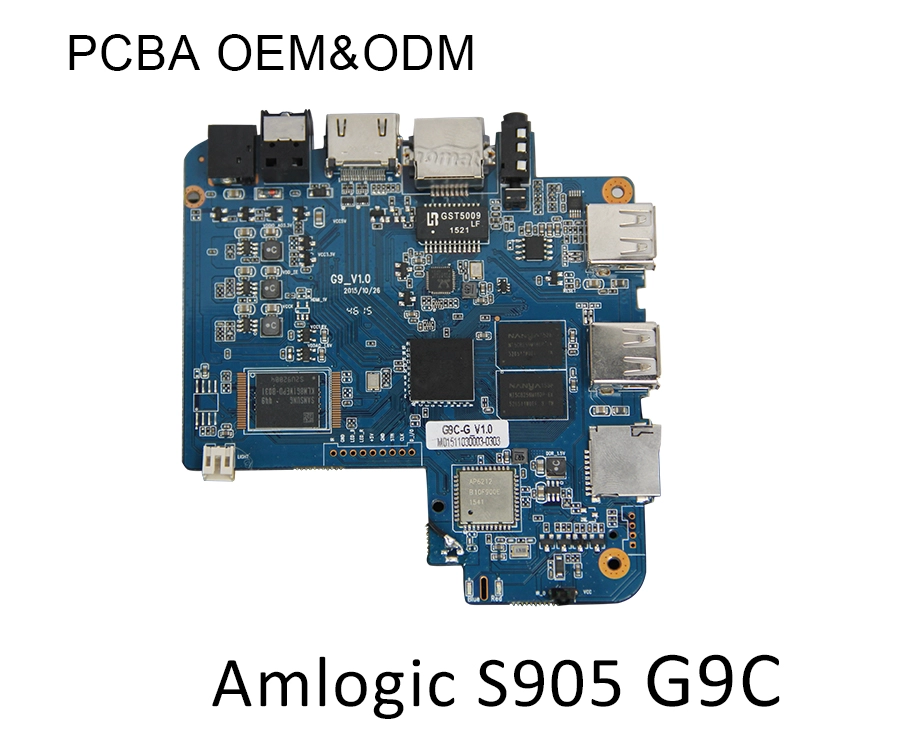
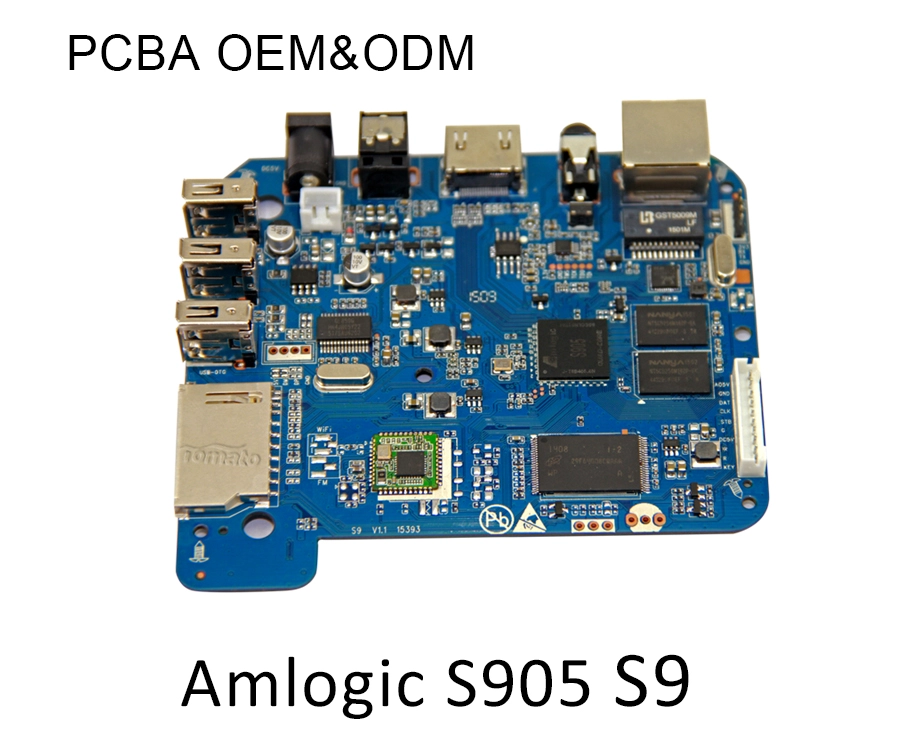
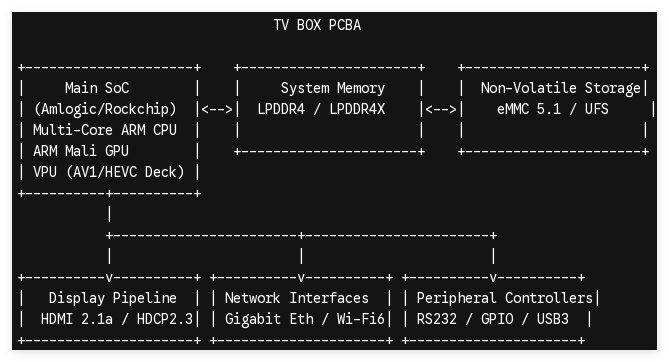
Understanding a TV Box at an enterprise level requires breaking down the Printed Circuit Board Assembly (PCBA). The performance and thermal envelope of the device depend entirely on the choice of System-on-Chip (SoC) and layout engineering.
Core Silicon Processing (SoC)
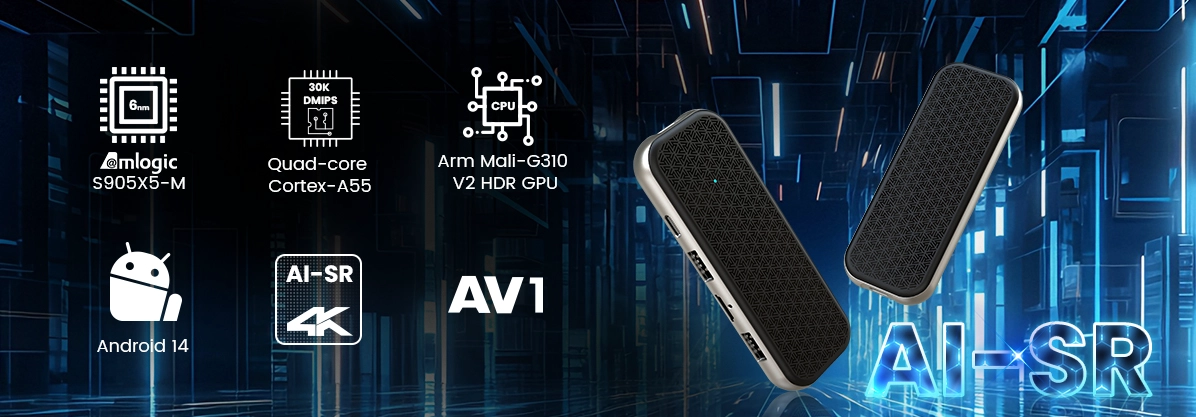
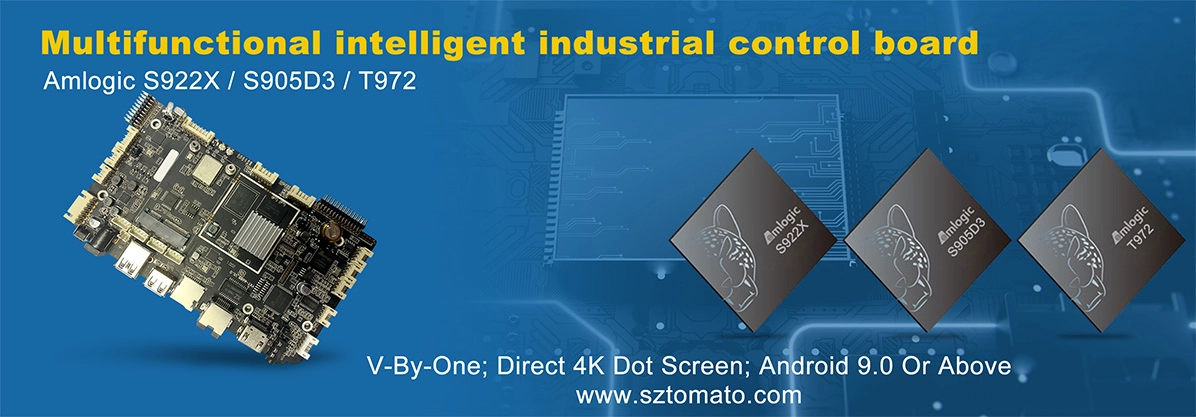
Modern commercial media players rely primarily on ARM-based SoCs from chip manufacturers like Amlogic (e.g., S905X4, A311D2) or Rockchip (e.g., RK3568, RK3588). These chips combine:
-
Multi-core CPU Complexes: ARM Cortex-A55 or Cortex-A76 performance clusters handling application logic and network protocols.
-
Dedicated Video Processing Units (VPUs): Fixed-function hardware blocks handling 4K/8K decoding at 60fps (AV1, VP9, H.265/HEVC) with minimal CPU overhead.
-
Integrated NPUs: Neural Processing Units up to 6 TOPS for edge video analytics, AI-assisted video upscaling, and audience measurement in signage deployments.
Memory & Storage Buses
Enterprise playback requires continuous data throughput. Industrial configurations utilize dual-channel LPDDR4/4X RAM paired with high-endurance eMMC 5.1 or UFS flash storage. High-grade flash memory is essential to withstand frequent log writes and continuous content caching without flash degradation.
2. Firmware-Level Engineering: Tailoring the Kernel for B2B Reliability
Standard Android environments are built for individual consumer interaction, featuring power-saving aggressive app kills, pop-up notifications, and automatic system updates. Enterprise media engines require precise firmware-level optimization before deployment.
| Feature Area | Consumer Streaming Device | Enterprise OEM/ODM TV Box |
|---|---|---|
| Operating System | Stock Android TV / Fire OS (Closed) | Custom Android (AOSP) / Ubuntu / Debian |
| Boot Behavior | Standard launcher, variable boot times | Fast-boot (<15s), silent boot, direct-to-app launcher |
| Device Management | Manual Google Play updates | Private OTA update server, TR-069 / MDM system |
| Display Control | Standard HDMI-CEC | HDMI-CEC, RS232 commands, orientation lock (0/90/180/270) |
| I/O Routing | Standard Audio/Video out | GPIO trigger pins, dual Ethernet routing, custom serial interfaces |
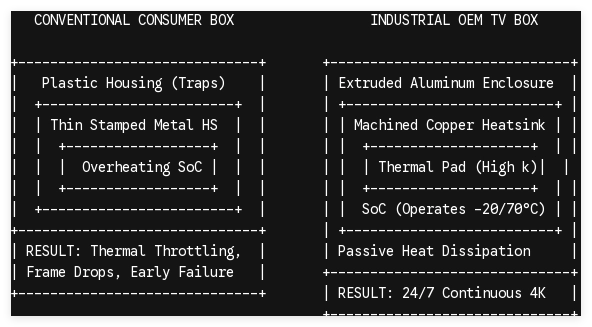
| Thermal Design | Passive plastic enclosure (Throttles) | Custom heatsink/aluminum chassis rated for 24/7/365 |
Android Kernel Optimization & Root Control
Through system-level engineering, OEM firmware exposes lower-level APIs and kernel-level controls:
-
Kiosk Mode & App Watchdogs: Native auto-launch scripts ensuring the target CMS application reboots instantly upon crash or system cold boot, masking all Android UI elements.
-
Custom System APIs: Direct access to serial ports (RS-232/TTL) to control commercial display panels (Power ON/OFF, input switching) directly from the media engine application.
-
HDCP & Digital Rights Management: Tailored DRM integration (Widevine L1, PlayReady) embedded directly into the secure execution environment (TEE) for protected video streaming.
3. Hardware Modification & Thermal Management for Commercial Scalability
Deploying hundreds or thousands of TV Boxes across retail chains, transportation hubs, or outdoor menu boards introduces environmental demands that consumer-grade plastics cannot survive.
Thermal Dissipation Engineering
Continuous 4K video decoding generates constant thermal energy. Passive copper or aluminum heatsink blocks attached directly to the SoC dissipate heat through aluminum enclosure shells. This eliminates moving parts (fans) while maintaining continuous operation in ambient temperatures ranging from -20°C to +70°C.
Custom PCBA Layout & Component Selection
B2B system integrators rarely use stock board layouts. OEM engineering allows custom additions to the physical board:
-
Power Over Ethernet (PoE+): IEEE 802.3at integration to supply both power (up to 30W) and data through a single RJ45 cable, eliminating the need for AC outlets near displays.
-
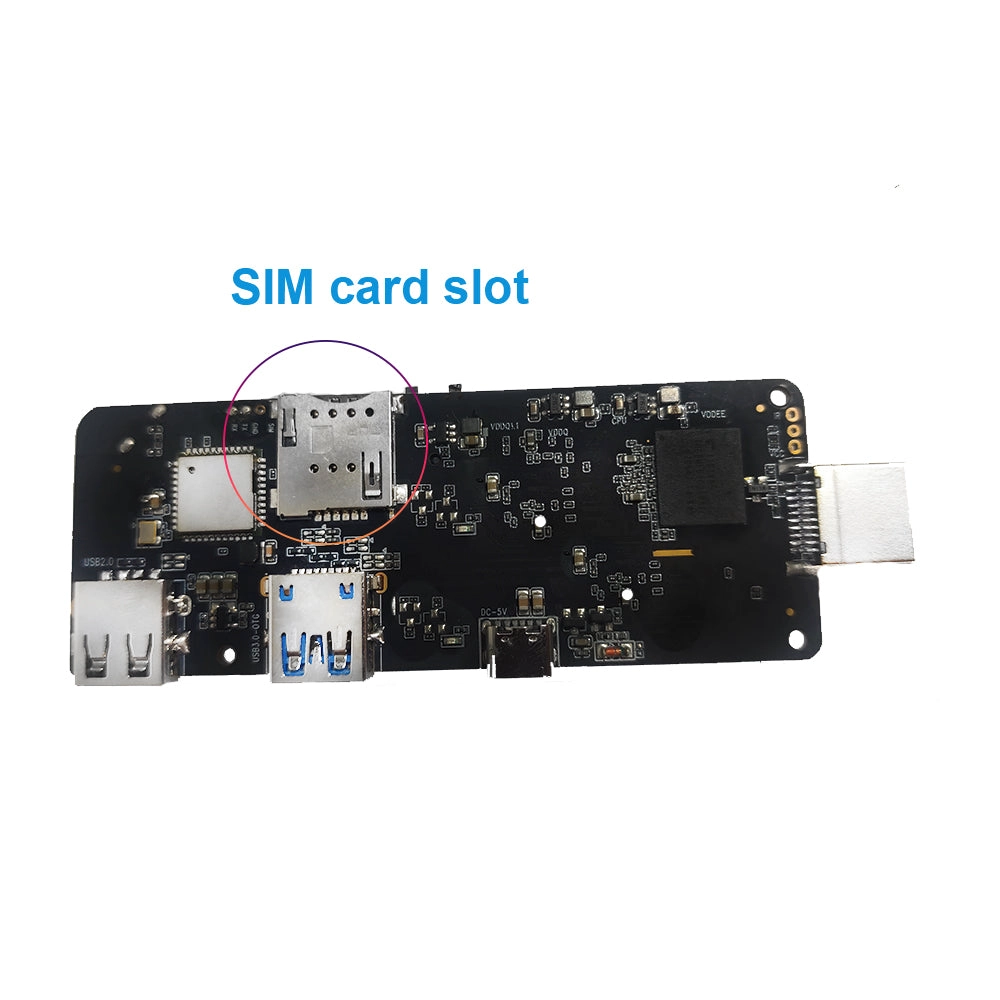
Expansion Interfaces: Integrated Mini-PCIe or M.2 slots for 4G/5G cellular modems with fallback SIM slots for remote connectivity.
-
Watchdog Timers (Hardware Level): Dedicated physical microcontrollers that cycle main power to the SoC if an unrecoverable system freeze occurs.
Partnering with SZTomato for Enterprise OEM/ODM Scale
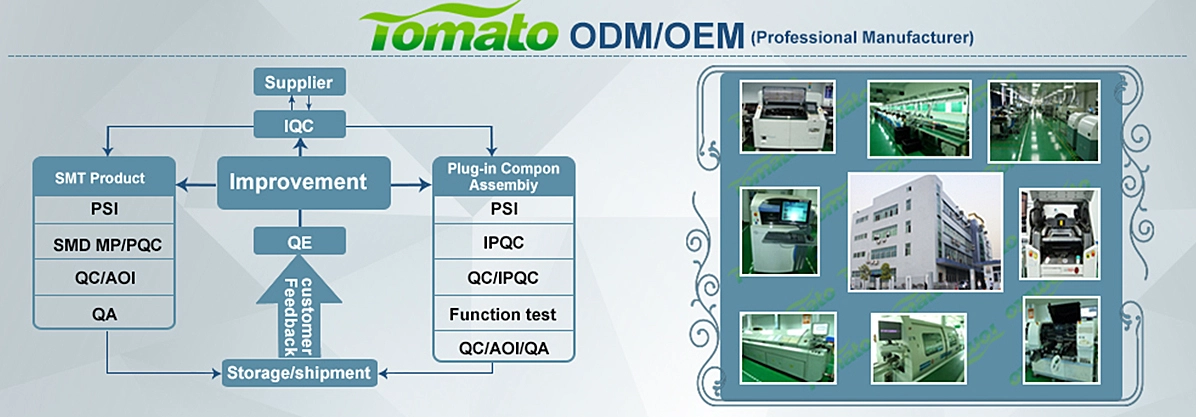
Generic retail Android boxes fall short when commercial deployments require strict firmware control, custom branding, and hardened hardware. As a specialist in cross-border electronics engineering, SZTomato delivers end-to-end hardware customization and low-level software modification tailored specifically for system integrators, ISP operators, and digital signage solution providers.
Custom Capabilities Include:
-
Board-Level PCBA Engineering: Custom port placement, integrated PoE modules, custom GPIO, and industrial-grade thermal enclosures built to specification.
-
Firmware & Kernel Tailoring: Deep Android (AOSP) and Linux kernel modifications, silent background installation capabilities, customized boot logos/animations, and locked-down kiosk environments.
-
Dedicated OTA Infrastructure: Access to secure, branded Over-The-Air (OTA) update servers to push firmware patches safely across global device fleets.
-
SDK & API Integration: Full developer documentation to bridge your proprietary software directly with onboard hardware features (serial communication, watchdog circuits, LED status indicators).
Request an Engineering Consultation
Are you planning a enterprise-scale media player rollout or developing a custom digital signage solution? Contact the engineering team at SZTomato to request sample units, schematics, and customized firmware builds for your hardware requirements.